CHICAGO- Back in June, the Biden administration unveiled a plan aimed at mandating airlines to provide monetary compensation to passengers in case of flight delays. However, they made it clear that they would give the Department of Transportation (DOT) about six months to draft the proposed rule.
This deliberate delay virtually ensured that the requirement wouldn’t be implemented before the upcoming election, making it an issue that would need Biden’s re-election for consumers to enjoy the benefits.
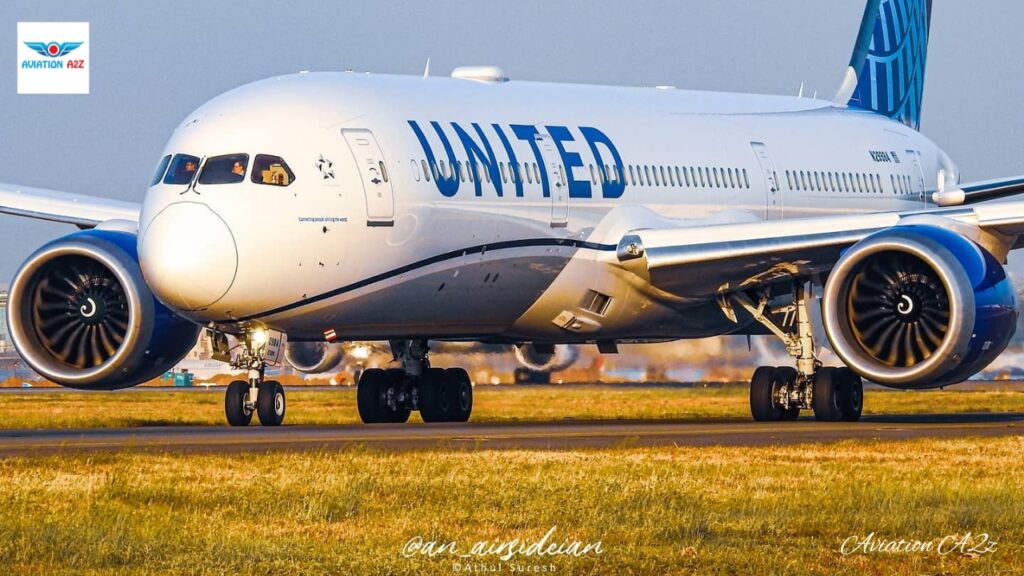
United CEO Talks on Flight Delays
During this period, the CEO of United Airlines (UA) hinted that such a policy might incentivize airlines to take more risks by flying in less-than-ideal conditions rather than opting for a cautious approach.
This could mean that they’d be less willing to delay flights due to mechanical issues and might even push the limits when it comes to flying in adverse weather conditions, especially if compensation is applicable even in bad weather scenarios.
Kirby reiterated these concerns recently, expressing his worry about pilots and mechanics factoring in the additional cost of delays when making decisions.
While he raises valid points about potential incentives, it’s worth noting that he may be missing some context despite his extensive experience in aviation, reports ViewfromtheWing.
Safety Top Priority
Back when airlines were subject to heavy regulation, the primary objective was to ensure airlines remained financially viable. This often meant that government regulations determined which airlines could operate on specific routes and what prices they could charge. Contrary to what some consumers may think, this regulatory environment was not always in their favor; it tended to favor the airlines.
The aim was to keep airlines profitable, as unprofitable carriers, driven by intense competition, might compromise on safety. However, history has shown that the aviation industry has consistently improved its safety record, even during challenging periods like the aftermath of 9/11, the Great Recession, and the COVID-19 pandemic. Notably, safety concerns in recent times have often arisen from government air traffic control rather than commercial airlines themselves.
European aviation safety standards are on par with those in the United States, and European regulations, such as EU 261, require compensation for passengers. Surely, Kirby doesn’t believe his joint venture partner Lufthansa operates in an unsafe manner?
Airlines do go bankrupt without sacrificing safety, as safety is ingrained as a top priority in the industry. Every decision is regarded as critical to passenger well-being. Those who began their careers in the late 1970s and early 1980s have shared stories about being required to watch films about aviation disasters like the Tenerife airport collision to instill a safety-focused culture, even for non-operational staff.
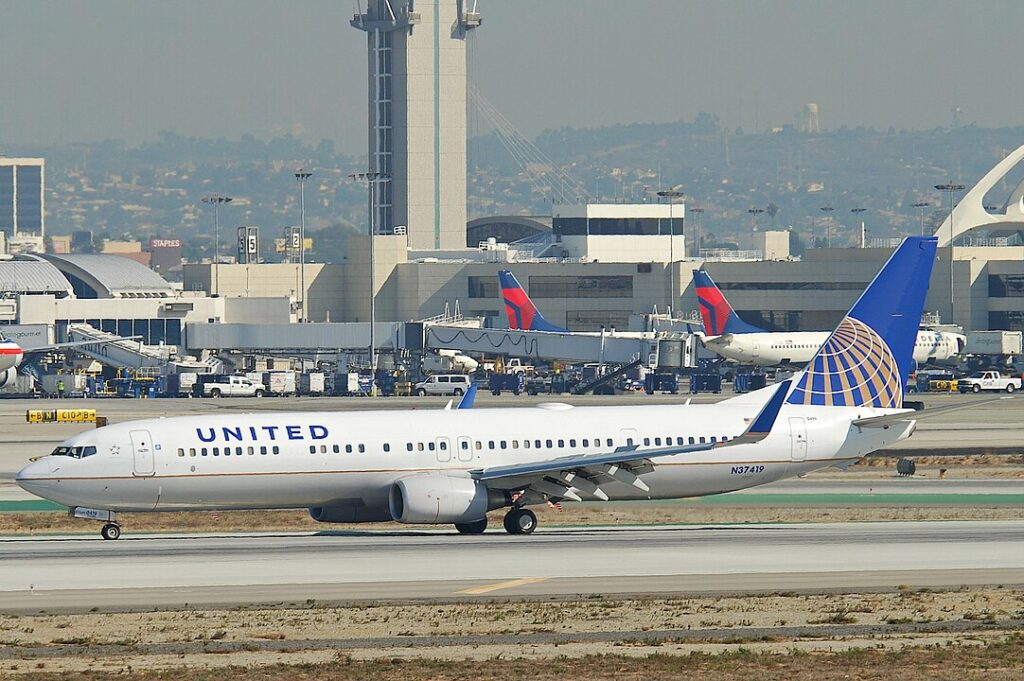
United Looking to Avoid Compensation
It’s evident that United Airlines is not keen on shouldering increased compensation costs, and there may indeed be valid arguments to scrutinize the specifics of any policy issued by the Biden administration. Safety is a crucial factor, but it’s an aspect that Kirby should approach carefully.
For almost a decade, there has been an unwritten rule in the industry: refrain from publicly questioning the safety of other airlines. The practice has been to avoid spreading rumors or casting doubt on the safety of competitors.
However, this norm appears to be eroding in recent times. There have been reports of airline sales teams breaking this norm, possibly as a consequence of significant employee turnover during the pandemic, which may have disrupted established practices.
Historically, the airline industry has recognized that maintaining confidence in safety is essential for the entire sector. Any lapses or even perceived lapses in safety by a competitor were seen as detrimental to the industry as a whole. However, it seems that this perspective may not hold as much sway anymore, especially if you listen to United Airlines’ CEO.
Stay tuned with us. Further, follow us on social media for the latest updates.
Join us on Telegram Group for the Latest Aviation Updates. Subsequently, follow us on Google News.