WASHINGTON- NASA and the Federal Aviation Administration (FAA) have formed a research transition team to steer the advancement of wildland fire technology.
According to the U.S. Forest Service, wildland fires occur more frequently and on a larger scale than in previous decades. Emergency responders will require a broader range of technologies to prevent, monitor, and combat these growing fires more effectively.
NASA and FAA to Develop Wildfire Technology
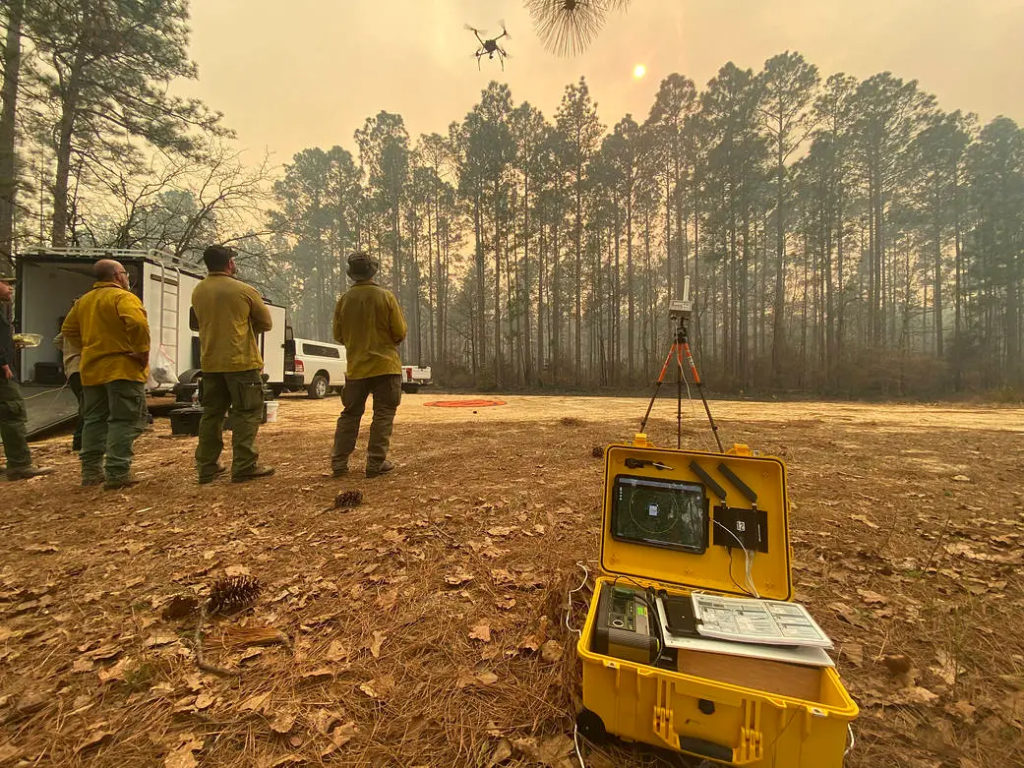
NASA and the FAA, under the Wildland Fire Airspace Operations research transition team, will develop and test new technologies and concepts to enhance airspace integration.
Current aerial firefighting operations are restricted to when aircraft have clear visibility to avoid the risk of flying into terrain or colliding with other aircraft.
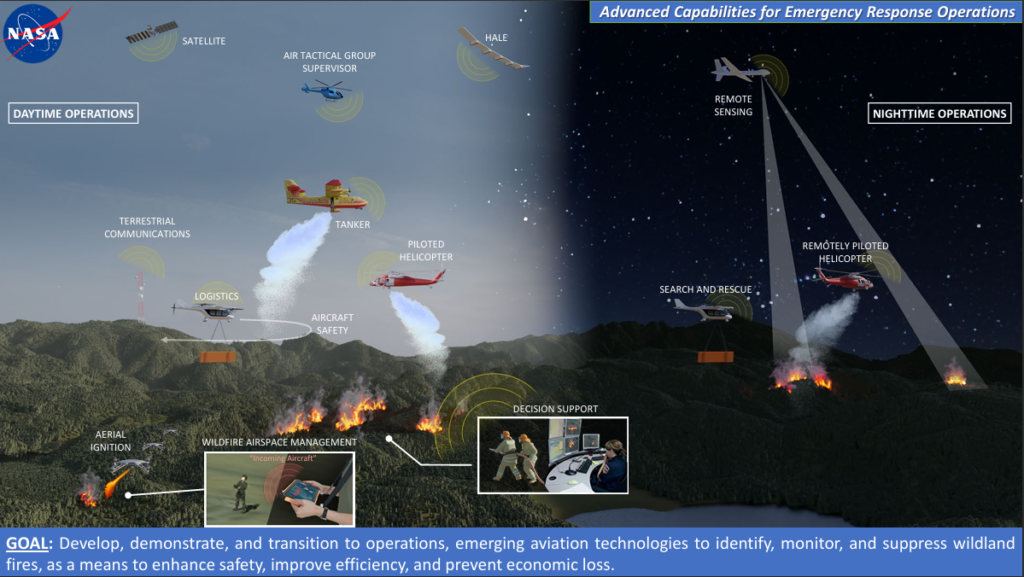
Drones could mitigate this limitation by enabling responders to remotely monitor and suppress these fires during nighttime and low visibility conditions, such as periods of heavy smoke.
However, advanced airspace management technologies are necessary to allow these unmanned aircraft to stay safely separated and enable aircraft operators to maintain situational awareness during wildland fire management response operations.
ACERO Project
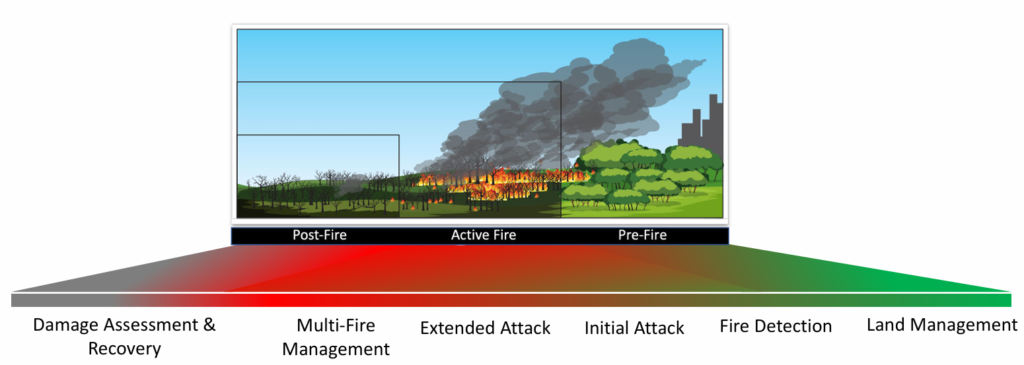
In the next four years, NASA’s Advanced Capabilities for Emergency Response Operations (ACERO) project, in partnership with the FAA, will focus on developing new concepts and technologies for airspace access and traffic management to support wildland fire operations.
These advancements will contribute to shaping a concept of operations for the future of wildland fire management, a project currently under development by NASA and other government agencies.
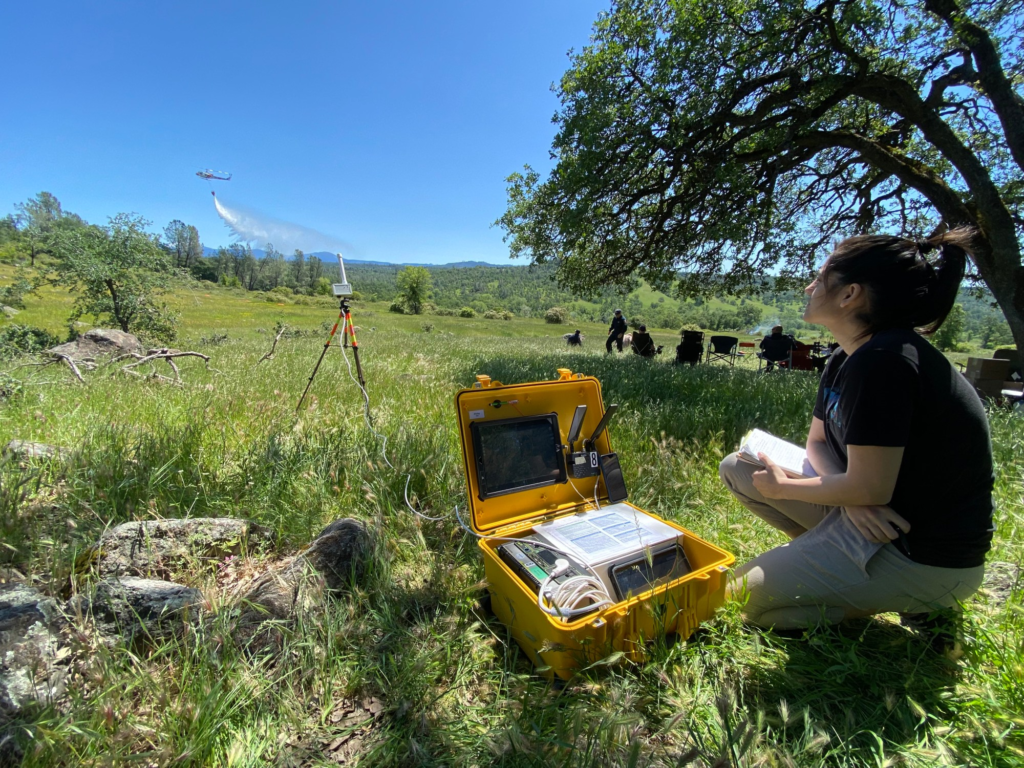
The team will test and validate unmanned aircraft technologies for use by both commercial industry and government agencies, laying the groundwork for integrating them into future wildland fire operations.
ACERO builds upon previous NASA Aeronautics research, including the Scalable Traffic Management for Emergency Response Operations project and the Unmanned Aircraft System Traffic Management project. ACERO’s aviation advancements for wildland fire operations align with NASA’s contributions to the U.S. goal of achieving net-zero aviation greenhouse gas emissions by 2050.
Additionally, the project supports NASA’s Advanced Air Mobility research, which will guide the industry’s development of electric air taxis and drones and assist the Federal Aviation Administration in safely integrating such vehicles into the national airspace.
ACERO is headquartered at NASA’s Ames Research Center in Silicon Valley, operating under the agency’s Aeronautics Research Mission Directorate.
You can read more here: 20220015931_Johnson_JAXA-ACERO_presentation_final.pdf (nasa.gov)
Stay tuned with us. Further, follow us on social media for the latest updates.
Join us on Telegram Group for the Latest Aviation Updates. Subsequently, follow us on Google News.