From the Los Angeles wildfires worsened by unusually dry conditions to flooding in Lanzarote intensified by heavy rainfall, and the Pacific Islands preparing for a future underwater, our changing climate is affecting lives and ecosystems everywhere.
2024 was the hottest year on record since data began in 1880. The Intergovernmental Panel on Climate Change (IPCC) has made it clear: transforming everyday habits to reduce greenhouse gas emissions must be a priority if we are to limit the harmful impacts of the climate crisis.
Travel carries both environmental and cultural costs. But by choosing to travel more responsibly and sustainably, we can help reduce tourism’s negative impact. Swapping flights for trains where possible is one way.
Choosing destinations that support local communities, protect natural habitats, and invest in sustainability is another. Here are seven travel destinations that are leading by example and deserve our support.

1. Aberdeenshire, Scotland
As Scotland transitions toward a Net Zero future, Aberdeenshire is leading the charge by turning away from oil dependency and embracing renewable energy.
Locally owned businesses are at the heart of this shift, offering immersive tourism that blends sustainability with authentic Scottish hospitality.
| Feature | Details |
|---|---|
| Accommodation | Off-grid woodland cabins at Cairngorm Bothies; luxury community-focused stays at Manar House |
| Food & Drink | Barra Farmshop & Kitchen, Forest Farm Organic Dairy, Fish Shop (supporting local producers) |
| Sustainability Focus | Renewable energy and community-based tourism |
| Style of Tourism | Immersive, locally led experiences |
2. Emilia Romagna, Italy
Italy’s agritourism movement has flourished for decades, bringing visitors closer to rural traditions while strengthening communities. In Emilia Romagna, this comes to life through food, farming, and culture that place sustainability at their core.
We have to note that Emilia Romagna is almost at loggerheads with some of the places in Italy that are afflicted with what the World Tourism Organization defines as over-tourism: “the impact of tourism on a destination, or parts thereof, that excessively influences the perceived quality of life of citizens and/or quality of visitor experiences negatively.”
Some critics have argued that figures such as 370 tourists per resident per year will be unsustainable in Venice.
| Feature | Details |
|---|---|
| Initiative | Agritourism project supporting over 20,000 farms and vineyards |
| Focus | Nature and soil conservation, rural development |
| Visitor Experience | Farm stays, winemaking (Albano wine), local food traditions |
| Impact | Profits reinvested into communities beyond Italy’s mainstream tourist hubs |
3. Quito, Ecuador
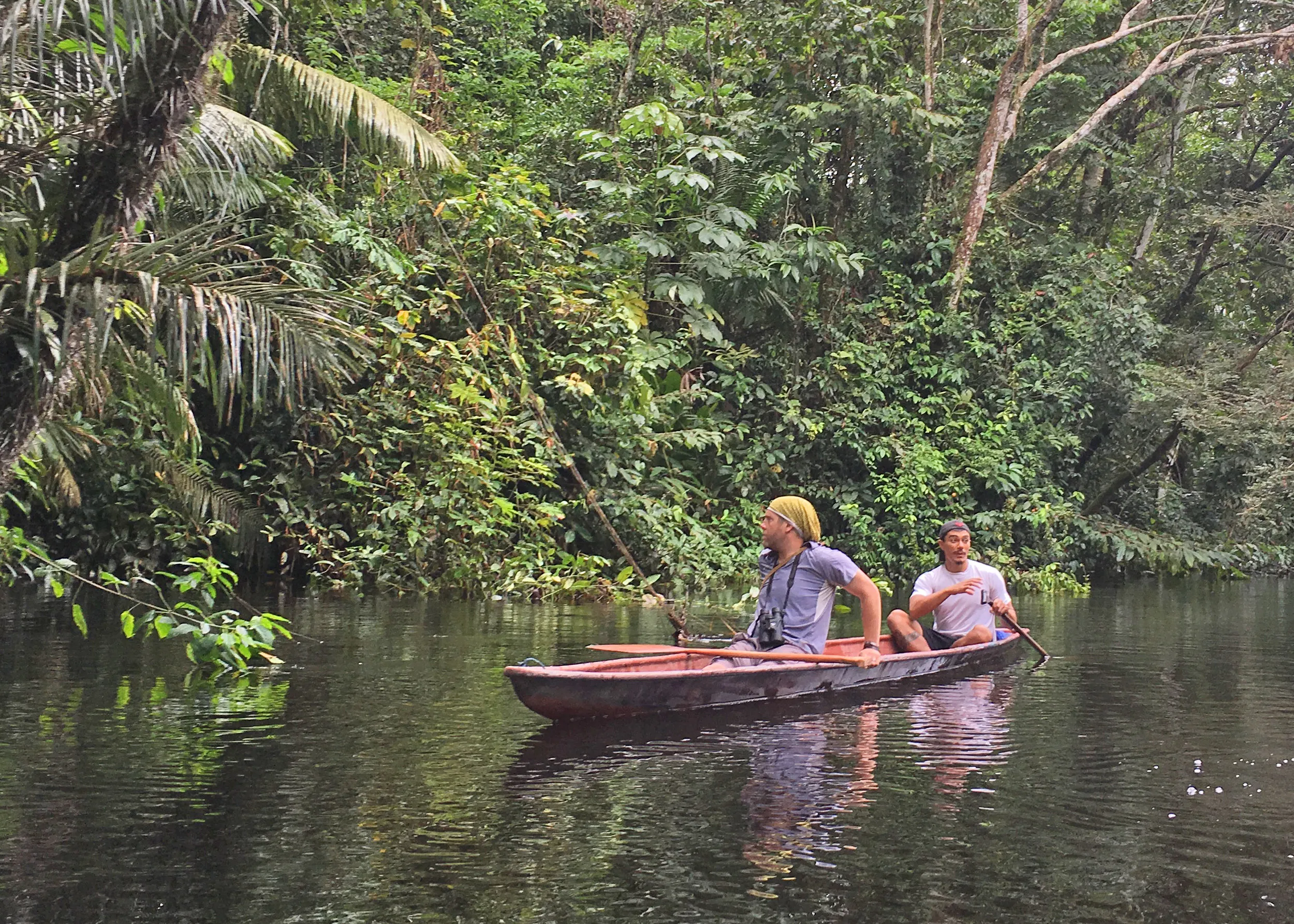
Surrounded by incredible biodiversity, Quito is a gateway to ecosystems where conservation and community are deeply interlinked. From frog-filled cloud forests to ancestral trails, eco-tourism here funds research and sustains rural livelihoods.
Quito, Ecuador’s capital, sits high in the Andes at 2,850 meters, making it the world’s second-highest capital city. Founded on Inca ruins in the 16th century, its well-preserved colonial core is a UNESCO World Heritage Site.
The city reflects a blend of indigenous and Spanish history, with landmarks like the Church of the Society of Jesus and Plaza Grande.
Quito is also surrounded by volcanic peaks, and it serves as a gateway to Ecuador’s extraordinary biodiversity—close to the equator, it provides access to cloud forests, Andean páramo, and the Amazon basin, making it a crossroads of culture, history, and natural richness.
| Feature | Details |
|---|---|
| Biodiversity | 17 ecosystems around Quito |
| Conservation | Mashpi Reserve – 22+ new species discovered, including Mashpi glass frog |
| Community | Yunguilla eco-tours and sustainable agriculture projects |
| Funding Model | Visitor donations and eco-lodge stays fuel conservation work |
4. Wales
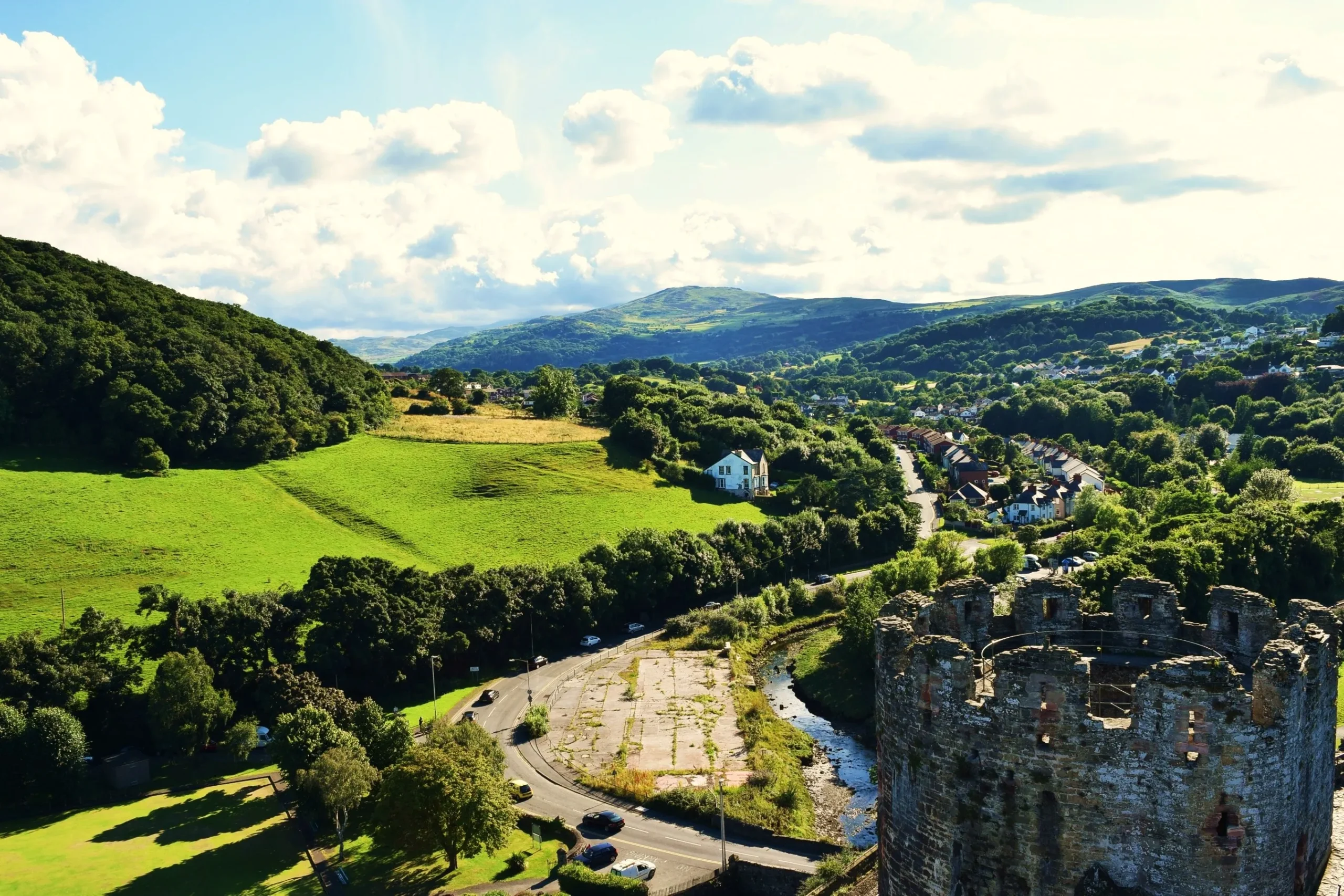
Wales has doubled down on community-first tourism, supporting local farms, guesthouses, and boutique hotels that preserve rural traditions.
The Welsh Government has made sustainability a legal duty, most notably through the Well-being of Future Generations Act 2015, which requires decisions to balance economic, social, cultural, and environmental needs.
Wales was the first UK nation to charge for plastic bags, leading to a dramatic reduction in use.
| Feature | Details |
|---|---|
| Accommodation | Guesthouses, farm stays, boutique hotels |
| Food | Seasonal, locally sourced, organic produce |
| Regions | Anglesey, Eryri (Snowdon), Ceredigion, Pembrokeshire |
| Sustainability Focus | Farm-to-table culture boosting organic farming |
5. Slovenia
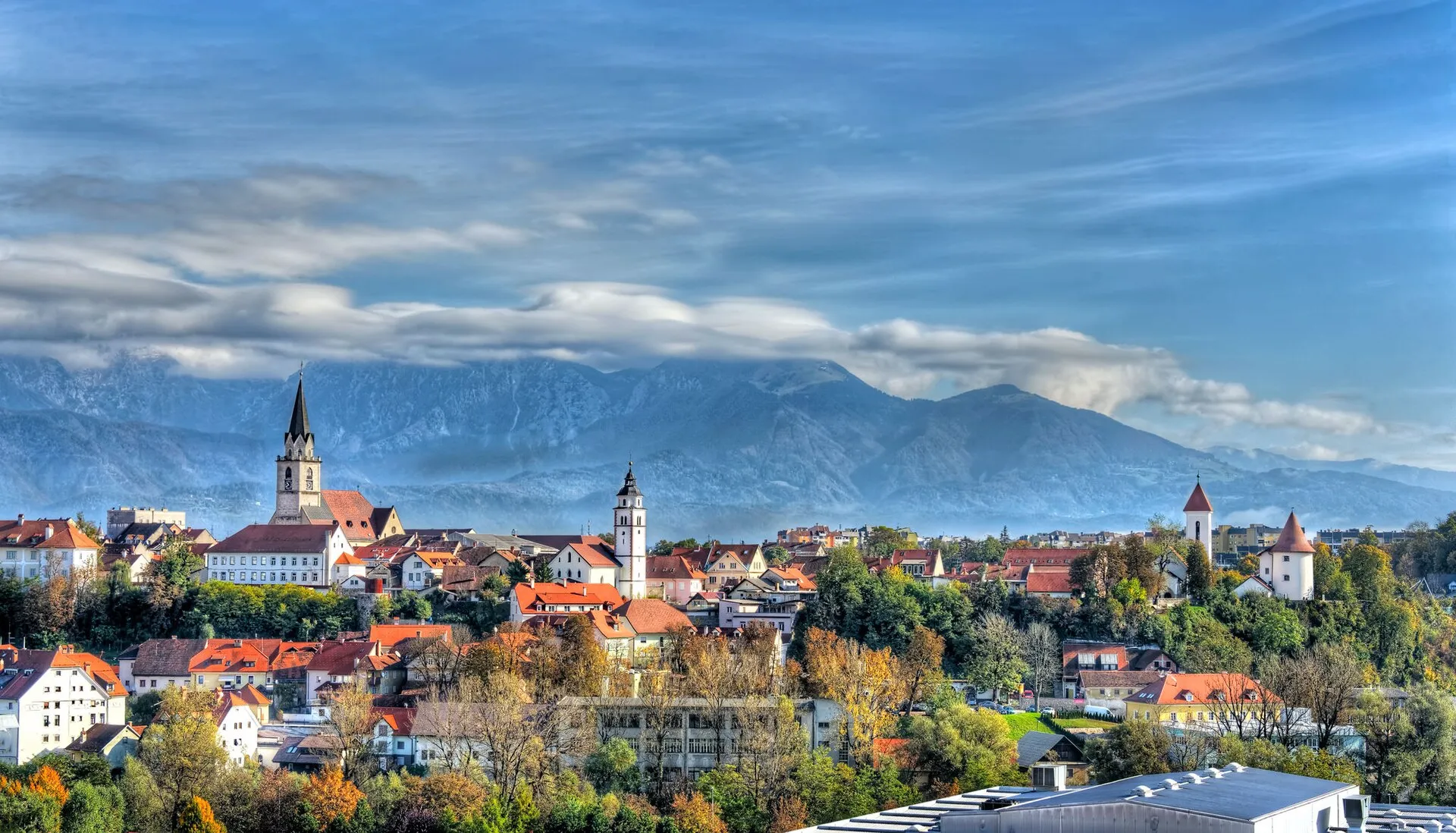
Slovenia has positioned itself as a European sustainability leader, thanks to its pioneering “Green Scheme” certification. This ensures that eco-friendly practices aren’t optional but part of the national tourism DNA.
| Feature | Details |
|---|---|
| Program | “Green Scheme” – national eco-certification |
| Requirements | Environmental reporting, awareness campaigns, reassessment every 3 years |
| Incentive | Certified companies promoted by the national tourist board |
| Example | Ljubljana and a growing list of eco-certified restaurants and hotels |

6. Queensland, Australia
Queensland is Australia’s second-largest state, and it stretches from the lush tropics to the arid outback, earning its nickname “the Sunshine State.” Indigenous cultures here date back tens of thousands of years, with sacred sites and traditions deeply tied to land and sea.
Queensland is world-renowned for biodiversity: the Great Barrier Reef, the planet’s largest coral system, and the ancient Daintree Rainforest showcase its ecological wealth.
However, the Great Barrier Reef is both fragile and resilient: only 7% of the reef is open to visitors, and tourism here is tightly managed to protect marine life while engaging travelers in conservation activities.
| Feature | Details |
|---|---|
| Environmental Challenge | Coral bleaching from climate change |
| Access | Only 7% of the Great Barrier Reef is tourist-accessible |
| Education & Activities | Guardians of the Reef program, coral restoration with Reef Magic, reef science with Passions of Paradise |
| Innovation | Forever Reef Project preserves coral specimens for research and awareness |

7. Costa Rica
Costa Rica is often hailed as the world’s green pioneer, with nearly a third of its land protected and renewable energy powering much of the nation. Its eco-lodges and reserves show how conservation and tourism can coexist harmoniously.
Indigenous communities thrived in Costa Rica long before Spanish colonization in the 16th century, and independence came peacefully in 1821. Unlike many nations, Costa Rica abolished its army in 1949, redirecting resources toward education and conservation.
Though small, it shelters nearly 5% of the world’s species, from cloud forests to mangroves, making it a global leader in ecotourism.
| Feature | Details |
|---|---|
| Ecosystems | Rainforests, volcanoes, savannas, beaches |
| Global Role | Hosts ~6% of the world’s biodiversity |
| Conservation Policy | Rainforests, volcanoes, savannas, and beaches |
| Tourism Examples | Lapa Rios Eco Lodge, Monteverde Cloud Forest Reserve |
| Energy Model | Predominantly renewable energy |
Stay tuned with us. Further, follow us on social media for the latest updates.
Join us on Telegram Group for the Latest Aviation Updates. Subsequently, follow us on Google News