Air travel has changed dramatically in the past couple of decades. In the mid-2010s, airlines focused on premium economy. Many thought first class was fading away. But demand for luxury grew. Today, first class is making a strong comeback.
So, how do business and first class compare? Let’s break down the main differences.
Which Class Is Higher?
First class is the top tier of commercial air travel. Business class is just below it. But not all airlines treat these cabins the same way. Some carriers offer ultra-luxury products, like Etihad’s The Residence, that go beyond even first class.
Quick Comparison Table
| Feature | Business Class | First Class |
|---|---|---|
| Hierarchy | Second highest cabin | Highest cabin |
| Typical Routes | Long-haul international | Long-haul international and flagship routes |
| Exclusivity | Wide availability | Limited, only on select airlines/routes |
Seats and Space
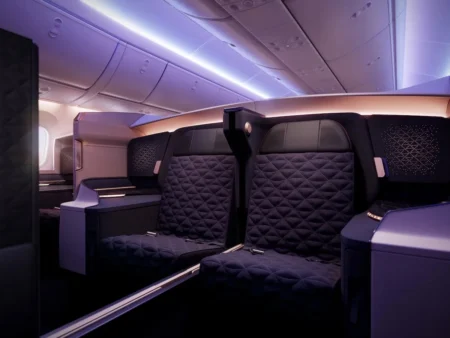
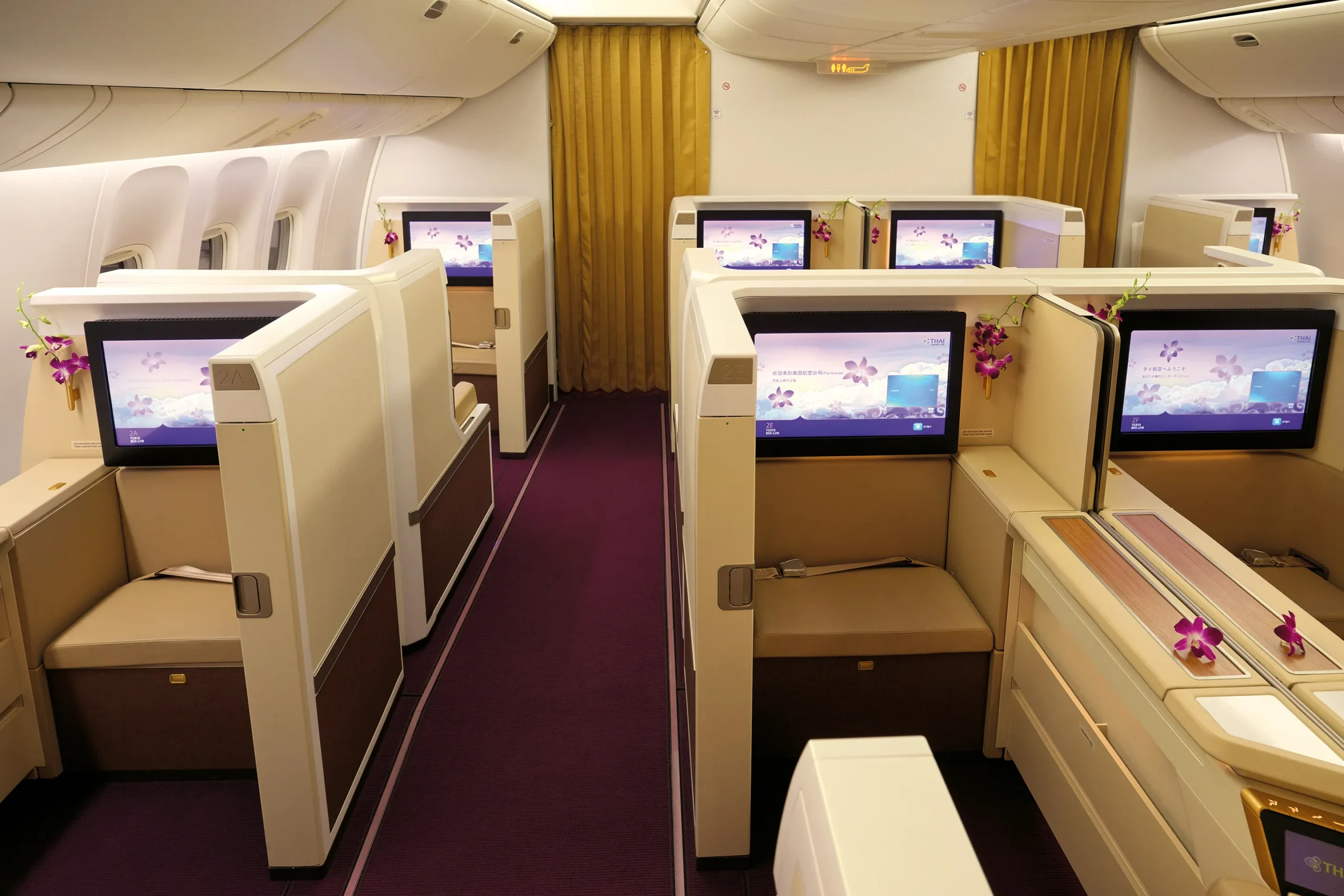
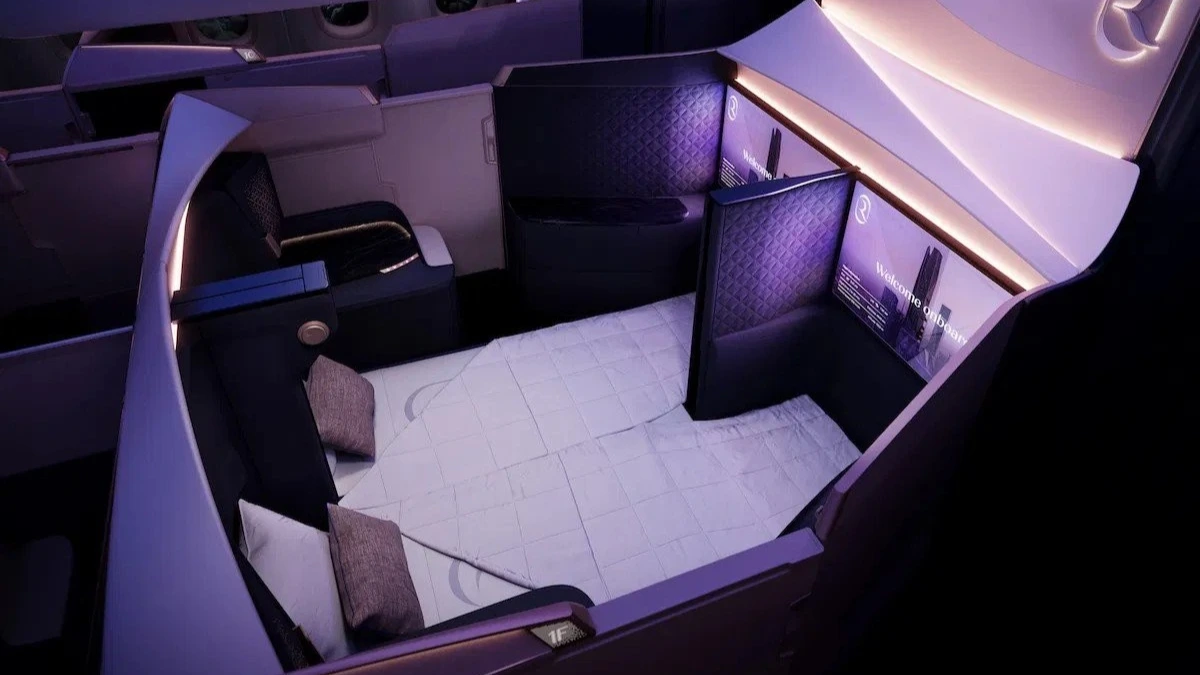
Business class seats usually recline into a flat bed. They are private, but layouts often stagger passengers for efficiency. First class goes further. Passengers get larger personal suites, with doors, full beds, and in some cases, separate seating and sleeping areas.
Seating Comparison
| Feature | Business Class | First Class |
|---|---|---|
| Seat Type | Lie-flat bed, pods or staggered layout | Suites, often with doors or partitions |
| Bed Length | 6–7 feet | Up to 7.5 feet, often with mattress toppers |
| Privacy | Semi-private | Fully private (sometimes double suites) |
| Extras | Adjustable lighting, storage | Personal wardrobe, dedicated seating, sometimes double beds |

Food and Drinks
Both the business class and first class offer premium dining. The difference lies in detail and presentation.
In business class, expect restaurant-style plating, real glassware, and a small menu with pre-order options. In first class, the dining experience is designed to mirror fine dining. Michelin-starred chefs curate menus, champagne is vintage, and service is on demand.
Dining Comparison
| Feature | Business Class | First Class |
|---|---|---|
| Service | Multi-course, dine on demand on some airlines | Gourmet fine dining, fully dine-on-demand |
| Drinks | Premium wines, cocktails | Rare champagnes, vintage wines, curated spirits |
| Presentation | Ceramic plates, glassware | Luxury plating, caviar, multi-course tasting menus |
Amenities
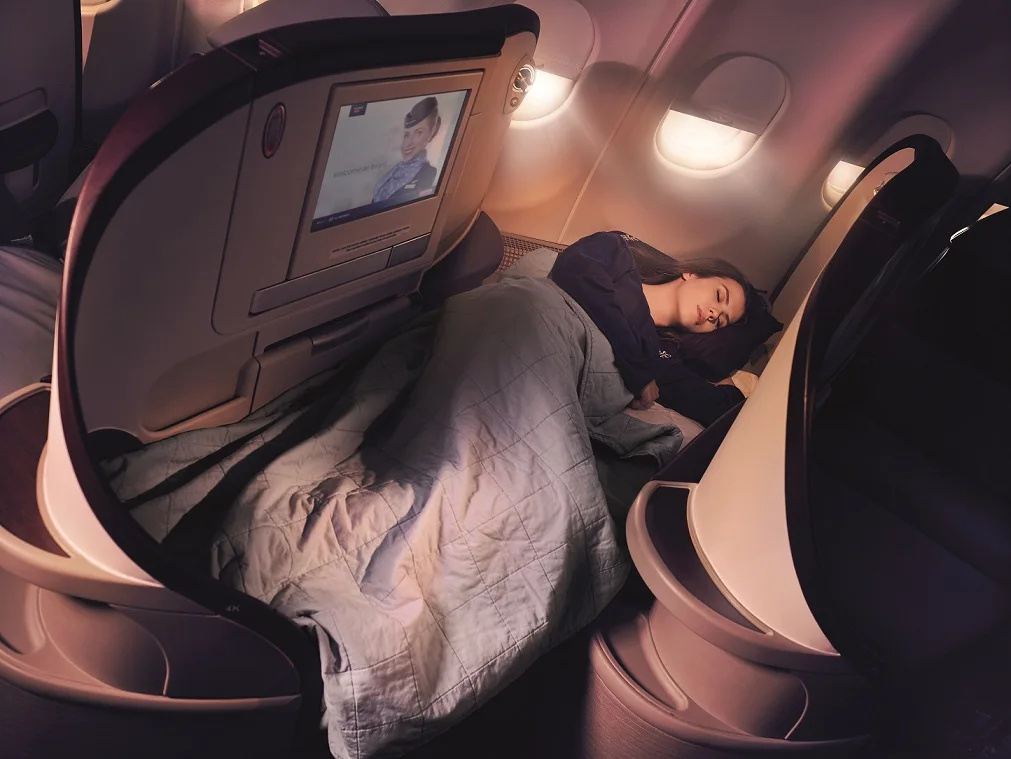
Business class provides comfort for long flights. Lie-flat beds, premium bedding, large screens, and luxury amenity kits are standard.
First class elevates this to a hotel-in-the-sky experience. Expect personal minibars, shower access (such as in the Emirates A380), giant TVs, and designer amenity kits. Some airlines even provide in-flight lounges or dining areas for two inside the suite.
Amenities Comparison
| Feature | Business Class | First Class |
|---|---|---|
| Amenity Kits | Designer brands (Ferragamo, Clarins, etc.) | Luxury kits (Bulgari, Sisley, La Prairie) |
| Entertainment | 15–20 inch screens | 24–32 inch screens |
| Extras | Noise-canceling headphones, bedding | Minibar, shower access, dine-with-a-guest option |
Lounge Experience
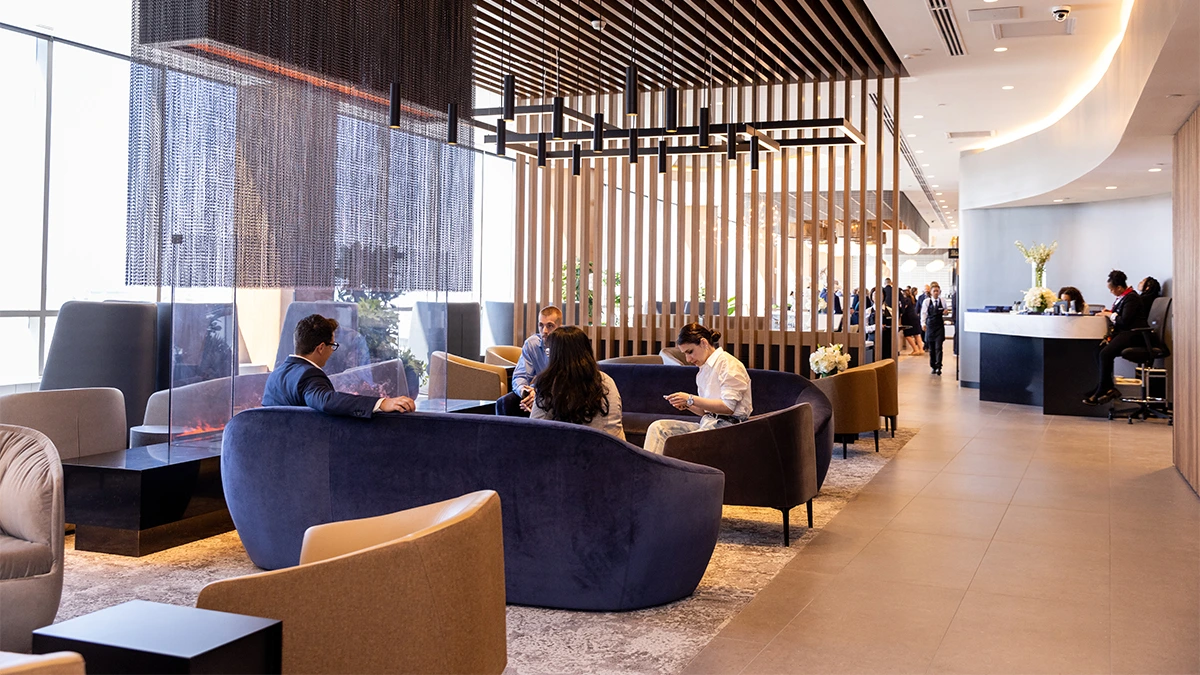
Both business and first class passengers get lounge access. But first-class lounges are often far more exclusive.
For example, Singapore Airlines’ The Private Room at Changi Airport is only for first-class passengers. Lufthansa’s First Class Terminal in Frankfurt even offers a personal driver to the aircraft.
Lounge Comparison
| Feature | Business Class | First Class |
|---|---|---|
| Access | Business lounges at major airports | Dedicated first-class lounges (select airports) |
| Perks | Buffet dining, workstations, showers | Fine dining, private suites, chauffeur service, spa access |
| Boarding | Priority boarding | Chauffeured boarding, private jet bridge |
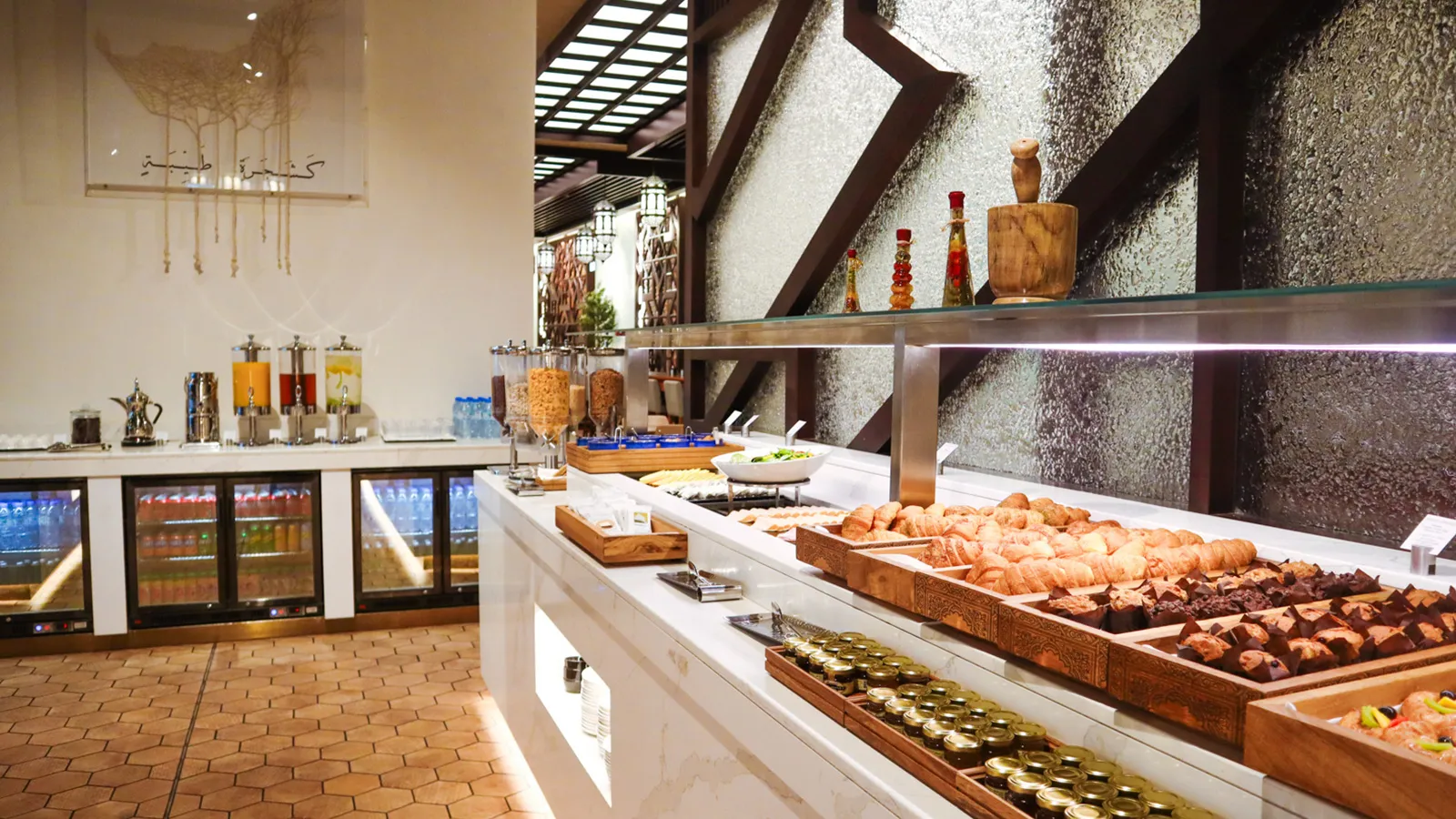
Middle Eastern airlines like Emirates, Qatar Airways, and Etihad are widely recognized for their extraordinary lounge offerings. In business class, passengers typically enjoy spacious lounges with comfortable seating, buffet dining, hot and cold beverages, workstations, and showers.
These lounges provide a relaxing space to work or unwind before boarding. For example, Qatar Airways’ Business Class Lounge in Doha offers a full-service buffet, quiet rooms, and even a cigar lounge, creating a premium experience well beyond standard airport lounges.
Emirates’ first class lounges in Dubai feature private suites, à la carte dining, and a dedicated champagne bar. Etihad’s First Class Lounge and Spa in Abu Dhabi even offers shower suites and chauffeur service to the aircraft. Qatar Airways’ Al Safwa Lounge rivals a five-star hotel, with private cabanas, à la carte fine dining, and personal concierge service.
Onboard Service
Business class crew delivers attentive service. But first class offers a more personalized approach. Flight attendants often serve just one or two passengers each. This results in near one-to-one service.
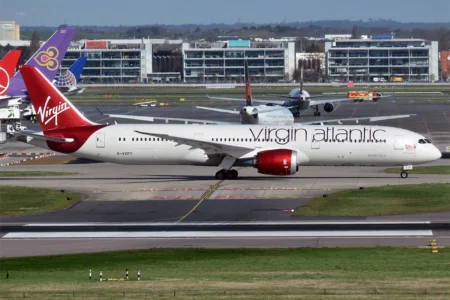
British Airways and Virgin Atlantic provide distinct onboard experiences for business and first-class passengers. In business class, travelers can expect lie-flat seats or fully reclinable seats with generous legroom, high-quality bedding, and attentive cabin crew.
Meals are served on proper tableware with a selection of premium wines and beverages. WiFi, power outlets, and entertainment systems are standard, ensuring passengers can work or relax comfortably throughout the flight. Business class service focuses on efficiency, comfort, and professional attention, making it ideal for frequent travelers.
First class on British carriers, however, elevates the experience significantly. British Airways’ First Class cabins feature fully enclosed suites, luxury bedding, and personalized service from a dedicated crew. Passengers enjoy fine dining prepared by top chefs, premium champagnes, and curated menus with multiple courses.
Virgin Atlantic’s Upper Class offers private suites with mood lighting, direct aisle access, and exclusive bar areas on select aircraft. First class travelers also receive enhanced attention, with cabin crew able to tailor meals, drinks, and service to individual preferences.
Service Comparison
| Feature | Business Class | First Class |
|---|---|---|
| Staff Ratio | 1 crew per 6–8 passengers | 1 crew per 1–3 passengers |
| Style | Professional, attentive | Highly personalized, luxury-focused |
| Touches | Menu choice, welcome drink | Personalized dining, tailored experiences |
Price Differences
The jump in price between business and first class is significant.
For example, an Emirates flight from New York to Dubai costs about $5,500 in business but nearly $22,000 in first class.
This gap means travelers need to weigh whether the additional privacy, space, and service are worth it.
Price Comparison (Example Route: NYC–Dubai)
| Cabin | Average Price |
|---|---|
| Business Class | $5,500 |
| First Class | $22,000 |
Is It Worth the Upgrade?
Business class is already extremely comfortable. Lie-flat seats, premium meals, and lounges make long flights enjoyable.
First class is worth it if you value exclusivity and luxury. It’s less about getting there comfortably and more about experiencing the journey itself.
If budget is a concern, business class is usually the best balance. If money is no object, first class offers the pinnacle of commercial flying.
Final Thoughts
The gap between business and first class has grown again. Airlines are investing heavily in luxury cabins.
Business class is built for comfort and efficiency. First class is built for indulgence and exclusivity. Both offer remarkable upgrades over economy, but they serve different travelers.
In short, business class is for work and rest. First class is for luxury and experience.
Stay tuned with us. Further, follow us on social media for the latest updates.
Join us on Telegram Group for the Latest Aviation Updates. Subsequently, follow us on Google News