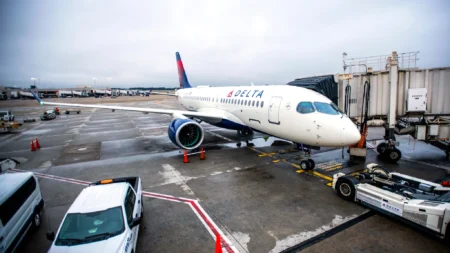
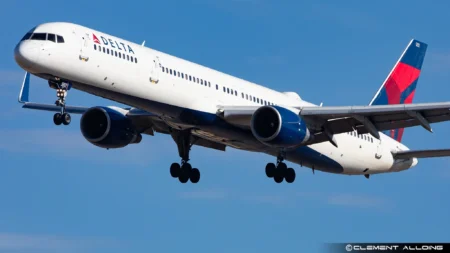
ATLANTA- Thousands of regional flight attendants at Delta Air Lines (DL) have been told to “act your wage” and avoid confrontations with passengers, even over safety-related issues, after their union warned that management may not back them in such disputes.
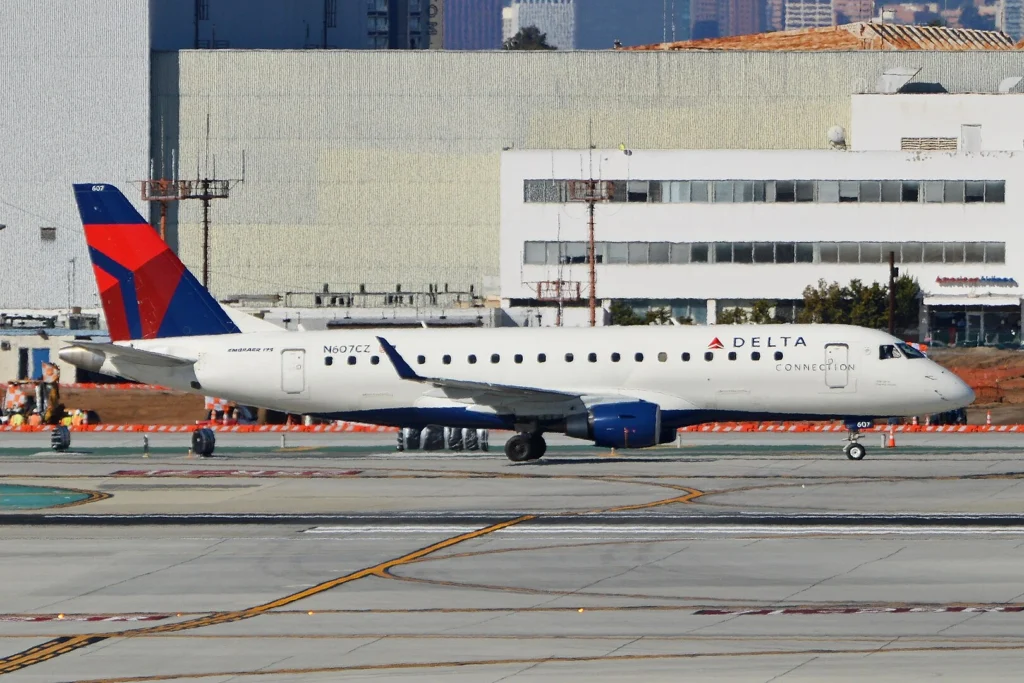
The guidance, issued by the Association of Flight Attendants (AFA-CWA), applies to crew at Endeavor Air, Delta’s wholly owned regional subsidiary operating Delta Connection flights from Hartsfield–Jackson Atlanta International Airport (ATL) and other hubs.
Delta Attendants Told Not to Argue with Passengers
Endeavor Air flight attendants, though working exclusively on Delta-branded flights, are employed by the regional carrier rather than Delta’s mainline operation.
They wear Delta uniforms, serve Delta passengers, and operate under Delta procedures, but the pay gap between the two groups is striking—up to $40 less per hour for regional flight attendants. Unlike mainline Delta crews, they also miss out on the airline’s annual profit-sharing program.
According to PYOK, the AFA-CWA memo emphasized a clear message: the priority is to inform passengers about safety rules, not to enforce them. If a passenger ignores an instruction, the crew’s role ends at notifying the Captain in-flight or a gate agent if still on the ground.
The memo added, “We do not get paid to argue. Just stop. There’s absolutely no need to be extra.”
This guidance, while blunt, reflects a larger shift across U.S. airlines toward de-escalation. The memo’s phrase “Act your wage” captures a sentiment of self-protection within strict job boundaries.
With contract negotiations expected in 2027, union leaders appear focused on keeping members out of disciplinary trouble while highlighting Delta’s contrasting labor approach within its regional network.
The ‘Inform, Not Enforce’ Approach
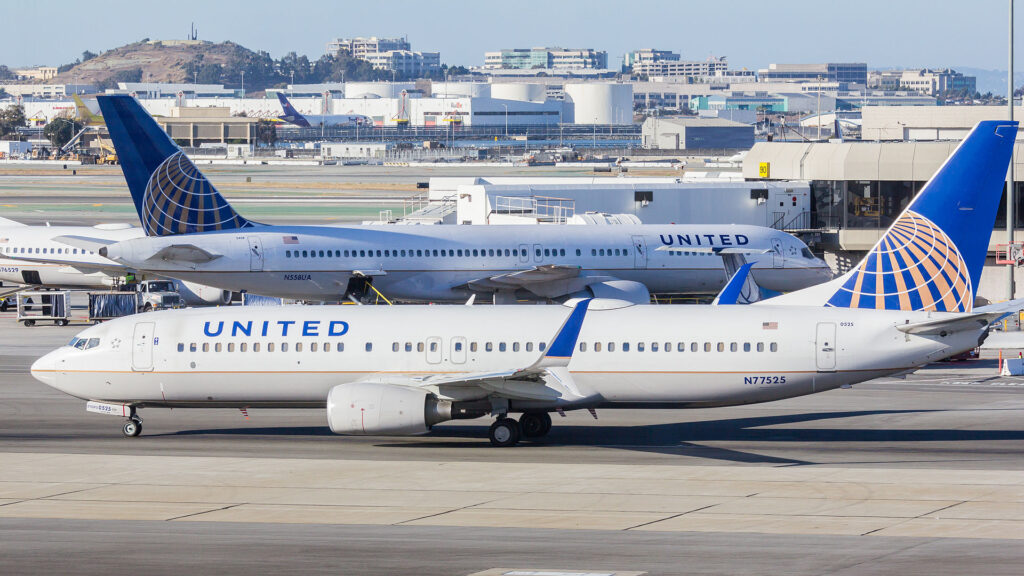
The principle of “inform, not enforce” gained traction after the United Airlines (UA) incident in 2017 involving passenger Dr. David Dao at Chicago O’Hare International Airport (ORD).
United later revamped its training, stressing calm communication and non-confrontational handling of non-compliance.
During the COVID-19 pandemic, this policy proved effective. While other carriers like American Airlines (AA) reported spikes in unruly passenger behavior linked to mask enforcement, United saw relatively few incidents. Flight attendants were instructed to document violations rather than argue, leaving disciplinary follow-ups to corporate teams.
What It Means for Delta’s Regional Crews
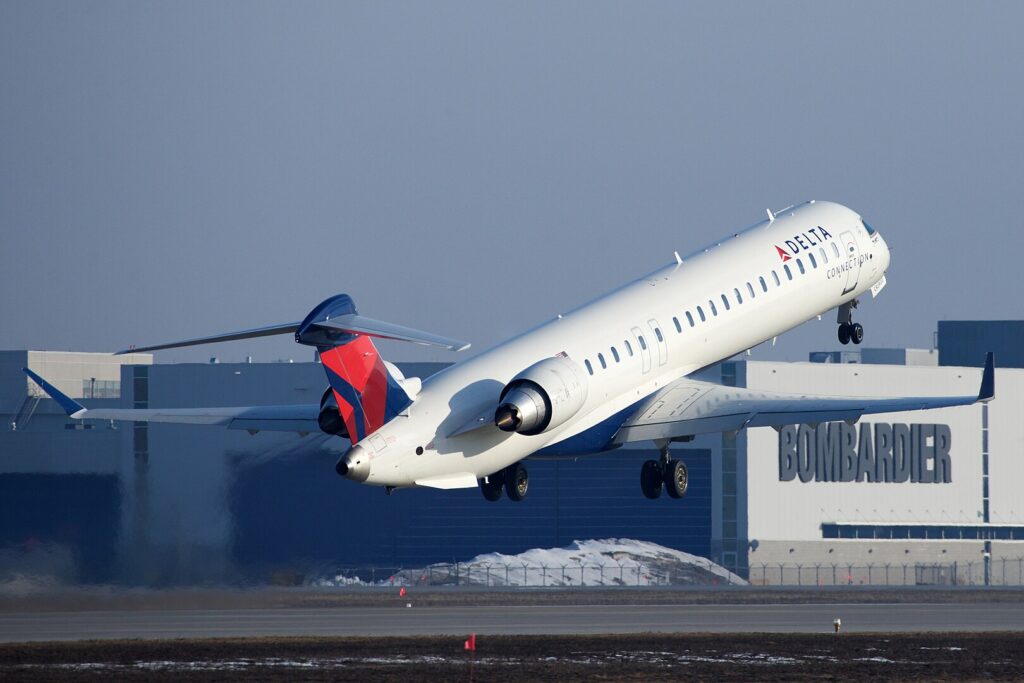
For Endeavor Air (9E) flight attendants, this policy is both a protection and a limitation. It shields them from confrontations that could escalate, but also underscores their lack of managerial backing compared to mainline Delta staff.
The directive essentially reinforces that safety communication stops at notification, not enforcement.
Union representatives argue that until contract terms improve, the safest path is to avoid conflicts altogether. They remind members that while they uphold passenger safety, enforcement is not their legal duty—command authority ultimately rests with the Captain.
Industry Reflection
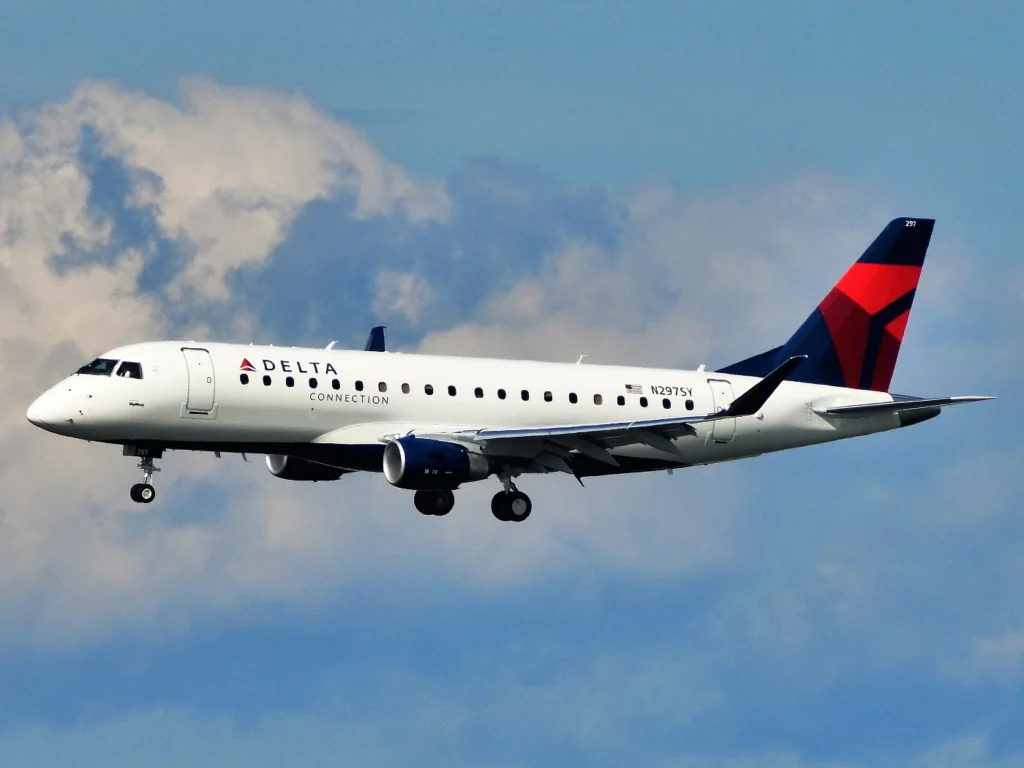
Experts note that this memo reflects broader labor and operational tensions within U.S. aviation. Regional carriers remain a cost-control tool for major airlines, but such arrangements often leave employees navigating mixed loyalties—serving one brand while employed by another.
As the 2027 contract talks approach, Delta’s regional crews may push harder for parity with their mainline counterparts.
For now, the union’s message is pragmatic: follow procedures, stay professional, and let management handle the fallout.
Stay tuned with us. Further, follow us on social media for the latest updates.
Join us on Telegram Group for the Latest Aviation Updates. Subsequently, follow us on Google News