ISTANBUL— Turkish Airlines (TK) announced a landmark investment of 100 billion Turkish liras (over $2.3 billion) to build what it calls the world’s largest cargo terminal and an in‑flight catering facility. The carrier said the investment underscores its long‑term vision to expand capacity in cargo handling and ground services.
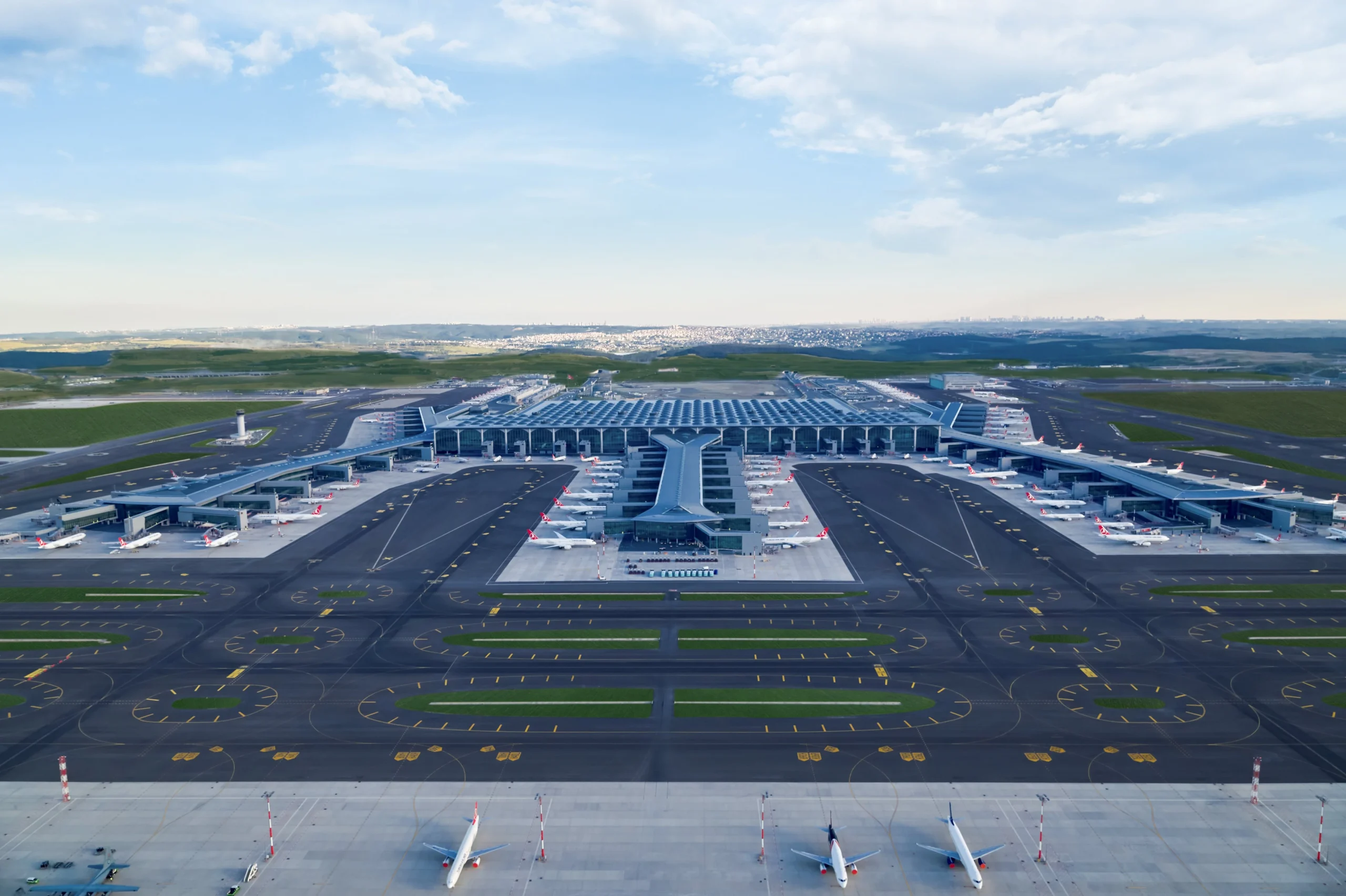
Istanbul Airport (IST), Türkiye’s commercial hub and home to two major international airports, is widely expected to host the new facilities once plans are finalised. The airline confirmed that construction will generate 26,000 new jobs, contributing to the broader aviation and logistics ecosystem.
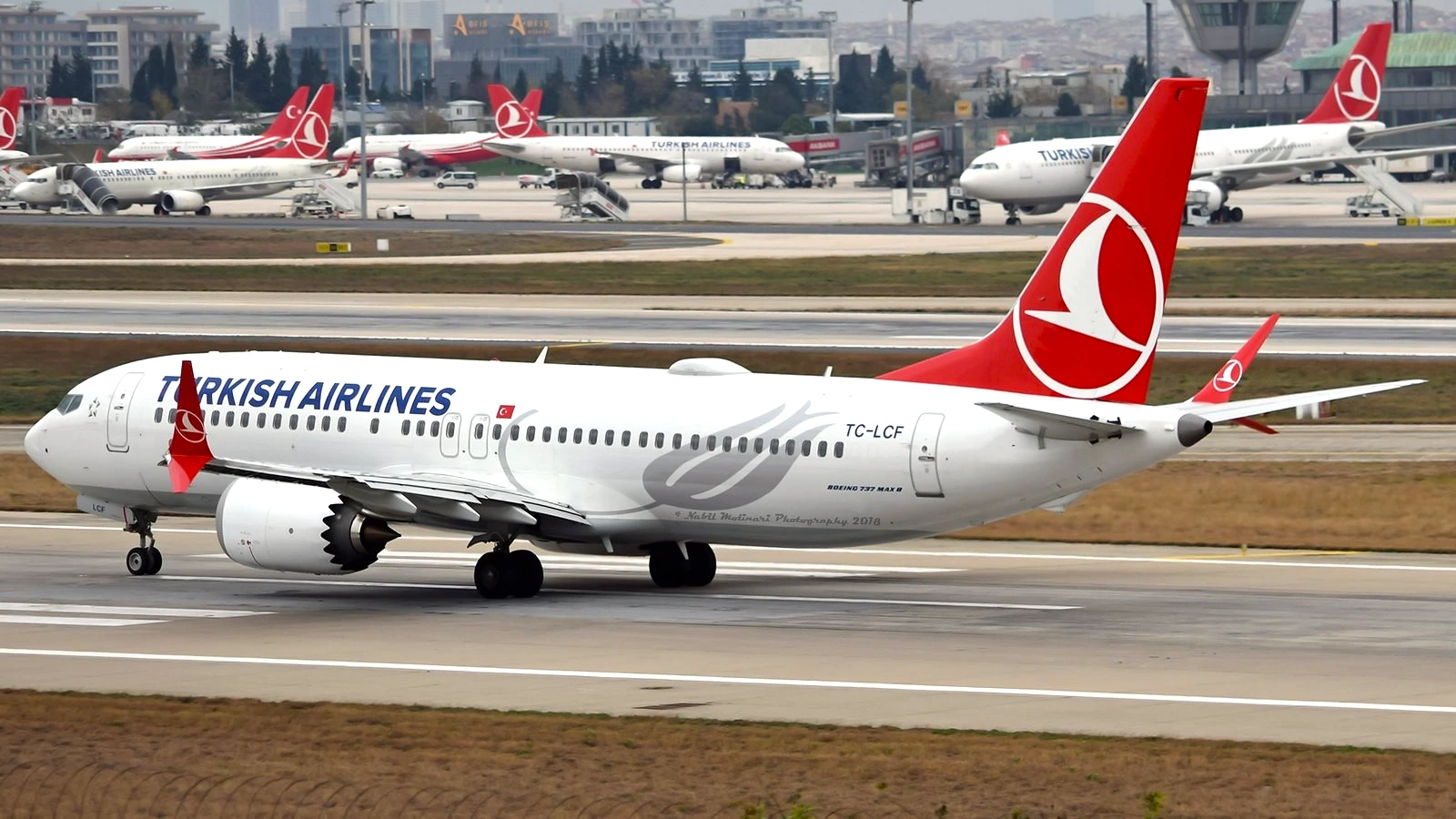
Turkish Airlines Plans New Cargo Hub
Turkish Airlines said on its social platform NSosyal that the investment reflects the country’s growth trajectory and the airline’s expanding global role. The carrier’s leadership noted that bolstering infrastructure is key to meeting future demand in cargo traffic and airline services.
The airline currently moves more than 2 million tonnes of cargo annually, positioning it as a leading global air cargo operator.
Officials noted that the new cargo terminal will incorporate modern logistics technology to improve efficiency and turnaround times. The in‑flight catering facility will serve both domestic and international flights, supporting the carrier’s wide global reach and operational scale.
Turkish Airlines’ commitment to the project signals confidence in long‑term demand trends for air cargo and ancillary airline services.
The carrier plans to align the timing of construction with its broader fleet and network expansion goals. Turkish Airlines aims to integrate the new facilities into its existing operational base in a seamless manner.
Strategic Growth Plans
On Tuesday, Turkish Airlines’ CEO Bilal Eksi reaffirmed the carrier’s ambition to become one of the world’s top five airlines by 2033. He said the airline’s planned fleet expansion will see it reach 813 aircraft by that year.
Currently, the airline operates a fleet of 514 aircraft, reflecting steady growth over recent years. Eksi noted that expanding cargo and support infrastructure is integral to sustaining the airline’s broader network ambitions.
The enhanced logistics capability will improve service reliability and support increased freight volumes. Turkish Airlines’ strategic blueprint includes simultaneous growth in passenger services and cargo operations.
Air cargo has grown in relevance as global trade patterns evolve, and Turkish Airlines seeks to capitalise on this momentum. The airline’s extensive route network, which spans continents, positions it well to integrate the new facilities into global supply chains.
Economic Impact
The investment will have a significant impact on the region’s economy, particularly through the creation of tens of thousands of jobs. Turkish Airlines said the project will support roles in construction, logistics, operations, and ancillary services.
Officials also highlighted the potential for broader economic stimulation through increased cargo throughput and enhanced service provision.
The project positions Turkish Airlines to compete with leading global logistics hubs by increasing its cargo handling capacity.
The move may also attract additional business from freight partners and logistics firms seeking efficient gateway facilities. As freight demand evolves, infrastructure of this scale could play a pivotal role in shaping regional supply chains.
Bottom Line
Turkish Airlines’ $2.3 billion investment in what it terms the world’s largest cargo terminal and in‑flight catering facility represents a major strategic initiative.
With 26,000 jobs expected to result from the project and plans aligned to long‑term growth targets, the investment anchors the airline’s ambition to enhance cargo operations and overall global footprint.
Stay tuned with us. Further, follow us on social media for the latest updates.
Join us on Telegram Group for the Latest Aviation Updates. Subsequently, follow us on Google News