Global aviation demand remained strong in February 2026, with airports such as Dubai International Airport (DXB), a Middle East hub, Atlanta Hartsfield-Jackson International Airport (ATL), and London Heathrow Airport (LHR), Europe’s aviation market leader, maintaining stable capacity levels and ranking among the top global gateways.
Airlines, including Emirates (EK), Delta Air Lines (DL), China Eastern Airlines (MU), and All Nippon Airways (NH), played a central role in sustaining seat growth across key intercontinental corridors. The rankings highlight steady expansion in Asia-Pacific markets and resilient long-haul connectivity across Europe and North America.

https://commons.wikimedia.org/wiki/File:Atlanta_Airport_%E2%80%93_Hartsfield-Jackson_Atlanta_International_Airport_in_Georgia_19.jpg
Busiest Global Airport Rankings
Dubai International secured first place globally with 4.90 million seats in February 2026. Its sustained growth reflects continued long-haul demand connecting Europe, Asia, and Africa through the Gulf hub.
Atlanta Hartsfield-Jackson ranked second with 4.60 million seats. The airport maintained consistent domestic connectivity while supporting international expansion through major U.S. carriers.
Shanghai Pudong International Airport (PVG) climbed into third position after recording a strong 7 percent year-on-year increase, reaching 4.28 million seats. The rise underscores China’s accelerating recovery in international and regional aviation markets.
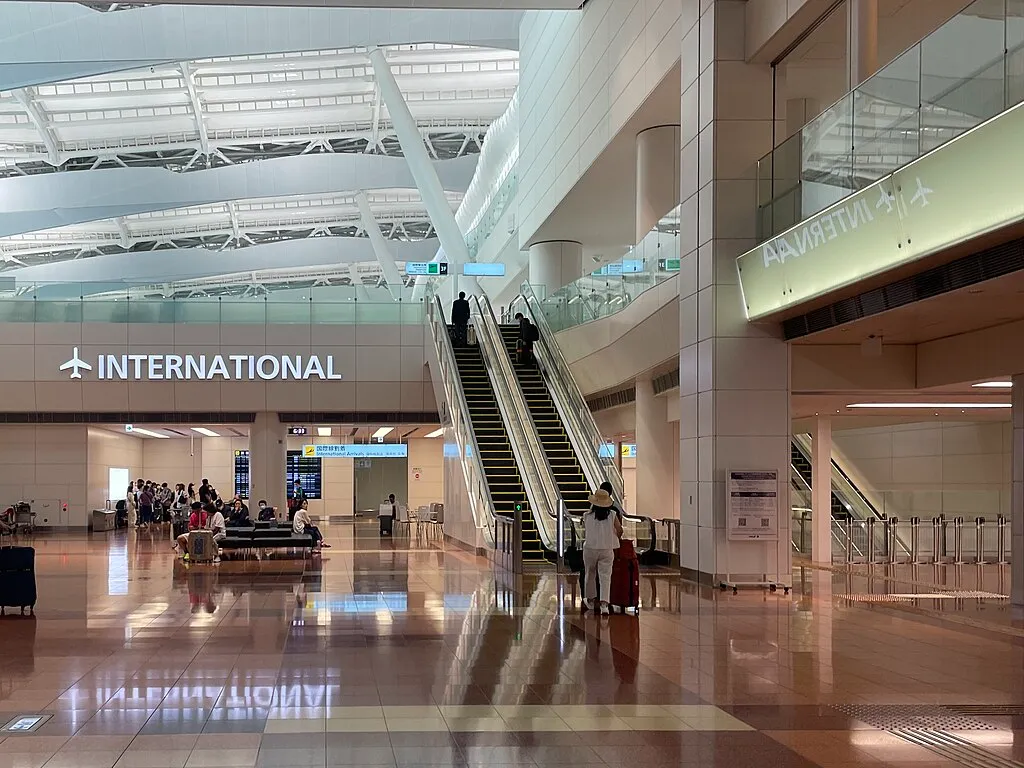
Tokyo Haneda Airport (HND) placed fourth despite a slight 1 percent capacity decline, totaling 4.18 million seats. The airport remains a vital domestic and international gateway for Japan.
Guangzhou Baiyun International Airport (CAN) delivered one of the strongest performances in the top ten, growing by 15 percent to 4.17 million seats and securing fifth place. Delhi Indira Gandhi International Airport (DEL) followed in sixth position with 3.87 million seats, marking a 7 percent annual increase.
London Heathrow held seventh place with 3.86 million seats and a stable year-on-year performance. Chicago O’Hare International Airport (ORD) entered eighth place after a notable 15 percent increase, reaching 3.71 million seats.
Istanbul Airport (IST) ranked ninth with 3.68 million seats, reflecting a moderate 2 percent growth. Dallas/Fort Worth International Airport (DFW) completed the top ten with 3.68 million seats, showing no significant change compared to February 2025.
Top 10 Busiest Airports in the World – February 2026
| Rank | Airport | IATA Code | February 2026 Seats (Millions) | Year-on-Year Change |
|---|---|---|---|---|
| 1 | Dubai International Airport | DXB | 4.90 | +2% |
| 2 | Atlanta Hartsfield-Jackson International Airport | ATL | 4.60 | +1% |
| 3 | Shanghai Pudong International Airport | PVG | 4.28 | +7% |
| 4 | Tokyo Haneda Airport | HND | 4.18 | -1% |
| 5 | Guangzhou Baiyun International Airport | CAN | 4.17 | +15% |
| 6 | Delhi Indira Gandhi International Airport | DEL | 3.87 | +7% |
| 7 | London Heathrow Airport | LHR | 3.86 | 0% (Stable) |
| 8 | Chicago O’Hare International Airport | ORD | 3.71 | +15% |
| 9 | Istanbul Airport | IST | 3.68 | +2% |
| 10 | Dallas/Fort Worth International Airport | DFW | 3.68 | 0% |
Data: OAG
International Traffic Leaders
Dubai International also remained the busiest international airport worldwide in February 2026. Its 4.90 million seats were largely driven by transfer passengers and long-haul operations linking multiple continents.
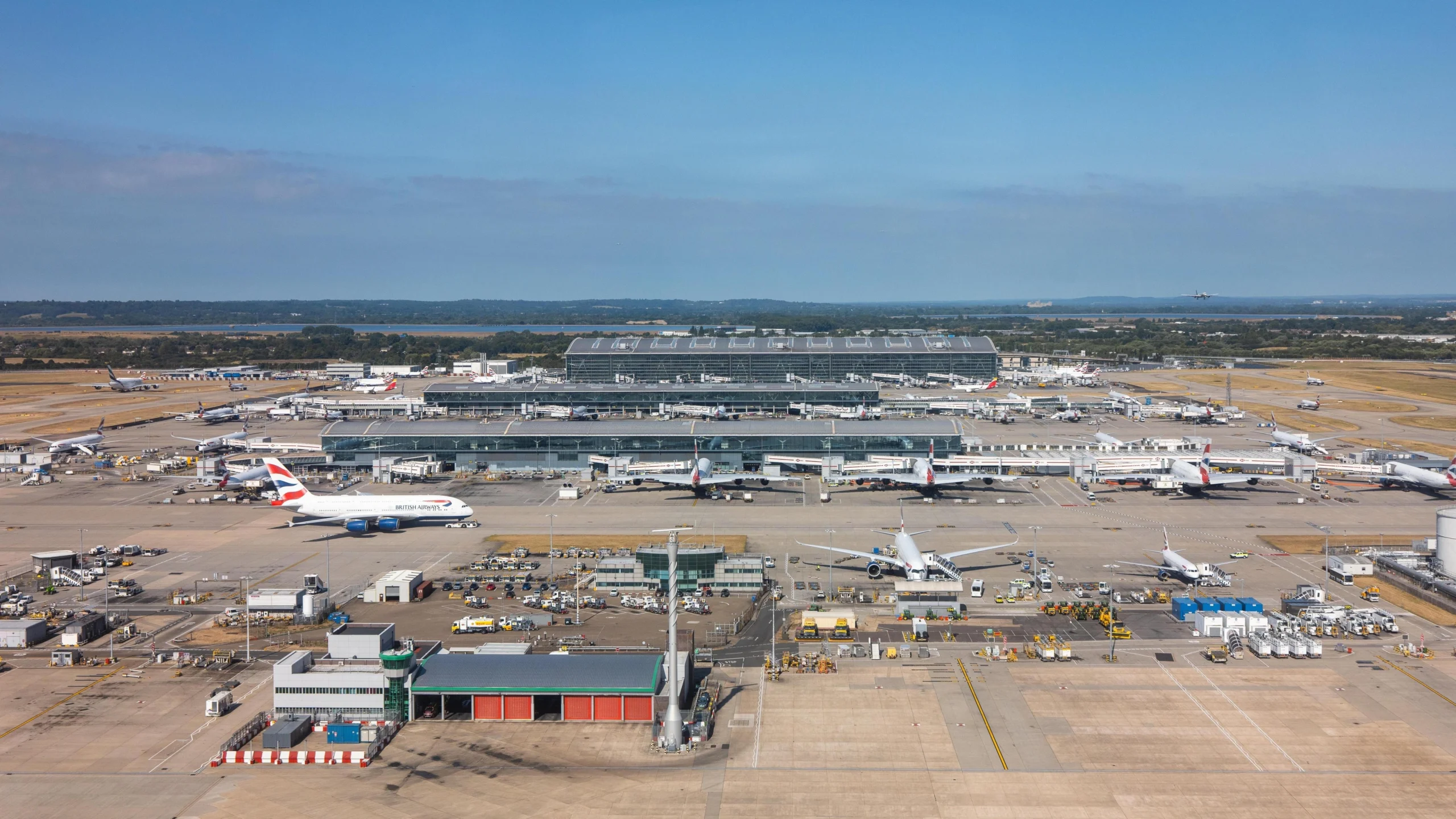
London Heathrow secured second position among international hubs with 3.61 million seats. The airport maintained consistent connectivity across North America, Europe, and Asia despite capacity constraints.
Seoul Incheon International Airport (ICN) ranked third with 3.55 million seats, reflecting 5 percent growth year-on-year. Singapore Changi Airport (SIN) followed in fourth place after increasing capacity by 4 percent to 3.44 million seats.
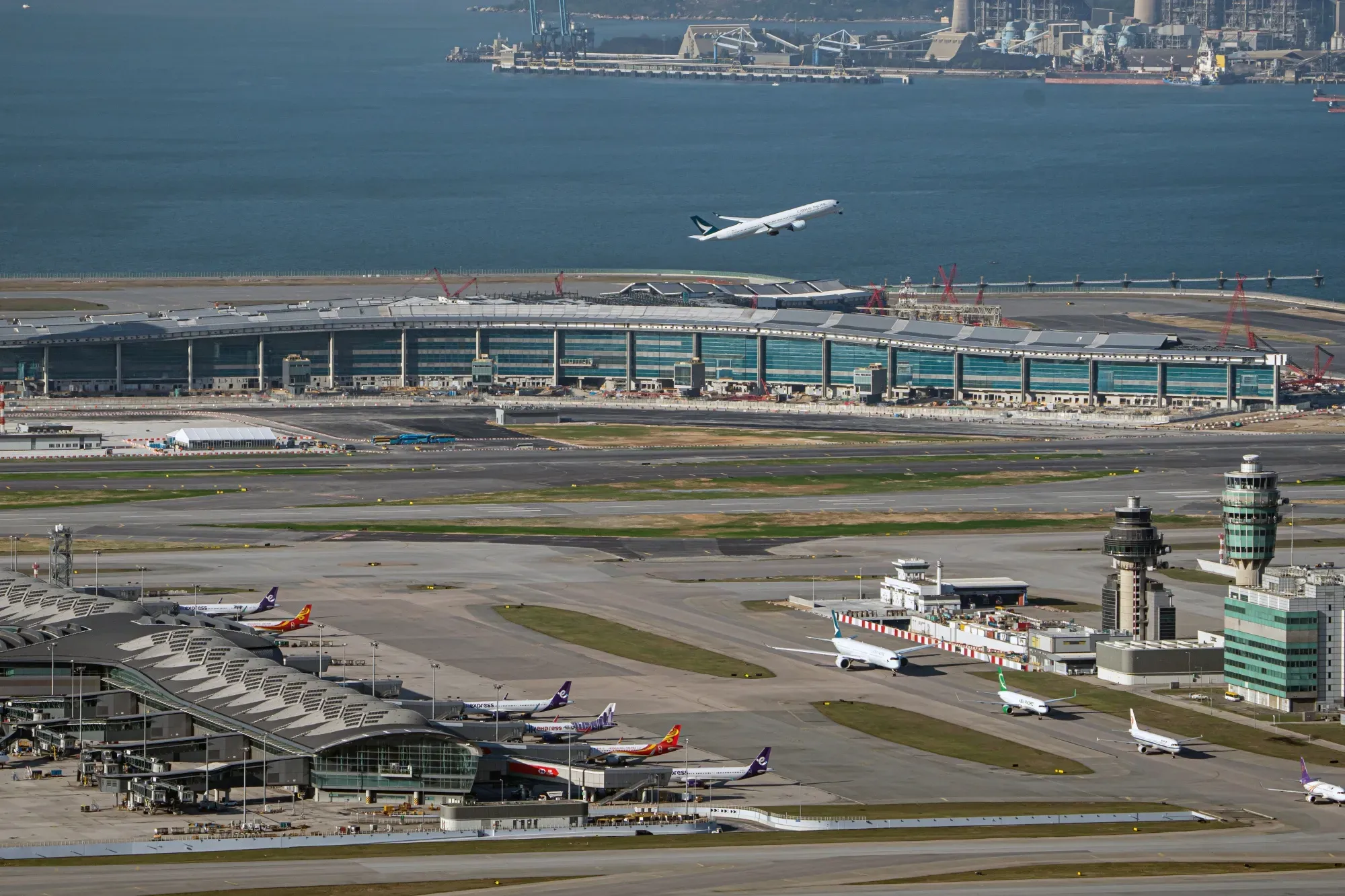
Hong Kong International Airport (HKG) demonstrated one of the strongest rebounds in the top ten international rankings. It expanded capacity by 12 percent year-on-year to 3.28 million seats, signaling sustained recovery in East Asian markets.
Istanbul Airport maintained sixth place in international capacity rankings with 2.98 million seats. The airport continues to strengthen its role as a global transit hub connecting Europe, Asia, and the Middle East.
Amsterdam Airport Schiphol (AMS) reported a modest 2 percent decline to 2.87 million seats, while Paris Charles de Gaulle Airport (CDG) remained stable at 2.79 million seats. Bangkok Suvarnabhumi Airport (BKK) recorded 2.74 million seats, reflecting a 5 percent growth, and Doha Hamad International Airport (DOH) reached 2.56 million seats after a 6 percent increase.
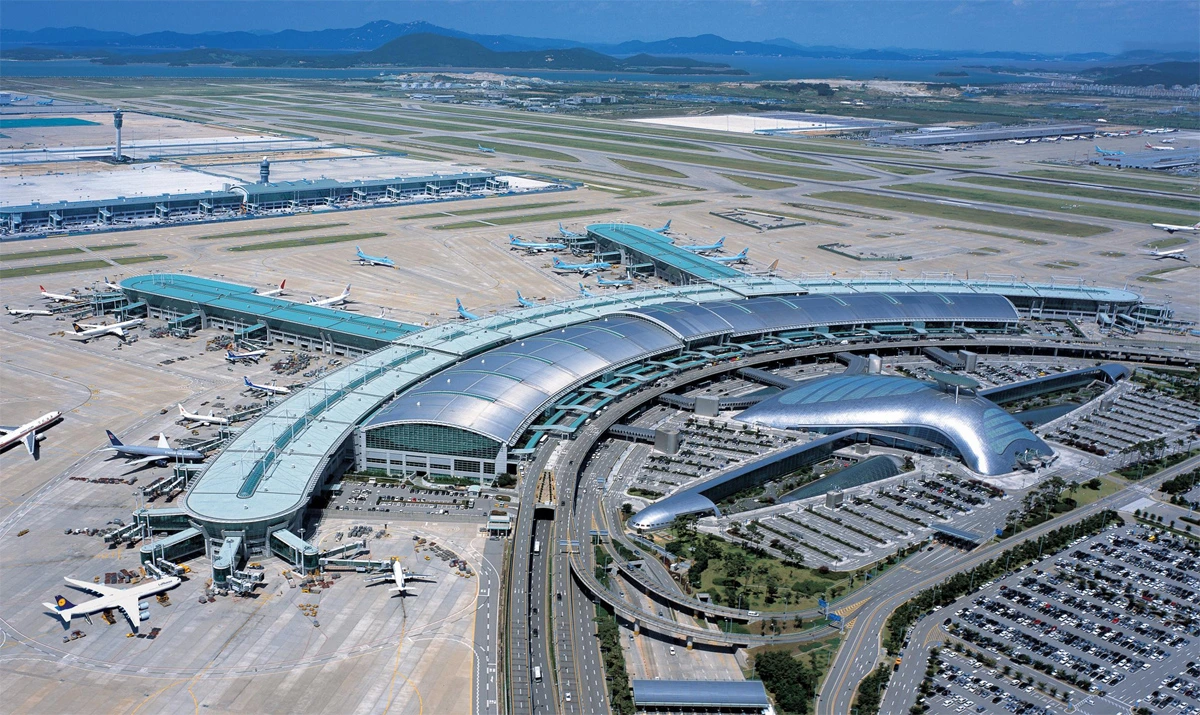
Top 10 Busiest International Airports – February 2026
| Rank | Airport | IATA Code | February 2026 Seats (Millions) | Year-on-Year Change |
|---|---|---|---|---|
| 1 | Dubai International Airport | DXB | 4.90 | +2% |
| 2 | London Heathrow Airport | LHR | 3.61 | Stable |
| 3 | Seoul Incheon International Airport | ICN | 3.55 | +5% |
| 4 | Singapore Changi Airport | SIN | 3.44 | +4% |
| 5 | Hong Kong International Airport | HKG | 3.28 | +12% |
| 6 | Istanbul Airport | IST | 2.98 | +2% |
| 7 | Amsterdam Airport Schiphol | AMS | 2.87 | -2% |
| 8 | Paris Charles de Gaulle Airport | CDG | 2.79 | Stable |
| 9 | Bangkok Suvarnabhumi Airport | BKK | 2.74 | +5% |
| 10 | Doha Hamad International Airport | DOH | 2.56 | +6% |
Data: OAG

Regional Growth Trends
Asia-Pacific airports demonstrated the strongest overall growth in February 2026. Shanghai Pudong, Guangzhou Baiyun, and Delhi all reported year-on-year gains exceeding global averages, indicating continued capacity restoration and new route launches.
Middle Eastern hubs maintained their competitive advantage in long-haul connectivity. Dubai and Doha benefited from strong transit demand, while Istanbul leveraged its geographic position to support expansion across three continents.
North American airports displayed stable but moderate growth. Atlanta and Dallas/Fort Worth sustained large domestic networks, and Chicago O’Hare recorded significant capacity increases supported by expanded international services.
European airports showed mixed performance during the month. London Heathrow and Paris Charles de Gaulle maintained stable operations, while Amsterdam experienced a slight capacity contraction due to slot and operational adjustments.
Overall, February 2026 data reflect a balanced global aviation recovery. Seat capacity growth remains strongest in Asia and the Middle East, while North America and Europe demonstrate steady consolidation.
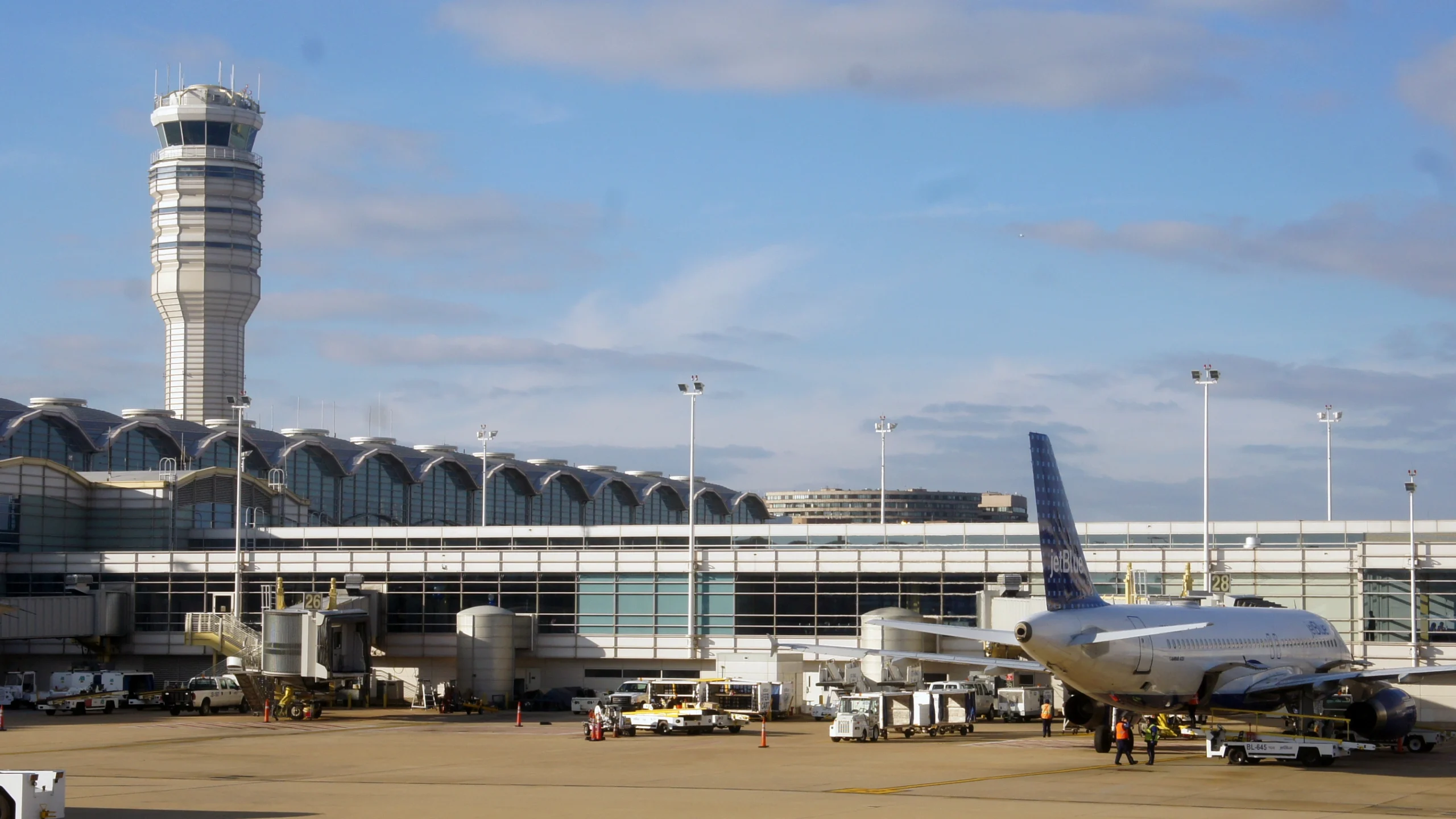
Airports With Biggest Capacity Growth
Several airports recorded double-digit seat growth in February 2026, signaling strong regional recovery and network expansion. Guangzhou Baiyun International Airport (CAN) and Chicago O’Hare International Airport (ORD) both posted 15 percent year-on-year increases, the highest among the global top ten.
Shanghai Pudong International Airport also delivered notable growth of 7 percent, reflecting rising international and regional demand across China. Delhi Indira Gandhi International Airport (DEL) matched this 7 percent increase, supported by expanding long-haul and regional operations.
Hong Kong International Airport (HKG) stood out among international hubs with a 12 percent capacity rise. The data confirms that Asian aviation markets are driving the strongest momentum in early 2026.
Aviation Market Outlook
Global seat capacity trends in February 2026 indicate a balanced and structured recovery across major aviation regions. Airlines are optimizing aircraft utilization while focusing on profitable long-haul and high-demand regional routes.
Hub airports in Asia and the Middle East are expected to sustain growth through expanded transit traffic and new airline partnerships.
Infrastructure upgrades and slot management improvements will likely shape capacity planning in Europe and North America.
The data suggests that competitive positioning among global hubs will increasingly depend on network connectivity, operational efficiency, and passenger experience.
Airports that align expansion strategies with airline growth plans are likely to retain leadership in the coming quarters.
Stay tuned with us. Further, follow us on social media for the latest updates.
Join us on Telegram Group for the Latest Aviation Updates. Subsequently, follow us on Google News