GURUGRAM- IndiGo (6E) will wait until the early 2030s before placing its next major aircraft order as it evaluates the development of next-generation aircraft technologies.
The airline said its existing order book is sufficient to support growth through 2035 while it prepares for long-haul expansion from major Indian airports, including Delhi Indira Gandhi Airport (DEL) and Mumbai Chhatrapati Shivaji Maharaj International Airport (BOM).
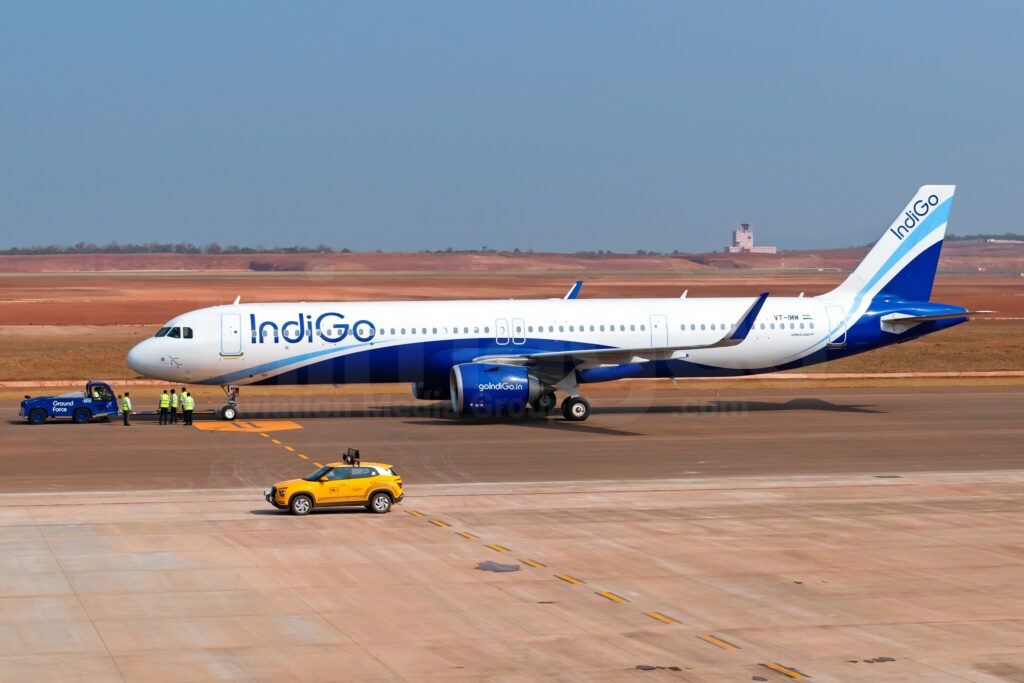
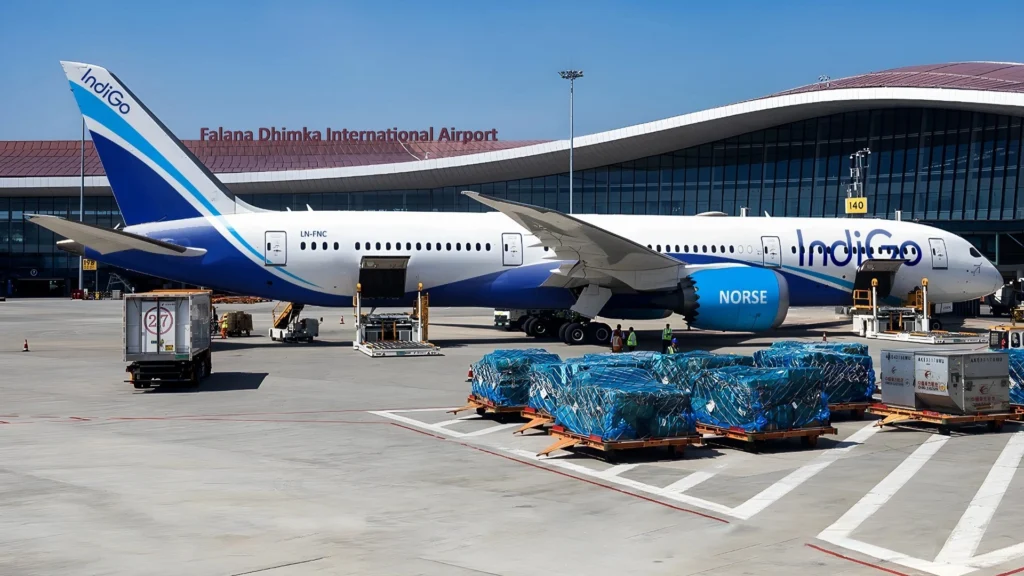
The airline currently operates more than 440 aircraft, including Airbus A320 family jets, ATR turboprops, and leased Boeing 787 Dreamliners. With over 900 aircraft already on order, including Airbus A350-900 aircraft, IndiGo (6E) plans to expand both domestic and international operations while focusing on lower operating costs and improved sustainability.
IndiGo Waits for Future Aircraft Technology
As IndiGo approaches its 20th anniversary next month, the airline is preparing for its next phase of expansion with a cautious long-term fleet strategy rather than another immediate aircraft order.
Managing Director Rahul Bhatia told PTI that the airline has intentionally paused additional aircraft purchases to monitor the development of next-generation aircraft.
According to Bhatia, future fleet decisions will depend on which manufacturer introduces the next generation of commercial aircraft and when those aircraft become available.
He explained that new aircraft technology will play an important role in determining the airline’s future beyond its current fleet expansion plans.
The carrier believes its existing order pipeline provides sufficient capacity through 2035, allowing management to wait before committing to another large purchase.
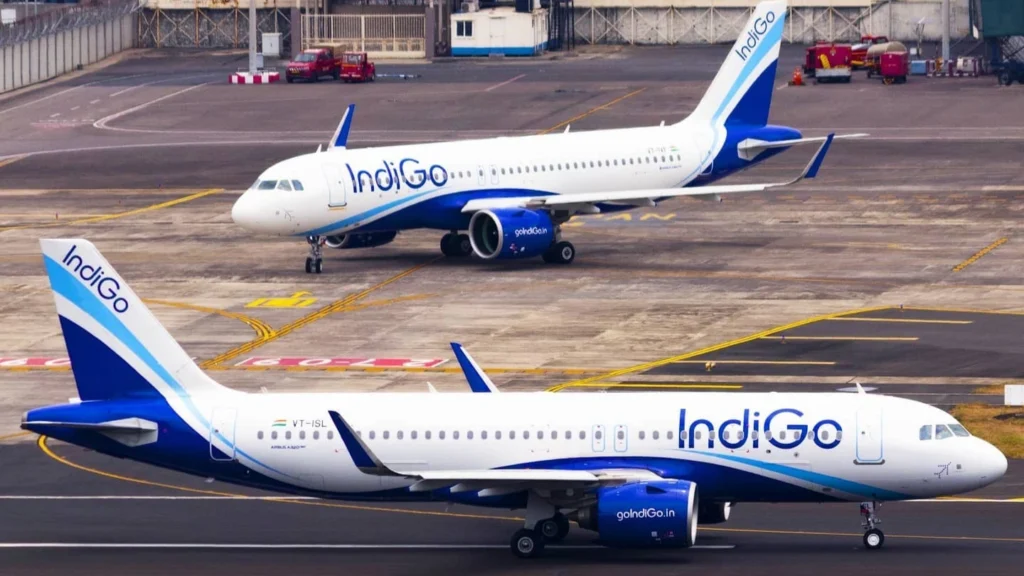
Massive Order Book Supports Long-Term Growth
IndiGo already holds one of the world’s largest commercial aircraft order books.
The airline has more than 900 aircraft on order, with deliveries scheduled over the next decade.
Among those commitments are 60 Airbus A350-900 widebody aircraft after the airline doubled its original order. IndiGo also retains purchase options for an additional 40 A350-900 aircraft.
Deliveries of the A350 fleet are expected to begin in 2028, supporting the airline’s planned expansion into long-haul international markets.
The carrier also expects to introduce Airbus A321XLR aircraft, which will enable nonstop flights on longer narrowbody routes while improving fuel efficiency.
If market conditions require additional capacity before next-generation aircraft become available, IndiGo could exercise its existing A350 purchase options rather than place a completely new aircraft order.
Rahul Bhatia stated that any decision on expanding the current order book would depend on how market demand evolves over the coming years.
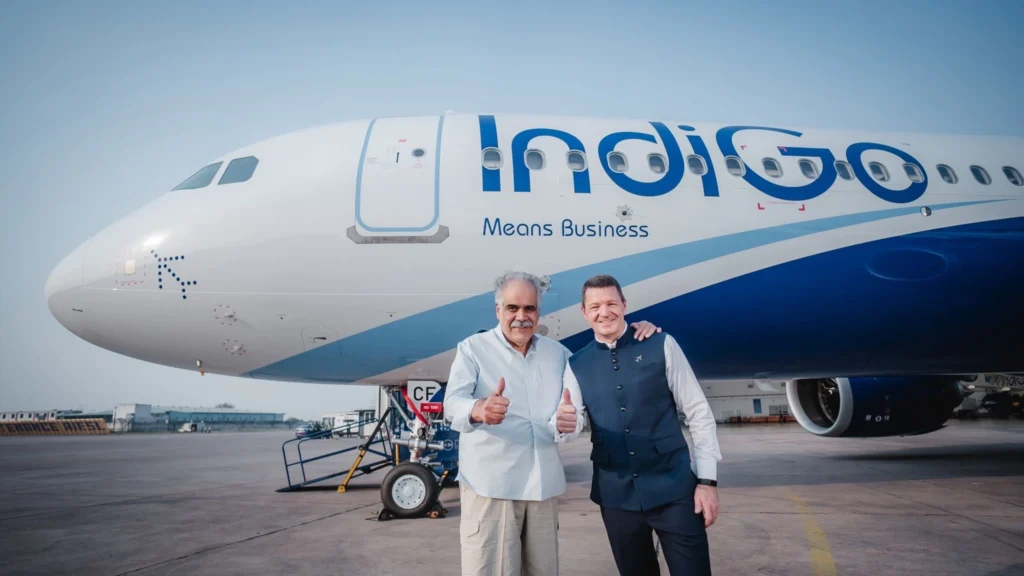
Focus on Lower Costs and Sustainability
Bhatia emphasized that reducing operating costs and improving environmental performance remain central to IndiGo’s fleet strategy.
He said the airline intends to become an early adopter of new aviation technologies once they are commercially available.
Next-generation aircraft are expected to feature improved engines, lighter materials, enhanced aerodynamics, and lower emissions compared with current aircraft models.
According to Bhatia, adopting these technologies early would allow IndiGo to improve its cost structure while operating a more environmentally friendly fleet.
He also noted that airlines should avoid becoming heavily committed to older-generation aircraft as newer technology enters commercial service.
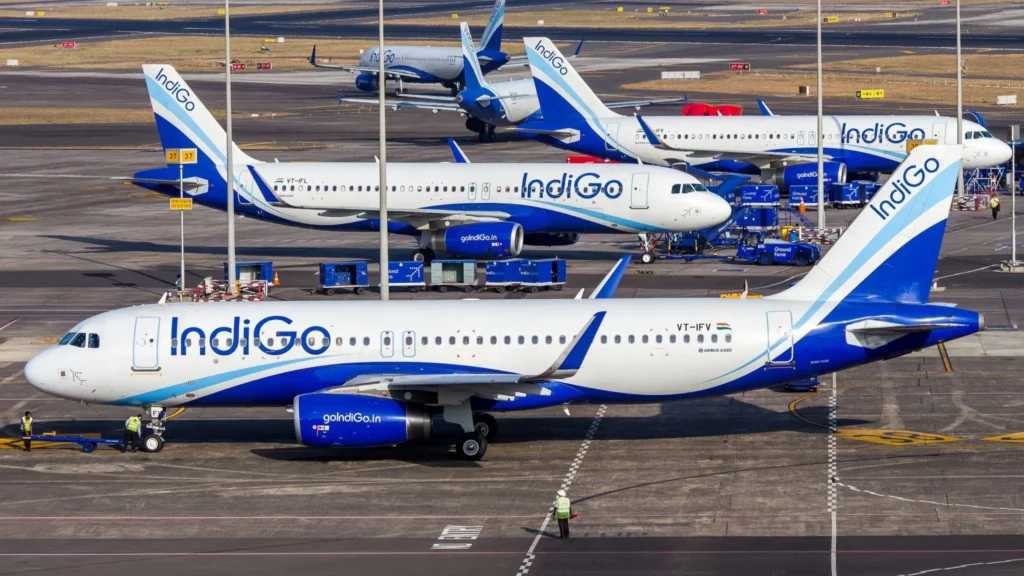
Finance Leasing Becomes Strategic Priority
Alongside fleet modernization, IndiGo is changing how it acquires new aircraft.
The airline is gradually moving away from operating leases in favor of finance leases for future deliveries.
Bhatia explained that finance leasing reduces long-term ownership costs while giving the airline greater operational flexibility.
Aircraft purchased through finance leases can later be converted into operating leases if business conditions change.
However, aircraft initially acquired under operating leases cannot easily be converted into finance-owned assets.
This additional flexibility allows the airline to adapt more efficiently to changing market conditions while maintaining control over fleet planning.
During FY2026, IndiGo allocated approximately USD 820 million toward aircraft purchases through its GIFT City entity, reflecting its continued investment in owned aircraft.
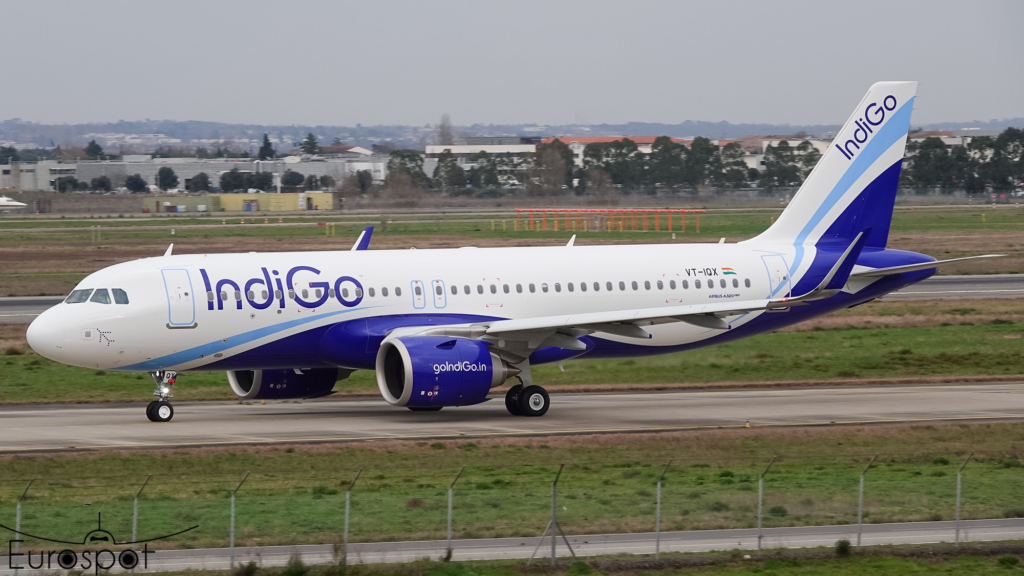
Strong Position Despite Industry Supply Challenges
Unlike many global airlines, IndiGo has largely avoided significant disruptions caused by aircraft manufacturing delays.
Supply chain challenges affecting aircraft production, engine availability, maintenance cycles, and component sourcing have slowed deliveries across the aviation industry.
Despite these challenges, IndiGo has continued expanding rapidly in both domestic and international markets.
The airline currently operates more than 2,200 daily flights across over 140 destinations.
It carried more than 123 million passengers during FY2026 and has transported over 880 million customers since beginning operations in 2006.
With a domestic market share exceeding 66 percent, IndiGo remains India’s largest airline and continues preparing for international growth through the arrival of A321XLR and A350 aircraft over the next several years.
While the airline has paused additional aircraft orders for now, its long-term strategy remains focused on adopting future aviation technology that supports lower costs, greater flexibility, and sustainable growth.
Stay tuned with us. Further, follow us on social media for the latest updates.
Join us on Telegram Group for the Latest Aviation Updates. Subsequently, follow us on Google News