CHICAGO- United Airlines (UA) is introducing a new benefit that allows eligible flight attendants using non-revenue travel privileges to access hidden crew rest bunks on long haul flights. The policy applies only when a flight attendant has been assigned a jumpseat because every passenger seat is occupied.
The new arrangement covers Boeing 777 and Boeing 787 aircraft operating international routes from hubs including Chicago O’Hare International Airport (ORD). The agreement between United Airlines (UA) and the Association of Flight Attendants (AFA-CWA) establishes clear rules governing access to the aircraft’s overhead crew rest facilities.
United Finalizes Crew Bunk Access Policy
United Airlines has officially completed the policy framework that allows eligible non-revenue, or non-rev, flight attendants to use onboard crew bunks during long haul flights.
The benefit follows the successful completion of contract negotiations between the airline and the Association of Flight Attendants.
Previously, implementation was delayed while both sides developed a fair process for allocating available bunks. According to PYOK, the finalized policy clearly defines eligibility, usage priorities, and operational limitations to ensure the working crew remains unaffected.
The policy is designed to improve rest opportunities for flight attendants traveling on company privileges who are assigned a jumpseat instead of a passenger seat. Sitting on a fold-down jumpseat for an entire long-haul flight offers little opportunity for meaningful rest, making access to unused crew bunks a valuable improvement.
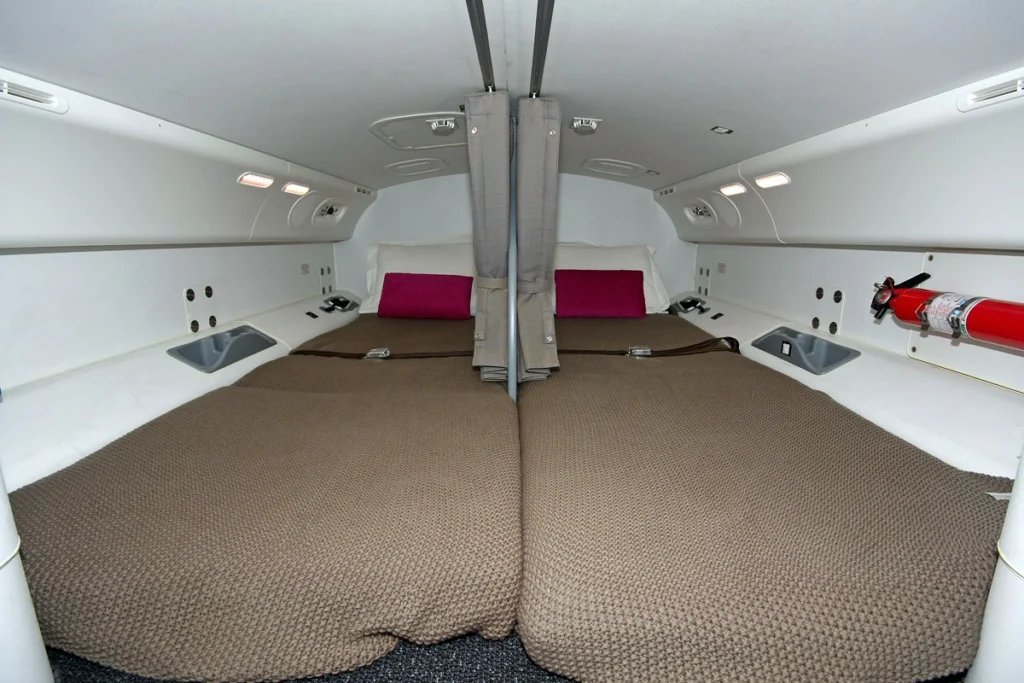
Crew bunks, officially known as the Overhead Flight Attendant Rest (OFAR) area on Boeing 777 and Boeing 787 aircraft, provide dedicated sleeping spaces away from the passenger cabin. These facilities are primarily intended for working cabin crew during scheduled rest breaks on ultra-long-haul flights.
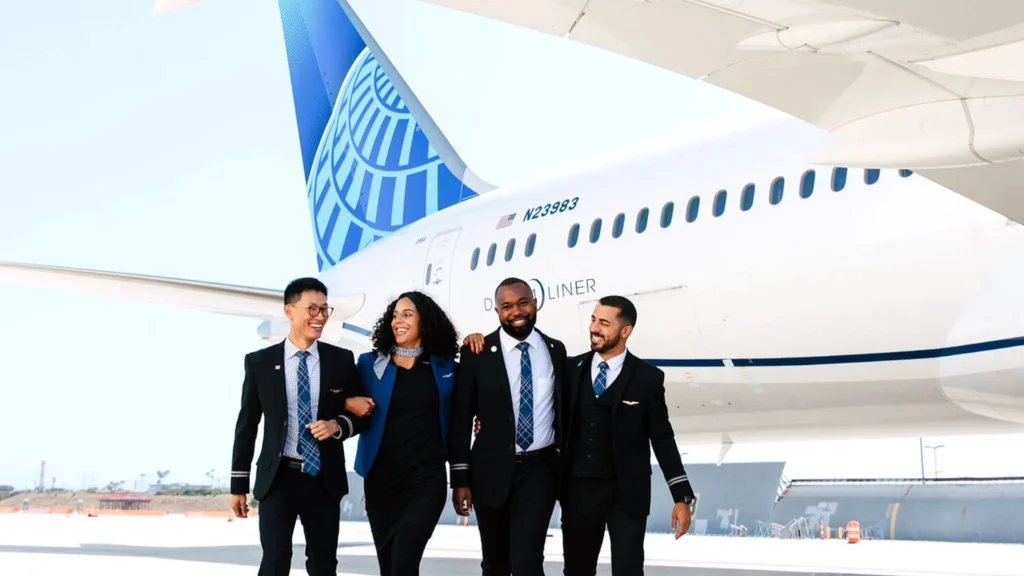
Who Can Use the Crew Bunks?
United’s policy includes several conditions that determine whether a non-rev flight attendant may use a crew bunk.
Only flight attendants who have been assigned a jumpseat qualify for access. If a non-rev traveler has received any available passenger seat, they must remain in that assigned seat throughout the flight.
The privilege is limited exclusively to United Airlines flight attendants. Flight attendants from other airlines traveling on reciprocal jumpseat agreements cannot use the crew rest facilities, even if they are qualified on the same aircraft type.
Availability also depends on the aircraft configuration and the number of cabin crew working that specific flight. If all bunks are needed for the operating crew, no additional space will be offered. Crew bunks cannot be shared between individuals.
When more than one eligible non-rev flight attendant is traveling, access is determined by seniority. The most senior eligible flight attendant receives priority for any available bunk.
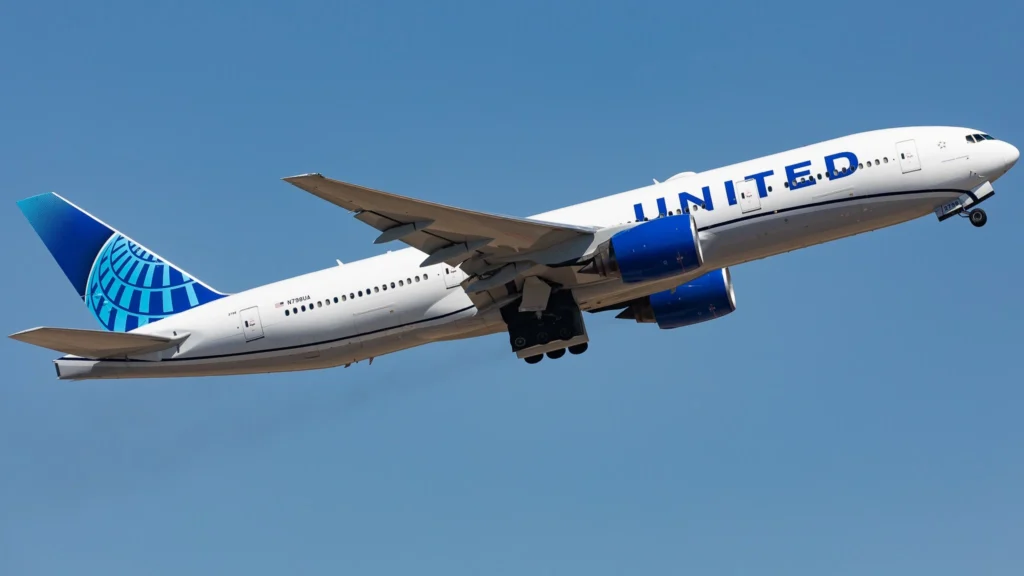
Operational Rules During the Flight
The policy also specifies exactly when crew bunks may be occupied.
On Boeing 787 aircraft, non-rev flight attendants may use a bunk only after the aircraft climbs above 15,000 feet. On Boeing 777 aircraft, the minimum altitude is 25,000 feet.
During taxi, takeoff, initial climb, descent, and landing, all non-rev flight attendants must remain seated in their assigned jumpseat.
Flight attendants using the crew bunks are expected to avoid disrupting the working crew during scheduled rest periods. The policy is intended to complement normal cabin operations rather than interfere with crew responsibilities.
United Airlines managers, including those who previously completed flight attendant training, are not eligible to use the bunks under this agreement.
Even when every bunk is eventually required for the operating crew, eligible non-rev flight attendants may still use an available bunk during periods such as the first or second meal service before returning to their jumpseat when the working crew begins scheduled rest breaks.
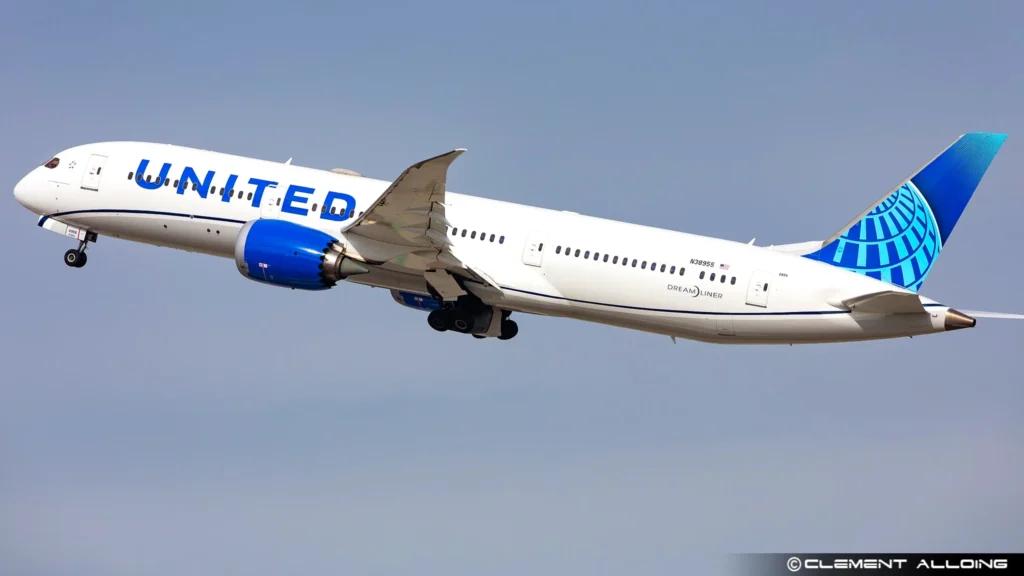
Different Aircraft Offer Different Crew Rest Experience
Not all crew rest facilities provide the same level of comfort.
Among United’s fleet, the Boeing 777-300 is generally regarded as offering one of the most desirable Overhead Flight Attendant Rest areas. Each bunk provides similar space, and the layout helps reduce cabin noise, creating a more consistent resting environment.
The Boeing 787 also features overhead crew bunks, although some are considered more desirable than others. Certain bunks offer greater privacy, while one provides slightly more space but is positioned directly above the galley, exposing occupants to additional noise during meal preparation and service.
Crew preferences often develop over time, meaning international pursers typically coordinate bunk assignments to maintain smooth operations and avoid unnecessary disruptions among the working cabin crew.
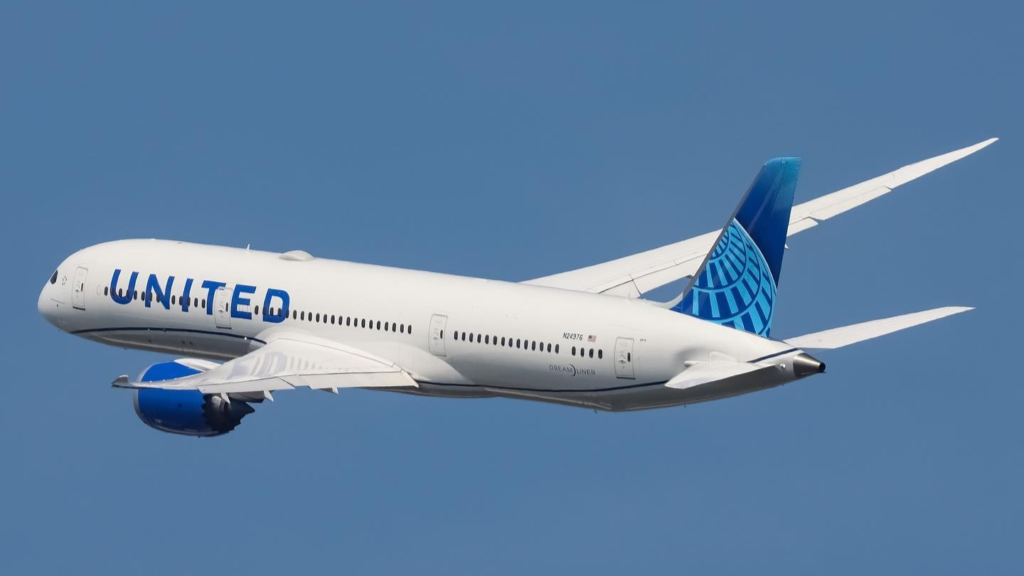
Why the Change Matters
The new policy aligns United Airlines with practices already adopted by some other U.S. airlines that permit eligible non-rev flight attendants to use unused crew rest facilities under controlled conditions.
Although the benefit applies only in specific situations, it provides a practical solution for cabin crew members who would otherwise spend many hours seated on jumpseats during international flights.
By establishing clear eligibility requirements and operational procedures, United ensures that working crews retain priority access while allowing available rest facilities to be used more efficiently whenever capacity permits.
Stay tuned with us. Further, follow us on social media for the latest updates.
Join us on Telegram Group for the Latest Aviation Updates. Subsequently, follow us on Google News