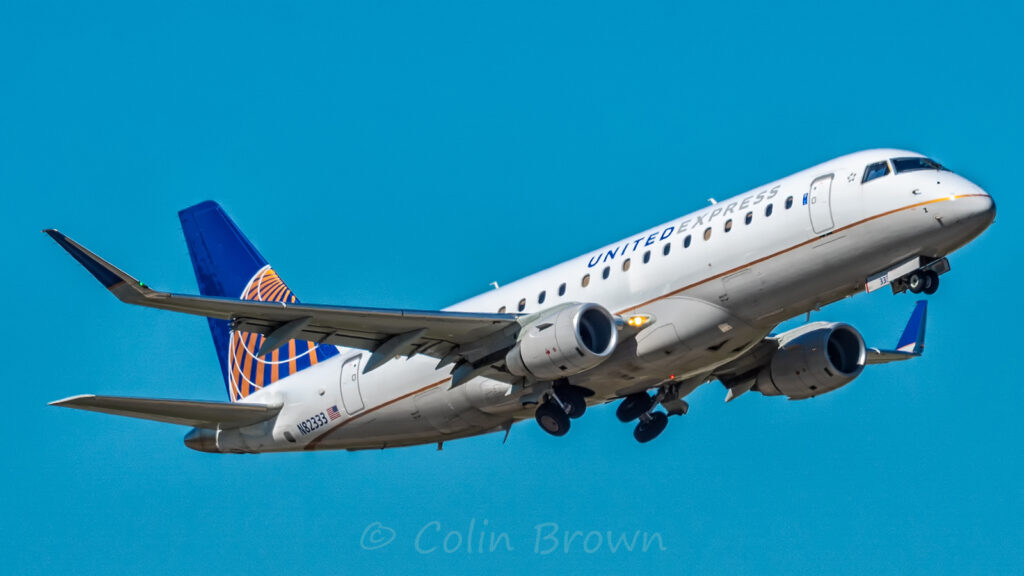
CHICAGO– United Airlines (UA) has dismissed reports suggesting it is considering acquiring early-built Boeing 777X aircraft that were rejected by Emirates (EK). The airline confirmed it has no interest in purchasing the widebody jets, ending speculation surrounding the aircraft’s future.
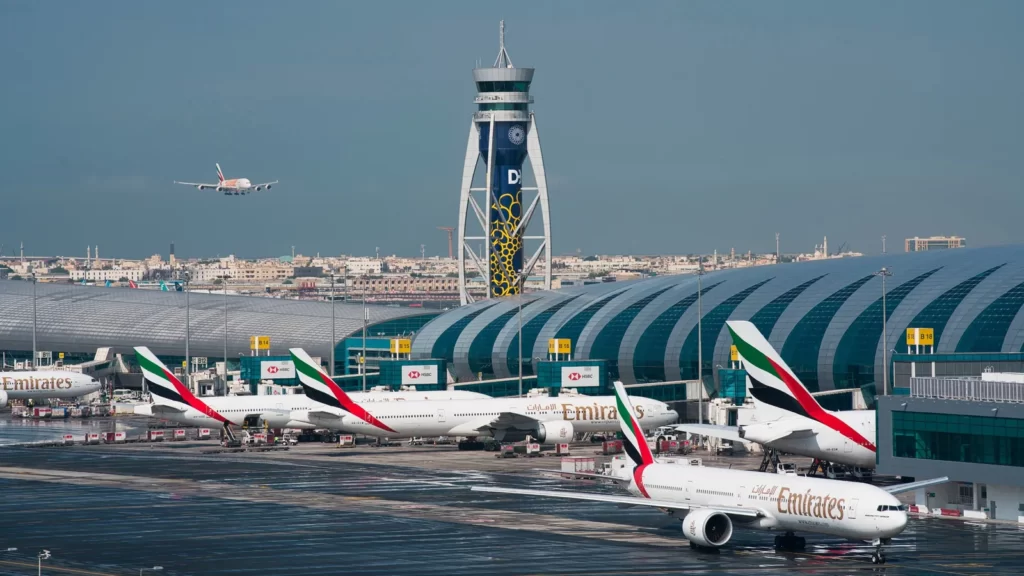
The rumors centered on aircraft originally intended for Emirates (EK) at Dubai International Airport (DXB). Despite the uncertainty surrounding the early-built jets, United Airlines (UA) said it will not add them to its fleet as Boeing continues working toward 777X certification.
United Airlines Ends Boeing 777X Speculation
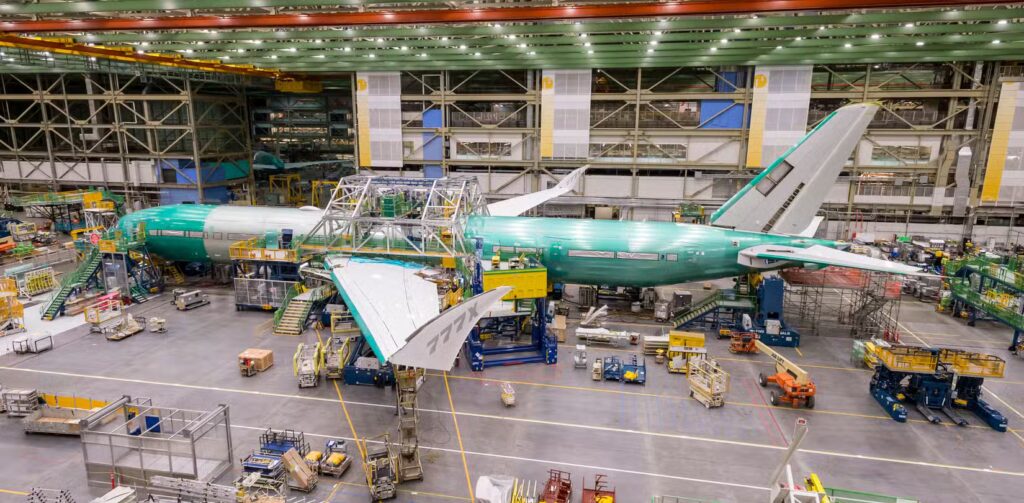
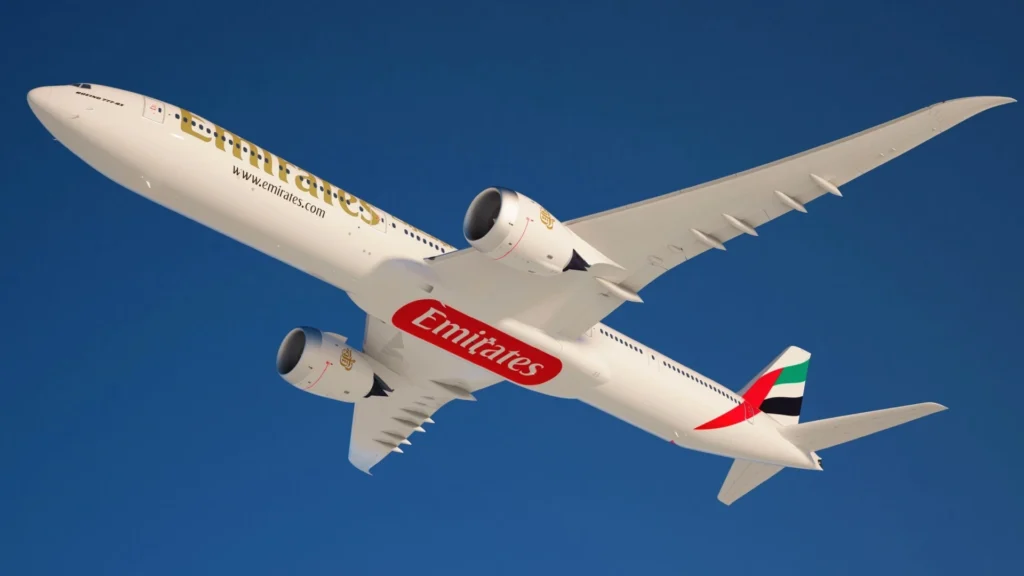
United Airlines has officially ruled out acquiring up to 20 early-built Boeing 777X aircraft that were previously manufactured for Emirates but never accepted by the Dubai-based carrier.
Industry speculation emerged after reports suggested United could become the first airline to take over the aircraft, which were assembled between 2019 and 2021. The possibility gained attention because the jets have remained undelivered following years of certification delays affecting Boeing’s flagship widebody program.
However, United confirmed that it has no plans to purchase these aircraft, putting an end to rumors that it could capitalize on the unusual opportunity.
According to Simple Flying, the airline’s decision leaves the future of these early-built aircraft uncertain as Boeing continues progressing toward certification of the 777X family.
Why Emirates Rejected the Aircraft
The aircraft in question were originally produced several years ago while Boeing expected the 777X program to enter commercial service much earlier.
As certification delays stretched year after year, the aircraft remained in storage. When Boeing prepared to deliver them, Emirates declined to accept the early-built frames.
Emirates President Sir Tim Clark criticized the aircraft, comparing them to “a can of baked beans” because they had been sitting for years before entering airline service.
The airline argued that accepting aircraft already six to seven years old would significantly reduce their effective operational lifespan. Emirates believed the extensive inspections, upgrades, and modifications required before delivery would not justify the investment.
Instead, the airline prefers newly built aircraft produced closer to their eventual delivery dates.
United’s Widebody Fleet Strategy
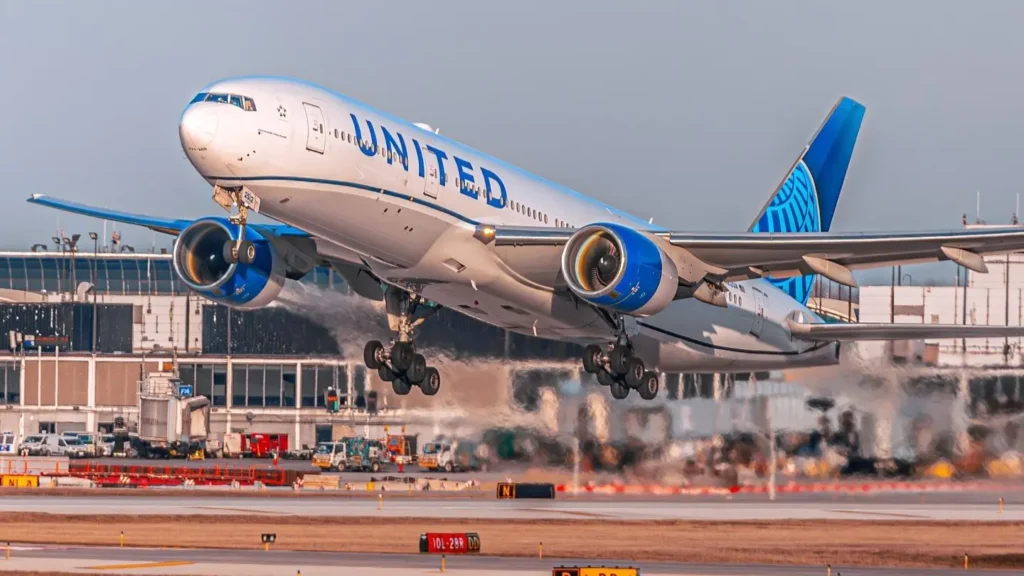
Although acquiring the rejected aircraft would have made United the first and only U.S. airline operating the Boeing 777X, the carrier has chosen to continue with its existing fleet strategy.
United already operates one of the world’s largest Boeing widebody fleets, including:
- Boeing 777-200ER
- Boeing 777-300ER
- Boeing 787 Dreamliner family
The airline has increasingly relied on the Boeing 787 for long-haul expansion because of its fuel efficiency, lower operating costs, and flexibility.
The Dreamliner has enabled United to launch long-distance routes that may not require the larger seating capacity of a Boeing 777. Examples include services to Adelaide Airport (ADL) in Australia and New Chitose Airport (CTS) in Sapporo, Japan.
Rather than introducing another aircraft type into its fleet, United continues focusing on aircraft already supporting its long-term network strategy.
What Happens to the Rejected Boeing 777Xs?
United’s rejection does not mean the aircraft will never enter commercial service.
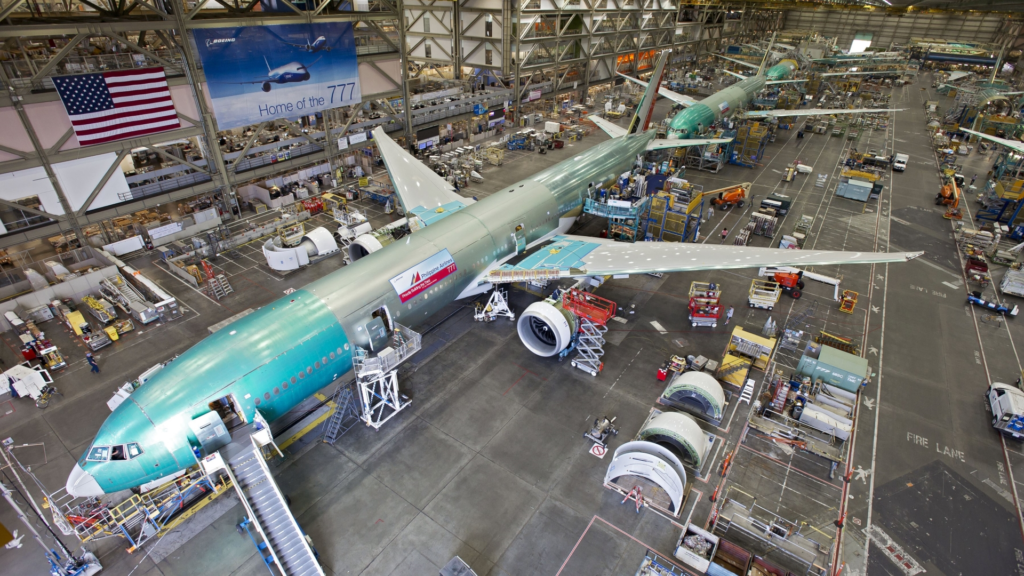
The early-built frames remain valuable assets, but they require significant work before delivery. Boeing would need to complete required modifications, update systems to current production standards, and obtain full certification before the aircraft could be handed over to any airline.
Because the aircraft are already assembled, another airline could receive them sooner than waiting for a completely new production slot.
At present, however, no airline has publicly confirmed plans to acquire these specific airframes.
Boeing Continues Certification Progress
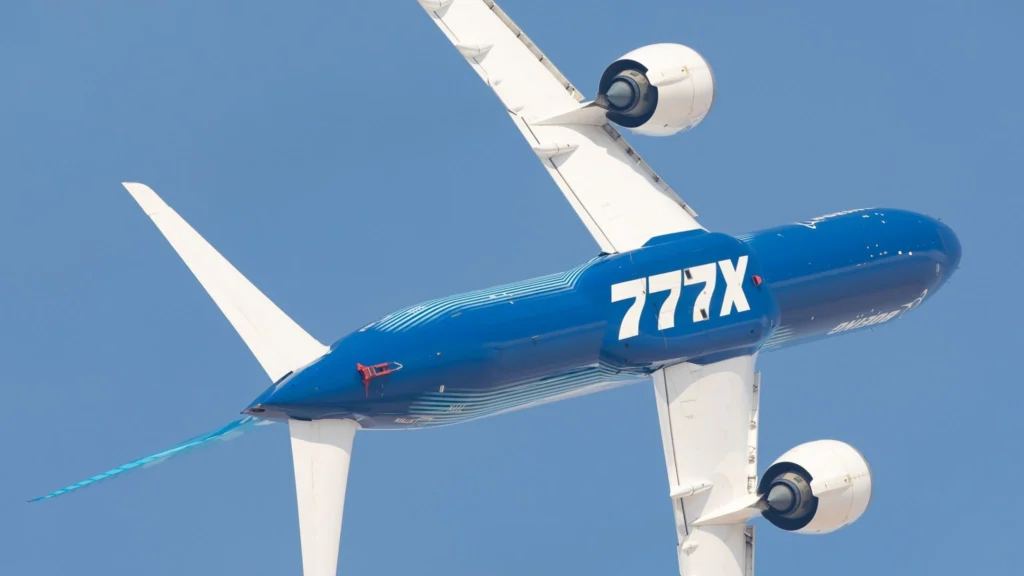
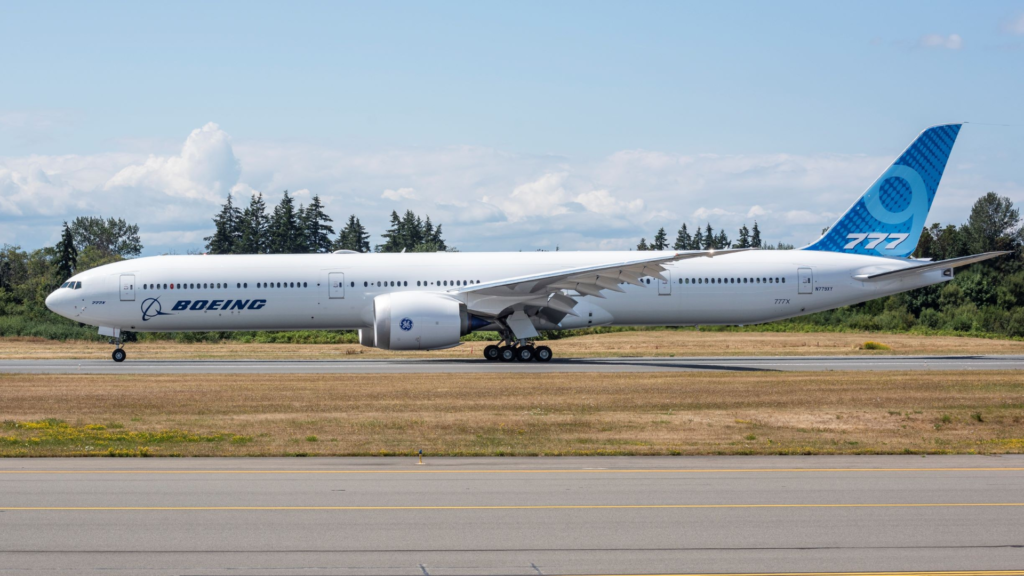
The Boeing 777X remains one of the aviation industry’s most delayed commercial aircraft programs.
Originally expected to enter airline service in 2020, the aircraft is now projected to begin commercial operations in 2027 after multiple certification setbacks, additional engineering work, and increased regulatory oversight.
Boeing’s flight test campaign has continued making progress.
The manufacturer has accumulated:
- More than 4,800 flight test hours
- More than 1,700 test flights
The U.S. Federal Aviation Administration (FAA) has also authorized Boeing to proceed with Phase 4B certification testing, which evaluates avionics, flight controls, stability, and aircraft systems before final approval.
The extended timeline has forced Boeing to modify aircraft that were built years ago, creating additional costs and uncertainty surrounding the earliest production frames.
Strong Customer Demand Remains
Despite repeated delays, demand for the Boeing 777X remains strong among major international airlines.
Emirates remains the program’s largest customer with an order book exceeding 270 aircraft. The airline plans to use the 777X as the long-term replacement for portions of its Airbus A380 fleet.
Other airlines awaiting deliveries include:
- Qatar Airways (QR)
- Lufthansa (LH)
- Cathay Pacific (CX)
- Cargolux (CV)
These carriers continue planning future fleet modernization around Boeing’s next-generation widebody once certification is complete.
While United has rejected the opportunity to acquire the early-built aircraft, the possibility remains that another airline could eventually purchase the modified airframes after Boeing completes the required upgrades.
Stay tuned with us. Further, follow us on social media for the latest updates.
Join us on Telegram Group for the Latest Aviation Updates. Subsequently, follow us on Google News