For most travellers, the time between boarding and takeoff is spent settling into a seat, checking messages, storing carry-on bags, or scrolling through entertainment options. Cabin crew, however, approach this period very differently.
Years of training and thousands of hours spent in the air have taught them that what happens before an aircraft leaves the ground can significantly influence safety, comfort, and even survival in an emergency.
Experienced cabin crew members develop habits that become second nature. These routines are not complicated, yet they are remarkably effective. They focus on awareness, preparation, and practicality rather than convenience. Interestingly, many of these habits can be adopted by passengers as well.
Former flight attendants interviewed by travel experts revealed that their pre-takeoff routines consistently revolve around three key actions – identifying emergency exits, assessing the people around them, and dressing appropriately for air travel.
While these practices may seem simple, they can make a meaningful difference during both routine flights and unexpected situations.
Things Cabin Crew Always Do Before Takeoff

1. Knowing Exactly Where the Nearest Exit Is
One of the first things flight attendants do when they board any aircraft is identify the nearest emergency exits. This habit remains with them even when they are travelling as passengers rather than working crew.
Most travellers know there are exits located throughout the cabin, but few pay attention to their exact position once seated. Instead, they focus on how quickly they can leave the aircraft after landing. Flight attendants view the situation differently. Their training emphasises understanding the cabin layout in relation to emergency exits because visibility may be limited during an evacuation.
In an emergency, smoke, darkness, or confusion can make it difficult to see exit signs. If passengers have not taken note of where exits are located beforehand, valuable seconds can be lost while searching for a way out. Aviation safety studies consistently show that quick evacuations are critical, particularly during fires or other serious incidents.
Cabin crew members often count the number of seat rows between their position and the nearest exit. They also identify alternative exits in case the closest one becomes unusable. This mental map allows them to navigate even if visibility is poor.
For passengers, adopting this habit requires very little effort. Upon reaching a seat, it is worthwhile to look both forward and behind to determine the closest emergency exits. In some cases, the nearest exit may actually be behind rather than ahead.
This practice is also one reason why flight attendants pay close attention during the safety demonstration. Although frequent flyers may feel they already know the information, the safety briefing contains details specific to that aircraft type and seating arrangement.
By understanding the location of emergency exits before takeoff, passengers gain a level of preparedness that many overlook. It is a small action that could become extremely important during an emergency.
2. Paying Attention to the People Around Them
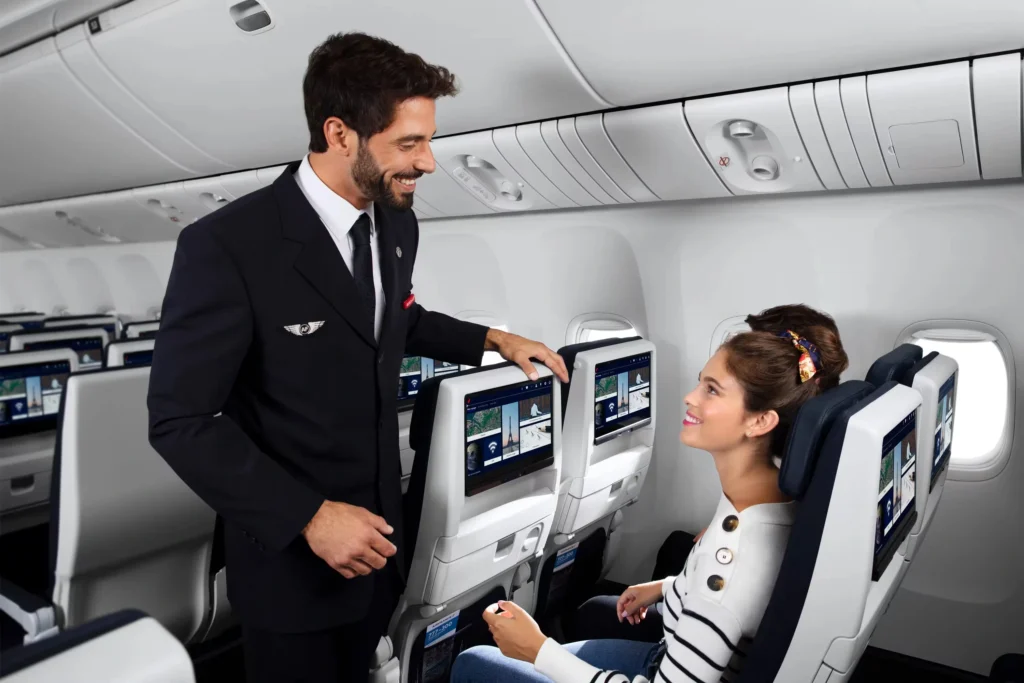
Flight attendants do more than welcome passengers aboard with a smile. During boarding, they are actively observing the cabin and assessing those around them.
One of their responsibilities is identifying passengers who may be able to assist during an emergency. In aviation terminology, these individuals are often referred to as able-bodied passengers. They are people who appear calm, attentive, physically capable, and likely to follow instructions under pressure.
Cabin crew members evaluate passengers through simple observations. They notice whether someone makes eye contact, responds to greetings, follows instructions, and appears alert. These subtle interactions can help crew members determine who might be useful if assistance is needed during an evacuation or other emergency.
At the same time, flight attendants are also monitoring for potential issues. They look for signs of illness, intoxication, unusual behaviour, or anything else that could become a problem later in the flight. This assessment begins as soon as passengers step onboard and continues throughout boarding.
The broader lesson for travellers is the value of situational awareness. Most people focus exclusively on themselves while flying, but paying attention to the environment and the people nearby can be beneficial.
For example, it can be helpful to notice who appears calm and confident in the surrounding rows. In an emergency, these individuals may naturally become sources of guidance or assistance. Likewise, being aware of passengers who may need extra help, such as elderly travellers or families with young children, can foster a more supportive cabin environment.
Situational awareness also extends beyond emergencies. Being aware of announcements, observing crew instructions, and staying attentive during critical phases of flight can make the journey smoother and reduce unnecessary stress.
Flight attendants understand that awareness is one of the most powerful tools available to them. Passengers who adopt a similar mindset are often better prepared for unexpected situations and generally enjoy a more relaxed travel experience.

3. Choosing Practical Clothing and Footwear
Another habit shared by many flight attendants is dressing for functionality rather than appearance.
While airlines often require crew members to wear professional uniforms, many former flight attendants say they choose practical clothing when travelling as passengers. Comfort, mobility, and safety are usually prioritised over fashion.
One of the most commonly cited recommendations involves footwear. Flight attendants favour shoes that allow them to move quickly and comfortably. Athletic shoes or supportive walking shoes are often preferred because they provide stability and protection.
High heels, flip-flops, and other impractical footwear may look appealing, but they can become problematic during long walks through airports, unexpected delays, or emergency evacuations. In a situation where passengers need to leave an aircraft quickly, sturdy footwear can be far more useful than stylish alternatives.
Clothing choices matter as well. Aircraft cabins are known for fluctuating temperatures. A flight may begin warm during boarding, become cool at cruising altitude, and feel warmer again during landing. For this reason, experienced travellers often wear layers that can be adjusted throughout the journey.
Fabric selection is another consideration. Breathable natural materials tend to remain comfortable for longer periods and adapt better to varying temperatures. Tight or restrictive clothing can become uncomfortable during lengthy flights, particularly on long-haul journeys.
Practical clothing also supports mobility. Passengers may need to move through crowded terminals, lift bags into overhead compartments, or remain seated for extended periods. Clothing that allows unrestricted movement generally makes these tasks easier.
The goal is not to sacrifice personal style but rather to balance appearance with comfort and practicality. Flight attendants spend more time flying than almost anyone else, and their clothing choices reflect years of experience dealing with the realities of air travel.
Bottom Line
Flight attendants have developed routines that help them manage thousands of flights safely and efficiently. Before takeoff, they consistently focus on three important habits – locating the nearest emergency exits, assessing the people around them, and choosing practical clothing and footwear.
These actions may seem minor, but they reflect a deeper emphasis on awareness and preparedness. Passengers who adopt the same approach can improve their comfort, reduce stress, and be better equipped to respond if an unexpected situation arises.
The next time a flight begins boarding, consider taking a few moments to think like a flight attendant. A quick glance at the nearest exit, a little awareness of the surrounding cabin, and comfortable clothing choices may make the journey smoother than ever.
FAQs
Flight attendants are trained to know the exact location of emergency exits so they can respond quickly during an evacuation. Identifying exits before takeoff helps them navigate the cabin even if visibility becomes limited due to smoke or darkness.
Yes. Cabin crew assess passengers as they board to identify individuals who may need assistance and those who may be capable of helping during an emergency. They also look for signs of illness, intoxication, or unusual behaviour.
Practical footwear provides comfort during long travel days and allows passengers to move safely and quickly if necessary. Supportive shoes are particularly helpful during airport transfers, delays, and emergency evacuations.
Stay tuned with us. Further, follow us on social media for the latest updates.
Join us on Telegram Group for the Latest Aviation Updates. Subsequently, follow us on Google News