ARLINGTON- The U.S. Federal Aviation Administration (FAA) has certified the Boeing (BA) 737-7, clearing the newest aircraft variant for commercial operations. Boeing’s launch customer, Southwest Airlines (WN), is now preparing to receive the first aircraft.
The Boeing 737-7 certification marks the completion of a multi-year regulatory process that included extensive flight testing and safety reviews. The aircraft is designed to serve airports in demanding environments while offering improved efficiency over previous generation aircraft.
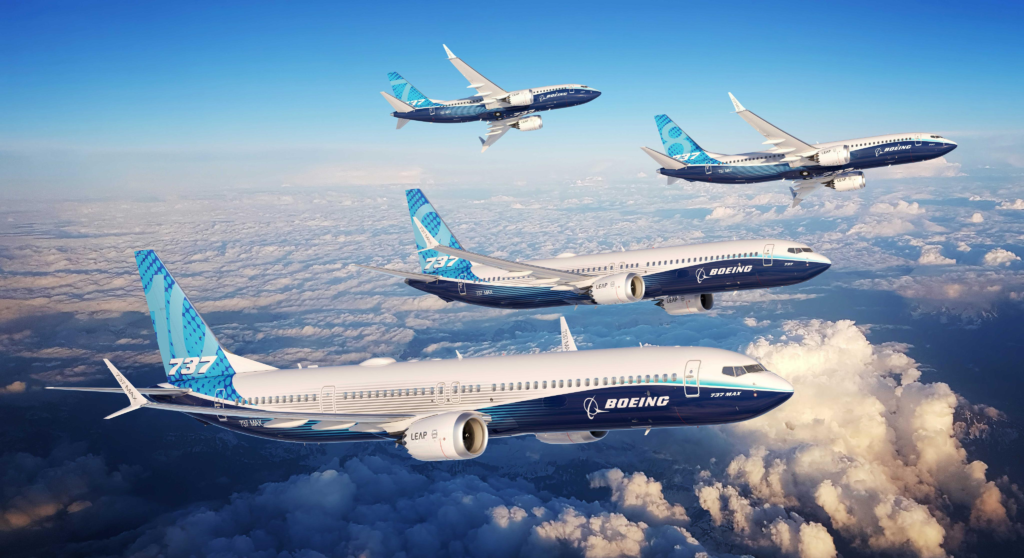
FAA Certifies Boeing 737-7
The U.S. Federal Aviation Administration has granted Boeing an amended Type Certificate for the 737-7, officially approving the aircraft for commercial passenger service.
The certification concludes years of engineering, testing, and regulatory reviews that began with the aircraft’s certification campaign in 2018. Boeing conducted more than 1,000 hours of combined flight and ground testing while working closely with FAA officials to demonstrate compliance with modern commercial aviation safety standards.
According to Boeing Commercial Airplanes President and CEO Stephanie Pope, the certification reflects the work of engineers, pilots, and certification specialists who continued the program through technical challenges, the COVID-19 pandemic, and evolving certification requirements.
She stated that the team remained focused on meeting every regulatory requirement while delivering a safe and capable aircraft for airline customers.
The FAA also updated Boeing Production Certificate No. 700 (PC 700) to include the 737-7, allowing Boeing to begin production deliveries under the approved certification.
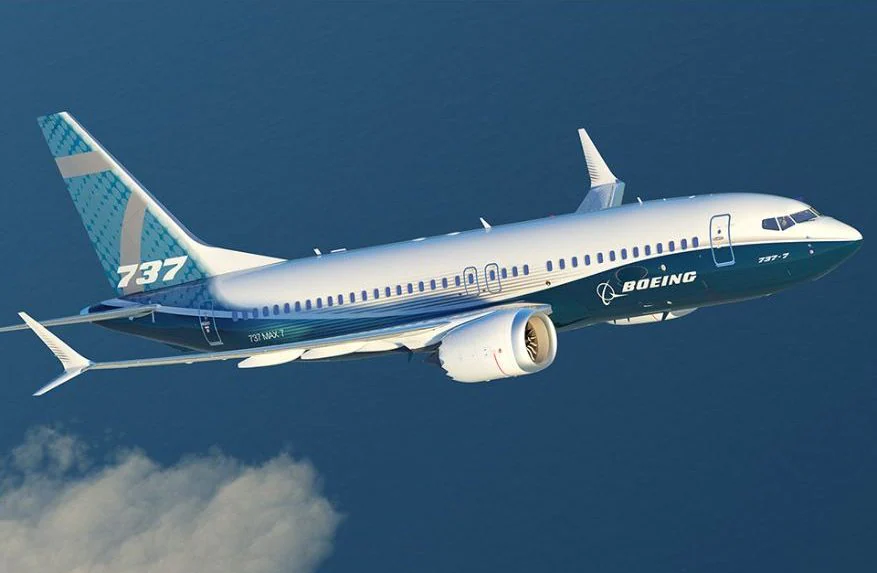
737-7 Offers Longest Range in the 737 MAX Family
The Boeing 737-7 is the smallest member of the 737 MAX family but delivers the longest range among the four variants.
The aircraft typically accommodates between 135 and 160 passengers in a two-class configuration and offers a maximum range of approximately 3,800 nautical miles (7,040 kilometers).
Its combination of lower seating capacity and extended range allows airlines to operate thinner routes that may not require larger aircraft while maintaining strong operational efficiency.
Boeing says the aircraft consumes approximately 20% less fuel and produces 20% lower carbon dioxide emissions than the airplanes it is designed to replace. It also reduces the noise footprint by roughly 50%, helping airlines meet increasingly strict environmental and airport noise requirements.
The aircraft has also been optimized for operations from airports located at high elevations and in regions with hot climates, where aircraft performance can be more challenging.
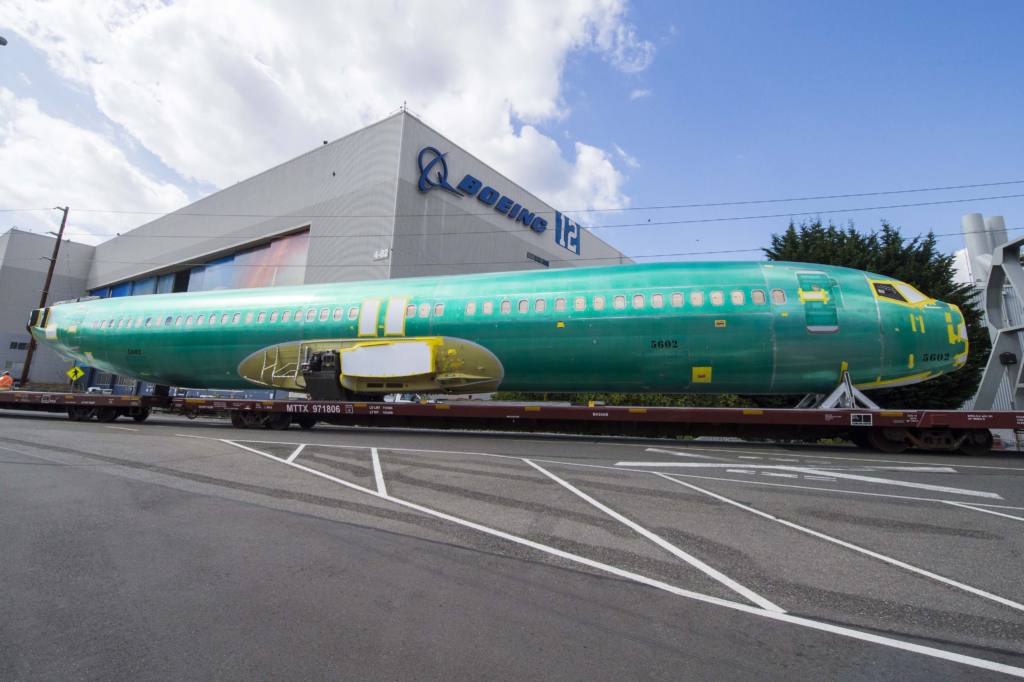
Certification Included Engine Anti-Ice Improvements
During the certification process, Boeing introduced updates to the aircraft’s engine anti-ice system after engineers identified a potential issue during flight testing.
The revised system became part of the final certified aircraft configuration and was reviewed as part of the FAA approval process.
In addition to flight testing, Boeing completed detailed system safety assessments, human factors evaluations, and engineering analyses required under current certification standards.
Mike Sinnett, Senior Vice President of Product Strategy, Product Development and Development Programs, said Boeing maintained continuous discussions with FAA officials throughout the certification campaign.
He noted that the certification effort has helped Boeing develop a stronger understanding of today’s regulatory expectations, particularly regarding human factors, safety, and product quality, which should benefit future aircraft development programs.

Southwest Airlines Preparing for First Delivery
Southwest Airlines (WN), the launch customer for the Boeing 737-7, is preparing to receive its first aircraft.
Boeing is currently completing the final production updates required to bring the initial aircraft into their certified delivery configuration before handing them over to the airline.
The 737-7 has long been central to Southwest’s future fleet strategy because its seating capacity closely matches the airline’s operational requirements while providing improved range and fuel efficiency.
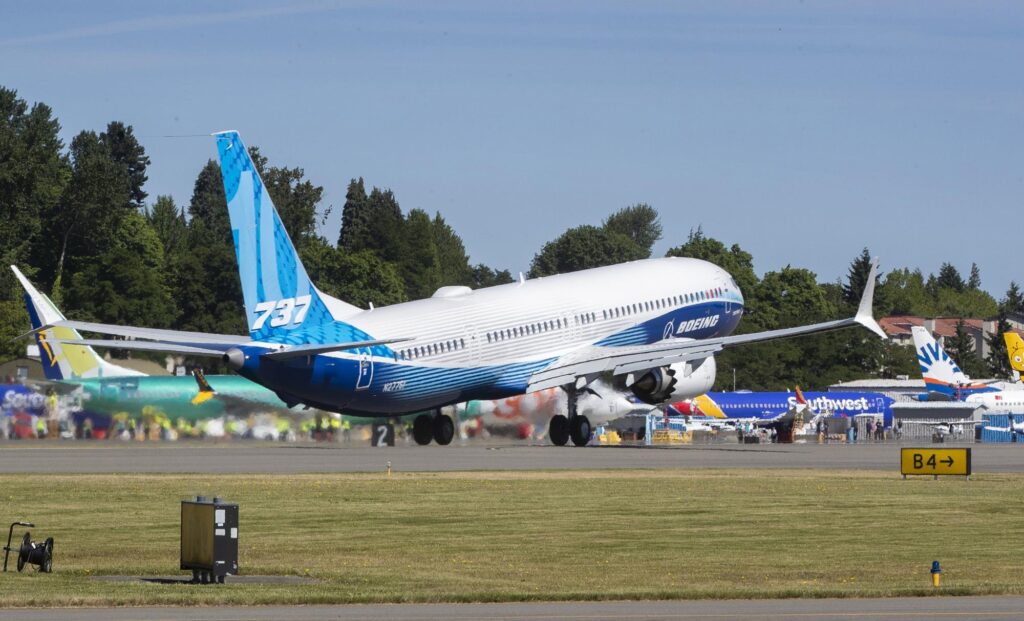
737 MAX Family Continues to Grow
The 737-7 joins the existing certified members of the Boeing 737 MAX family, which has accumulated more than 7,200 orders worldwide. Boeing had delivered over 2,300 aircraft from the family through the end of June 2026.
The family currently includes four variants designed for different market segments:
- 737-7: 135 to 160 passengers with a range of up to 3,800 nautical miles (7,040 km).
- 737-8: 160 to 180 passengers with a range of up to 3,500 nautical miles (6,480 km).
- 737-9: 175 to 195 passengers with a range of up to 3,300 nautical miles (6,110 km).
- 737-10: 185 to 210 passengers with a range of up to 3,100 nautical miles (5,740 km). Boeing continues working toward FAA certification of the largest MAX variant.
The approval of the 737-7 represents another milestone for Boeing as it expands deliveries across the 737 MAX family while continuing certification efforts for the remaining 737-10 model.
Stay tuned with us. Further, follow us on social media for the latest updates.
Join us on Telegram Group for the Latest Aviation Updates. Subsequently, follow us on Google News