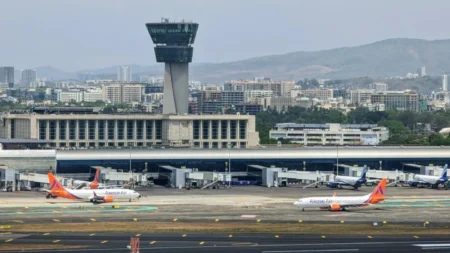
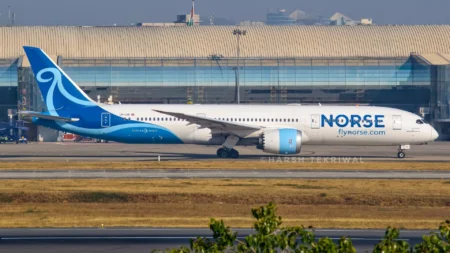
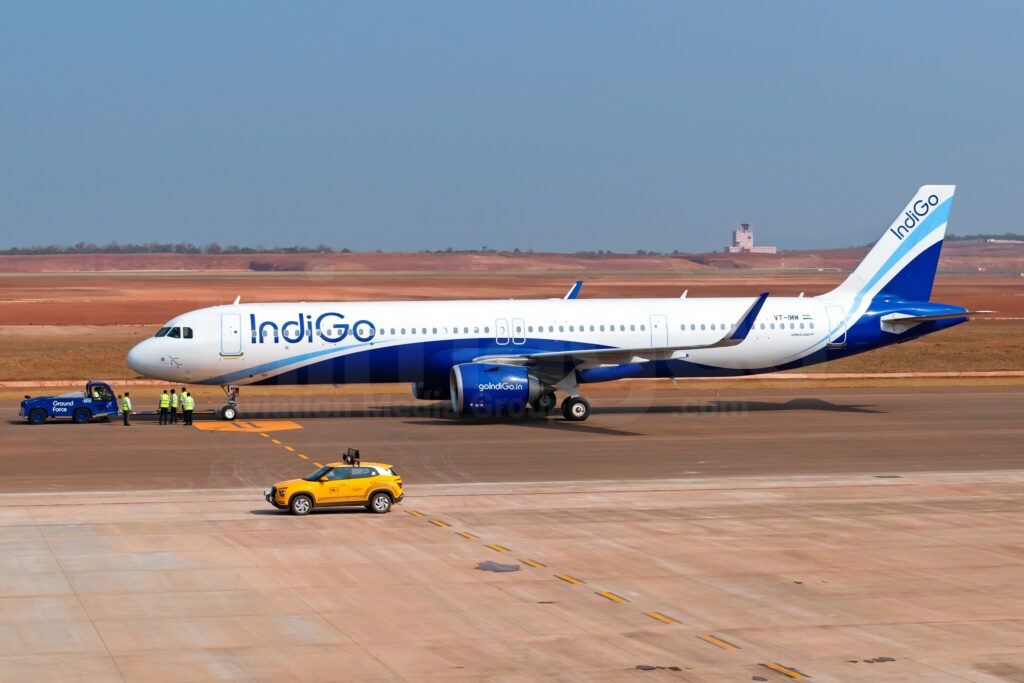
AMSTERDAM- IndiGo (6E) will temporarily replace its leased Boeing 787-9 aircraft on flights between Mumbai (BOM) and Amsterdam (AMS) with the new Airbus A321XLR after ending its expensive lease agreement with Norse Atlantic Airways (N0). The move is intended to preserve the airline’s valuable operating slots at Amsterdam Schiphol Airport (AMS).
The narrowbody aircraft will operate on the long-haul route until IndiGo’s own Airbus A350-900 fleet begins arriving in 2027. Despite operational limitations, the airline is prioritizing slot retention while continuing to expand its international network, Analytic Flying flagged.
IndiGo Turns to A321XLR to Maintain Amsterdam Service
IndiGo has confirmed that its damp lease agreement for Boeing 787-9 aircraft from Norse Atlantic Airways (N0) will conclude at the end of October 2026. The leased Dreamliners played an important role in helping India’s largest airline establish long-haul operations to Europe while awaiting delivery of its own widebody fleet.
One immediate consequence of the lease ending is the suspension of some European services that depended on the Boeing 787-9 aircraft. Flights to London Heathrow Airport (LHR), for example, will not continue because the airline will no longer have access to leased airport slots during the winter schedule.
Amsterdam Schiphol Airport (AMS), however, presents a different situation.
Unlike Heathrow, IndiGo secured Amsterdam slots as a new entrant and must continue using them under the airport’s slot regulations. Failing to utilize the slots for at least 80 percent of the scheduled operations could result in their loss.
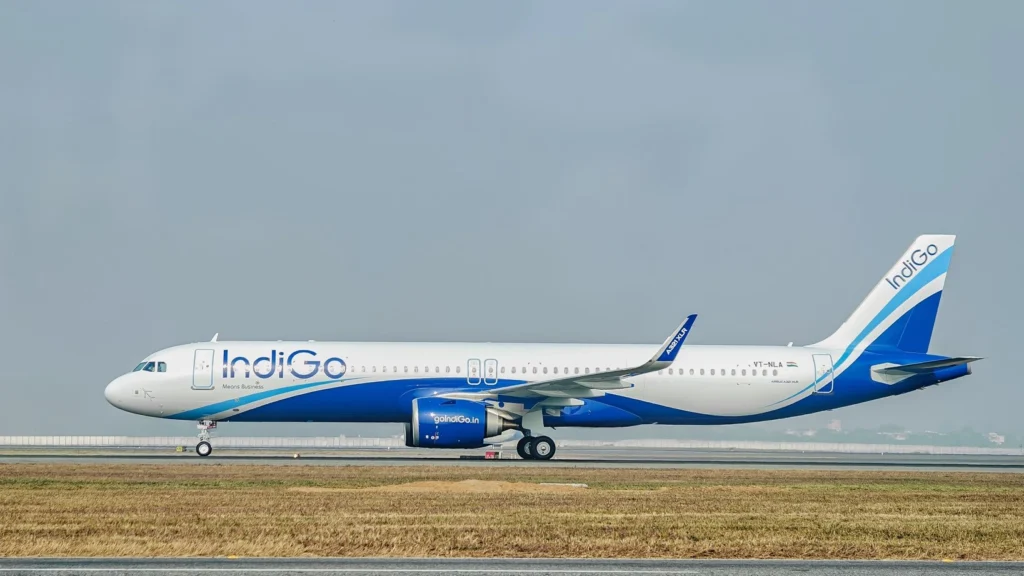
To avoid that outcome, IndiGo will temporarily operate its Airbus A321XLR on the Mumbai (BOM) to Amsterdam (AMS) route until the Airbus A350-900 enters commercial service.
According to Simple Flying, the airline’s decision is primarily driven by the importance of retaining its Amsterdam airport slots rather than maximizing operational efficiency.
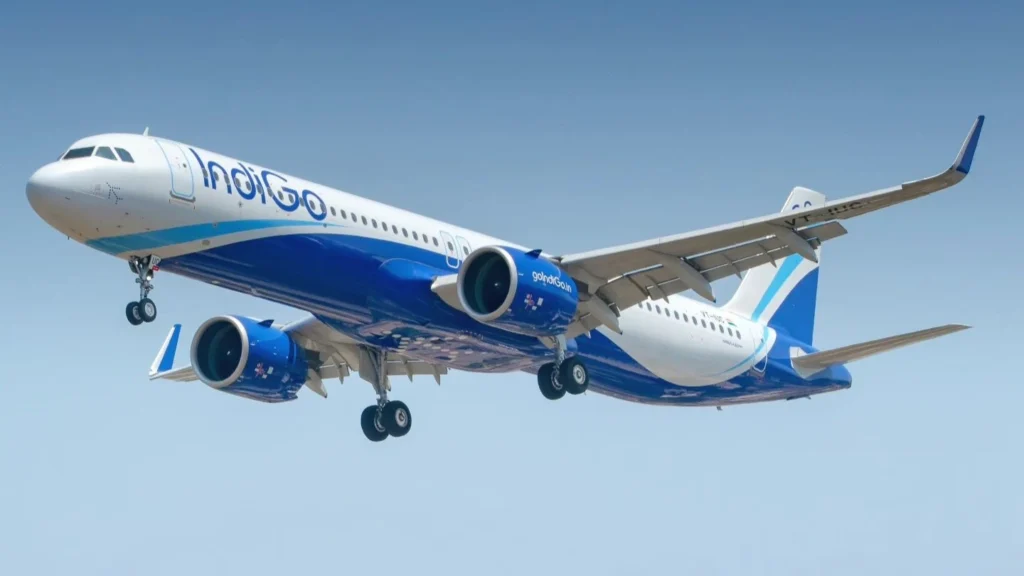
World’s Longest Airbus A321XLR Flight
The Mumbai to Amsterdam service will become one of the most demanding routes for the Airbus A321XLR.
Under the planned schedule, the aircraft will operate daily.
| Frequency | Mumbai (BOM) to Amsterdam (AMS) | Amsterdam (AMS) to Mumbai (BOM) |
|---|---|---|
| Daily | 6:30 AM to 1:00 PM (11 hours) | 2:00 PM to 4:10 AM (+1) (9 hours 40 minutes) |
The westbound flight from Mumbai is expected to take up to 11 hours, making it the world’s longest scheduled nonstop Airbus A321XLR operation by block time.
The aircraft will spend only about one hour on the ground in Amsterdam before departing for Mumbai. While narrowbody aircraft often have quick turnarounds, maintaining such a schedule consistently on an ultra-long-haul route could prove operationally challenging.

Cabin Configuration and Passenger Experience
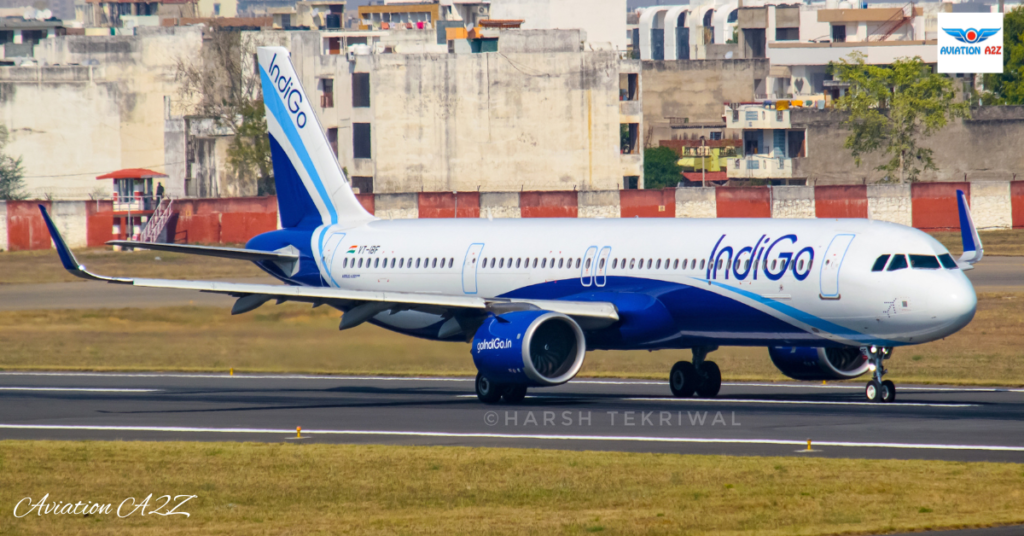
IndiGo’s Airbus A321XLR features a two-class layout with 195 seats.
The aircraft includes:
- 12 IndiGo Stretch seats with a 44-inch seat pitch
- 183 Economy Class seats with a 31-inch seat pitch
Unlike many widebody aircraft operating long-haul routes, the A321XLR does not feature lie-flat business class seats.
Passengers also will not have seatback entertainment systems. Instead, entertainment will be streamed directly to passengers’ personal devices using the airline’s onboard wireless platform.
Although the aircraft offers improved comfort compared to standard narrowbody cabins, the nearly 11-hour journey represents one of the longest flights ever regularly scheduled for an Airbus single-aisle aircraft.
Airspace Restrictions Create Operational Challenges
The Mumbai to Amsterdam route is significantly affected by ongoing geopolitical airspace restrictions.
The shortest routing between India and the Netherlands would normally cross Pakistan, Iran, and parts of Russia before reaching Europe.
Current operational restrictions prevent IndiGo from using those airspaces, forcing aircraft to take a longer route over Saudi Arabia, Egypt, and Southern Europe.
This detour increases the total flying distance from approximately 3,707 nautical miles to around 4,200 nautical miles.
The additional distance increases:
- Flight duration
- Fuel consumption
- Operating costs
- Carbon emissions
It also places greater performance demands on the Airbus A321XLR.
Real-World Range Could Limit Payload
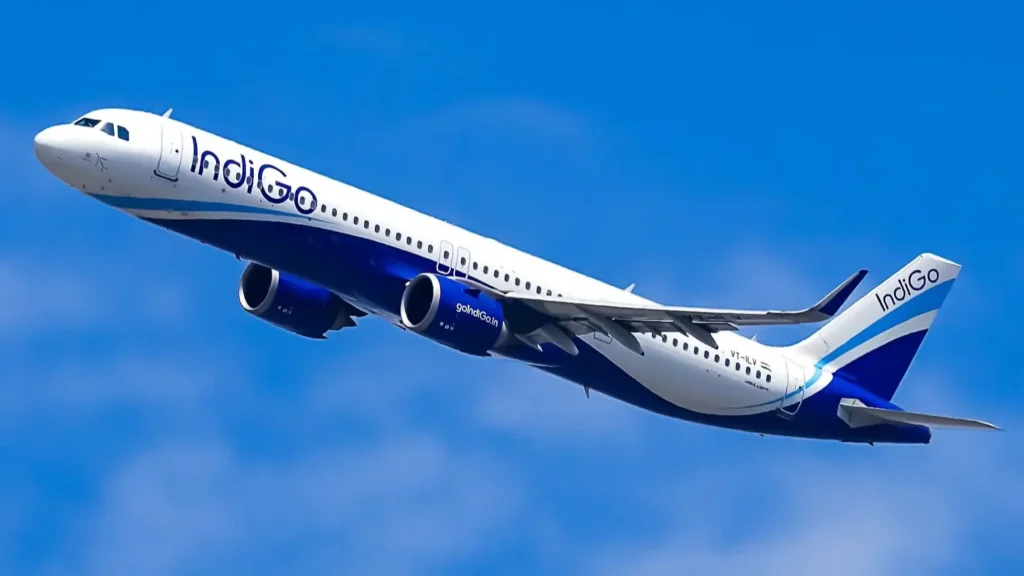
Although Airbus advertises the A321XLR with a maximum range of approximately 4,700 nautical miles, that figure represents ideal operating conditions.
Actual airline operations typically produce lower practical ranges because aircraft carry passengers, baggage, cargo, catering, reserve fuel, and operate under varying weather conditions.
Industry operators have indicated that the aircraft’s practical range is closer to about 3,900 nautical miles depending on configuration.
Since IndiGo’s A321XLR carries more passengers than some European operators, its real-world range may be even lower under comparable conditions.
The longer routing to Amsterdam means payload restrictions may occasionally be necessary, particularly during periods of strong headwinds. The airline may have to limit baggage or cargo capacity on certain flights to remain within performance limits.
However, because the Airbus A321XLR replaces the much larger Boeing 787-9, passenger demand may remain manageable despite the reduced seating capacity.
Amsterdam Has Become an Important Market
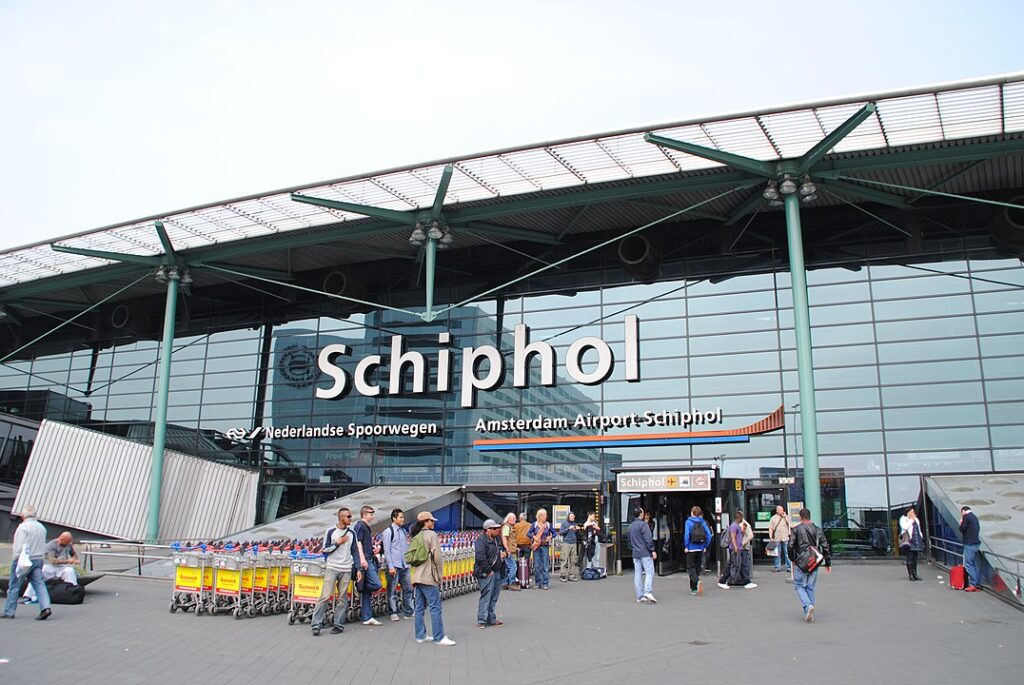
IndiGo launched Mumbai to Amsterdam flights in July 2025.
Initially operating three weekly flights, the service expanded to daily frequencies during the Winter 2025-26 schedule after the airline secured additional operating slots.
Mumbai remains IndiGo’s only nonstop connection to Amsterdam.
The airline selected Mumbai instead of Delhi because the Amsterdam to Delhi market already featured established competition from Air India (AI) and KLM (KL). By launching Mumbai service, IndiGo entered a market where KLM had previously been the only nonstop operator.
The strategy also strengthened connectivity through Amsterdam.
Through its partnership with KLM, IndiGo passengers can connect onward to nearly 29 European and international destinations via Amsterdam, while KLM customers gain access to more than 20 destinations through Mumbai.
Industry booking data also indicates that IndiGo significantly stimulated local passenger demand between Mumbai and Amsterdam after entering the market. Most travelers flew directly between the two cities rather than connecting beyond either hub, reinforcing the strength of the local market.
Once Airbus A350-900 deliveries begin, the airline is expected to transition the Amsterdam route back to widebody aircraft while maintaining the airport slots it worked to secure.
Stay tuned with us. Further, follow us on social media for the latest updates.
Join us on Telegram Group for the Latest Aviation Updates. Subsequently, follow us on Google News