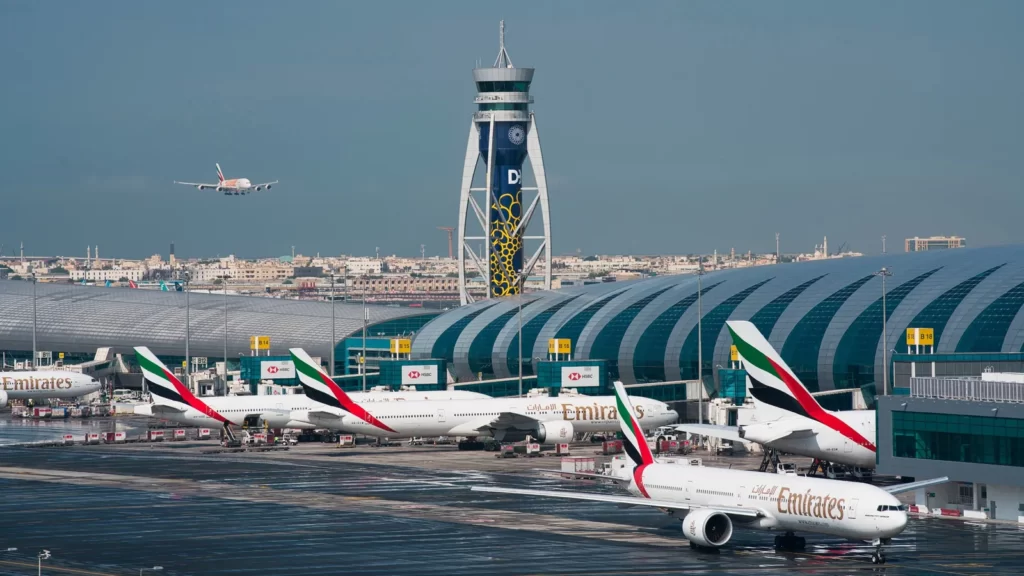
The Middle East is famous for some of the world’s largest and most luxurious airports, including Dubai International, Doha Hamad, and Abu Dhabi Zayed International.
However, beyond those giant global hubs, the region is also home to several highly regarded regional airports that deliver excellent passenger experiences on a smaller scale.
These airports may not handle the same enormous international traffic volumes, but many travellers actually prefer them because of their convenience, faster processing times, and calmer atmosphere. In recent years, regional airports across the Middle East have invested heavily in terminal upgrades, passenger comfort, and operational efficiency.
The 2026 Skytrax regional airport rankings reflect that progress. Saudi Arabia performs particularly strongly with two airports in the top five, while Oman, Jordan, and the United Arab Emirates also feature prominently.
Top 5 Best Regional Airports in the Middle East in 2026
Here are the Top 5 Best Regional Airports in the Middle East in 2026.
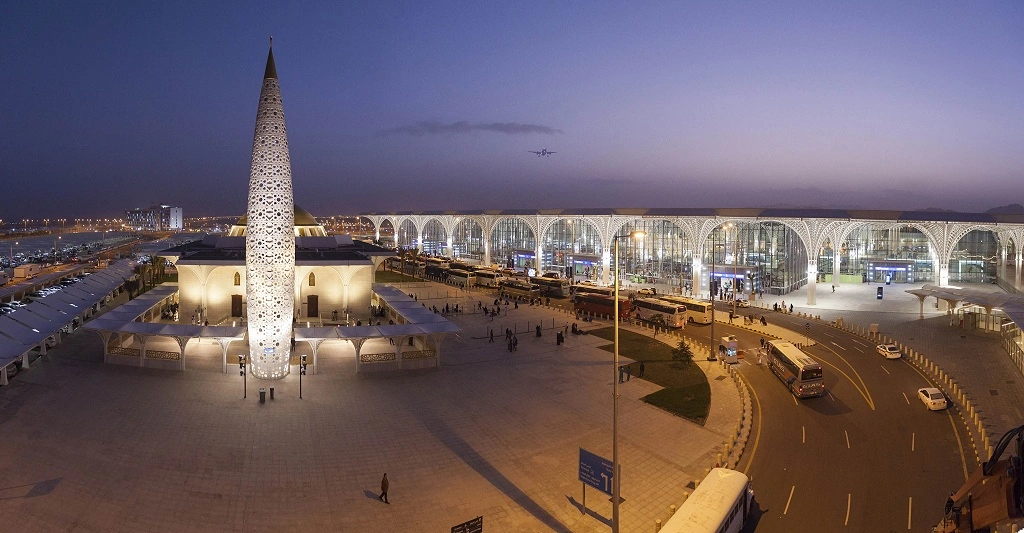
1. Medina
Medina Airport takes the top position in the Middle East for 2026 and continues to build a strong international reputation. Officially known as Prince Mohammad bin Abdulaziz International Airport, it serves one of Islam’s holiest cities.
The airport handles millions of religious travellers every year, especially during the Hajj and Umrah seasons. Despite those heavy passenger flows, Medina is widely praised for organisation, cleanliness, and efficient operations.
Passengers often highlight the calm terminal atmosphere, helpful staff, and relatively smooth immigration procedures. The airport has also undergone major modernisation in recent years, improving overall comfort significantly.
For many visitors arriving for pilgrimage, Medina provides a welcoming and well-managed gateway to the city.
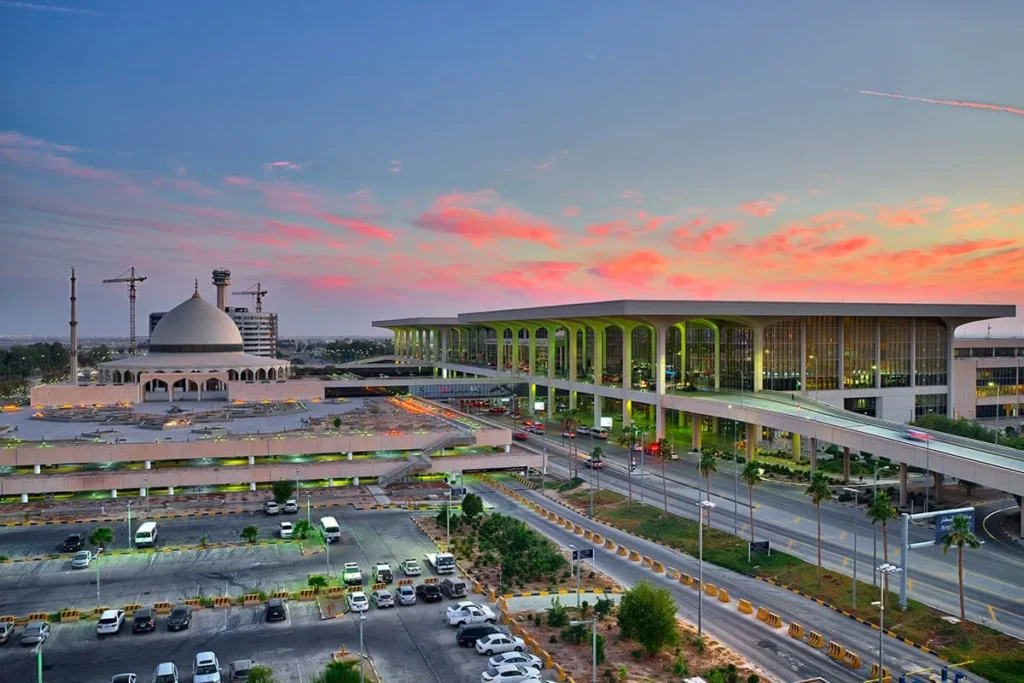
2. Dammam
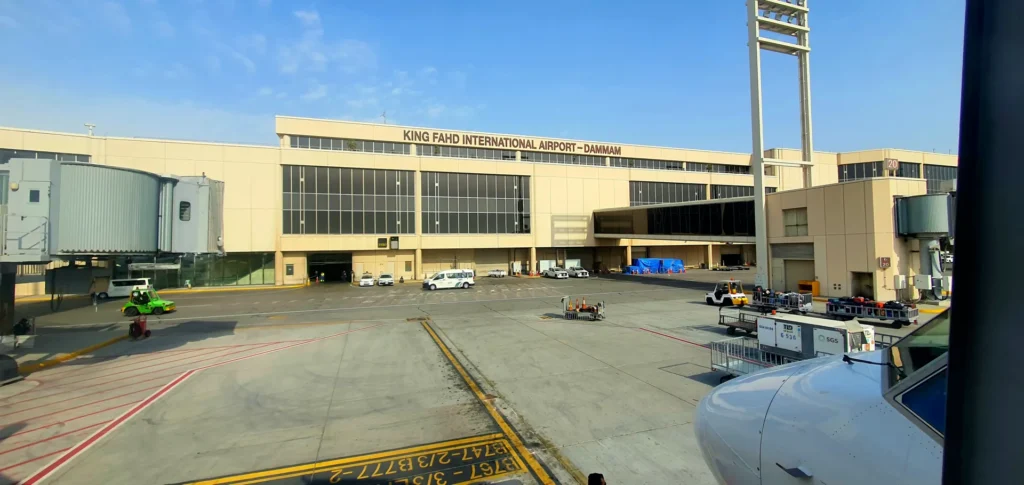
Dammam ranks second and reinforces Saudi Arabia’s growing aviation standards. King Fahd International Airport, which serves the Eastern Province, is actually one of the world’s largest airports by land area.
Despite its huge size, passengers often find the airport easy to navigate and less stressful than some larger Gulf hubs. Spacious terminals, modern facilities, and efficient passenger flow all contribute to strong satisfaction levels.
The airport plays an important role for business travel due to the region’s oil and energy industries. It also connects travellers to nearby cities such as Dhahran and Al Khobar.
Dammam’s continued rise reflects Saudi Arabia’s wider investment in infrastructure and tourism.
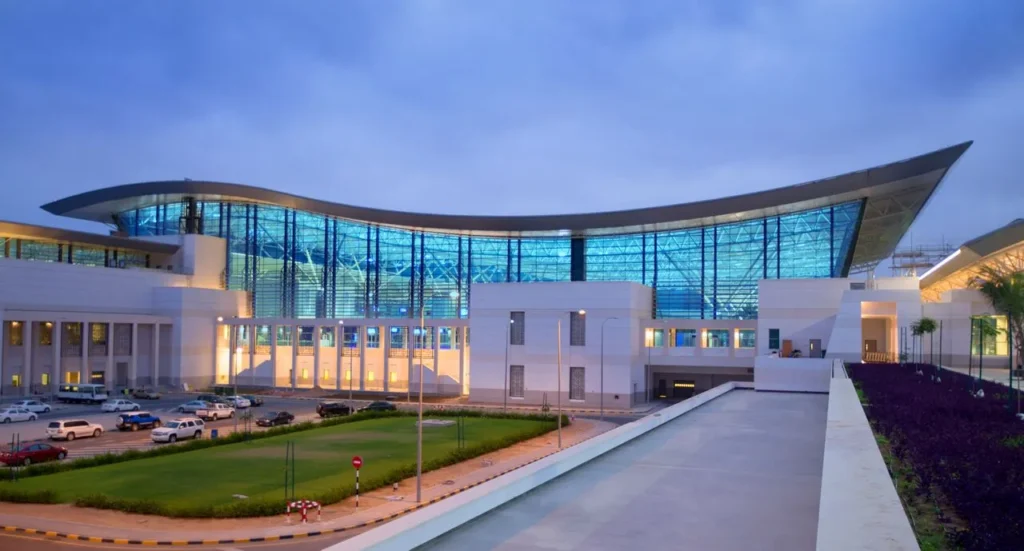
3. Salalah
Salalah takes third place and remains one of the Middle East’s most pleasant regional airports. Located in southern Oman, it serves a city known for its beaches, mountains, and famous khareef monsoon season.
Passengers regularly praise the airport’s relaxed atmosphere, modern architecture, and manageable size. Compared with the intense pace of larger Gulf airports, Salalah feels calmer and more personal.
The terminal is modern and clean, with straightforward processing and easy access to the city. Tourism growth in Oman has also helped raise the airport’s international profile.
For travellers seeking a smoother and quieter journey, Salalah performs exceptionally well.
4. Amman
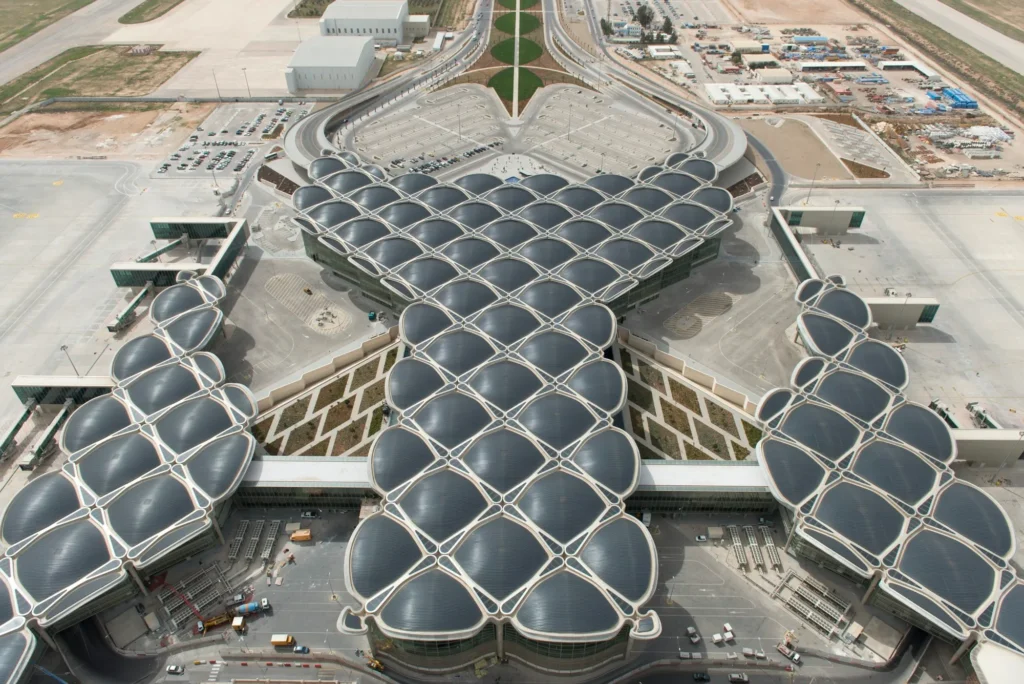
Amman ranks fourth and continues to be one of the Levant region’s strongest airports. Queen Alia International Airport serves as Jordan’s main international gateway and connects the country to Europe, Asia, and the Gulf.
Passengers often compliment the terminal’s modern design, efficient layout, and warm hospitality. The airport combines functionality with architecture inspired by traditional Middle Eastern patterns.
It is especially important for tourism, as many visitors arrive in Jordan to see Petra, Wadi Rum, and the Dead Sea.
Compared with many larger hubs, Amman offers a more manageable and less exhausting travel experience.
5. Dubai World Central
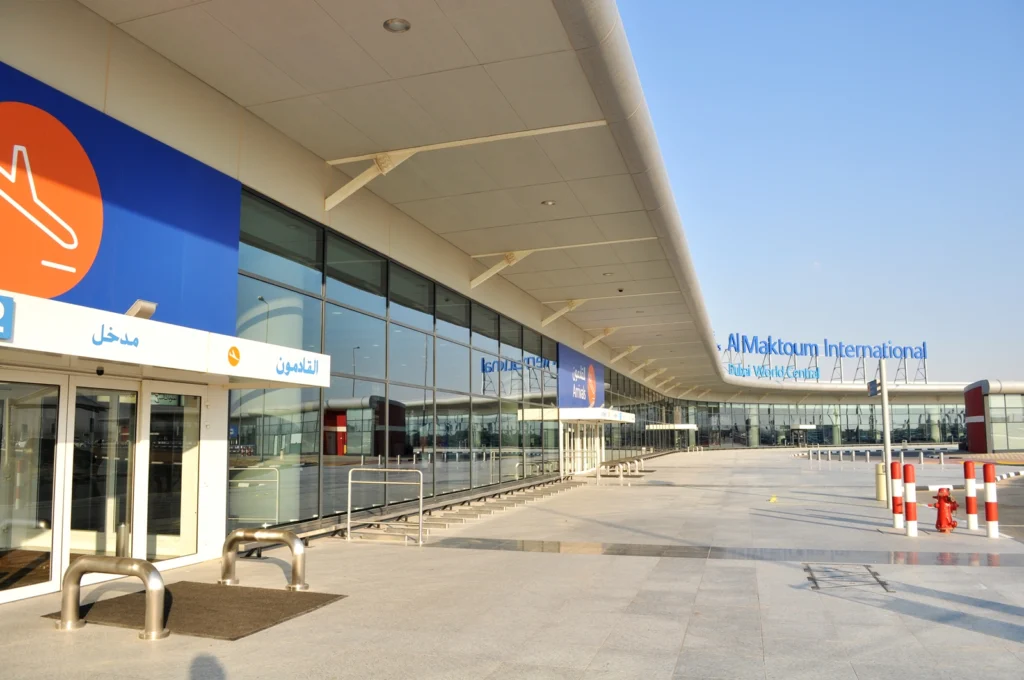
Dubai World Central completes the top five and represents one of the Middle East’s most ambitious aviation projects. Officially known as Al Maktoum International Airport, it was designed to support Dubai’s long-term aviation expansion.
While it currently handles far fewer passengers than Dubai International, many travellers enjoy the quieter environment and easier movement through the terminal.
The airport benefits from modern infrastructure, spacious design, and relatively quick processing times. As Dubai continues expanding its aviation sector, World Central is expected to grow substantially in the coming years.
Its inclusion in the rankings highlights its strong potential and improving passenger experience.
Why Regional Airports Matter in the Middle East
Regional airports are becoming increasingly important across the Middle East for several reasons:
- Faster immigration and security processing
- Less congestion than major Gulf hubs
- Easier terminal navigation
- Better passenger comfort during shorter journeys
- Growing tourism development
- Improved domestic and regional connectivity
For many travellers, these airports provide a smoother and more relaxed experience.
Key Trends in the 2026 Rankings
Several important trends stand out this year:
- Saudi Arabia dominates with two airports in the top five
- Tourism growth is helping airports like Salalah and Amman rise
- Smaller airports are focusing heavily on passenger comfort
- Regional connectivity is becoming increasingly important
- Travellers are valuing convenience and efficiency more than sheer size
The Middle East’s aviation success is no longer limited to giant international hubs.
Bottom Line
The best regional airports in the Middle East in 2026 prove that smaller airports can often provide a better overall passenger experience than mega hubs. Medina leads the rankings through strong service standards and efficient management of religious tourism traffic.
Dammam, Salalah, Amman, and Dubai World Central each offer different strengths, from business convenience to relaxed tourism-focused travel.
As Middle Eastern aviation continues evolving, these regional airports are becoming an increasingly important part of the region’s travel network.
FAQs
Medina Airport in Saudi Arabia ranks as the best regional airport in the Middle East for 2026.
Saudi Arabia leads with two airports in the rankings: Medina and Dammam.
Regional airports are usually less crowded, easier to navigate, and offer quicker processing times compared with large international hubs.
Stay tuned with us. Further, follow us on social media for the latest updates.
Join us on Telegram Group for the Latest Aviation Updates. Subsequently, follow us on Google News