ARLINGTON, VIRGINIA- The United States Air Force (USAF) is seeking new manufacturers for fighter jet engines after raising concerns over production delays, quality control problems, and supply chain weaknesses affecting current suppliers.
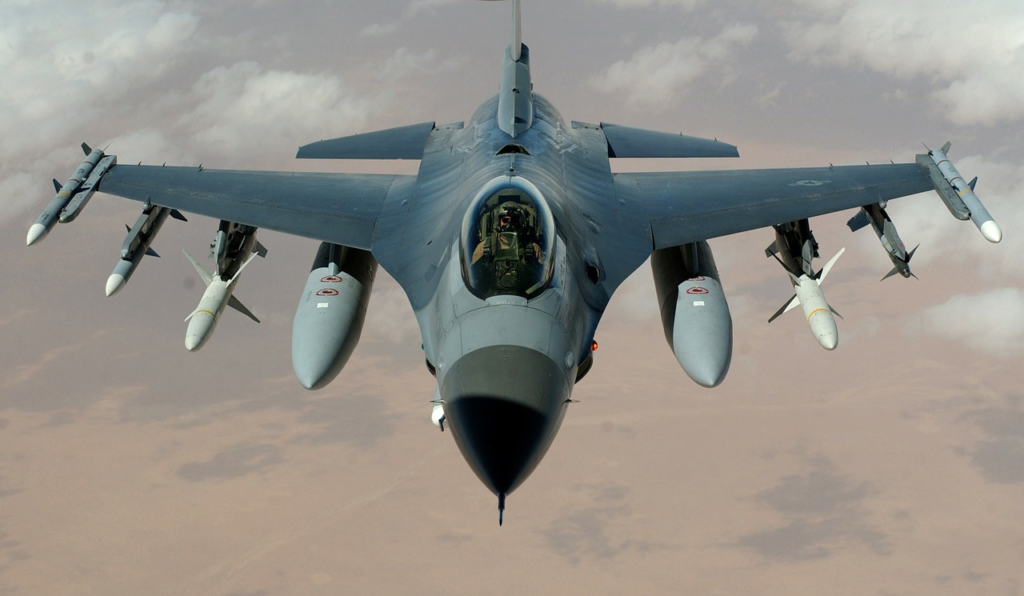
The initiative primarily targets engines for the Boeing F-15EX Eagle II and Lockheed Martin F-16 Fighting Falcon, which operate from numerous United States Air Force bases across the country. Unlike commercial aviation, these military aircraft and bases do not use IATA airline or airport codes.
The new procurement strategy aims to create stronger competition within the defense industrial base while improving manufacturing capacity, lifecycle costs, and long-term fleet readiness. The Air Force has invited industry responses through a Request for Information (RFI), with submissions due by August 28.
US Air Force Launches New Fighter Engine Procurement Strategy
The U.S. Air Force has formally begun exploring alternatives for future fighter aircraft engines after identifying significant shortcomings in the existing industrial base.
According to the Request for Information (RFI), current engine manufacturers have struggled with production delays, inconsistent quality standards, diminishing manufacturing sources, and shortages of critical materials.
The service stated that these challenges have affected the availability and reliability of engines required for operational aircraft while increasing maintenance demands and procurement risks.
The RFI outlines a long-term acquisition strategy designed to encourage competition, stimulate innovation, and expand domestic manufacturing capacity. Rather than relying solely on traditional procurement methods, the Air Force intends to incentivize companies to modernize production processes and strengthen supply chain resilience.
Industry responses are due by August 28, after which the Air Force will evaluate potential approaches for its future fighter engine programs.
Engine Problems Continue to Affect Major USAF Programs
The decision follows years of engine-related difficulties across several high-profile Air Force aircraft programs.
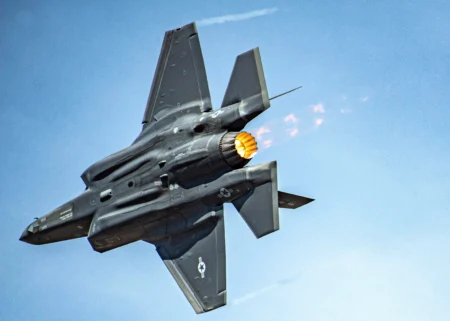
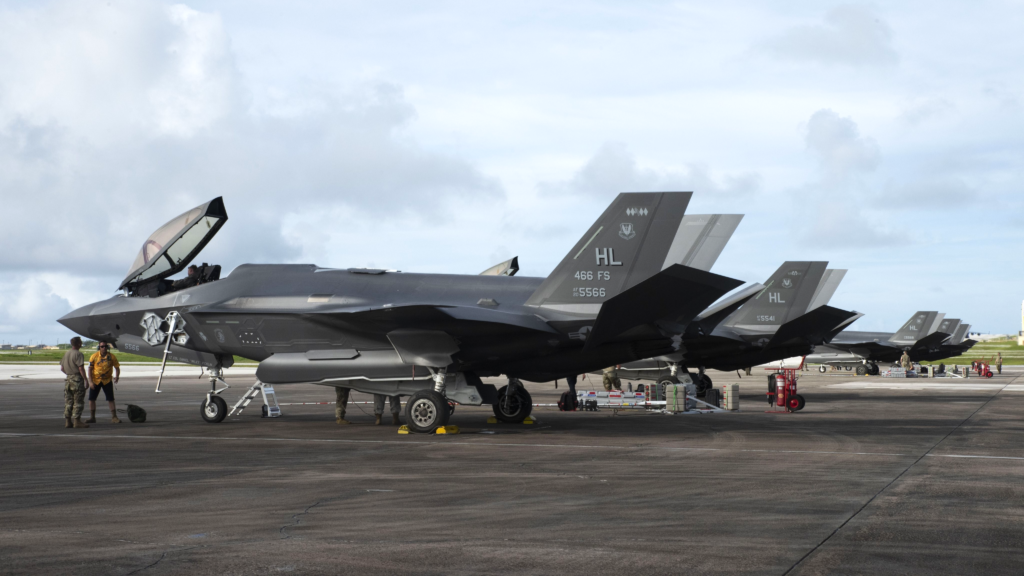
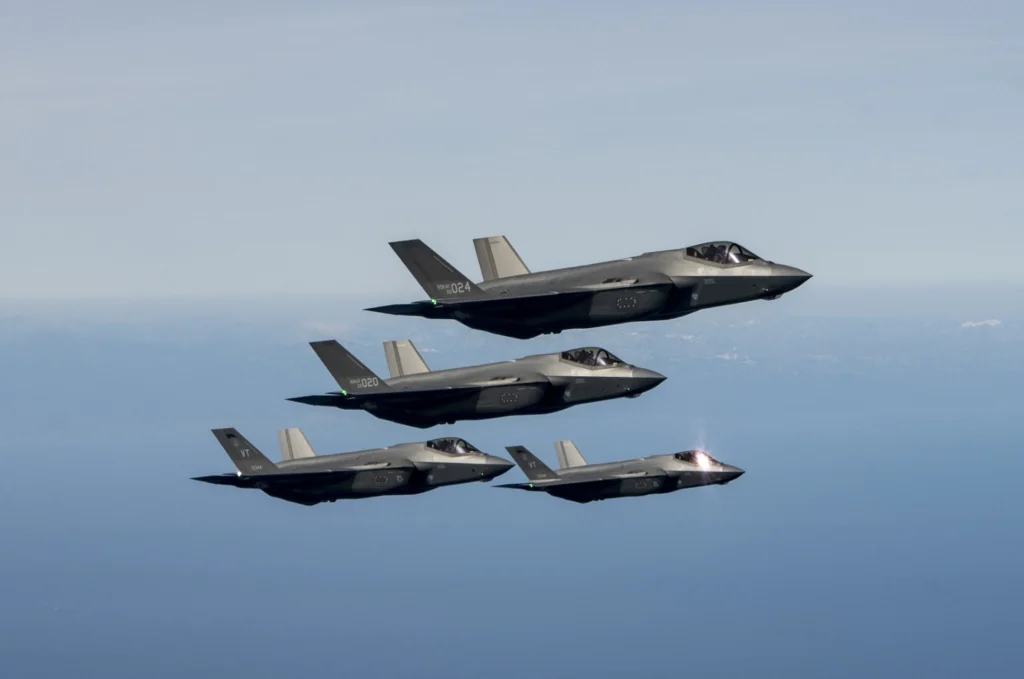
One of the most significant examples involves the Lockheed Martin F-35 Lightning II, where engine performance and production challenges have delayed both aircraft deliveries and modernization efforts.
A report by the U.S. Government Accountability Office (GAO) noted that the engine contractor was still failing to consistently deliver engines meeting contract specifications despite more than two decades of production.
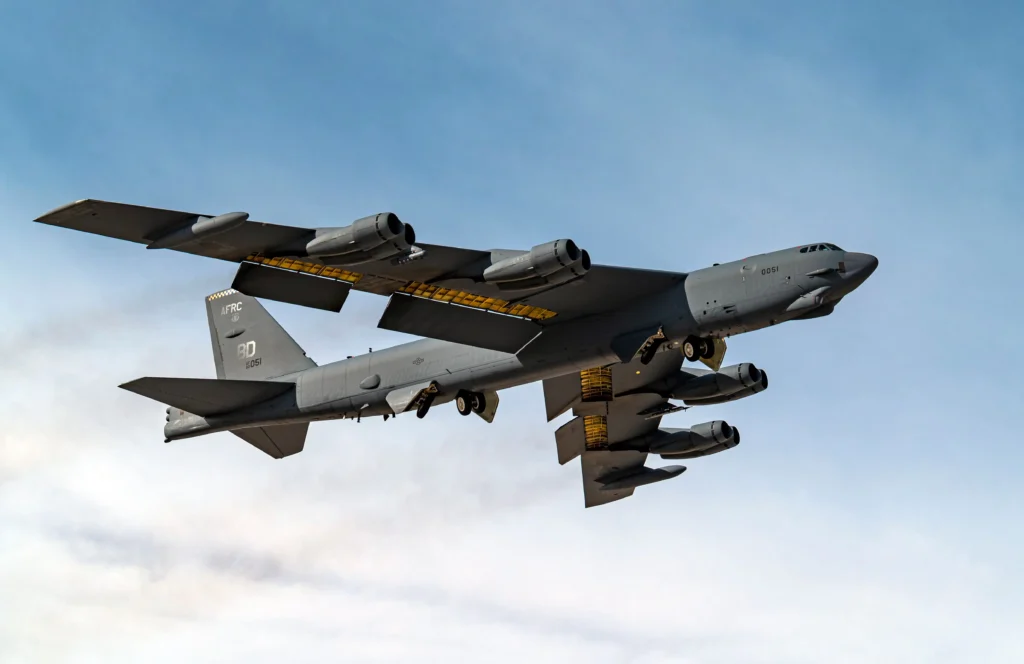
Another major program impacted is the modernization of the Boeing B-52 Stratofortress fleet. According to the GAO, engine-related issues have contributed to approximately $3 billion in additional costs while delaying the aircraft’s initial operational capability by around 15 months.
These setbacks have reinforced concerns over the ability of the current industrial base to meet future military requirements efficiently.
More Than 180 Fighter Engines Planned Each Year
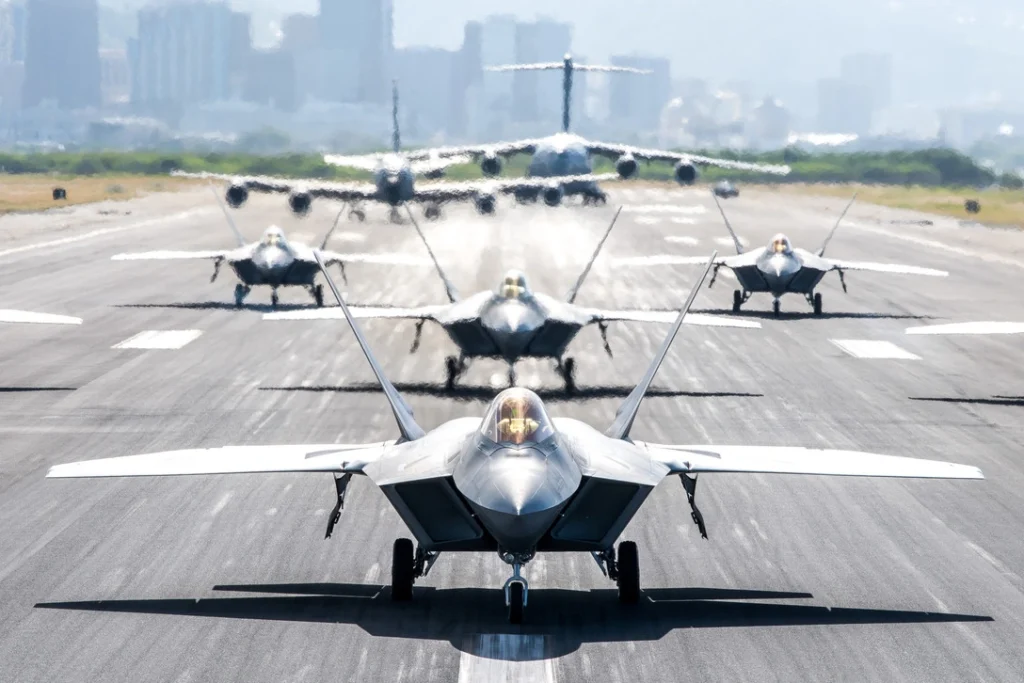
The Air Force’s long-term procurement plan envisions acquiring more than 180 fighter engines annually by 2034.
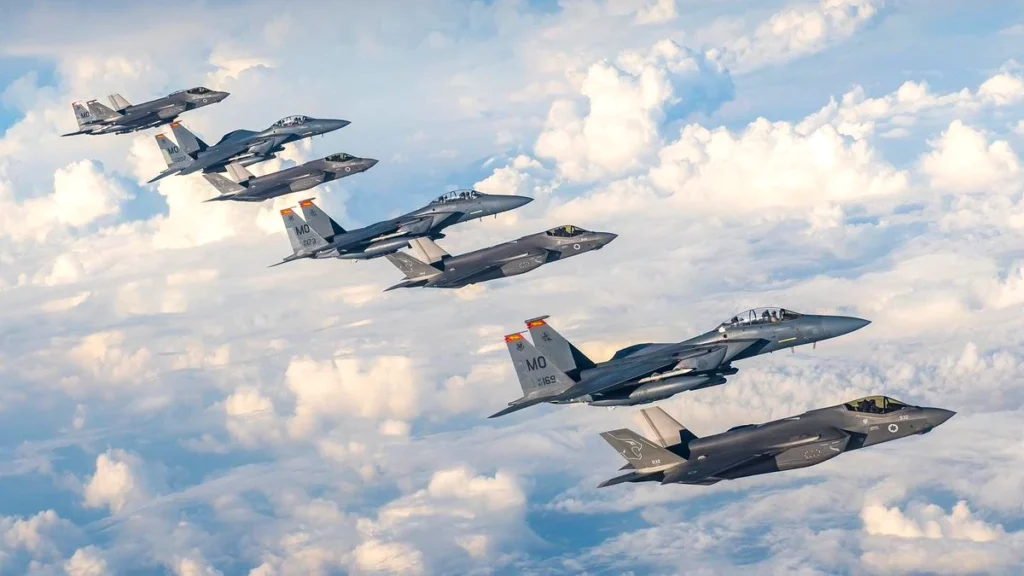
The RFI specifically references future engine requirements for the F-15EX Eagle II and the F-16 Fighting Falcon, both of which remain central to U.S. Air Force operations as well as Foreign Military Sales (FMS) programs.
Officials expect the new acquisition model to improve production capacity while ensuring a steady supply of engines for domestic and international customers.
The strategy also seeks to reduce dependence on limited manufacturing sources by encouraging additional qualified suppliers to enter the market.
Five Pillars Aim to Transform Engine Procurement
The Air Force described its new acquisition framework as being built around five foundational pillars intended to reshape how fighter engines are purchased and supported throughout their service life.
Instead of focusing primarily on the initial acquisition price, future contracts will place greater emphasis on total lifecycle costs, including maintenance, reliability, operational availability, and long-term sustainment.
The Air Force also plans to hold manufacturers accountable for delivering engines that offer improved durability, lower operating costs, and greater readiness.
Officials believe this approach will reduce aircraft downtime while easing maintenance requirements across operational units.
Supply Chain Strength Becomes a Top Priority
A major focus of the RFI is building a resilient supply chain capable of supporting sustained production.
The Air Force said contractors will be expected to establish reliable manufacturing networks from the beginning of the program, ensuring a continuous flow of components and replacement parts throughout the engine’s operational life.
The service stated that improved supportability would reduce logistics complexity, minimize maintenance burdens, and maximize aircraft availability for operational missions.
Manufacturers must also demonstrate the ability to rapidly increase production during periods of increased military demand.
Raw Material Shortages Raise Additional Concerns
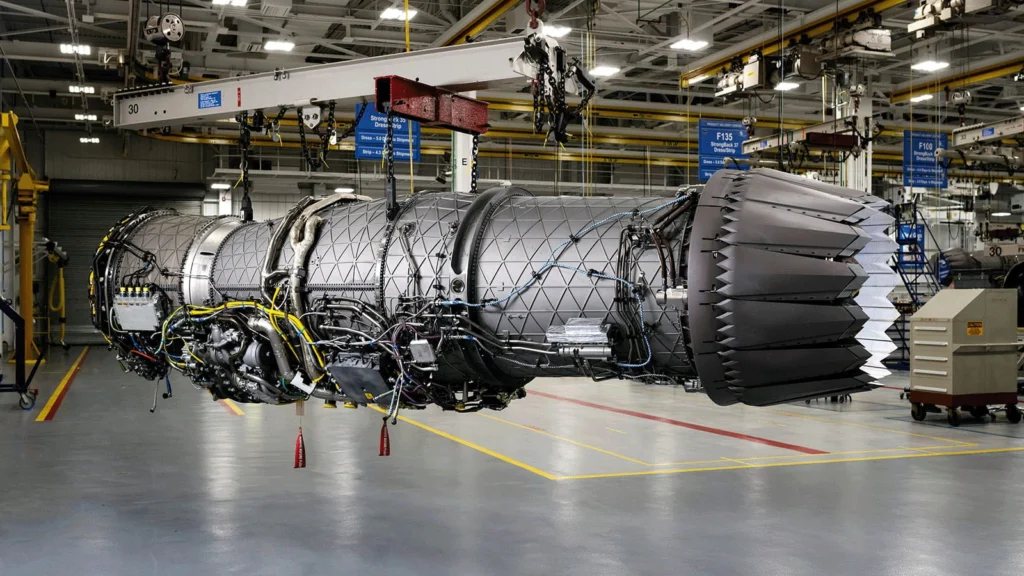
The RFI also highlights growing concerns over access to critical raw materials required for advanced fighter engines.
Manufacturers are being asked to identify potential risks involving specialized titanium and nickel alloys, advanced casting capabilities, forging capacity, and other manufacturing bottlenecks that could limit production growth.
The Air Force specifically wants industry feedback on how global supply constraints may affect future manufacturing capacity.
These questions come as global competition for strategic materials intensifies and export restrictions on certain rare earth elements continue to reshape international supply chains.
Industry Must Demonstrate Manufacturing Scalability
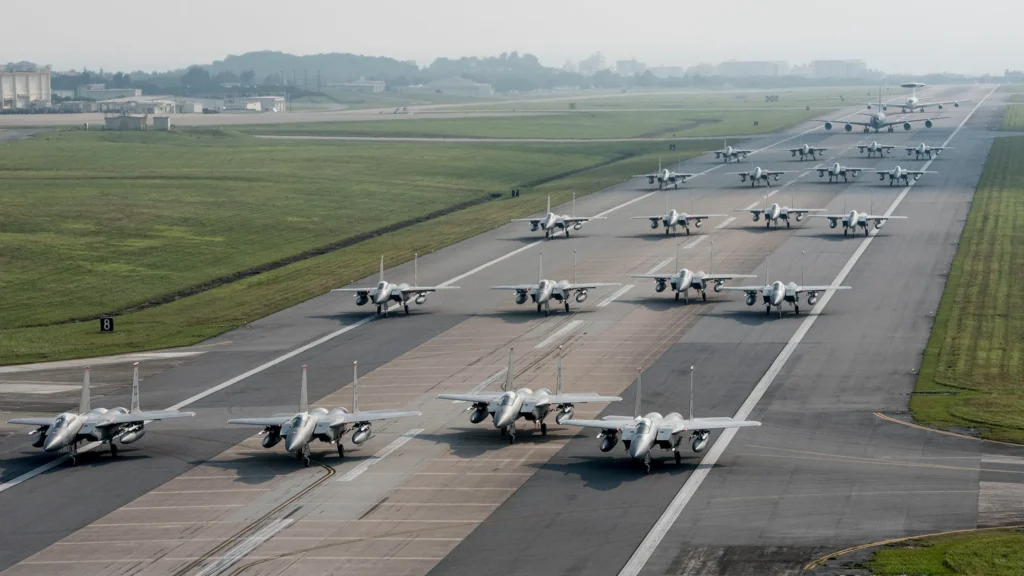
Companies responding to the RFI must provide detailed information regarding development timelines, production schedules, manufacturing capacity, and investment strategies.
The Air Force is also requesting information on the minimum production volume needed to justify private investments such as factory expansion, tooling modernization, and advanced automation.
Officials want to understand how these investments could lower long-term production costs while ensuring stable engine availability for future Air Force and Foreign Military Sales programs.
The Air Force has made clear that future partners must demonstrate the ability to rapidly scale production while consistently meeting stringent quality and performance standards.
Stay tuned with us. Further, follow us on social media for the latest updates.
Join us on Telegram Group for the Latest Aviation Updates. Subsequently, follow us on Google News