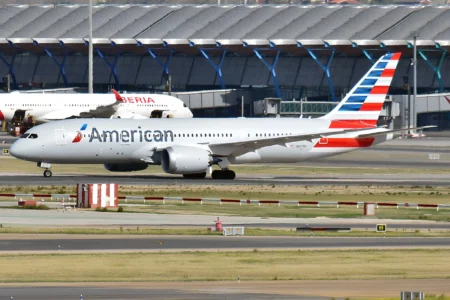
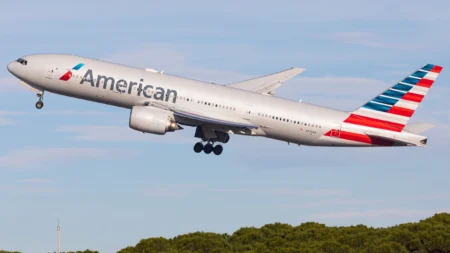
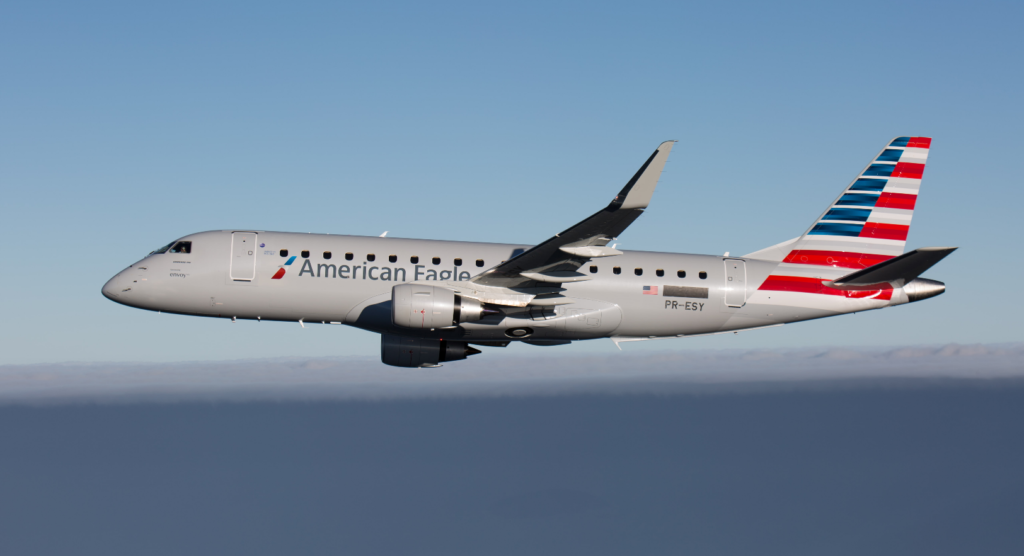
FORT WORTH- American Airlines (AA) is trying to rebuild its position in New York, centered on John F. Kennedy International Airport (JFK), LaGuardia Airport (LGA) and Newark Liberty International Airport (EWR).
Its decline followed years of cost-focused decisions, weaker premium products and a network strategy that often measured flights more narrowly than customer value.
American Airlines faces similar challenges at Chicago O’Hare and Los Angeles, while San Francisco and San Jose remain important Bay Area opportunities. The core problem is that American treated the economics of flying, loyalty, and credit card spending as separate issues.
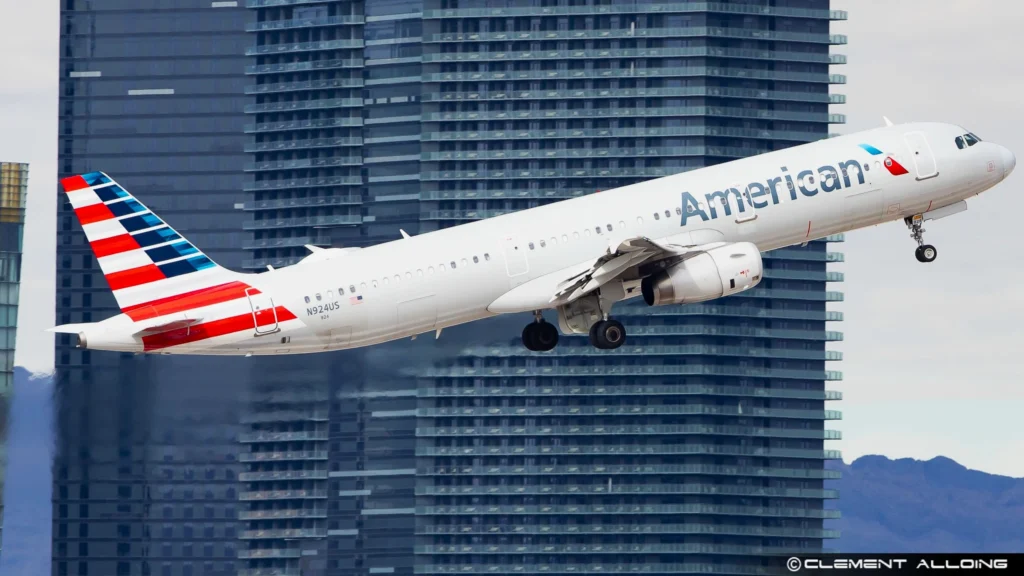
Why American Airlines Lost Ground in Its Biggest Markets
Two strategic mistakes shaped American’s decline after US Airways management took over.
First, management effectively positioned American closer to Spirit Airlines (NK) and Frontier Airlines (F9), even though American could not compete with their cost structure. With higher costs, American needed a revenue premium.
Instead, it increased seat density and reduced some business class and extra legroom capacity just as customers were becoming more willing to pay for a better product.
Robert Isom’s first message to employees as CEO in 2022 emphasized not spending money unnecessarily. Earlier, as airline president, he described the need to remain aware of low-cost competitors and what customers were willing to pay.
Second, American underestimated the importance of its loyalty and credit-card business.
AAdvantage had previously reported a margin of about 53%, making loyalty revenue a major source of profit when the airline itself was struggling. The source argues that American failed to recognize how the schedule drives card acquisition, card spending and customer loyalty.
A route can therefore matter even when its ticket revenue does not cover its standalone operating cost. Losing a route can also make the airline less relevant to customers in that market, which can reduce future flying, AAdvantage engagement and credit-card spending.
The result was a decline in network relevance, premium capacity and co-branded card share. American went from leading US airline co-brand card charge volume roughly a decade ago to third place by its own account.
The same argument is emphasized by View from the Wing: American’s network, loyalty program and credit-card business should be evaluated together.
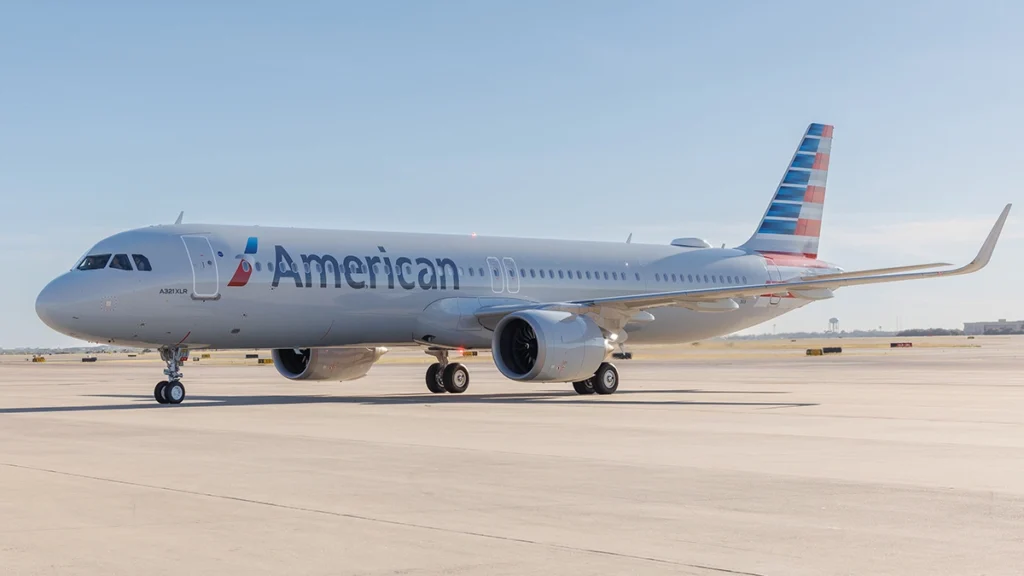
New York: Damage Is Hard to Reverse
American’s biggest New York mistake was treating individual flights primarily as standalone profit decisions. The airline cut flights that did not justify themselves on direct revenue and operating cost, but the smaller schedule also made American less relevant to New Yorkers.
After the US Airways merger, management focused on bringing passengers into New York rather than serving New Yorkers.
It later pursued a narrow strategy built around London and premium transcontinental flying. When that failed to provide a complete network, American turned to its Northeast Alliance with JetBlue.
The alliance was strategically attractive because JetBlue had New York customers and slots, while American had a global network, AAdvantage, oneworld relationships and strong international connectivity.
The Biden administration’s Department of Justice successfully challenged the alliance on antitrust grounds.
The source argues that the problem would have been different in a full merger because coordination inside one company would not create the same Section 1 Sherman Act issue.
The discussion also cites Copperweld Corp. v. Independence Tube Corp. and the distinction between Section 1 and Section 7 antitrust analysis.
JFK’s Slot History Matters
American once operated about 146 daily departures from JFK in July 2000, but the airport’s slot regime changed significantly.
Earlier restrictions applied only during the 5 peak transatlantic hours. The rule ended in 2007, and the FAA imposed broader restrictions in 2008 covering most of the operating day.
American entered that period from a weakened position. Today, its slot portfolio is far smaller than its historical schedule, while Delta and JetBlue have much larger positions.
American also failed to use some JFK slots. In 2019, the FAA identified seven individual slots that American had to relinquish. Those losses matter because JFK is slot-controlled and difficult to rebuild quickly.
LaGuardia Is More Valuable to American
American is stronger at LGA than JFK. The source gives American 327 individual takeoff and landing slots, behind Delta’s 511 and ahead of United, Southwest and JetBlue.
But American cannot easily use LGA to reverse its entire New York decline because it no longer has the JFK scale it once had.
The source also highlights the 2011 US Airways transaction in which 132 LaGuardia slot pairs were transferred to Delta in exchange for 42 Washington National pairs and cash.
After required divestitures, Delta gained a net 116 LaGuardia pairs. Later, the combined American-US Airways operation also had to divest additional LaGuardia slots.
The strategic consequence was significant: one of US Airways’ most valuable New York assets became part of Delta’s New York position before the American merger.
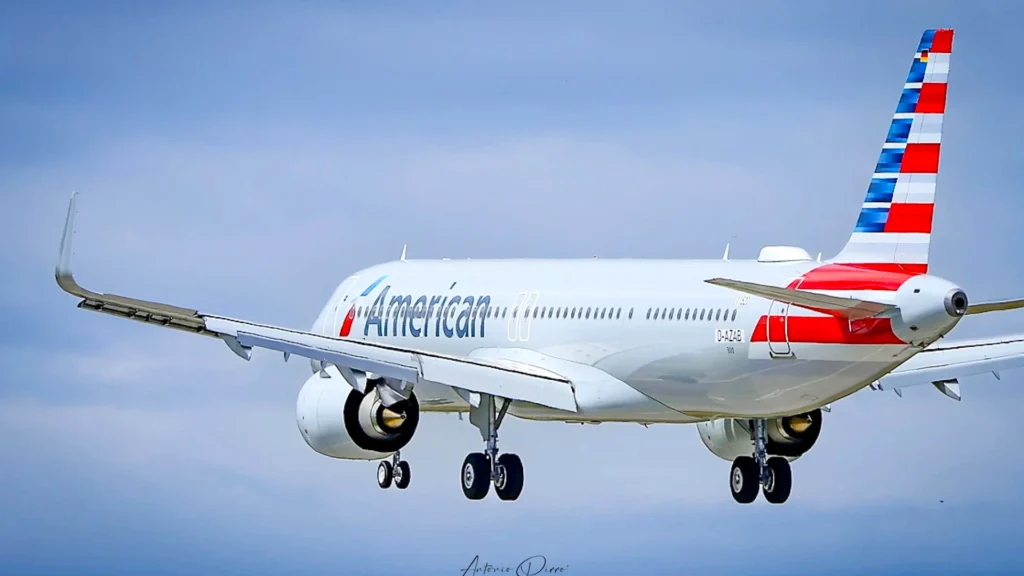
What American Should Do in New York
American should treat LGA primarily as a local New York airport, with frequent nonstop service and schedules designed around New Yorkers.
The airline should use JFK for premium transcontinental flying, London, international joint-business routes, oneworld partners and other long-haul service that cannot be replicated effectively at LGA.
JFK should not become a major connecting hub. Given slot constraints, the better strategy is premium and international relevance.
American should also pursue additional slots whenever opportunities arise rather than waiting for major blocks to become available.
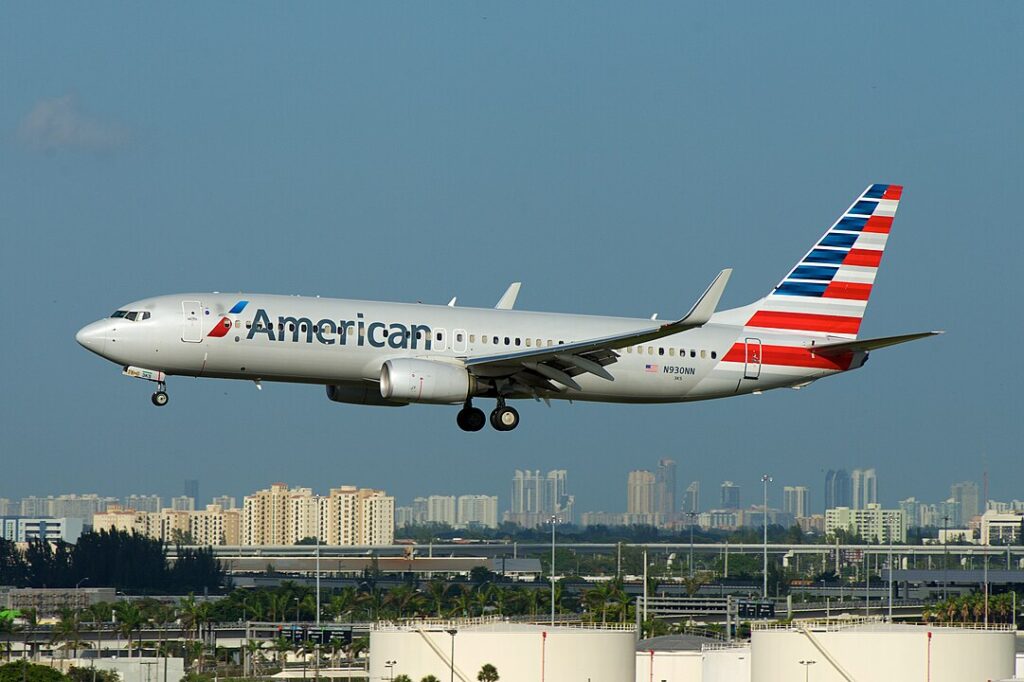
Chicago: Rebuilding Relevance
American is finally rebuilding Chicago aggressively. The airline was slow to restore ORD capacity after the pandemic because it had retired too many aircraft while prioritizing Dallas and Charlotte. United tried to strengthen its position by increasing schedules and seeking additional gates.
The FAA ultimately limited the airport’s growth based on operational capacity, which helped protect American from losing ground entirely.
American later bought two gates from Spirit and began building a new Admirals Club.
The source says American now operates about 500 peak-day departures to more than 75 destinations, roughly 25% above spring 2025 levels. AAdvantage enrollment in Chicago increased 20%.
American does not need to overtake United, which has more gates. It needs enough scale to remain relevant to Chicago customers.
The strategy should focus on local customers, selective aircraft upgauging and enough frequency to protect the airline’s loyalty and card relationships.
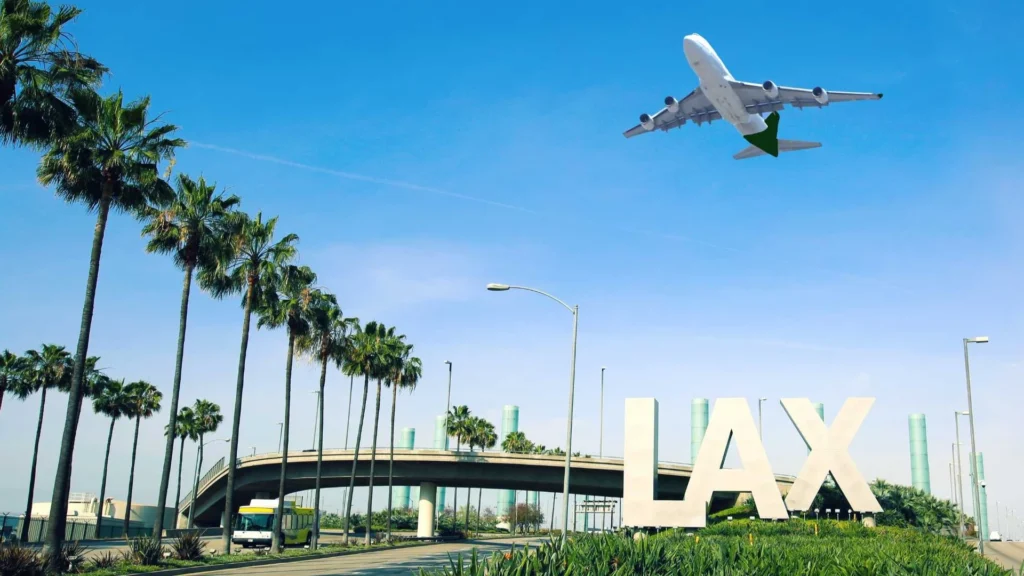
Los Angeles Is Biggest Opportunity
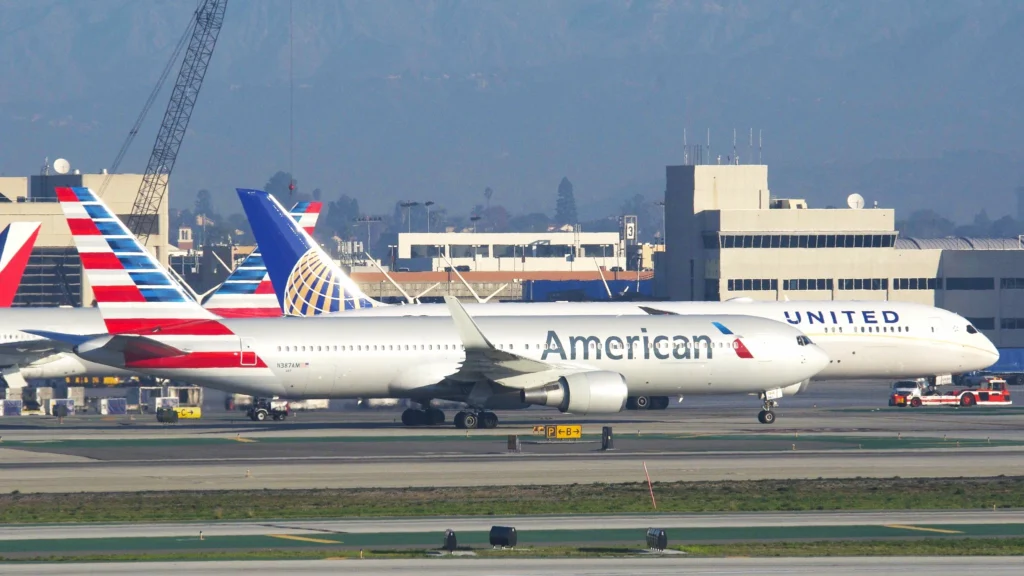
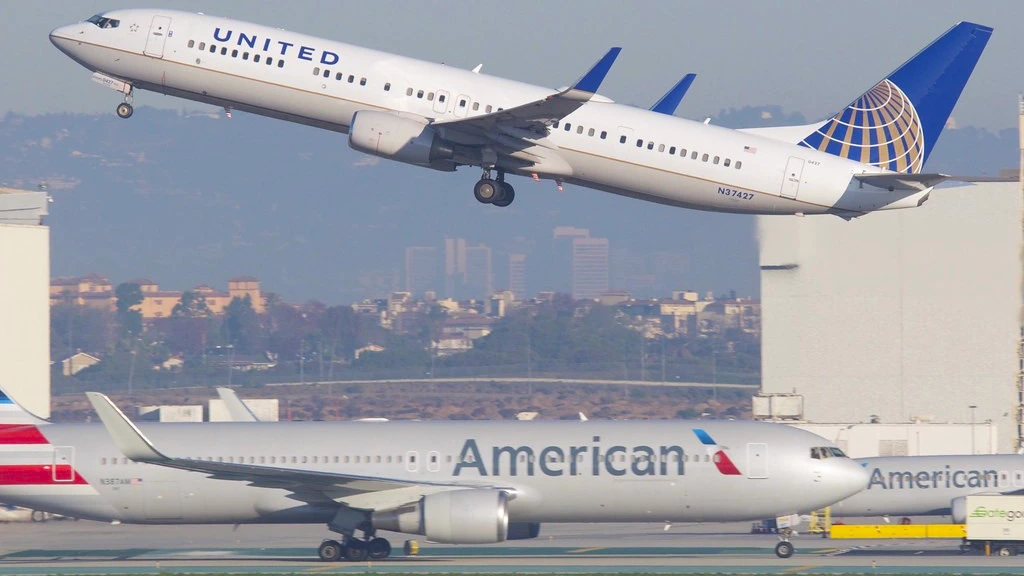
American was once the largest airline at LAX and had strong corporate relationships, including with Hollywood studios. It has since fallen to third place.
The source gives first-half 2026 passenger shares of:
- Delta: 19.79%
- United: 17.56%
- American: 15.99%
Unlike New York, LAX is not slot-controlled. It is primarily gate-constrained, which gives American more room to rebuild.
The airline had 20 preferential gates across Terminals 4 and 5 and was expected to reach 25.
American should use that position to build an LAX network for Los Angeles customers, with competitive frequencies to major business and leisure markets, Hawaii, Mexico and other destinations listed in the source.
Its own international flying should also be rebuilt where aircraft economics allow. British Airways, Japan Airlines and Qantas already provide strong joint-business relationships, which can support the international network.
American should also consider reopening Flagship First Dining at LAX. A stronger premium ground product could help differentiate American from Delta and United and strengthen its premium brand.
Different Strategy
American is much weaker at SFO than United. The source gives American 6.9% of enplanements, compared with United at 48.7%, Alaska at 9.5% and Delta at 7.6%.
Alaska’s pullback from several SFO routes reduces the value of relying on Alaska alone for Bay Area strength.
The more promising strategy may be to treat the Bay Area as a multi-airport market.
American operated a hub at SJC from 1998 to 2003. The source argues that SJC could now provide access to Silicon Valley, corporate contracts and targeted long-haul opportunities without requiring American to displace United at SFO.
Southwest dominates SJC, but the airport remains below its 2019 traffic level. That leaves room for a premium global airline to build selectively.
The Network Problem
American should not evaluate network decisions only through traditional route profitability. The source argues that the real unit of analysis should be the customer.
A customer may redeem miles on one flight, but the reason that customer acquired an American card may have been the airline’s schedule in New York, Los Angeles, Chicago or San Francisco.
That means American should connect:
- AAdvantage enrollment and attrition
- new card accounts
- card spending
- premium and corporate travel
- systemwide customer revenue
- incremental network costs.
The airline should then test whether improving frequency increases loyalty and card activity, and whether removing routes causes customers to move their flying and spending to competitors.
Scott Kirby’s post-American strategy at United is used in the source as an example of this logic. Rebuilding hubs was not only about filling aircraft. It also made United more relevant to customers and supported loyalty and credit-card acquisition.
Every Money-Losing Route
The answer is not to preserve every route that loses money. American should identify markets where strategic flying produces measurable customer value and distinguish them from routes that remain unprofitable without generating meaningful loyalty, premium or card benefits.
The goal is not to dominate every market. American will not become the largest airline in New York, and it is unlikely to surpass United in Chicago.
It does, however, need to remain relevant enough to attract high-value customers and protect AAdvantage spending.
More Investment Is Necessary
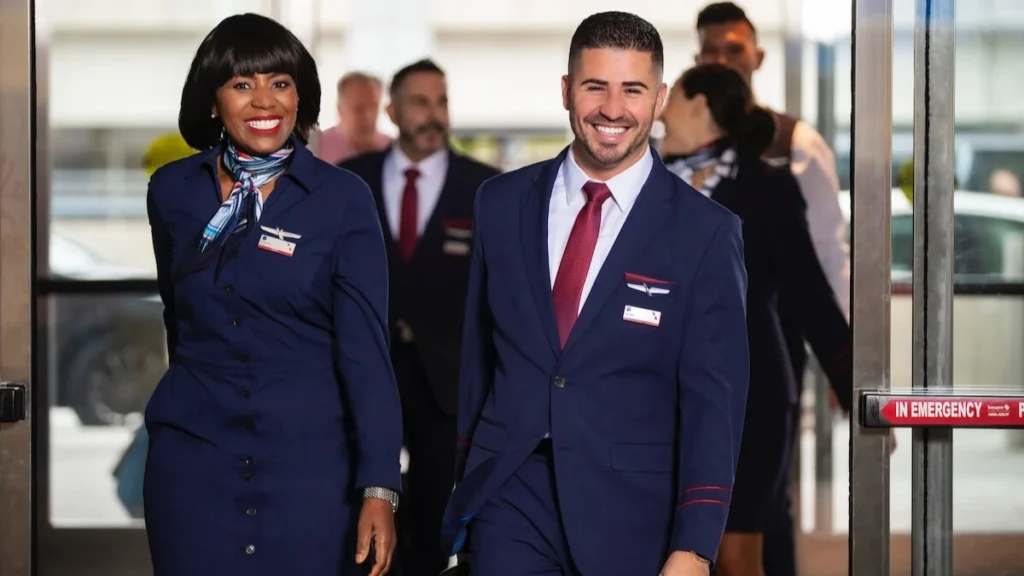
American has a long investment deficit. The airline spent years trying to survive after September 11 and through the financial crisis while avoiding bankruptcy. That led to cost cuts, employee pressure and reduced investment.
US Airways management later emphasized lower costs, fewer premium seats, more seats overall, and cuts to elements such as clubs and meals.
The result was a product that often competed on price and convenience instead of attracting customers willing to pay more.
American now needs to reverse those decisions. It needs more aircraft, stronger operations, more premium seats and more extra-legroom capacity. It also needs to improve the coach product because most travelers fly economy, and future premium customers often come from that group.
Operational performance matters as well, including on-time reliability, baggage handling and involuntary denied boardings.
Better Strategy
American does not need to win every market. It needs to become a preferred carrier in the markets that matter most.
In New York, that means rebuilding relevance with LGA frequency and a focused JFK premium and international strategy. In Chicago, it means sustaining the network recovery and protecting local customer loyalty. In Los Angeles, it means using new gate capacity to rebuild the local network and strengthen premium positioning. In the Bay Area, it means testing a multi-airport strategy centered on SFO and SJC.
Across all 4 markets, American should evaluate the full economic value of the customer, not just the profitability of an individual flight.
The airline’s future depends on linking network scale, premium demand, AAdvantage loyalty and credit-card spending. That is the strategic shift required to recover from the decisions that weakened its position in America’s biggest markets.
Stay tuned with us. Further, follow us on social media for the latest updates.
Join us on Telegram Group for the Latest Aviation Updates. Subsequently, follow us on Google News