MONTREAL- Air Canada (AC) has confirmed plans to introduce the Airbus A350-1000 as its next flagship long-haul aircraft, replacing aging Boeing 777-300ER jets across key international routes. The decision marks a major fleet strategy shift for Canada’s largest airline.
The airline will use the new aircraft on services from Toronto Pearson International Airport (YYZ), Vancouver International Airport (YVR), and Montreal Trudeau International Airport (YUL), prioritizing delivery certainty, lower operating costs, and greater network flexibility over Boeing’s delayed 777X program.
Air Canada’s Long Haul Fleet Strategy Enters a New Phase
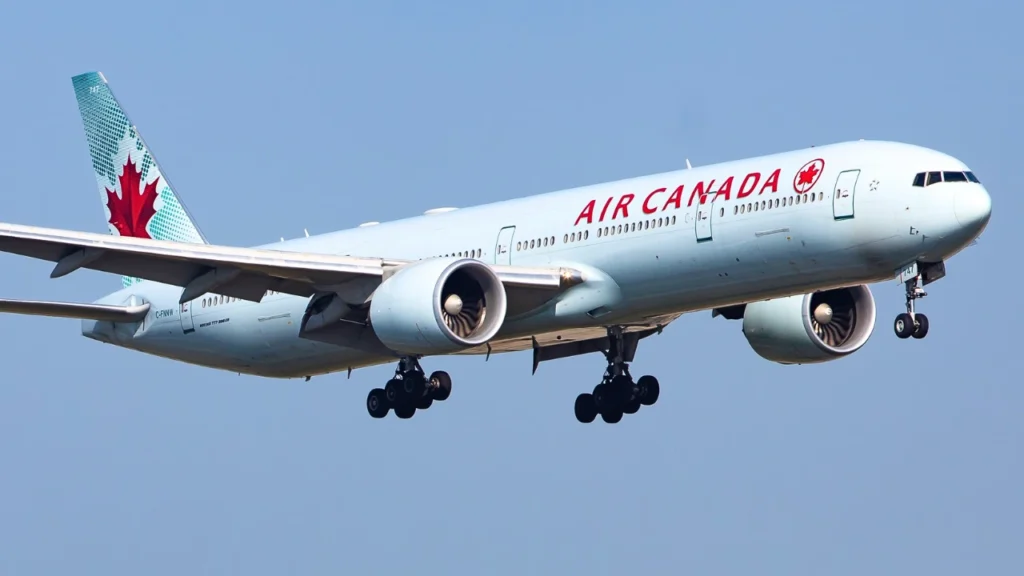
For nearly two decades, the Boeing 777-300ER has served as the backbone of Air Canada’s international network. Operating flights across the Atlantic and Pacific, these aircraft have enabled the airline to connect Canada with Europe, Asia, and other long haul destinations.
However, the fleet is reaching an age where maintenance costs rise significantly. Air Canada currently operates 19 Boeing 777-300ERs and six Boeing 777-200LRs. The 777-300ER fleet averages more than 16 years in service, while the 777-200LR fleet is over 18 years old. As aircraft age, airlines must invest heavily in structural inspections, engine overhauls, and other major maintenance programs.
Replacing these aircraft became an operational necessity rather than a future option. Instead of waiting for Boeing’s delayed 777X, Air Canada committed to eight Airbus A350-1000 aircraft with purchase rights for eight more, securing deliveries beginning in the second half of 2030.
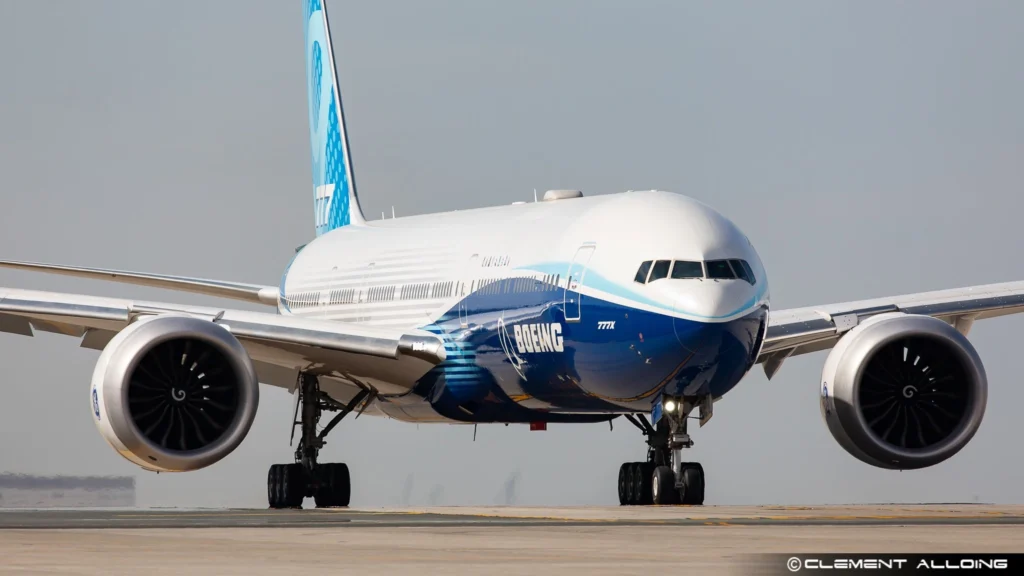
Boeing 777X Delays Influenced the Decision
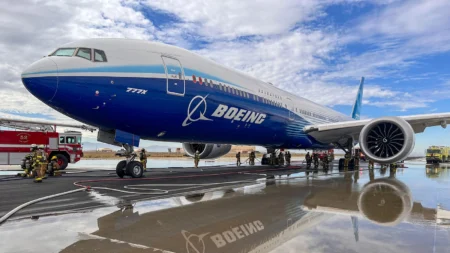
The Boeing 777X was widely expected to become the natural successor to the airline’s existing 777 fleet. Since pilots already operate the current 777 family, transitioning to the newer aircraft would have been operationally straightforward.
However, the aircraft’s certification program has experienced years of delays. Passenger deliveries have slipped several years beyond the original schedule, creating uncertainty for airlines planning long term fleet replacements. Air Canada needed a predictable timeline because its current widebody fleet will approach retirement during the next decade.
By selecting the Airbus A350-1000, the airline gains confirmed delivery slots instead of relying on an uncertain certification schedule. This provides greater confidence when planning future network growth and aircraft retirements, Simple Flying flagged.
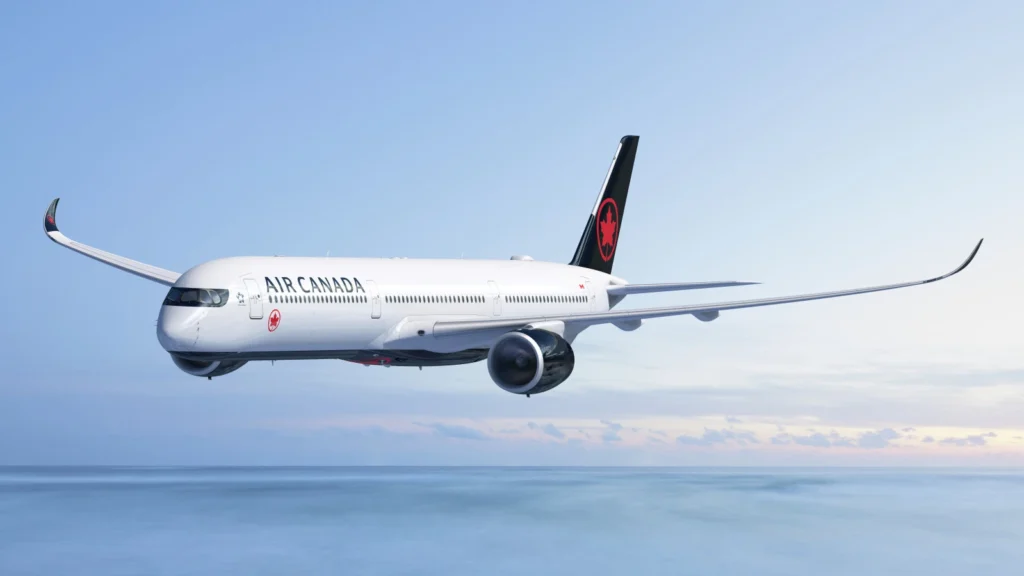
Why the Airbus A350-1000 Fits Air Canada’s Needs
The Airbus A350-1000 offers several operational advantages that support Air Canada’s long term strategy.
The aircraft is built using more than 50 percent composite materials, including carbon fiber reinforced polymers, titanium, and advanced aluminum alloys. This lighter construction contributes to significantly better fuel efficiency than older widebody aircraft.
According to Airbus and Air Canada performance data, the A350-1000 can reduce fuel consumption and carbon emissions by up to 25 percent per seat compared with the Boeing 777-300ER. The aircraft is powered by Rolls-Royce Trent XWB-97 engines, helping reduce direct operating costs while improving environmental performance.
The A350-1000 also offers a maximum range of approximately 9,000 nautical miles, allowing the airline to operate ultra long haul services while carrying both full passenger loads and valuable cargo. This capability becomes particularly important on routes affected by strong headwinds or longer flight paths resulting from airspace restrictions.
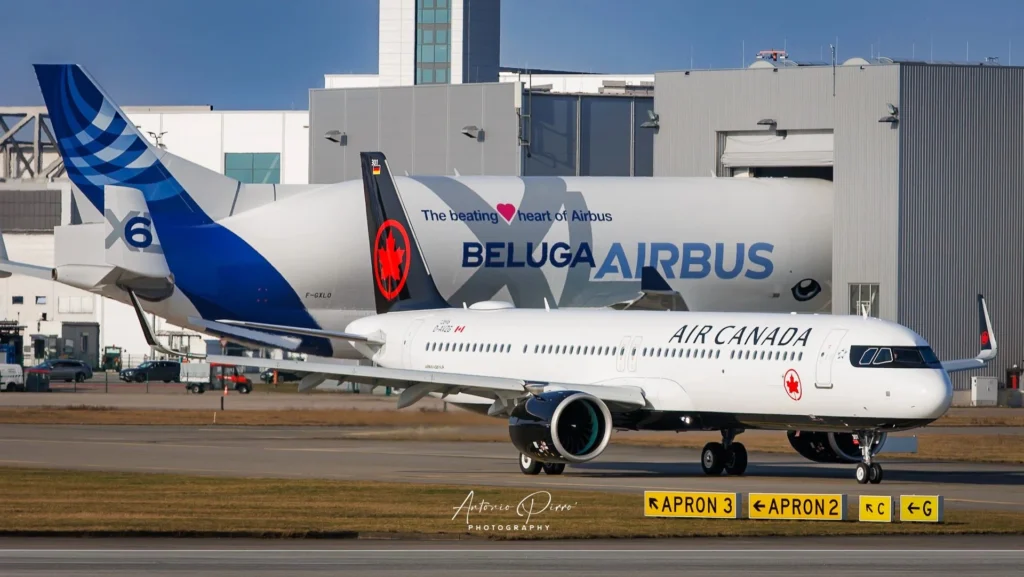
Supporting a Three-Tier Fleet Strategy
The A350-1000 will become the flagship aircraft within Air Canada’s broader fleet modernization plan.
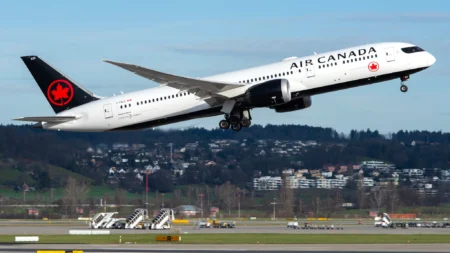
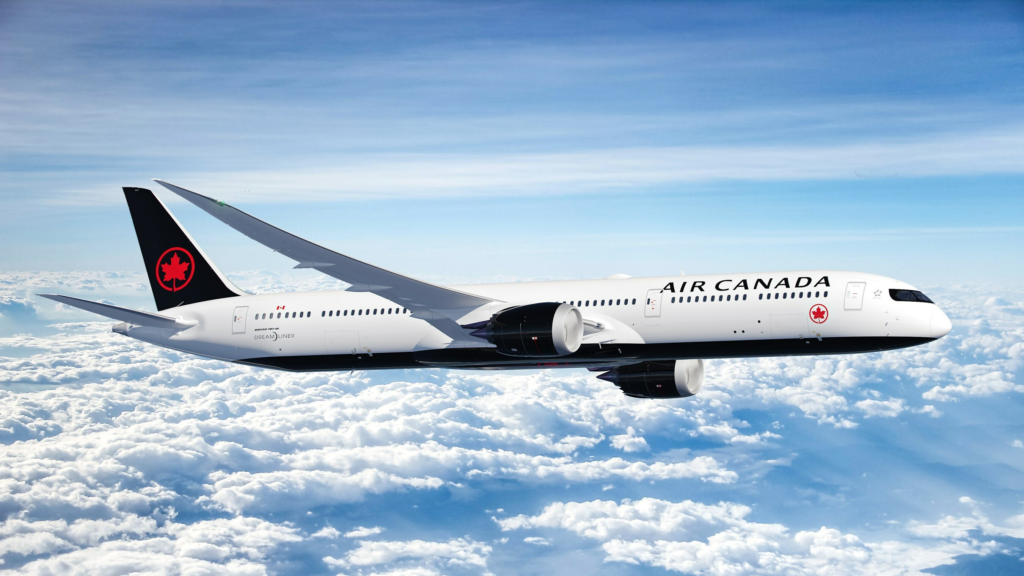
The airline is also introducing Airbus A321XLR aircraft for thinner long haul routes and Boeing 787-10 Dreamliners for medium capacity international services. Together, these aircraft create a three tier network strategy that allows Air Canada to match aircraft size with market demand more efficiently.
The A321XLR will primarily serve secondary transatlantic destinations from Eastern Canada, while the Boeing 787-10 will operate higher demand routes across Europe and North America. The Airbus A350-1000 will focus on premium, high capacity, ultra long haul services linking Canada with Asia, South Asia, Australia, and other distant markets.
This fleet mix also offers common passenger comfort improvements, including lower cabin altitude and higher humidity levels that reduce fatigue during flights lasting more than 12 hours.
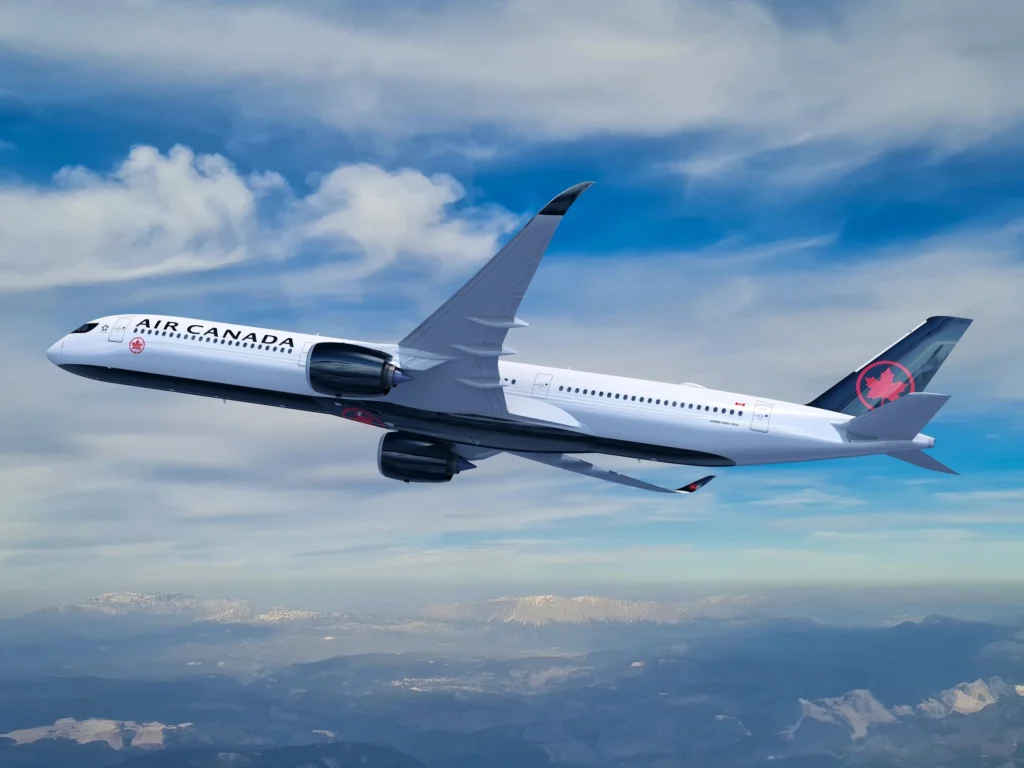
New Opportunities for International Expansion
The additional range and payload capability of the Airbus A350-1000 will allow Air Canada to expand nonstop international services that were previously difficult to operate efficiently.
Routes such as Vancouver to Delhi and Toronto to Mumbai often require operational compromises because of strong seasonal winds and longer routings around restricted airspace. The A350-1000’s improved performance reduces these limitations, enabling the airline to carry more passengers and cargo on ultra long haul flights.
Air Canada executives have also stated that the aircraft will support expansion into growing markets across India, Southeast Asia, and Australia while strengthening the airline’s competitive position against foreign carriers.
A Strategic Shift With Long Term Benefits
Although Air Canada continues to invest in Boeing aircraft through its incoming Boeing 787-10 fleet, choosing the Airbus A350-1000 instead of the Boeing 777X reflects a broader focus on certainty, efficiency, and operational planning.
The airline intends to keep capital spending disciplined while gradually replacing older aircraft over the next decade. Eight firm orders and eight purchase options provide flexibility as international demand continues to evolve.
The decision also reflects wider industry trends, with several global airlines reconsidering their long haul fleet strategies because of continued delays affecting the Boeing 777X program.
By introducing the Airbus A350-1000 from 2030 onward, Air Canada positions itself for a new generation of international growth while improving fuel efficiency, lowering maintenance costs, and expanding nonstop connectivity across its global network.
Stay tuned with us. Further, follow us on social media for the latest updates.
Join us on Telegram Group for the Latest Aviation Updates. Subsequently, follow us on Google News