NEW DELHI- India is seeking a role in France’s sixth-generation combat aircraft effort to gain access to advanced technologies while addressing major gaps in areas such as fighter engines, radar, and next generation aircraft development.
India’s move comes as sixth-generation fighter development accelerates and China rapidly modernizes its air power. France’s changing role in the Future Combat Air System (FCAS) gives India a potential opening to participate in technologies that could shape future air combat.
India Looking for a Place in Next Fighter Technology Cycle
India has opened exploratory discussions with France on participating in its Future Combat Air System as New Delhi seeks access to technologies that could support the development of next-generation combat aircraft.
India’s Defense Ministry told Parliament that it had “initiated efforts in a concerted manner to co-join” the effort. The initiative reflects a broader attempt to prevent India from falling further behind in the development cycle for advanced fighter aircraft.
Earlier this year, the Indian Defense Ministry said the country would seek to join one of two international groupings working on a new generation of combat aircraft. One involved France, Germany, and Spain, while the other brought together the United Kingdom, Italy, and Japan.
The European landscape changed in June when France and Germany abandoned their joint effort to develop the landmark combat fighter at the center of the FCAS program. The split created an opening for France to pursue cooperation with a new partner.
For India, the timing is significant. New Delhi is dealing with gaps in several critical fighter technologies, particularly engine development, while also seeking to increase the strength of the Indian Air Force’s combat fleet.
India Faces a Fifth-Generation Gap
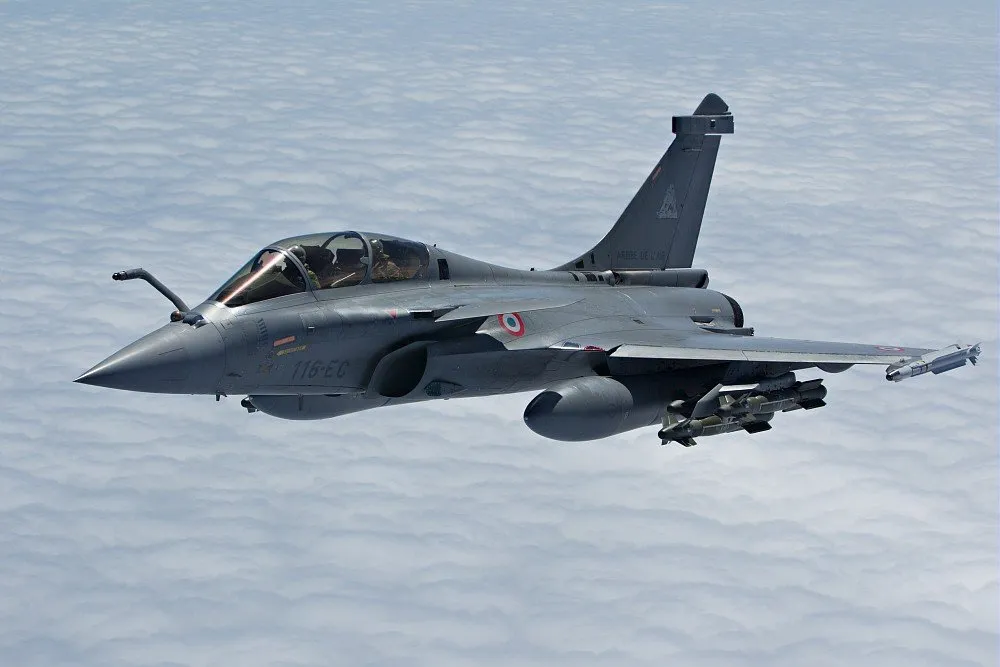
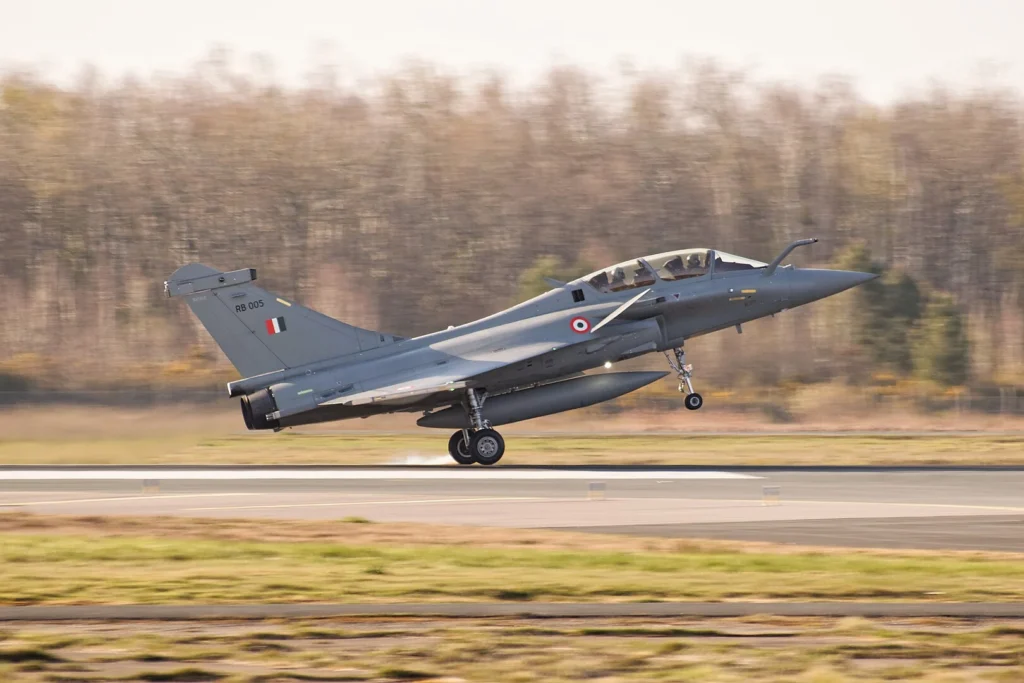
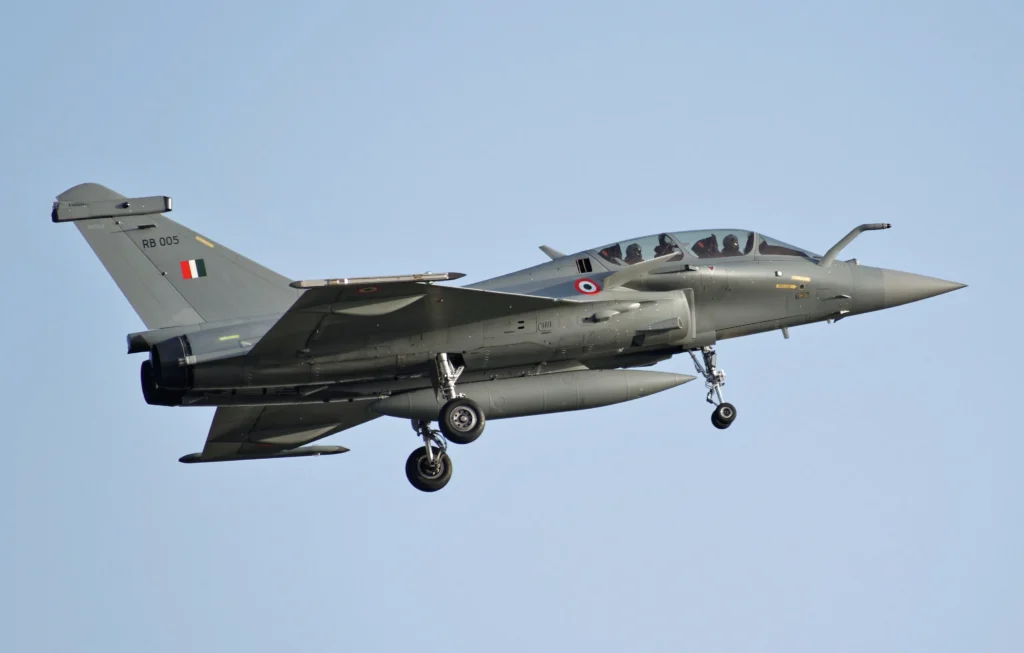
India’s most advanced fighter aircraft are currently its French Rafales, which are classified as 4.5-generation fighters. At the same time, the country is pursuing a domestic multirole fifth-generation fighter program, with a prototype flight targeted for later this decade.
That creates a difficult technology gap. India is still working to establish capabilities associated with fifth-generation combat aircraft while other major military powers are already planning systems beyond that generation.
Sixth-generation fighters are expected to go beyond the stealth and advanced radar capabilities associated with fifth-generation aircraft. The concept centers on a core fighter aircraft working with drones and supported by a networked “combat cloud.”
India’s interest in participating in a sixth-generation program is therefore linked to more than a future aircraft purchase. Access to advanced technologies and development experience could also help strengthen India’s domestic fifth-generation effort.
Retired Air Marshal Anil Chopra told Defense News that India needs to transition to fifth-generation technologies while beginning parallel work on sixth-generation capabilities to address the serious gap with more advanced programs.
He also said that technologies obtained through a future sixth-generation partnership could benefit India’s fifth-generation fighter project.
Parliamentary Committee Pushes Sixth-Generation Planning
India’s interest in future combat aircraft has received additional support from a parliamentary committee that examines defense policy.
In a report presented in Parliament on August 9, the committee recommended that the Defense Ministry “step forward the planning process” for the development and acquisition of sixth-generation aircraft.
The recommendation reflects growing concern over the speed of technological change in air warfare. India has historically struggled to move quickly enough between generations of military technology, and policymakers increasingly see the next cycle as an opportunity that cannot be postponed indefinitely.
The issue is particularly important because India is simultaneously developing its fifth-generation fighter, seeking to expand its existing fleet, and assessing how to participate in an international sixth-generation program.
China’s Air Power Is Driving Urgency
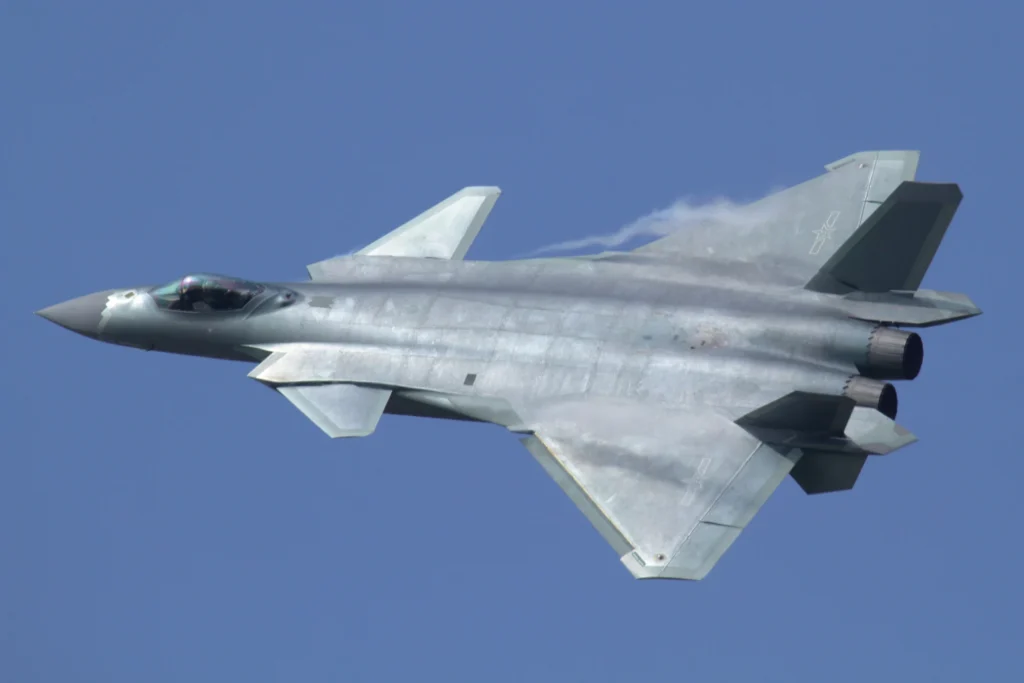
China’s rapid military modernization is a major strategic consideration behind India’s effort to enter a next-generation fighter program.
Harsh Pant, vice president of studies at the Observer Research Foundation in New Delhi, said India has historically tended to remain one or two technology cycles behind other major powers.
He argued that this gap is becoming harder to sustain because air power is evolving rapidly and China is developing its capabilities at high speed.
The concern is not limited to a comparison of individual aircraft. The broader challenge involves the technologies, industrial capabilities, and development processes required to keep pace with future generations of combat aviation.
For India, joining an established international effort could provide a faster path into advanced technologies than attempting to develop every capability independently from the outset.
Industrial Workshare and Technology Transfer
Any partnership between India and France is likely to depend heavily on the level of industrial participation and technology access that Paris is prepared to offer.
Potential areas of discussion include industrial workshare, aircraft design and development, intellectual property, and access to advanced systems. Engine and radar technologies are especially important because India continues to face significant challenges in these areas.
Chopra said India would seek industrial workshare, while engine and radar technologies would have to come from French companies. He also said negotiations would focus on what technology France is willing to offer.
The question of technology transfer could therefore become one of the most important issues in any future agreement. India is seeking not only a role in production but also meaningful participation in the technological and industrial development of next-generation combat aircraft.
France Offers Established Fighter Technology Base
India and France have a longstanding defense relationship, with particularly strong cooperation in aerospace.
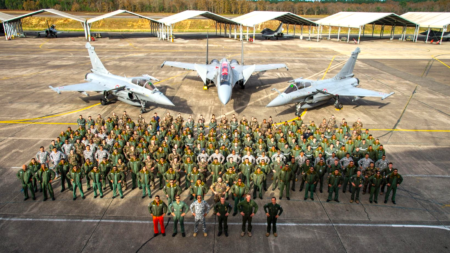
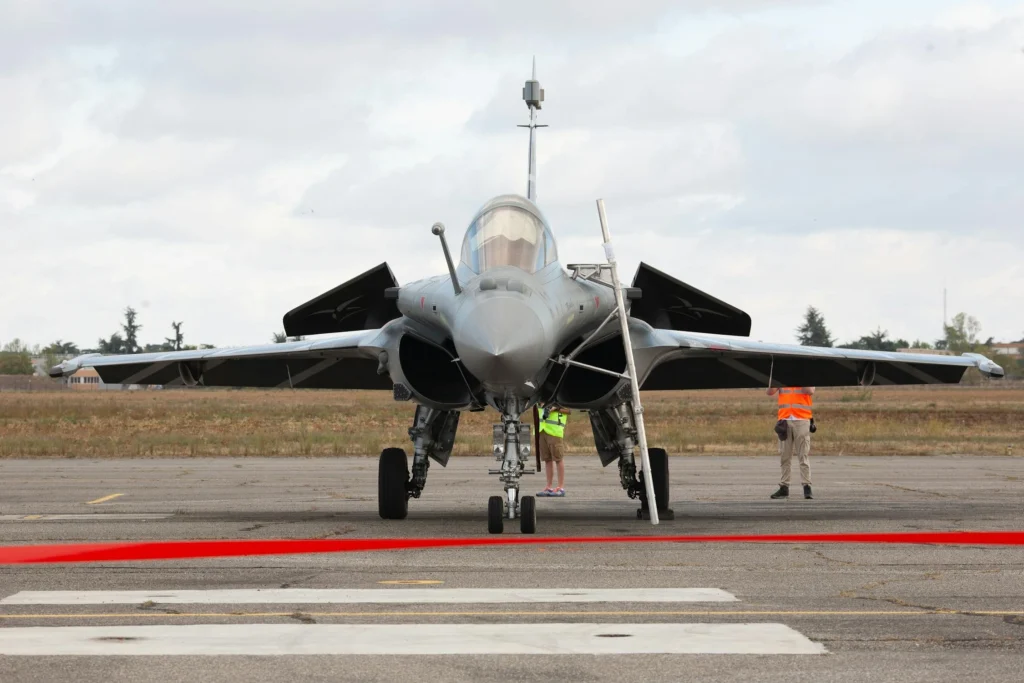
The Indian Air Force already operates French Rafale fighters. India is also engaged in negotiations for 114 additional Rafale aircraft after the country approved the purchase.
The existing relationship gives France a strong position as India considers future combat-aircraft cooperation. For New Delhi, the value of that relationship extends beyond the Rafale itself because France maintains a broad domestic industrial base covering aircraft design, engines, radar, avionics, and missiles.
Pant described France as a good fit for India because New Delhi needs a trusted partner as it seeks to secure a place in the next technology cycle. He also noted that France has shown a willingness to cooperate with India on defense matters without applying the same political lens or considerations associated with some other suppliers.
That history could make France particularly attractive as India evaluates options for participating in sixth-generation development.

France’s Ability to Build Next-Gen Fighter
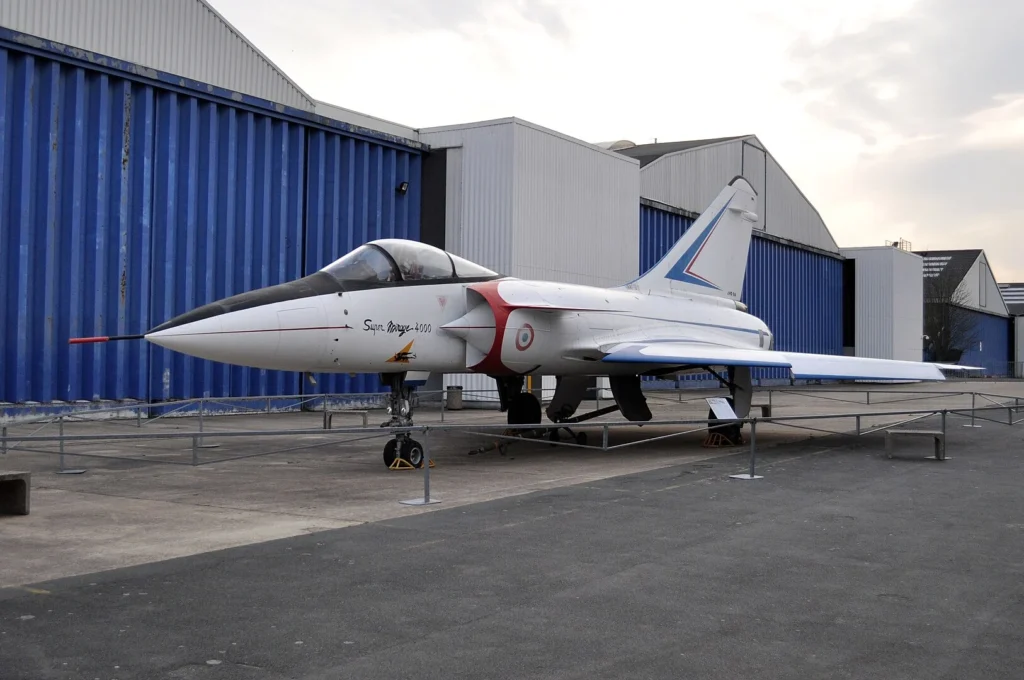
Dassault Aviation Chief Executive Eric Trappier has repeatedly said that France has the know-how and technology required to independently develop a next-generation fighter jet.
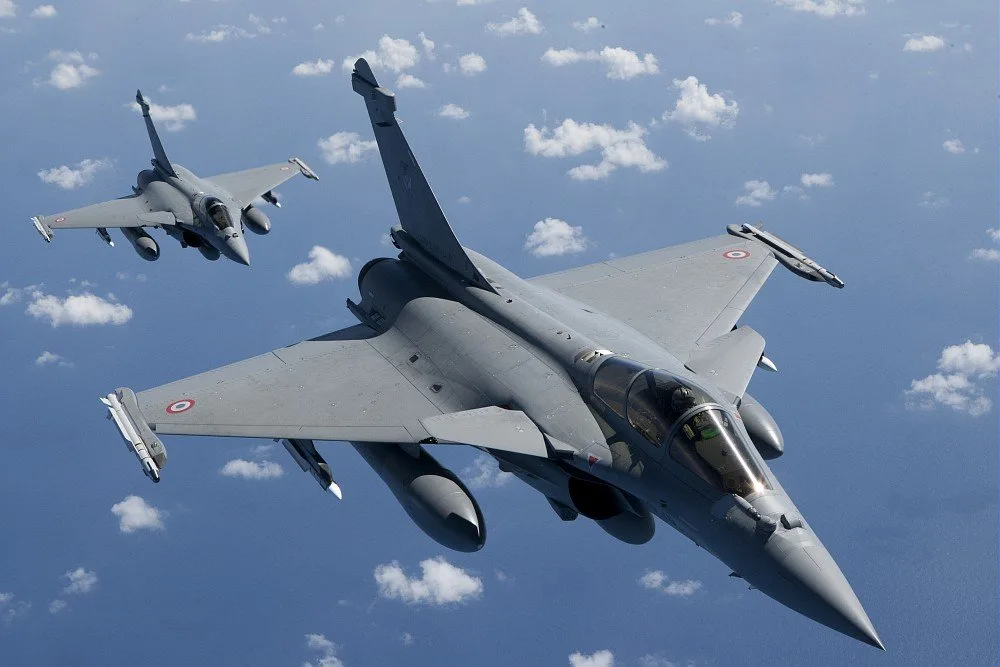
France’s industrial position supports that claim. It is currently the only country in Western Europe with a fully sovereign, end-to-end modern fighter ecosystem centered on the domestically developed Rafale.
Dassault Aviation builds the Rafale, Thales supplies its avionics and radar, Safran provides its afterburning turbofan engine, and MBDA supplies a range of missiles.
This end-to-end industrial structure gives France capabilities that few European countries can match independently. It also provides a potential foundation for a future next-generation fighter effort if sufficient financing and political support are available.
France’s Financial Position Could Complicate Program
France faces a major challenge in financing a future sixth-generation fighter project.
The country’s public finances are under significant strain. France has one of the European Union’s highest debt burdens and largest budget deficits, creating pressure on the government as it considers long-term defense spending commitments.
A future fighter program could cost tens of billions of euros and would require sustained funding across many years of research, development, testing, production, and infrastructure investment.
The financial question could therefore influence how France structures any future program, including whether it works with additional international partners and how much industrial and technological participation those partners receive.
Strategic Position Before Technology Gap Widens
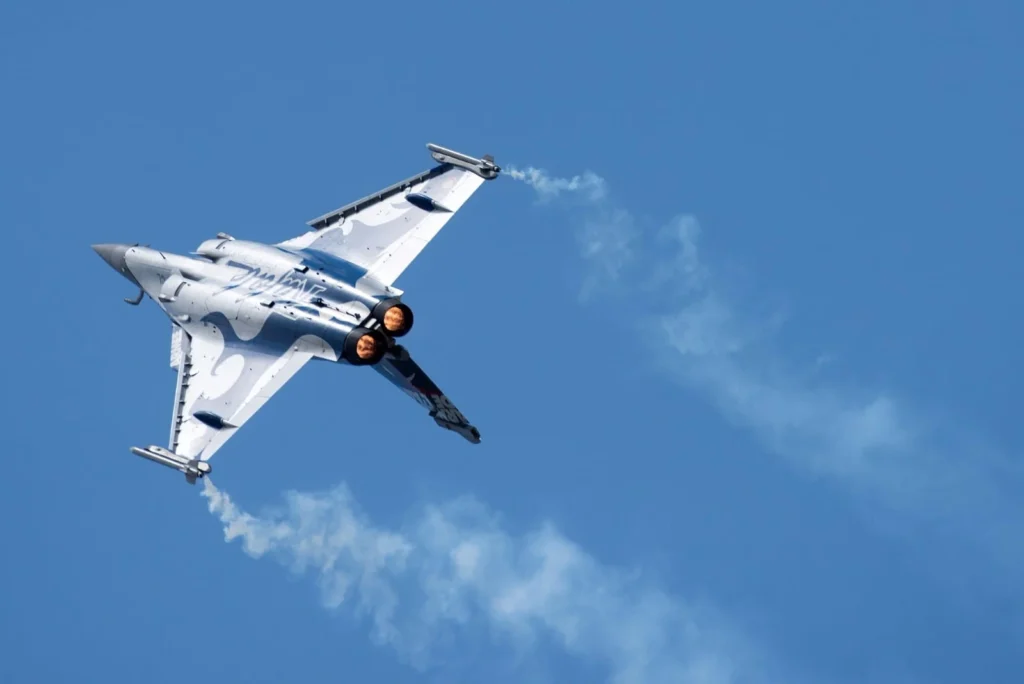
India’s interest in France’s sixth-generation fighter effort reflects a broader attempt to secure a position in the next major cycle of combat-aircraft development.
New Delhi faces several connected challenges: it must continue building its fifth-generation fighter capability, address shortcomings in engine and other critical technologies, strengthen the size of its combat fleet, and respond to the rapid modernization of China’s air power.
A partnership with France could potentially address several of those priorities at once, but the outcome will depend on the terms of cooperation.
Industrial workshare, intellectual property, technology transfer, development responsibilities, funding, and France’s future program structure will all shape the value of any agreement.
India’s objective is therefore not simply to acquire another advanced aircraft. It is to gain a meaningful place in the development of technologies that will define future air combat while using that experience to strengthen its own domestic fighter programs.
Strategic Outlook
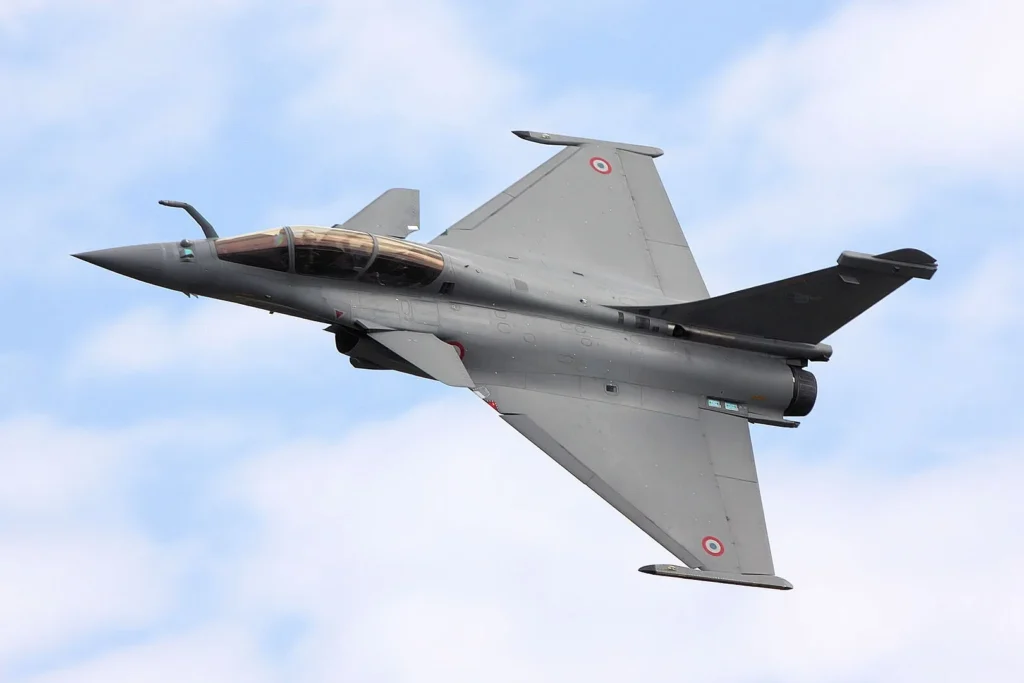
India’s exploratory discussions with France come at a critical point for both countries. France is reassessing the structure of its next-generation fighter ambitions after the breakdown of its partnership with Germany, while India is trying to avoid entering another generation of air power development too late.
The immediate focus is likely to remain on the scope of cooperation, industrial participation, and technology access.
If India secures a substantive development role, the partnership could help it narrow important technology gaps while supporting its broader effort to build an advanced domestic combat-aircraft industry.
The challenge is ensuring that cooperation delivers more than assembly or limited industrial work.
For India, the strategic objective is meaningful access to design, development, and critical technologies that can support both future sixth-generation capabilities and the maturation of its fifth-generation fighter program.
Stay tuned with us. Further, follow us on social media for the latest updates.
Join us on Telegram Group for the Latest Aviation Updates. Subsequently, follow us on Google News