Romania has shot down an explosive-laden maritime drone near the Neptun Deep offshore gas project in the Black Sea while responding to a large-scale Russian attack on neighboring Ukraine. Romanian Air Force F-16 fighter jets intercepted the drone after authorities determined it posed a threat to critical infrastructure near Constanța (CND).
Earlier the same day, another drone entered Romanian airspace near Galați and crashed close to the Ukrainian border, prompting Romania and NATO to scramble fighter aircraft, including Romanian Air Force F-16s and Spanish Air Force F-18 fighter jets deployed under the NATO Air Policing mission.
Romania Strengthens Air Defenses After Twin Drone Incidents
Romanian authorities responded to two separate drone incidents within hours as Russia launched a major missile and drone attack against Ukraine.
The first incident involved an explosive-laden maritime drone detected at 06:28 local time near the Neptun Deep offshore gas development. The drone was spotted by a commercial vessel operating a few hundred meters from the project, located about 80 nautical miles east of Constanța (CND).
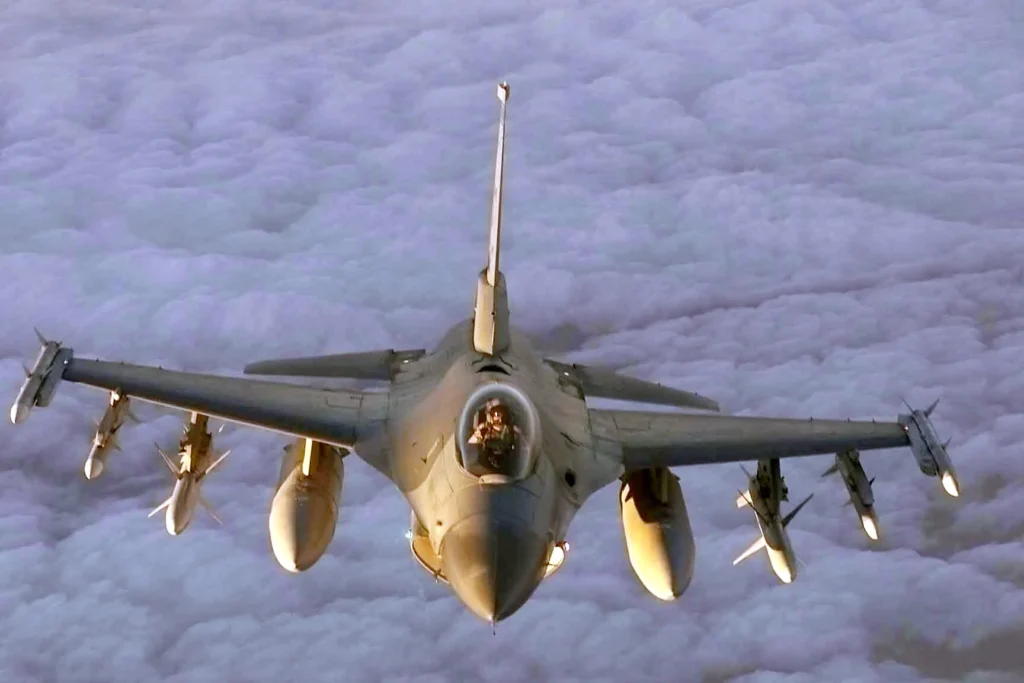
Romanian military officials immediately scrambled two F-16 fighter jets. After assessing the risk to workers and strategic energy infrastructure, one of the aircraft destroyed the drone.
Romanian Defense Minister Radu Miruță confirmed the drone was carrying explosives. He also stated that Ukrainian authorities confirmed the drone did not belong to Ukraine.
President Nicușor Dan condemned the incident and blamed Russia for what he described as an escalation of irresponsible actions affecting NATO territory and regional security.
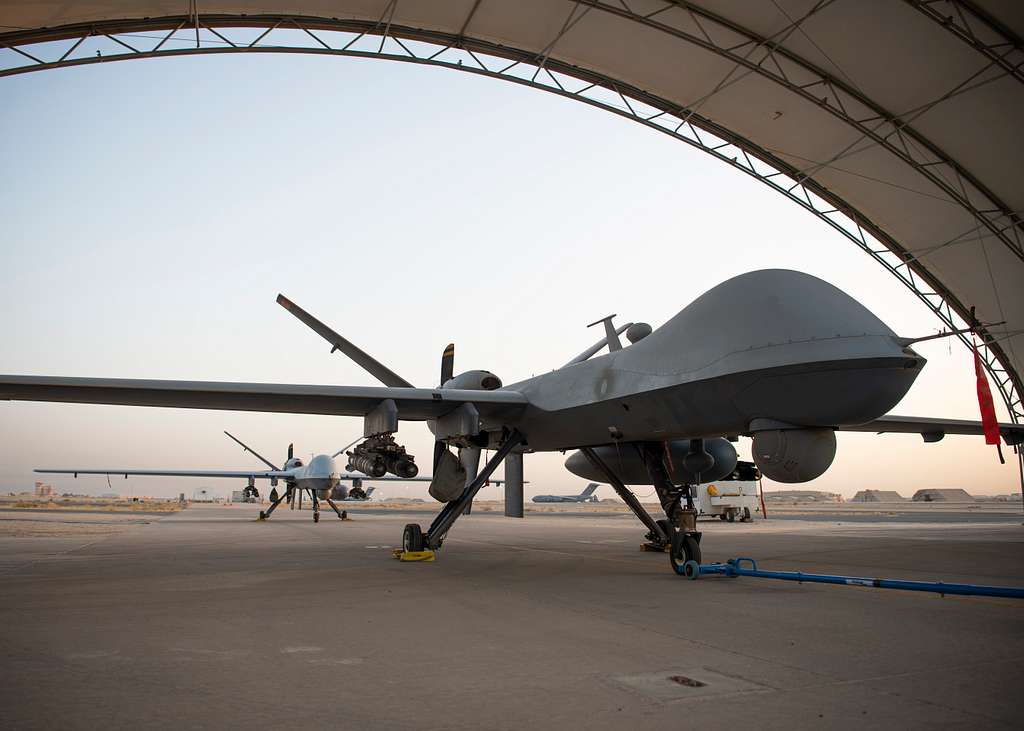
Drone Crashes Inside Romanian Territory
Hours before the maritime drone interception, Romanian military radar detected several aerial targets approaching the country’s eastern border.
According to Romania’s Ministry of Defense, radar systems identified multiple objects near Tulcea County at 02:23 local time during Russia’s overnight attack on Ukraine.
Romania immediately activated its air defense response. Two Spanish Air Force F-18 fighter jets participating in NATO’s enhanced Air Policing mission were launched to monitor the situation. A Romanian IAR-330 SOCAT military helicopter also conducted reconnaissance operations.
Authorities issued public alerts to residents in the affected region as a precaution.
At 03:21 local time, one drone crossed approximately 13 kilometers into Romanian airspace east of Galați. Three minutes later, the helicopter crew reported the drone had crashed roughly four kilometers northeast of Grindu village in Tulcea County.
The impact started a small fire that extinguished naturally. Officials reported no casualties, injuries, or property damage. Military personnel secured the crash site while investigators began examining the wreckage.
Romania has not yet officially identified the origin of the crashed drone.
NATO Faces Repeated Airspace Violations
The latest incidents continue a pattern of drones entering Romanian airspace since Russia launched its full-scale invasion of Ukraine in 2022.
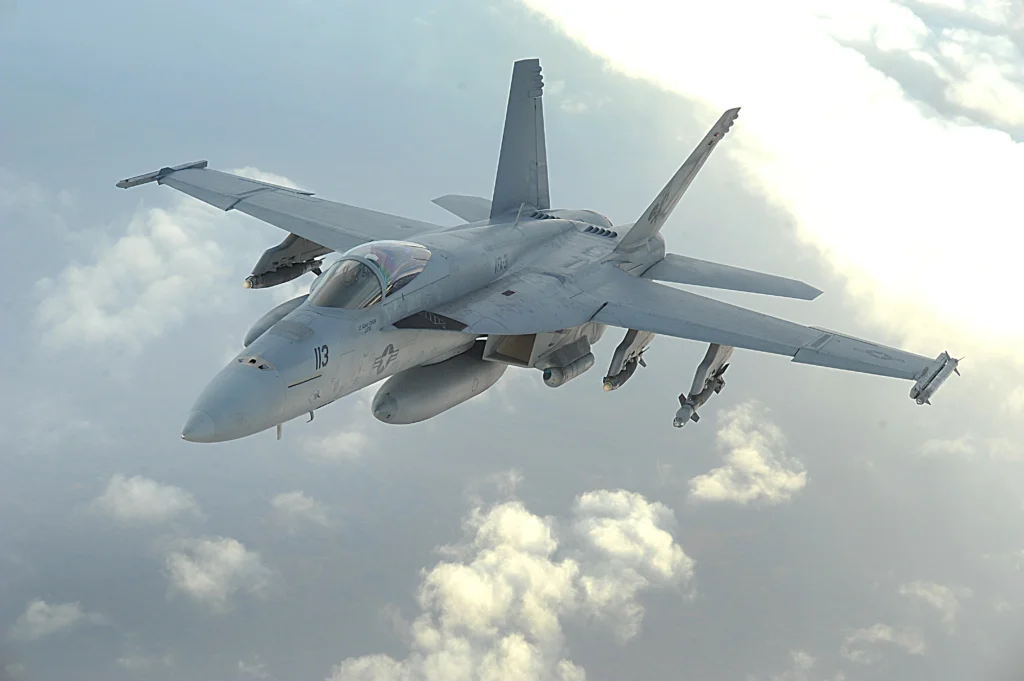
Just four days earlier, a Spanish Air Force F-18 fighter jet shot down another drone after it crossed into Romania from Moldova. Although Romanian authorities did not formally identify that drone, a NATO spokesperson indicated it appeared to be Russian.
According to previous reports, it marked the fourth drone destroyed over Romanian territory this year. Romanian F-16 fighter jets had already intercepted three suspected Russian drones during July.
Romania, a NATO and European Union member, shares a lengthy border with Ukraine and has repeatedly reported drone incursions and falling debris resulting from the ongoing conflict.
Public Domain, https://commons.wikimedia.org/w/index.php?curid=133144613
Neptun Deep Project Gains Strategic Importance
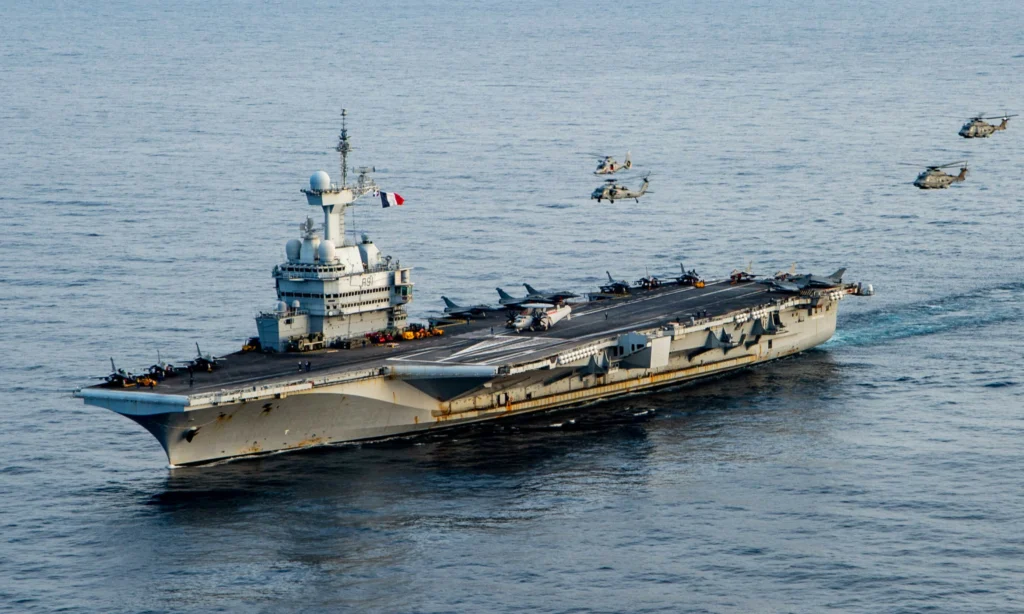
The maritime drone was intercepted close to the Neptun Deep offshore natural gas project, one of Europe’s largest energy developments currently under construction in the Black Sea.
The project is expected to begin commercial natural gas production in 2027 and is regarded as a key component of Romania’s future energy security and the European Union’s efforts to diversify energy supplies.
European Commission President Ursula von der Leyen described the latest drone activity as part of an escalating campaign targeting European security.
She characterized the incidents as hybrid warfare intended to create instability, intimidate European citizens, and undermine confidence across the European Union.
Poland Also Activates Air Defenses
Romania was not the only NATO country responding to Russia’s overnight strikes.
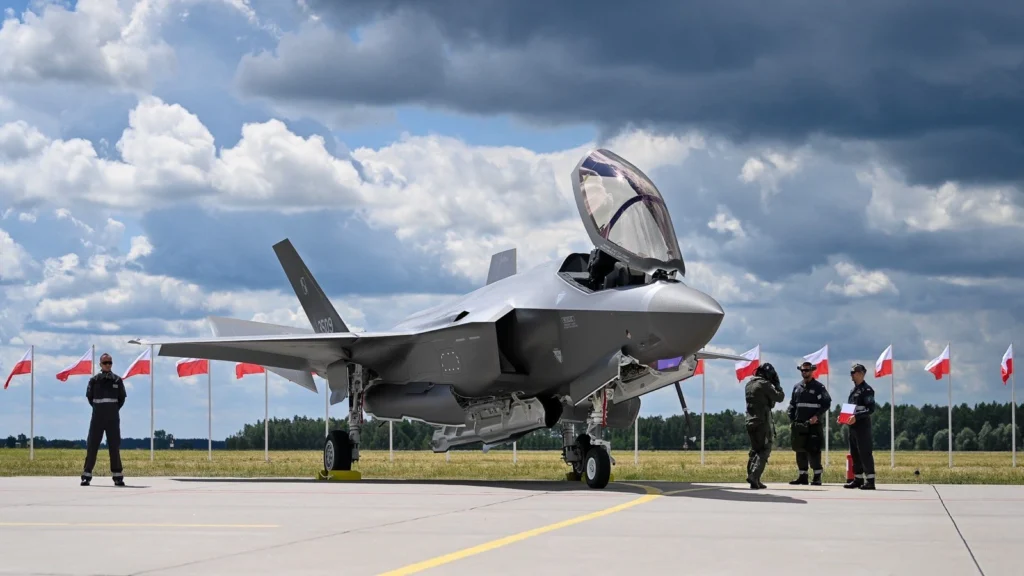
Poland also mobilized military aircraft and activated air defense systems during the attacks, particularly in regions bordering Ukraine.
The coordinated military responses highlight growing concern among NATO members over repeated security incidents occurring close to alliance territory as the conflict in Ukraine continues.
Stay tuned with us. Further, follow us on social media for the latest updates.
Join us on Telegram Group for the Latest Aviation Updates. Subsequently, follow us on Google News