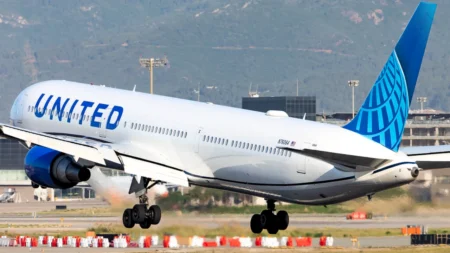
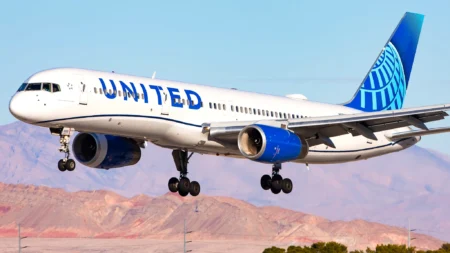
UTAH— A 71-year-old Utah man has accused United Airlines (UA) of mishandling his supplemental oxygen needs during a flight, claiming he was left without a functioning portable oxygen concentrator after its battery ran out.
Jaime Jesus Carvajal said he had informed the airline about his medical equipment before traveling and believed his arrangements had been accepted.
The incident occurred during a United Airlines flight from Salt Lake City International Airport (SLC) to Houston George Bush Intercontinental Airport (IAH).
Carvajal said the oxygen concentrator stopped working about two hours after departure, while the airline later offered him a $150 flight credit following his complaint.
United Passenger’s Oxygen Device Failed Mid-Flight
Carvajal told FOX 13 News that he uses supplemental oxygen because of chronic obstructive sleep apnea and chronic obstructive asthma.
He said he requires oxygen during both the day and night and had the necessary documentation with him when preparing for the journey.
According to his account, he discussed the medical equipment with United staff before boarding.
He said the situation changed after approximately two hours in the air, when the battery powering his portable oxygen concentrator was depleted.
Carvajal was seated in 37F and asked a flight attendant for assistance.
The crew member reportedly moved him to seat 6C so he could connect the concentrator to an electrical outlet, but Carvajal said the power connection worked only briefly before the equipment shut down again.
United Oxygen Rules During Flights
United’s published guidance for passengers using portable oxygen concentrators requires travelers to carry enough batteries to operate the approved equipment for 150% of the planned flight time, including connections.
The airline also maintains requirements concerning approved devices and documentation for passengers who intend to use portable oxygen concentrators onboard.
The battery requirement is particularly important because an in-seat power outlet cannot necessarily be treated as the primary source of power for essential medical equipment.
Carvajal’s complaint, however, focuses on what happened after his device lost power and the assistance he says he received from the airline’s crew.
He ultimately continued his journey to Panama, where he said another airline accommodated his oxygen needs.
His experience has raised questions about how medical equipment arrangements are handled when an onboard power solution does not function as expected.

Lawsuit Could Follow Amid Dispute
After the journey, Carvajal contacted United seeking an explanation and compensation for the incident.
According to FOX 13, the airline’s claims division offered him a $150 flight credit, which his attorney viewed as an inadequate response to the circumstances described by his client.
Carvajal’s attorney, David Head, said he plans to file a lawsuit against United. Any legal action would need to establish the facts surrounding the incident, and the allegations against the airline have not been proven in court.
The dispute also highlights the challenges faced by passengers who rely on electrically powered medical equipment while flying.
Although portable oxygen concentrators can be permitted onboard when airline and regulatory requirements are met, travelers remain dependent on sufficient battery capacity and appropriate handling of the equipment throughout the journey.
Stay tuned with us. Further, follow us on social media for the latest updates.
Join us on Telegram Group for the Latest Aviation Updates. Subsequently, follow us on Google News