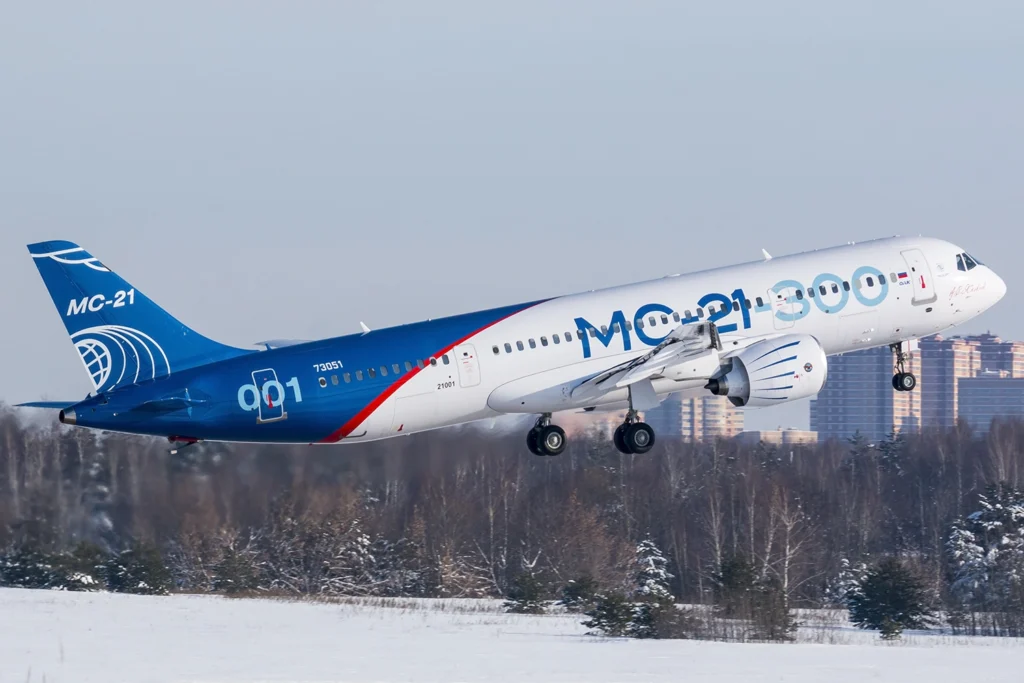
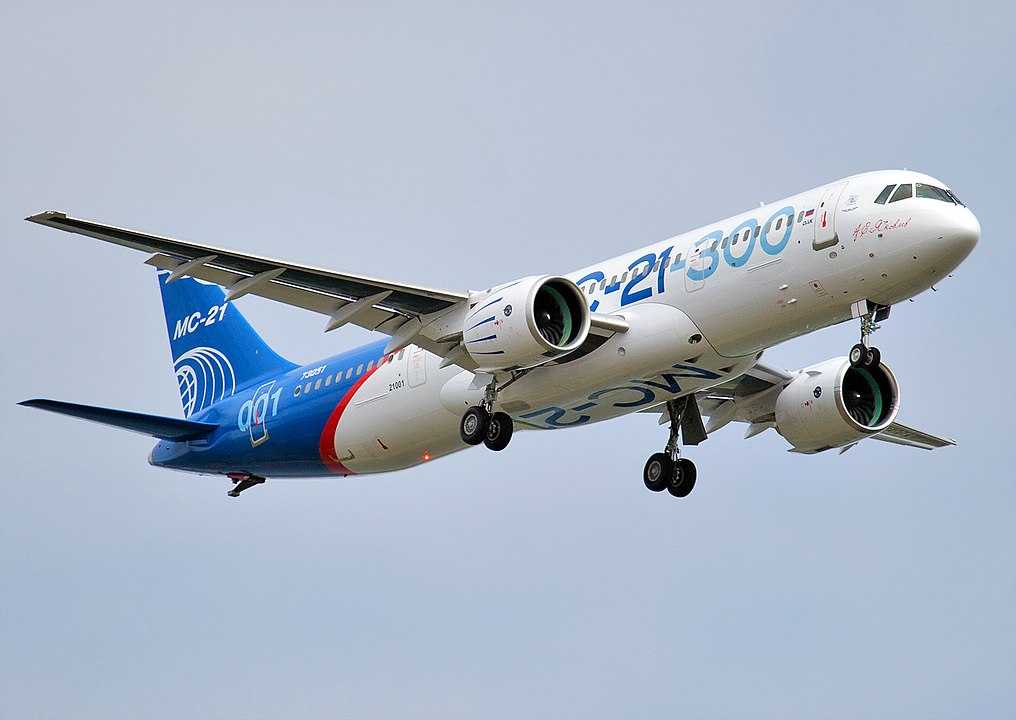
MOSCOW- Russia is placing much of its hopes for the future of civil aviation on the Yakovlev MC-21, a narrow-body jet designed to reduce the country’s dependence on Western aircraft.
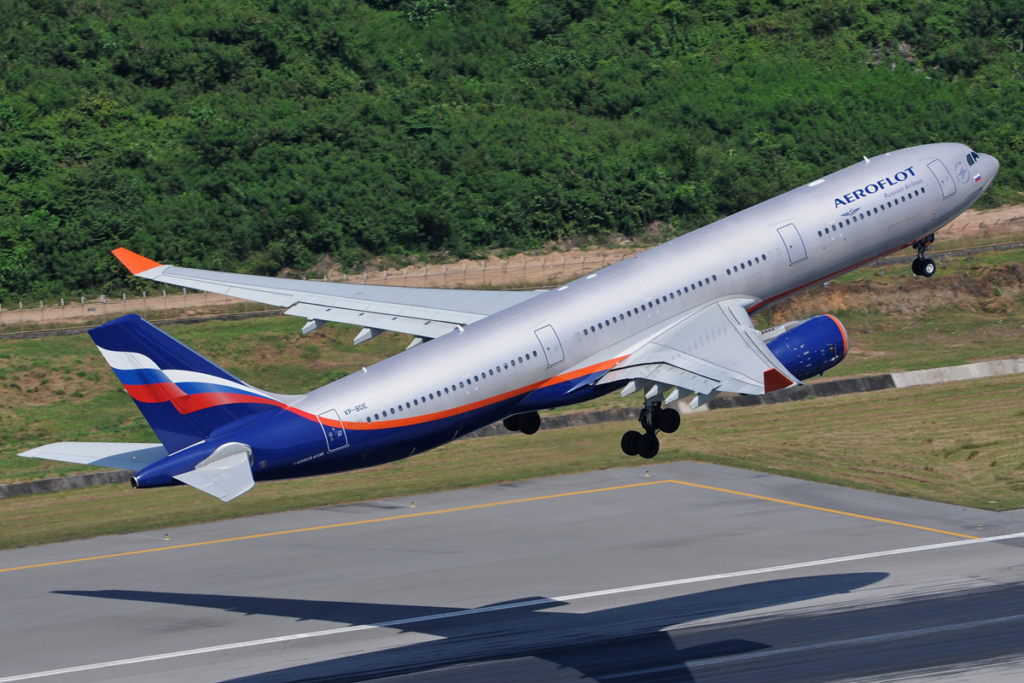
The aircraft is being assembled at the Irkutsk Aviation Plant (IKT), while Russia’s largest carrier, Aeroflot (SU), is expected to receive the first batch once certification is complete.
Russia is attempting to rebuild its commercial aircraft industry after sanctions disrupted access to Boeing and Airbus aircraft, engines and other components.
However, the MC-21 has undergone major changes to replace foreign equipment with Russian-made alternatives, creating new challenges involving weight, cost, certification and production capacity.
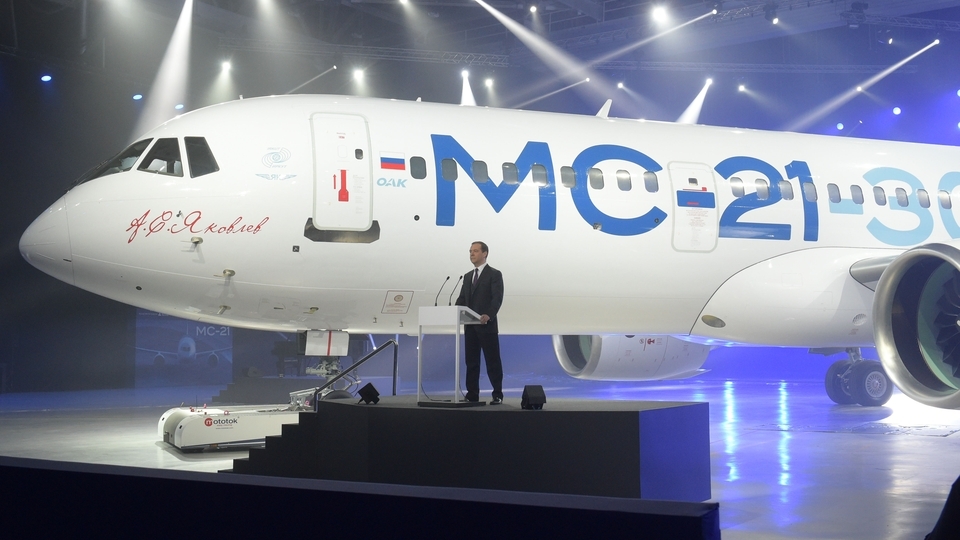
Russia’s MC-21 Faces Delays
The MC-21 was originally conceived with a greater reliance on foreign technology, but sanctions forced United Aircraft Corporation to redesign important parts of the aircraft.
The latest version uses Russian engines, systems, and composite materials, making it substantially different from the aircraft originally planned.
The production-standard MC-21-310 completed its first flight in August 2026, remaining airborne for 1 hour and 23 minutes and reaching 6,000 meters.
Rostec said the aircraft had completed more than half of its certification flight program, while an initial batch of 18 aircraft is being prepared for delivery.
Russia has nevertheless struggled to maintain its earlier production ambitions. Officials have said the first 18 aircraft will be delivered to Aeroflot during 2026-2027, but certification and industrial constraints remain important obstacles.
Higher Costs, Lower Range
The sanctions-driven redesign has also affected the MC-21’s economics. The aircraft is now about six metric tons heavier because of its Russian-made components, preventing the current version from flying nonstop between Moscow and Vladivostok as originally intended.
The financial burden has increased as well. The projected cost of the first 18 localized MC-21 aircraft rose from 58.3 billion rubles to 96.1 billion rubles, while the estimated price of an individual aircraft increased to about 5.34 billion rubles.
That creates a difficult balance for Russian airlines. A domestically produced aircraft could reduce dependence on foreign supply chains, but higher acquisition costs and potentially weaker fuel efficiency could limit the commercial benefits.
Russia’s Fleet Problem
The MC-21 is also entering an aviation market already under considerable pressure. More than 400 foreign-owned aircraft, mainly Airbus and Boeing jets, remained in Russia after Western lessors terminated contracts following the invasion of Ukraine.
Russian airlines have kept many of those aircraft operating by establishing maintenance capabilities, sourcing components through alternative channels and, in some cases, using existing aircraft for spare parts.
About 20% of Russia’s fleet has been grounded in recent years, while reported aircraft malfunctions reached 300 in 2024, The Moscow Times flagged.
The MC-21 could therefore provide Russia with an important new domestic aircraft, but its arrival alone cannot solve the country’s broader aviation problems.
Production must increase, costs must remain manageable, and the wider supply chain must support airlines for years if Russia wants the aircraft to become a genuine replacement for its aging Western fleet.
Stay tuned with us. Further, follow us on social media for the latest updates.
Join us on Telegram Group for the Latest Aviation Updates. Subsequently, follow us on Google News