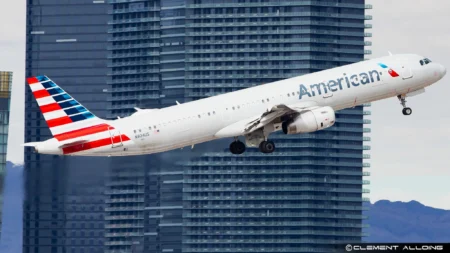
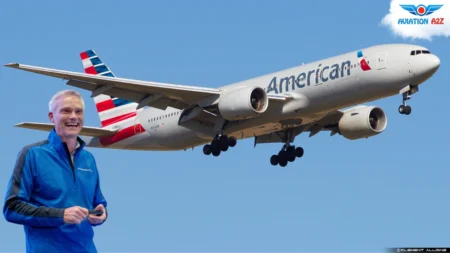
FORT WORTH- American Airlines (AA) is phasing out its dedicated premium First Class on selected aircraft while expanding its Flagship Suite Business Class product.
The A321T has 10 Flagship First seats, while the 777-300ER has eight. American originally targeted late 2024 for the change, but the transition is taking longer as A321XLR deliveries and 777-300ER retrofits progress.
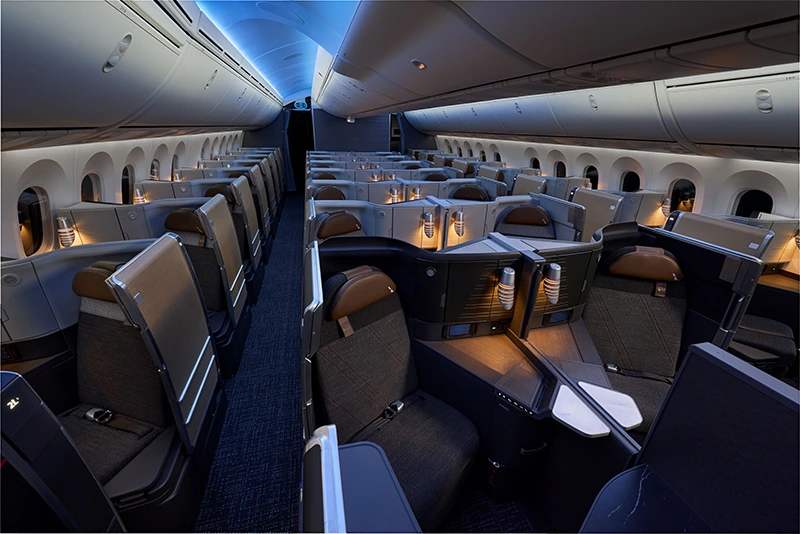
American Airlines’ Ending Premium First Class
American’s plan concerns the type of First Class cabin positioned above a separate Business Class cabin. It does not refer to domestic flights where American markets the forward cabin as First Class on a two-cabin aircraft.
The airline has been moving away from this 3 cabin premium model since announcing its new Flagship Suite seats in September 2022. The strategy was to introduce a more substantial Business Class product while eventually removing dedicated First Class from the aircraft that carried it.
American originally expected the change to be completed by late 2024. That deadline passed without a complete First Class withdrawal. As of August 2026, American still sells Flagship First on some eligible flights, while the physical fleet transition is now underway.
The distinction matters because removing First Class from the fleet and stopping First Class sales are separate steps.
American’s current approach has roots that predate the merger with US Airways. The airline’s later management structure, which came largely from America West, has generally been skeptical of maintaining a separate premium First Class cabin.
The bigger issue has been product differentiation.
American’s older First Class seat was only moderately better than Business Class and did not provide the level of privacy associated with the airline’s newer Flagship Suites. Service was also inconsistent, while the difference in the onboard soft product was limited.
That created a difficult commercial equation. Customers had little reason to pay a large premium for a First Class cabin when the seat and overall experience were not substantially different from Business Class.
The original commentary on the product described this as a self-reinforcing problem. Limited differentiation weakened demand, while weak demand reduced the incentive to invest more heavily in the cabin.
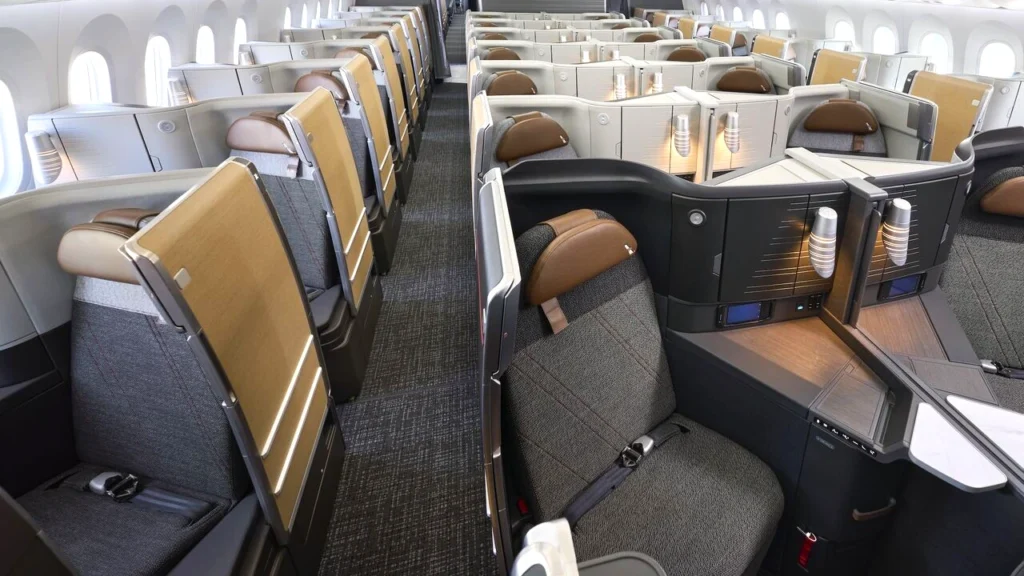
American Is Phasing Out First Class in 2 Stages
The First Class retirement involves 2 separate milestones.
The first is the physical removal of First Class seats. This occurs when an aircraft enters a major interior retrofit and returns with the new configuration.
The second is the end of First Class sales. American can stop selling First Class before every aircraft has been physically reconfigured. Remaining First Class seats could then be handled within the Business Class inventory, depending on the airline’s eventual rules for seat assignment and access.
This explains why First Class can remain visible in American’s booking system even while the airline is actively removing the cabin from aircraft.
Boeing 777-300ER Retrofits
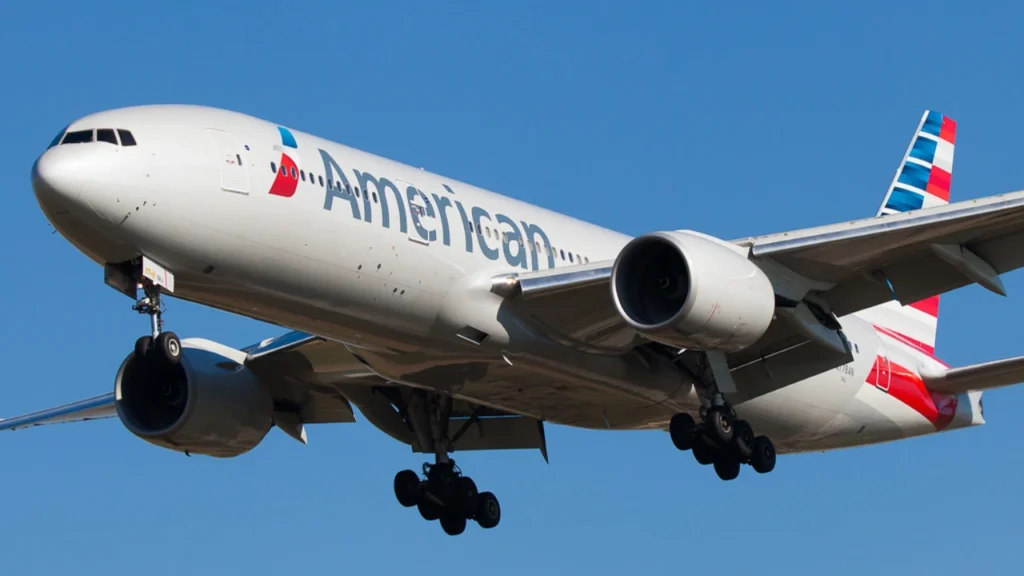
The Boeing 777-300ER is the clearest example of American’s new premium strategy.
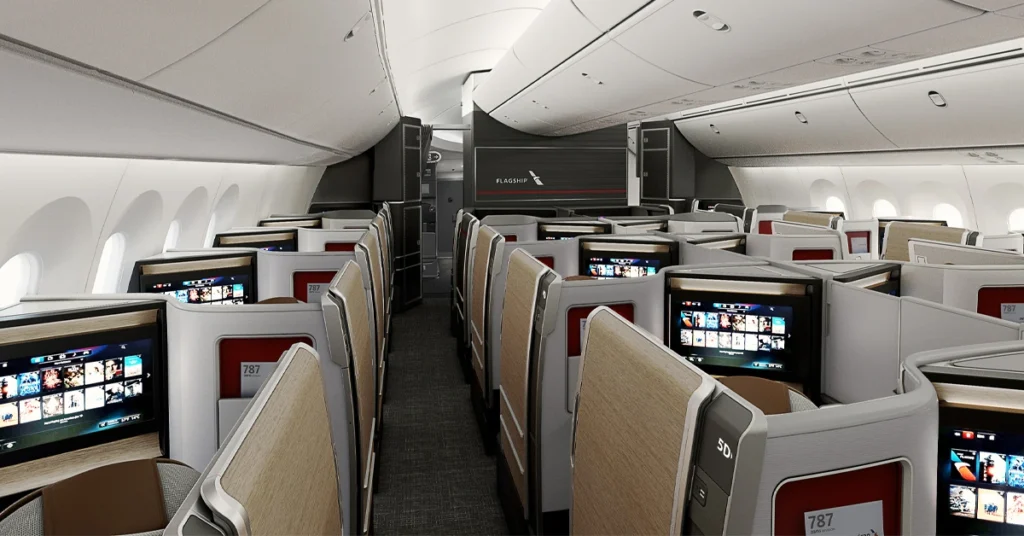
The aircraft originally featured eight First Class seats and 52 Business Class seats. Under the new configuration, First Class disappears, and the Business Class cabin expands to 70 Flagship Suite seats. Premium Economy also expands to 44 seats.
The first 777-300ER to undergo the retrofit has completed the major modification work and returned to Dallas, where it is undergoing final work, testing, and certification.
A second aircraft has also been sent to Hong Kong for the retrofit program. The aircraft therefore provides the first physical example of American’s planned First Class-free 777-300ER configuration.
The change is more substantial than simply removing eight seats. American is using the space to increase the number of Business Class and Premium Economy seats, shifting more of the aircraft toward premium cabins.
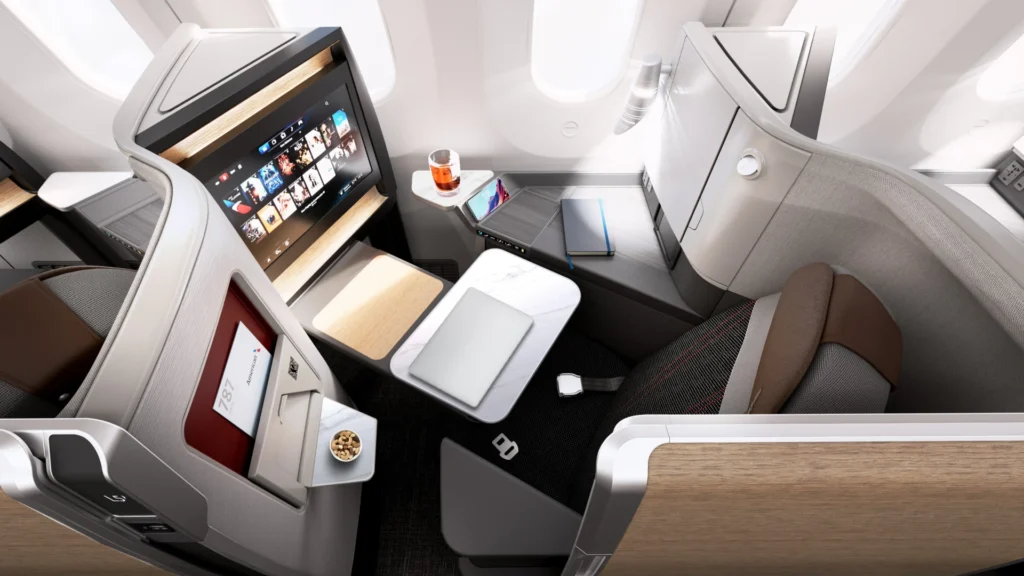
The new Flagship Suite seats provide sliding privacy doors, direct aisle access, and additional storage. Those features create a more visible difference between the new Business Class product and American’s previous Business Class seats.
The A321T Is Also Being Replaced
American’s A321T has 10 Flagship First seats and 20 Flagship Business seats. The aircraft was designed specifically for premium transcontinental service and remains distinctive because it offers both lie-flat First Class and lie-flat Business Class in a narrowbody aircraft.
American is reconfiguring the A321T fleet into a standard domestic configuration rather than retaining the specialized premium layout. The airline is instead deploying the Airbus A321XLR for premium transcontinental flying.
The A321XLR carries 20 Flagship Suite Business Class seats, 12 Premium Economy seats and 123 Main Cabin seats. It does not have a separate First Class cabin.
American introduced the A321XLR on premium transcontinental service from New York and has expanded its use on additional routes.
The aircraft has also entered international service, demonstrating that American views the type as part of its broader premium network rather than simply an A321T replacement.
Old First Class Product
The strongest argument for removing American’s premium First Class is the limited difference between First and Business Class.
The old First Class seat provided more space, but it lacked the privacy now offered by the Flagship Suite. The service proposition also varied considerably from one flight to another.
The soft product was similarly difficult to justify as a major step above Business Class. The difference had become smaller over time rather than larger.
The result was a premium cabin that carried the First Class label without consistently delivering a clearly superior experience.
OMAAT has also highlighted this weakness in its coverage of American’s First Class product, including the Dallas to Hong Kong experience referenced in the original analysis.
First Class Dining Was Standout Benefit
The strongest part of American’s former First Class proposition was arguably the ground experience, particularly Flagship First Dining.
Flagship First Dining offered an elevated sit-down dining experience within selected Flagship Lounges. It provided a meaningful benefit beyond the seat itself and represented a genuine point of differentiation for qualifying First Class travelers.
American is now broadening access to that type of experience rather than allowing it to disappear with the First Class cabin.
Beginning September 15, 2026, eligible customers traveling in Flagship Business and Flagship Business Plus on qualifying long-haul international, transcontinental and Hawaii routes can use Flagship Dining at Dallas Fort Worth (DFW) and Miami (MIA).
American also plans to reopen Flagship Dining at Los Angeles International Airport (LAX) later in 2026.
Previously, the benefit was tied to Flagship First eligibility. Expanding it to eligible Business Class customers supports American’s broader effort to make Flagship Business the airline’s primary premium-cabin proposition.
2024 Deadline Has Become 2027 Question
American’s original late-2024 target was not achieved. The broader transition was delayed as the airline dealt with A321XLR delivery timing and the slow pace of 777-300ER retrofits.
The situation is now different because the retrofit program has moved from planning into physical aircraft modification. The first 777-300ER provides tangible evidence that American is implementing the configuration in which First Class is removed.
However, American has not announced a final date for ending premium First Class sales across the entire fleet. That means any claim that First Class will definitely disappear in a specific month in 2027 would be premature.
A broader 2027 transition remains a reasonable expectation based on the current fleet changes, but it should be treated as an estimate rather than an official American Airlines deadline.

What Change Means for Travelers
The end of dedicated premium First Class does not necessarily mean the end of American’s highest-end travel experience.
On the 777-300ER, American is replacing eight First Class seats with a much larger Business Class cabin featuring 70 Flagship Suites.
The A321XLR similarly uses a 20-seat Flagship Suite Business Class cabin instead of a separate First Class section.
That changes the premium proposition rather than eliminating it.
Travelers who value a separate First Class cabin will lose a product that American has offered on the A321T and 777-300ER. Travelers who prioritize privacy, lie-flat seating and a modern Business Class suite may find the replacement more compelling.
The most important factor will increasingly be the aircraft type and actual seat map. A ticket marketed as a premium Flagship experience will not necessarily mean the same seat across every route.
What Happens Next
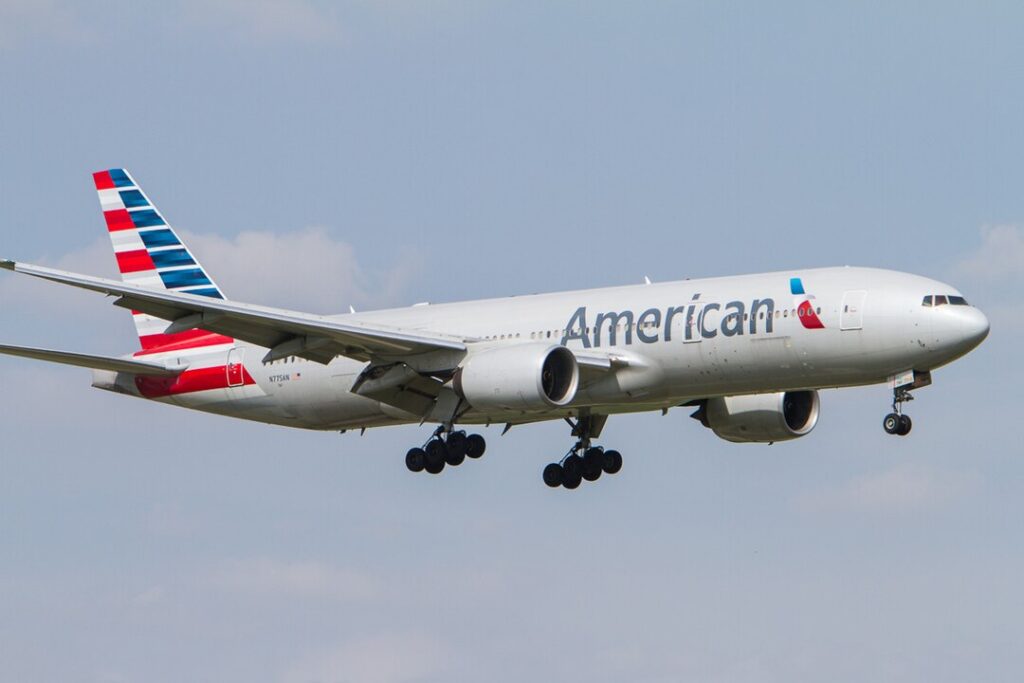
The 777-300ER fleet will continue moving through the retrofit process, gradually reducing the number of aircraft equipped with dedicated First Class.
At the same time, the A321T’s role will continue to decline as American expands A321XLR operations. The XLR provides a standardized premium cabin centered on Flagship Suite Business Class rather than a separate First Class cabin.
The final commercial phaseout remains the least certain part of the process. American can remove the cabin physically over time while keeping First Class available for sale on aircraft that have not yet received the new interior.
That makes 2027 an important period to watch, but not a confirmed final year for premium First Class sales.

Final Takeaway
American Airlines is moving away from dedicated premium First Class on its A321T and 777-300ER aircraft.
The A321T is being replaced by the A321XLR for premium flying, with the newer aircraft offering 20 Flagship Suite Business Class seats and no separate First Class cabin. Meanwhile, 777-300ER retrofits are removing the eight-seat First Class cabin and expanding Business Class to 70 Flagship Suites.
The original late-2024 deadline has clearly slipped. The physical transition is now underway, but American has not confirmed a final date for ending First Class sales. A wider phaseout during 2027 is possible, but it remains an estimate.
The change reflects a broader shift in American’s premium strategy. Instead of maintaining a small First Class cabin with limited differentiation, the airline is concentrating its investment on a larger Business Class product with privacy-focused Flagship Suites and broader access to premium ground services.
Stay tuned with us. Further, follow us on social media for the latest updates.
Join us on Telegram Group for the Latest Aviation Updates. Subsequently, follow us on Google News