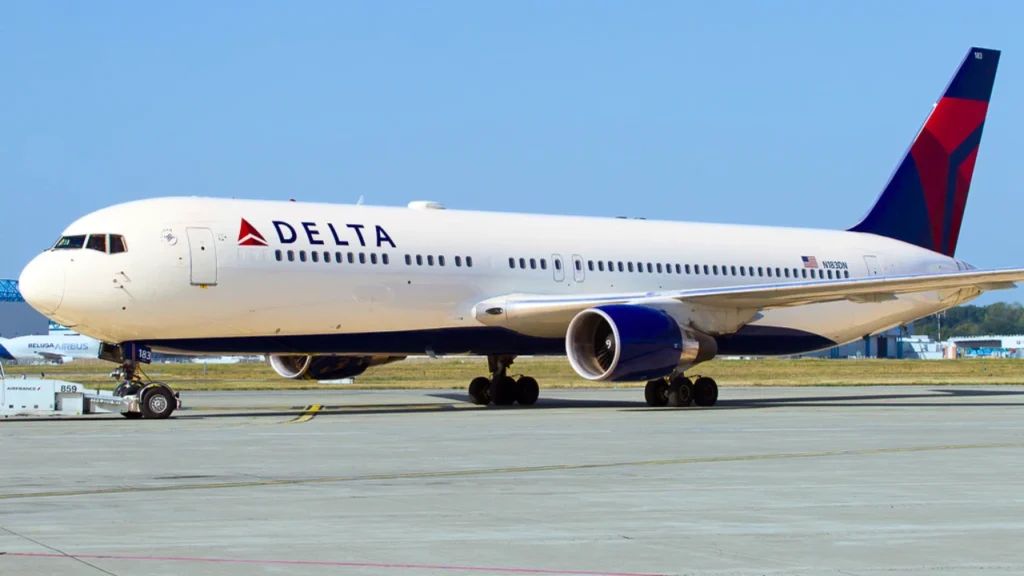
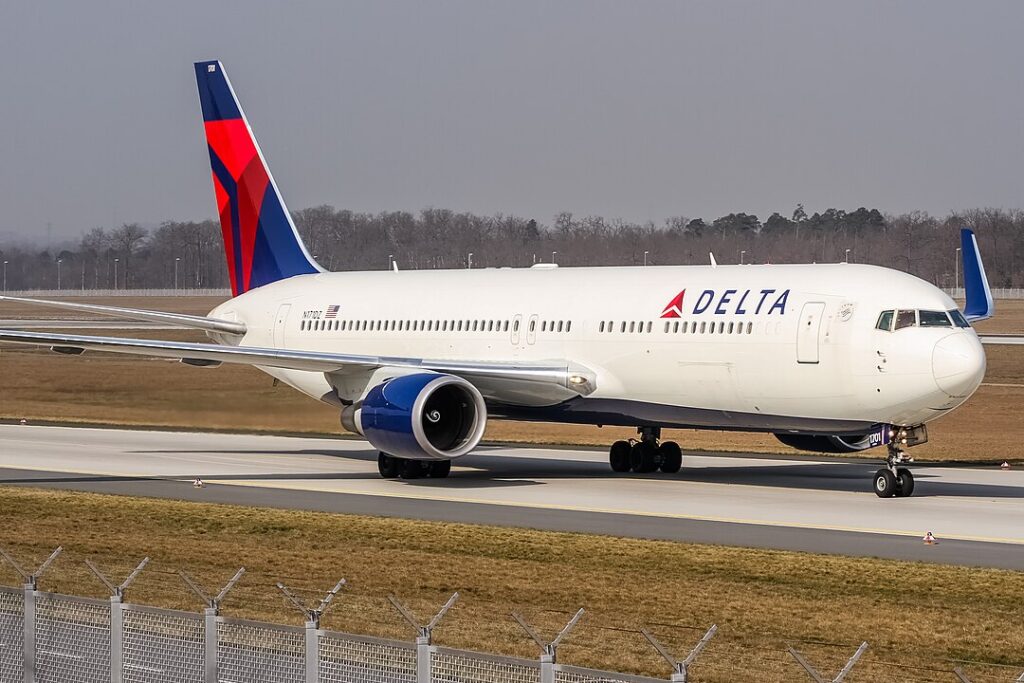
NEW YORK JFK- Delta Air Lines (DL) faced a tense exchange with a New York John F. Kennedy International Airport (JFK) air traffic controller after the crew of Flight DL773 appeared to miss multiple radio transmissions while taxiing for departure.
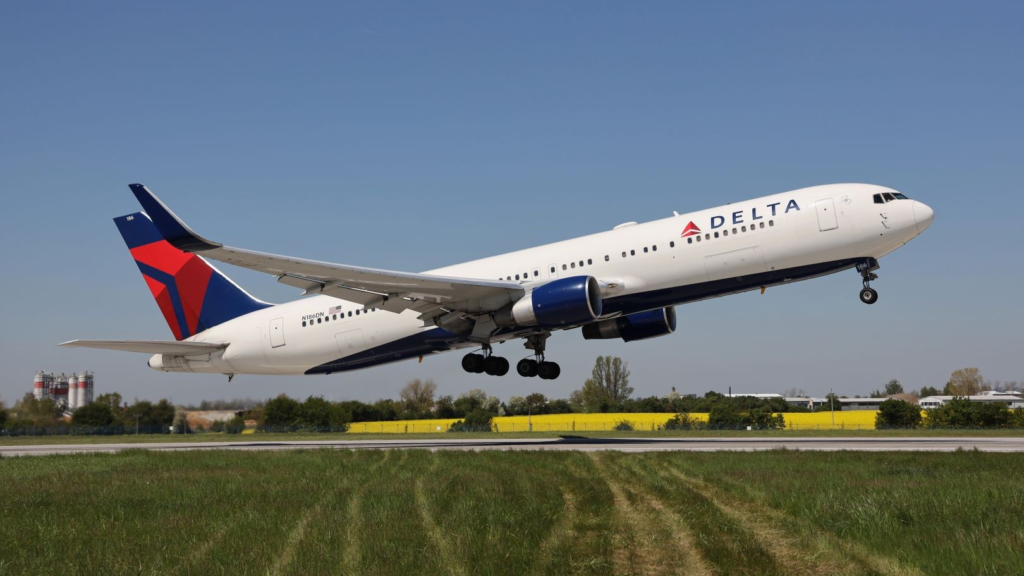
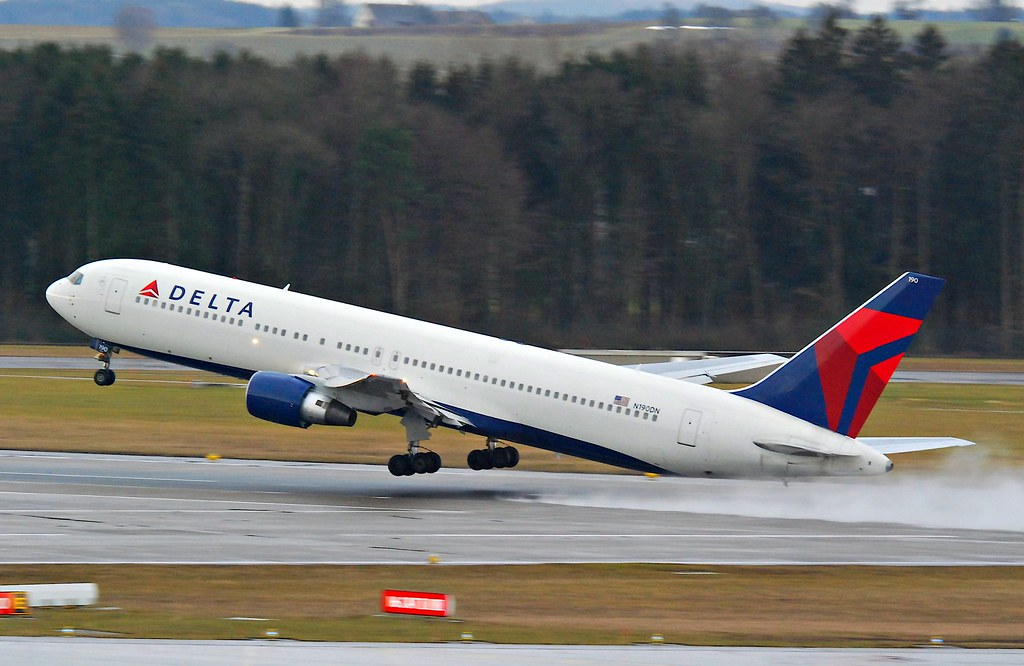
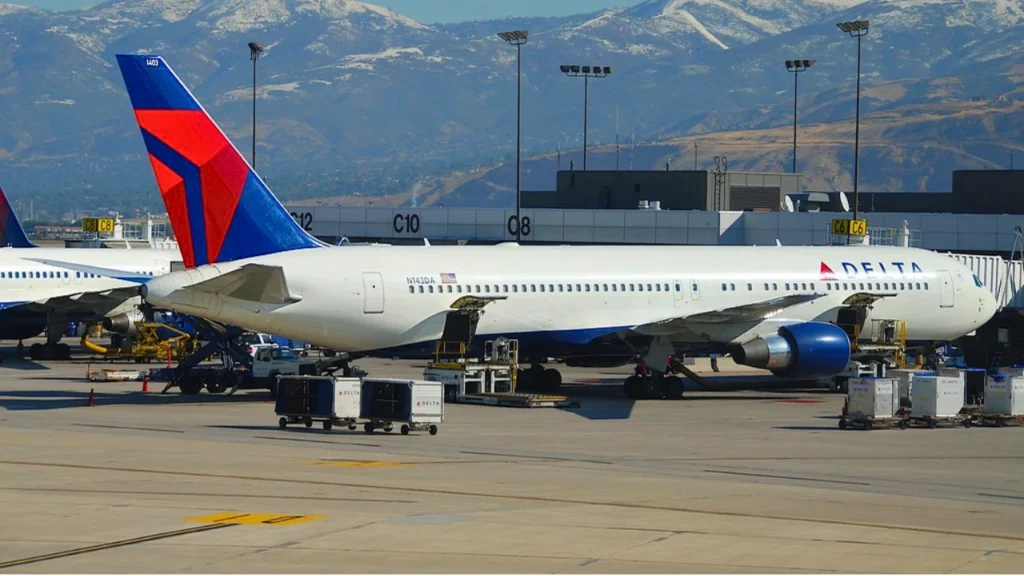
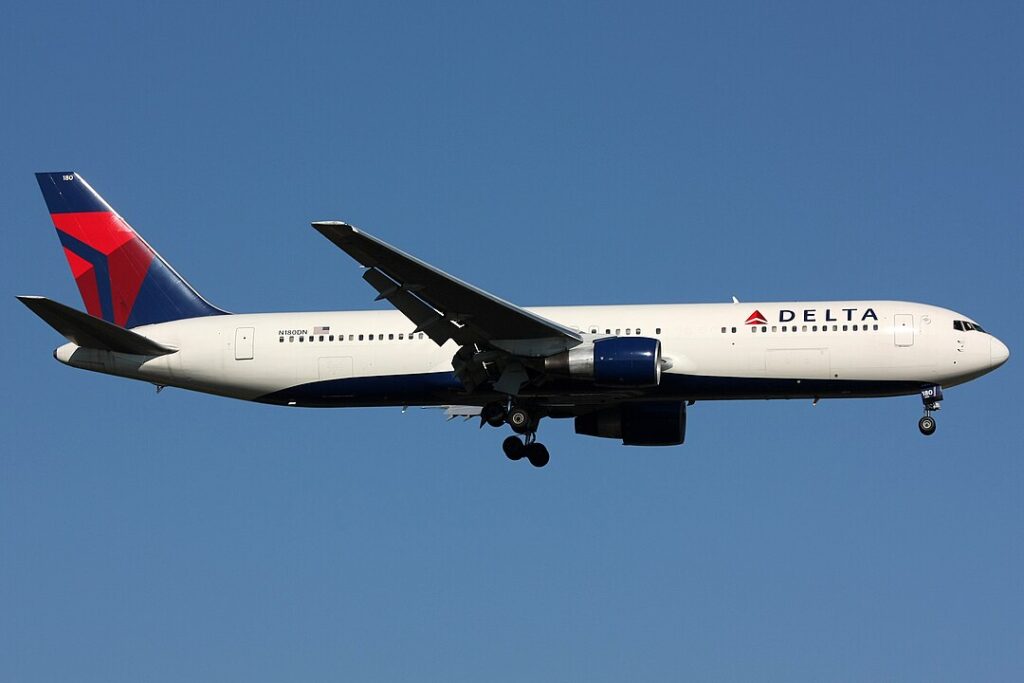
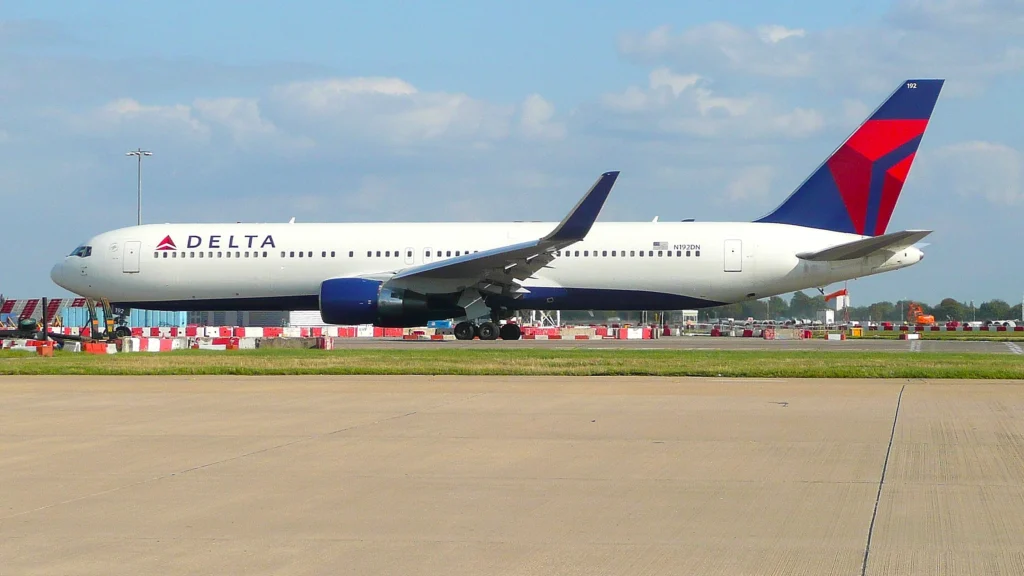
The Delta Boeing 767-300ER was preparing to depart New York for Los Angeles International Airport (LAX) on August 22, 2026, when the JFK ground controller repeatedly called the aircraft before questioning whether the crew needed additional assistance.
JFK Controller Challenges Delta Crew Over Missed Calls
The exchange occurred at around 10 a.m. as Delta Flight DL773 taxied toward Runway 4L at JFK. The aircraft was instructed to cross Runway 31L at Kilo Echo, hold short of Kilo, and follow a JetBlue aircraft.
When the crew did not respond promptly, the controller repeated the transmission and specifically told Delta 773 that the instruction was intended for them.
The pilot then responded, prompting the controller to point out that he had already repeated the instruction.
The exchange continued:
JFK ATC: Delta 773 heavy, when able, cross 31L at KE, hold short of K, follow JetBlue.
JFK ATC: Delta 773 heavy, that was for you.
Delta pilot: Okay, go ahead.
JFK ATC: Ma’am, this is the second time I’ve had to repeat myself twice. Is everything okay?
Delta pilot: Uh, yes, everything is wonderful. We were just speaking here. Yes, please go ahead.
JFK ATC: You’re busy in there. Should I get you a follow-me vehicle?
Delta Pilot: Stop being rude.
JFK ATC: It’s not being rude. It’s a safety question. Me repeating myself multiple times to an aircraft that stopped is not being rude. Delta 773 heavy, do you need a follow-me vehicle?
Delta pilot: Uh, no.
JFK ATC: Delta 773 heavy, again, cross 31L at KE, join K4, and hold short of K.
Delta pilot: 31L at KE, K4, hold short of K, Delta 773.
The audio was published by the YouTube channel You can see ATC, which also provided a visualization of the interaction.
Why the Controller’s Sarcasm Became the Focus
The controller’s tone quickly became the most noticeable part of the exchange. His suggestion that Delta might need a follow-me vehicle was clearly sarcastic, particularly because the aircraft was already receiving taxi instructions from ground control.
A follow-me vehicle is generally used at airports to guide aircraft or other vehicles when additional assistance is required. In this exchange, the controller used the reference to emphasize that the crew appeared not to be following the expected flow of taxi instructions.
An unidentified voice then told the controller to stop being rude. The controller rejected that criticism and framed his repeated calls as a safety concern.
His central point was straightforward: an aircraft that misses several transmissions can create an operational concern, particularly during taxi operations at a busy airport, OMAAT flagged.
Delta Crew Appeared To Miss Multiple Transmissions
The incident also raises questions about cockpit radio monitoring during taxi.
Flight crews operating at major airports are expected to monitor the appropriate ATC frequency and respond when their callsign is issued. Missing one transmission can happen, but repeated missed calls can become more significant when an aircraft is moving through a busy taxi environment.
The Delta pilot’s explanation that the crew was speaking among themselves did little to defuse the situation. A more direct acknowledgment or apology could have ended the exchange quickly.
The circumstances behind the missed transmissions are not independently established by the audio alone. The crew could have been dealing with an operational issue or another matter inside the cockpit, but the recording does not establish that such a situation existed.
JFK Ground Operations Require Close Radio Attention
JFK is one of the United States’ busiest and most complex airports, with multiple runways, taxiways, and aircraft movements taking place simultaneously.
Clear communication between controllers and flight crews is therefore critical. Taxi instructions can include several elements covering runway crossings, taxiway routes, and hold-short restrictions.
In this case, the controller initially instructed Delta 773 to cross Runway 31L at Kilo Echo, hold short of Kilo, and follow a JetBlue aircraft. The later instruction directed the aircraft to cross 31L at Kilo Echo, join Kilo 4, and hold short of Kilo.
The crew ultimately read back the revised instruction correctly.
Controller’s Tone Draws Attention
The controller’s approach remains open to criticism because sarcasm is not necessary to communicate a safety concern.
His statement about getting a follow-me vehicle added an antagonistic tone to an otherwise routine correction. A concise request for the crew to acknowledge the transmission would have addressed the operational issue without escalating the exchange.
At the same time, the recording indicates that the controller had a legitimate reason to seek a response after apparently repeated missed calls. The safety concern and the manner in which it was communicated are separate issues.
What Happened to Delta Flight DL773?
Delta Flight DL773 was scheduled to operate from New York JFK to Los Angeles LAX using a Boeing 767-300ER.
During its taxi toward departure, the aircraft became involved in a radio exchange after the JFK ground controller repeated instructions that had not received an immediate response.
The crew eventually acknowledged the instructions, confirmed the required taxi route and continued the operation.
There is no indication in the supplied material that the exchange resulted in a flight cancellation, diversion or other major operational disruption.
Bottom Line
The JFK radio exchange shows both sides of a common aviation communication problem.
The controller’s sarcastic comments were unnecessary and created a confrontational tone. However, the repeated missed transmissions were also significant because flight crews need to remain attentive to ATC instructions while taxiing.
For Delta 773, a simple acknowledgment or apology could likely have ended the exchange. For the controller, the same safety concern could have been communicated without the sarcasm.
Stay tuned with us. Further, follow us on social media for the latest updates.
Join us on Telegram Group for the Latest Aviation Updates. Subsequently, follow us on Google News