ALASKA— U.S. Air Force F-16 Fighting Falcons from Eielson Air Force Base (EIL) have moved across North America toward Greenland as part of a multinational Arctic operation designed to test how quickly combat aircraft can operate from remote northern locations.
The deployment began with the fighters moving to Goose Bay (YYR), Newfoundland and Labrador, before continuing forward into Greenland.
The deployment forms part of Operation ARCTIC VANGUARD 26-4.2, which runs from September 13 to 26.
The Alaskan NORAD Region is conducting the operation with the Canadian NORAD Region, while U.S. personnel and aircraft are working alongside forces from Denmark and NATO in Greenland.

US Air Force F-16s Deployed North
The Alaska-based F-16s were moved to Goose Bay with support from the Royal Canadian Air Force, providing the airlift needed to shift personnel and equipment across the continent.
The movement demonstrates how the U.S. and Canada can connect their Arctic operating locations while maintaining combat aircraft farther from their home bases.
NORAD is using the deployment to examine how multirole fighters can be staged through northeastern Canada and pushed into forward Arctic locations.
The operation also places greater emphasis on operating with limited infrastructure and in severe cold-weather conditions.
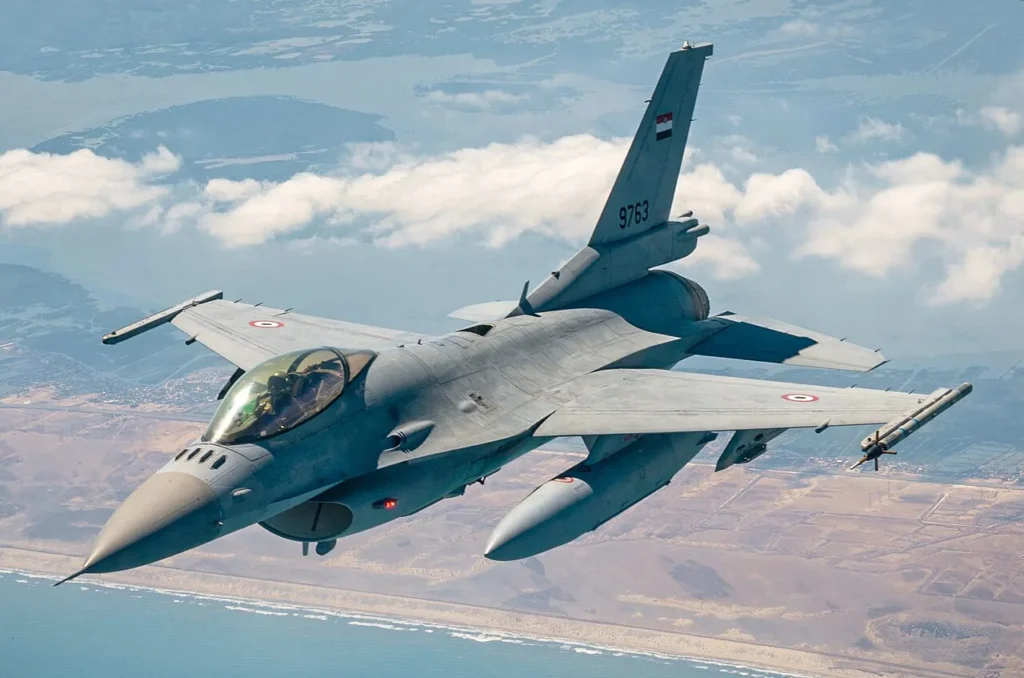
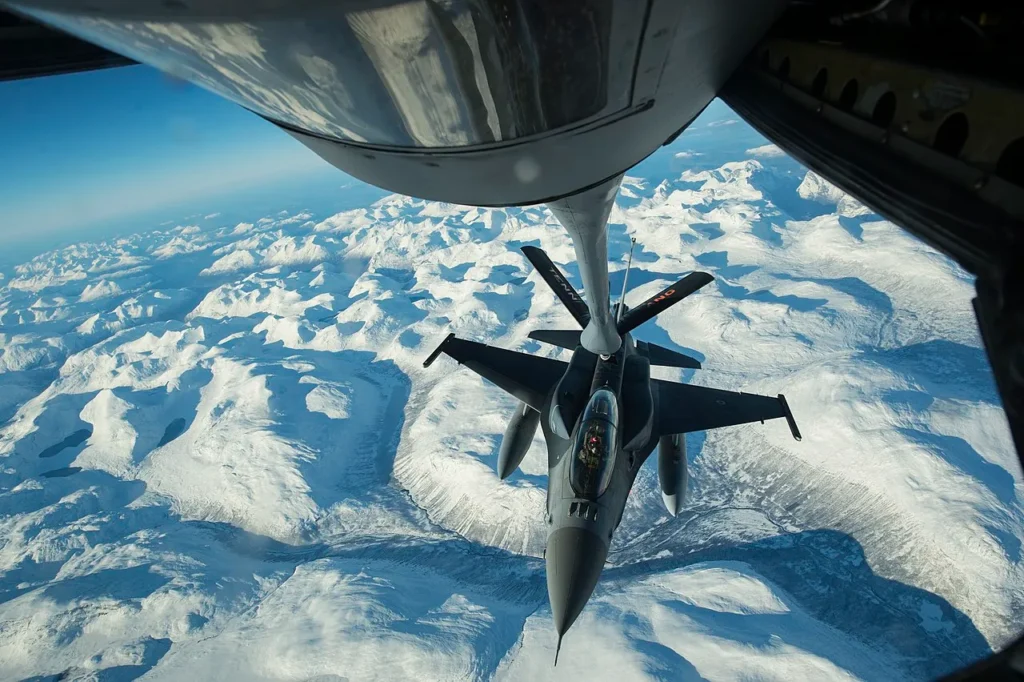
The F-16s subsequently reached Greenland, where U.S. aircraft conducted aerial refueling with a KC-135 Stratotanker over the island on September 16. U.S. military imagery also showed American F-16s operating at Kangerlussuaq alongside Danish F-35s and Canadian CF-18s during the operation.
Greenland Arctic Operations
ARCTIC VANGUARD brings together aircraft and personnel from several countries to improve coordination across the Arctic.
The Greenland phase is focused on operations from austere locations, where forces must work with fewer facilities and support resources than are normally available at major military bases.
The operation is also testing the ability of allied forces to operate together across a large geographic area. U.S., Canadian, and Danish military leaders and aircraft have participated in activities around Kangerlussuaq, highlighting the multinational character of the deployment.
The F-16 deployment is occurring alongside other U.S. Arctic activity. F-35A fighters from the Wisconsin Air National Guard’s 115th Fighter Wing have also operated from Pituffik Space Base under the ARCTIC VANGUARD framework, demonstrating the use of different fighter types in Greenland’s demanding environment.
NORAD Tests Mobility
The operation supports the Nordic Bridge concept developed by NORAD and U.S. Northern Command to coordinate Arctic operations, exercises, training and investments with NATO, U.S. combatant commands and regional partners.
For the Alaskan NORAD Region, the deployment provides a practical test of moving combat power from Alaska through Canada and into Greenland.
NORAD has not disclosed the number of F-16s or personnel involved, while the current operation is scheduled to conclude on September 26, Defense Blog reported.
The latest deployment follows earlier U.S. fighter activity in Greenland, including F-16 and KC-135 operations under Operation NOBLE DEFENDER in February 2025 and a separate Arctic deployment involving F-35s, F-16s, and KC-135 tankers later that year.
The recurring missions reflect the growing emphasis on maintaining the ability to operate combat aircraft across the Arctic’s long distances and demanding weather conditions.
Stay tuned with us. Further, follow us on social media for the latest updates.
Join us on Telegram Group for the Latest Aviation Updates. Subsequently, follow us on Google News