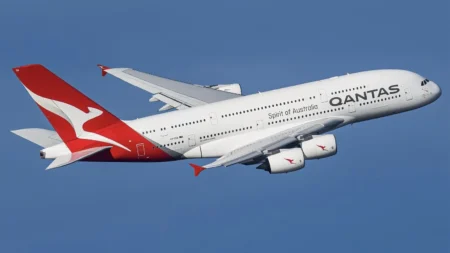
SYDNEY- Qantas (QF) plans to launch non-stop services between Sydney and New York from mid-2028 under Project Sunrise.
The service will connect Sydney Airport (SYD) with New York JFK Airport (JFK), creating the first ever non-stop commercial link between New York and Australia. The approximately 18 hour flight is expected to cut more than 3 hours from current one-stop journeys.
Qantas Project Sunrise Brings Sydney and New York Closer
Qantas’ planned Sydney-New York service will become the second confirmed Project Sunrise route. The first is Sydney-London, with non-stop flights scheduled to begin in October 2027.
Together, the routes will expand Qantas’ ultra-long-haul network between Australia’s east coast and major international destinations.
The New York service will change the way passengers travel between Australia and the US East Coast. Today, Qantas operates a daily one-stop service between New York and Sydney via Auckland.
The Project Sunrise flight will remove that stop and is expected to reduce total travel time by more than 3 hours.
For passengers, the biggest change will be the uninterrupted journey. Qantas expects the Sydney-New York flight to take around 18 hours, allowing travellers to board in Sydney and arrive in New York without a connection along the way.
Seats for the inaugural New York-Sydney service are scheduled to go on sale from August 2027. Qantas has stated that ticket sales and service commencement remain subject to regulatory approvals and aircraft certification.
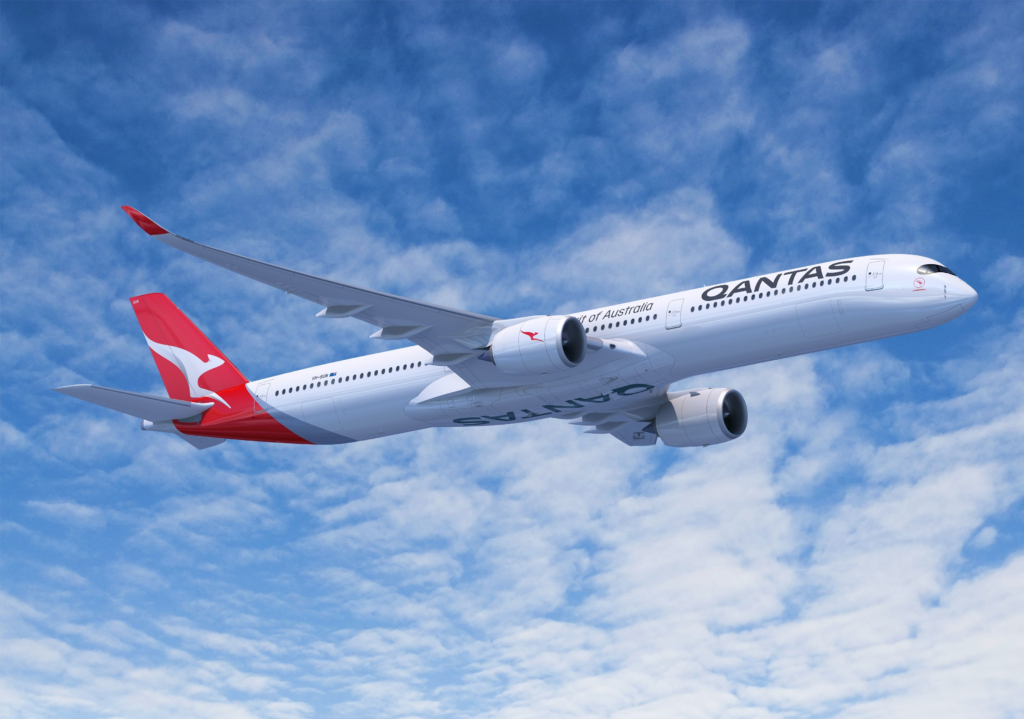
Historic Qantas Route to New York
Qantas has served New York for decades, although the original journey was very different from the planned Project Sunrise operation.
In 1958, Qantas first flew to New York as part of its inaugural round-the-world service. The journey from Sydney reached New York via Fiji, Honolulu and San Francisco.
The proposed non-stop operation will replace that multi-stop model with a direct link between the two cities.
The airline has described reaching New York non-stop as the completion of a long-standing vision to overcome the distance between Australia and major global markets.
The route will also provide the first uninterrupted connection from New York to Australia’s east coast.
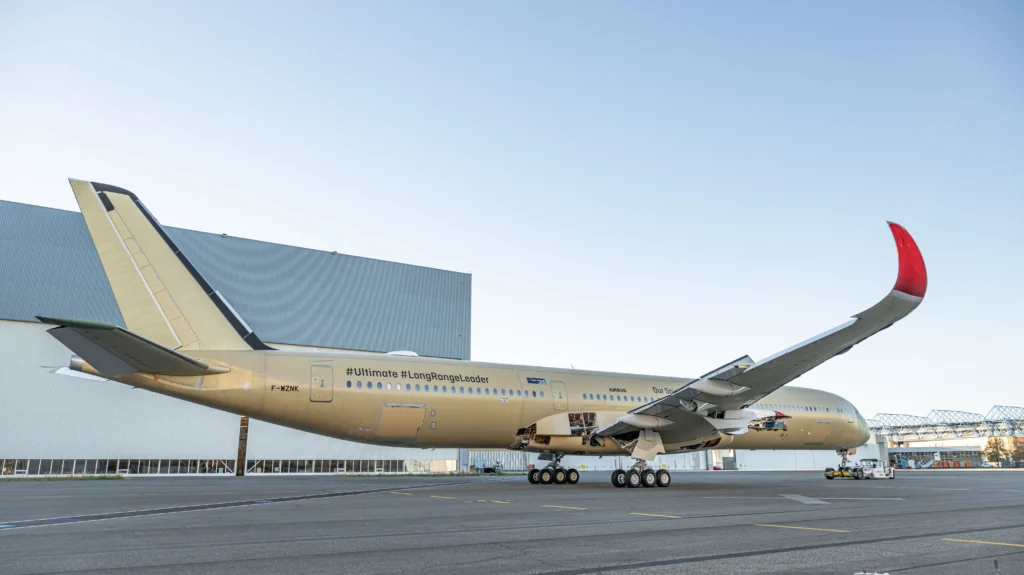
Airbus A350-1000ULR Will Operate
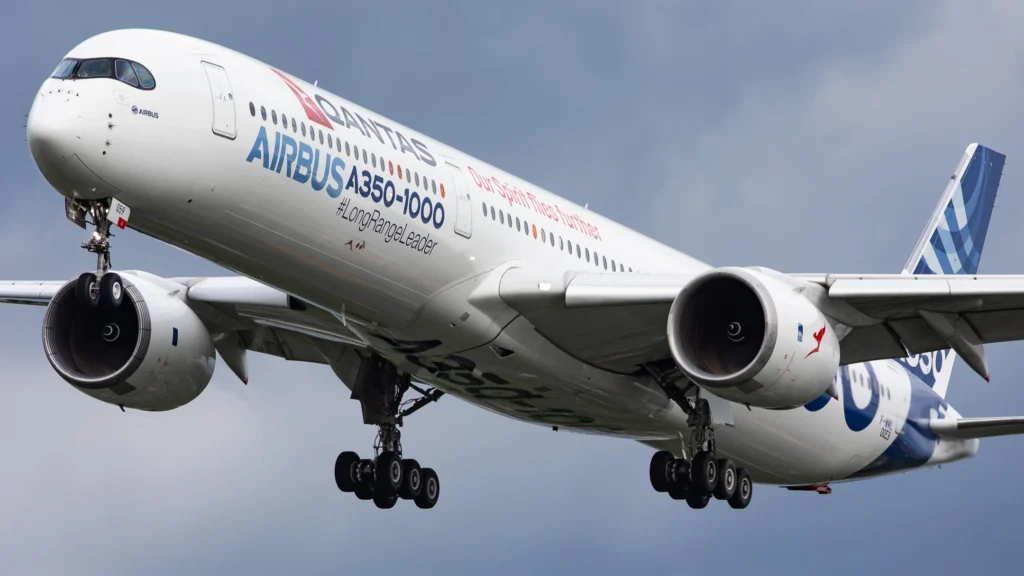
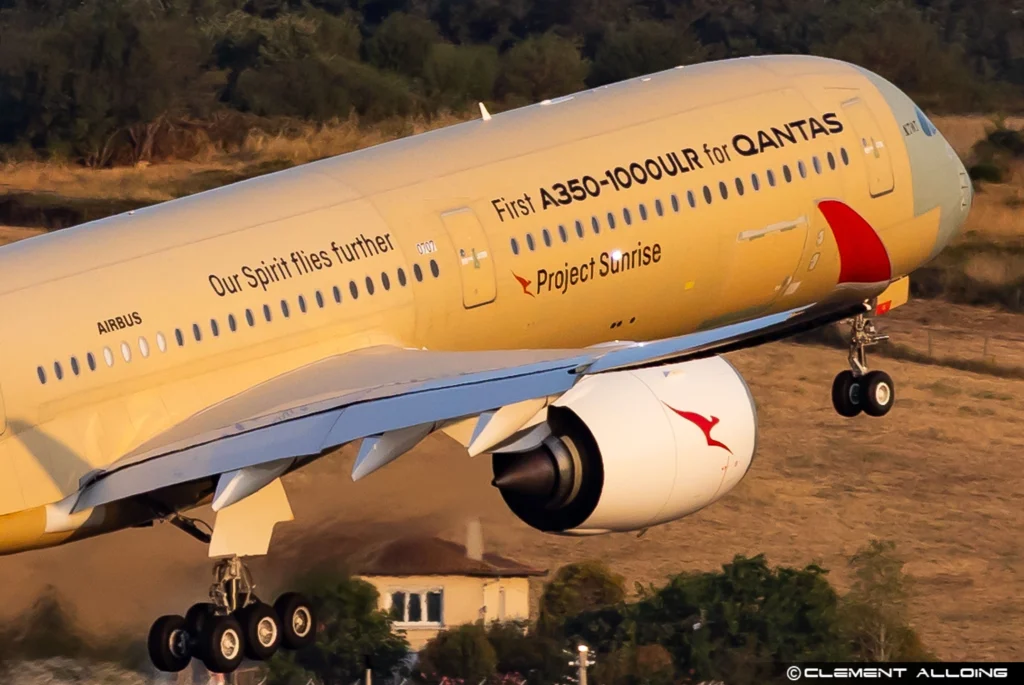
Project Sunrise flights will use specially configured Airbus A350-1000ULR aircraft built for ultra-long-haul operations. Each aircraft will have an additional 20,000-litre fuel tank, enabling it to fly more than 16,000 kilometres and remain airborne for up to 22 hours without a stop.
Qantas plans to take delivery of 12 aircraft for the Project Sunrise program. Each aircraft will be configured with 238 seats across 4 cabins, giving the airline a dedicated fleet for its longest international services.
The aircraft’s range is central to the Project Sunrise plan. Conventional long-haul aircraft require a refuelling or passenger connection on routes of this length, while the A350-1000ULR is being configured specifically to complete them non-stop.
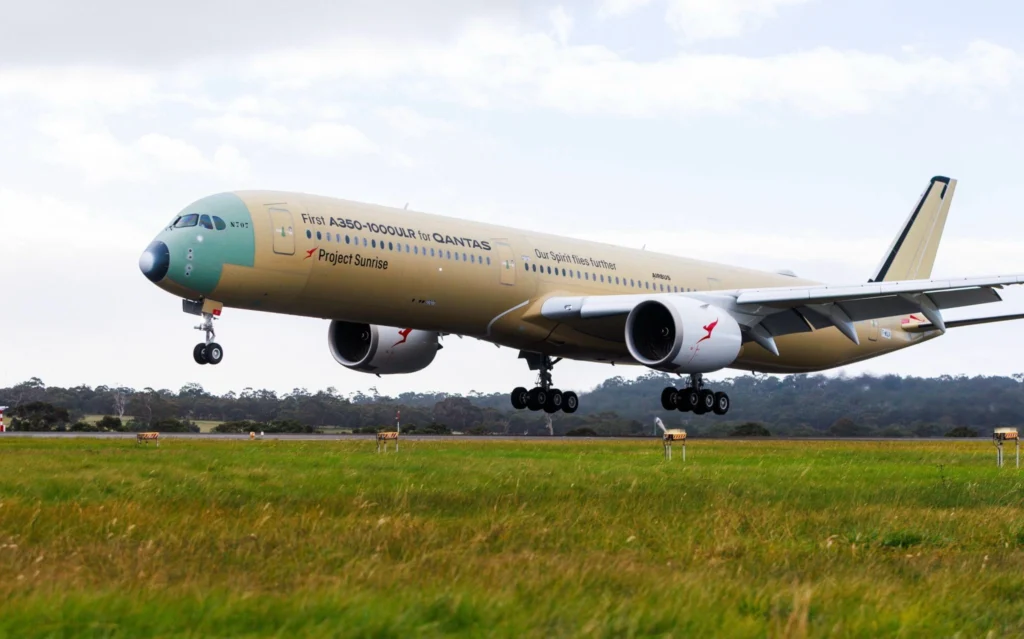
Flight Testing Supports Project Sunrise
The Project Sunrise aircraft program has already demonstrated the endurance required for ultra-long-haul flying.
The first test aircraft is in the final stages of its flight test program. It recently completed a record-breaking non-stop flight from Melbourne to Toulouse lasting 24 hours and 24 minutes. According to the original Qantas announcement, the flight was the first of its kind for a commercial airliner.
The test program is an important step toward the aircraft’s entry into commercial service. Qantas expects the first aircraft to be delivered in April 2027, ahead of the planned Sydney-New York launch in 2028.
The aircraft’s testing and certification process will determine when Project Sunrise operations can begin. Qantas has therefore made regulatory approval and aircraft certification a condition of the planned launch and on-sale dates.
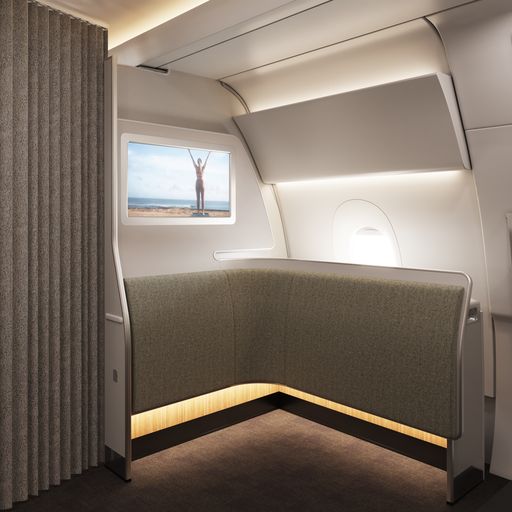
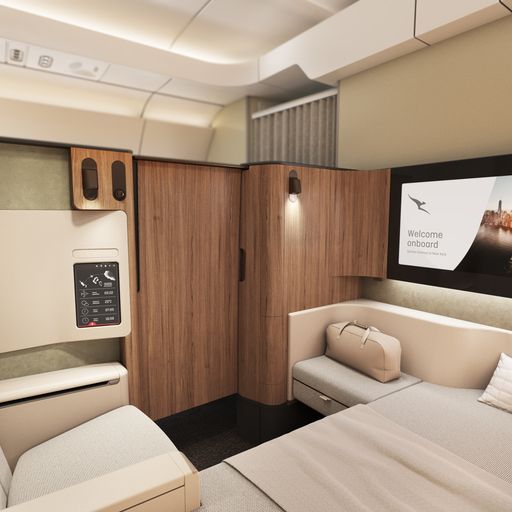
Cabin Design Focuses on Ultra-Long-Haul Travel
Qantas has designed the Project Sunrise aircraft and onboard service around the demands of flights lasting close to a full day.
The airline has focused on passenger wellbeing through cabin lighting, meal planning and other features intended for extended periods in the air. The cabin will also include a world-first Wellbeing Zone designed to give passengers an area to move, stretch and access refreshments during the flight.
Qantas Group CEO Vanessa Hudson said the New York addition was a defining moment for travel between the United States and Australia. She described the non-stop service as the completion of a vision that had been part of Qantas’ long-term approach to overcoming the geographic distance between the two countries.
Hudson also said the roughly 18-hour journey would change travel options between Australia and the United States by removing the need to stop during the trip.
The executive emphasized that flying such long distances is only practical if passengers can arrive feeling well. She said Qantas had spent years working with experts to develop the aircraft and onboard experience around the science of ultra-long-haul travel, including lighting, meals and the Wellbeing Zone.
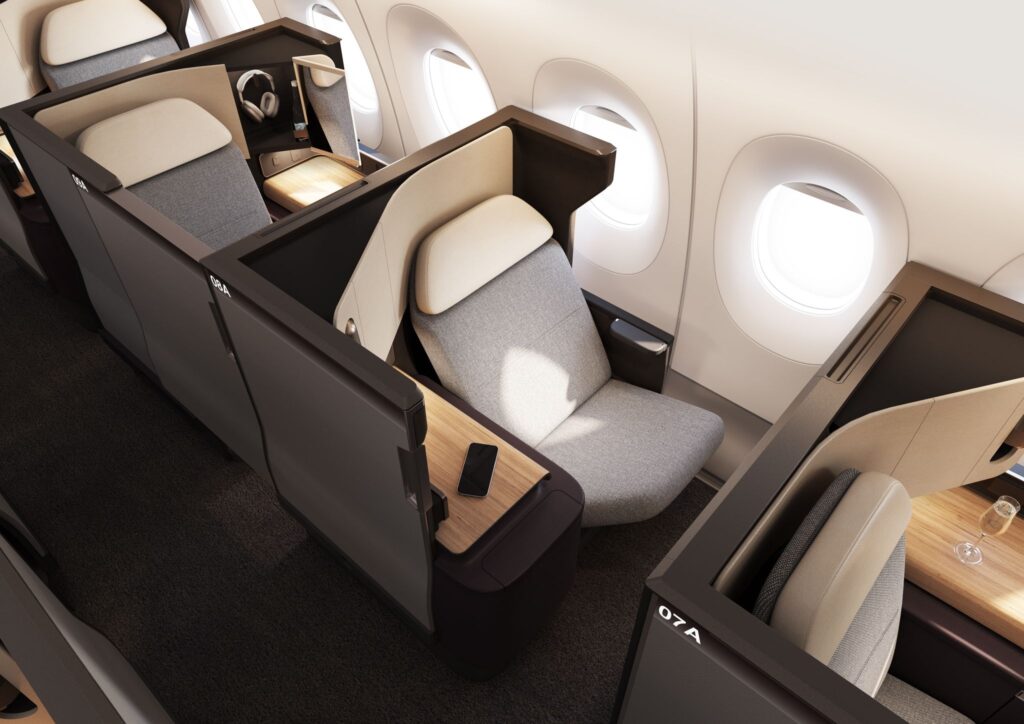
US-Australia Travel Demand Grows
Qantas has reported continued growth in travel demand between Australia and the United States.
According to the airline, US visitor arrivals in Australia increased by 5% year-on-year. Qantas also said demand in and out of New York had nearly doubled since 2023, indicating stronger interest in travel between the city and Australia.
The airline reported a further increase in interest in non-stop ultra-long-haul travel. Intent to book these services rose from 58% to 70% since February 2026 and reached 80% among premium travellers.
These figures are based on Qantas’ own reported demand measures. They form part of the airline’s case for expanding Project Sunrise and adding more non-stop long-haul capacity.
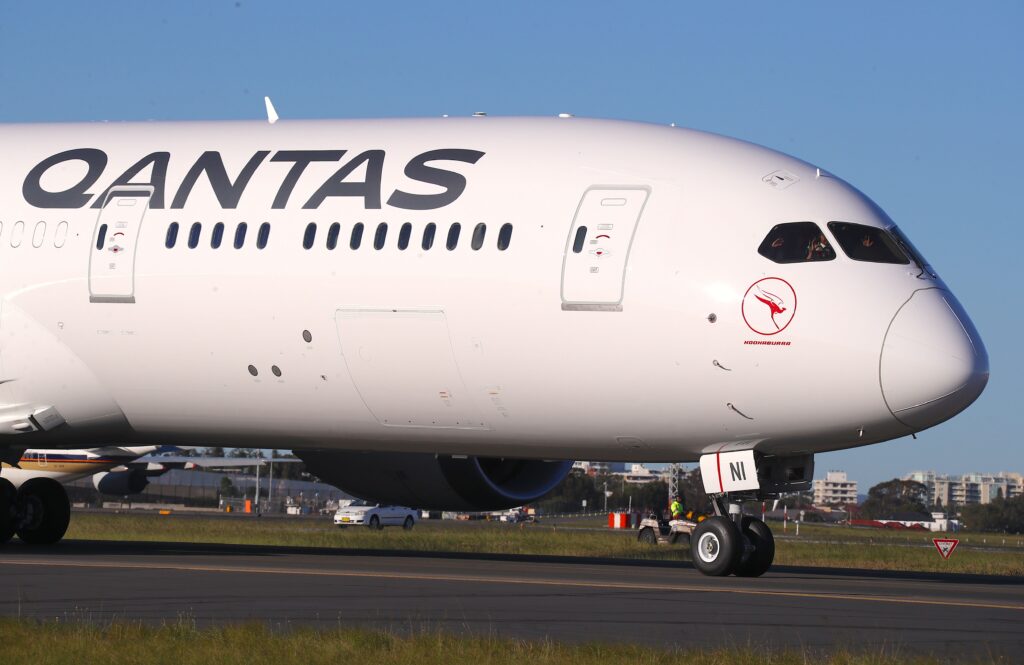
Qantas’ Experience
Project Sunrise builds on Qantas’ existing experience with very long direct flights.
Since 2018, nearly two million passengers have flown on Qantas’ non-stop long-haul services from London, Rome and Paris to Perth, as well as on the Dallas-Melbourne and New York-Auckland routes.
Qantas said these services have recorded the highest customer satisfaction scores on its international network. The airline’s experience with these routes has also provided operational and customer data relevant to the expansion of ultra-long-haul flying.
The Sydney-New York service will extend that experience to one of the longest and most strategically important routes in Qantas’ international network.
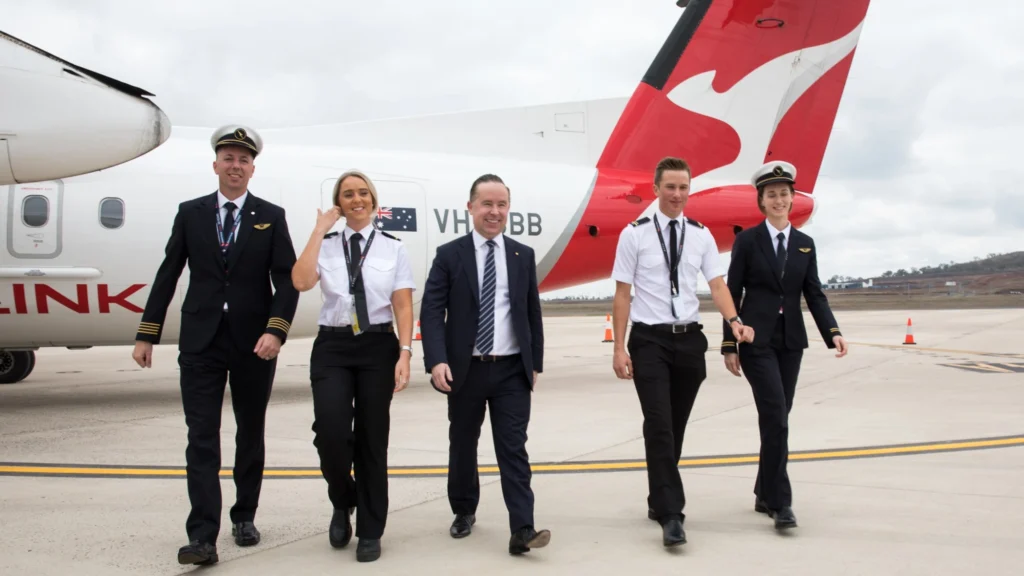
Pilot and Cabin Crew Training Is Underway
Qantas has begun preparing its workforce for the Project Sunrise aircraft. Pilots have commenced training on Australia’s first A350 simulator in Sydney as the airline prepares for the arrival of its dedicated A350-1000ULR fleet.
More than 360 Qantas pilots and 1,200 cabin crew are expected to be trained to operate the Project Sunrise aircraft by the time the 12th A350-1000ULR is delivered.
The training program is designed to prepare flight and cabin crews for the operational requirements of ultra-long-haul services. It forms part of the wider preparations needed before the planned 2028 New York launch.
What Sydney-New York Service Will Change
The planned Qantas route will provide a new travel option for passengers travelling between Australia and the United States by removing the need for an intermediate stop.
The approximately 18-hour flight is expected to save more than three hours compared with current one-stop travel. It will also create the first uninterrupted commercial connection between New York and Australia’s east coast.
The service is a major part of Project Sunrise, but its launch depends on several milestones. Qantas must complete aircraft testing, certification, regulatory approvals, aircraft deliveries and crew training before regular commercial operations can begin.
With New York following London as a confirmed Project Sunrise destination, Qantas is positioning its A350-1000ULR fleet around direct links from Australia’s east coast to two major global markets.
Stay tuned with us. Further, follow us on social media for the latest updates.
Join us on Telegram Group for the Latest Aviation Updates. Subsequently, follow us on Google News