WASHINGTON, D.C.— Boeing’s prospects of securing a fresh mega-order from China appear to be fading ahead of the meeting between U.S. President Donald Trump and Chinese President Xi Jinping.
The U.S. planemaker had previously been linked to potential Chinese commitments involving hundreds of aircraft, but current negotiations are reportedly focused on preserving an existing 200-jet commitment.
The development is significant for Boeing because China remains one of the world’s largest commercial aviation markets, even as Airbus and China’s state-backed COMAC have strengthened their positions.
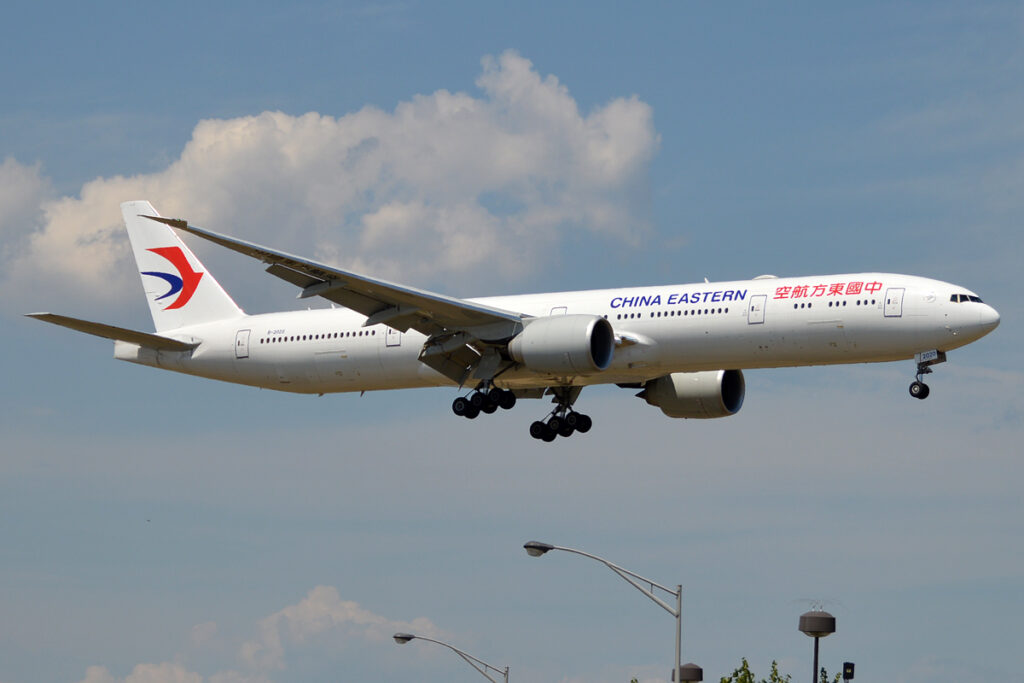
China Eastern Airlines (MU) and China Southern Airlines (CZ) are among the major Chinese operators with large narrowbody and widebody fleets, while Washington, D.C. (WAS) is hosting the latest Trump-Xi meeting.

Boeing’s New China Order Fades
Sources familiar with the discussions told Reuters that expectations for a new Boeing aircraft commitment during the summit have weakened.
Instead, Boeing is concentrating on completing the 200-aircraft agreement announced in May, which has not yet been fully converted into firm orders.
The earlier expectations were considerably larger. Trump had previously indicated that China could eventually purchase as many as 750 Boeing aircraft, while industry estimates suggested another 300 to 500 jets could potentially follow the initial 200-aircraft commitment.
Boeing CEO Kelly Ortberg also lowered expectations for a major announcement during a Morgan Stanley conference last week.
He indicated that future Chinese aircraft purchases would ultimately depend on the airlines and their own timelines.

200 Jets Still At Risk
The May agreement itself has faced obstacles, making its completion more important for Boeing.
U.S. Trade Representative Jamieson Greer said around 140 aircraft were in a good state, while another 10 were moving through the formalization process.
The remaining aircraft have been affected by disagreements involving engines, spare parts and maintenance support.
Beijing has reportedly sought assurances that Chinese airlines will retain access to U.S.-made components and technical support.
Aerospace analyst Richard Aboulafia told Reuters that completing the original commitment would represent a significant result for Boeing, particularly if the agreement survives after months of uncertainty.
However, sources indicated that the final number could fall to around 150 aircraft or even lower.
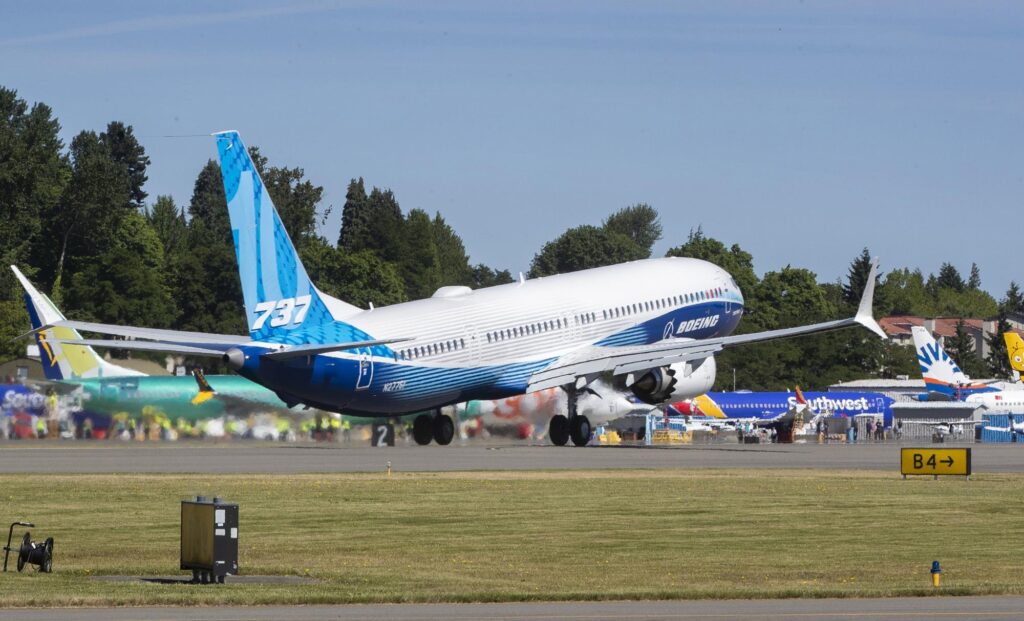
The aircraft types included in the May commitment have not been publicly detailed. The Boeing 737 MAX is nevertheless expected to account for much of the eventual order because of its importance to China’s large domestic and regional airline fleets.
Boeing Faces China Challenge
Boeing’s position in China has weakened substantially since its last major Chinese aircraft agreement in 2017.
That year, Chinese customers committed to 300 Boeing aircraft worth more than $37 billion at list prices, but the U.S. manufacturer has struggled to regain similar momentum.
Airbus has expanded its presence in the market during that period, while COMAC has continued developing its own commercial aircraft programs.
Political tensions between Washington and Beijing have also complicated Boeing’s efforts to restore deliveries and deepen relationships with Chinese airlines.
China is expected to remain a critical market for aircraft manufacturers over the long term.
Boeing and Airbus forecasts both point to thousands of new aircraft being required by Chinese carriers over the coming decades, making access to the market strategically important, Simple Flying reported.
For now, however, Boeing’s immediate objective appears narrower: securing the May commitment rather than adding another major Chinese order at the summit.
Stay tuned with us. Further, follow us on social media for the latest updates.
Join us on Telegram Group for the Latest Aviation Updates. Subsequently, follow us on Google News