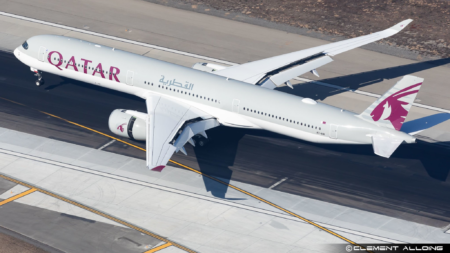
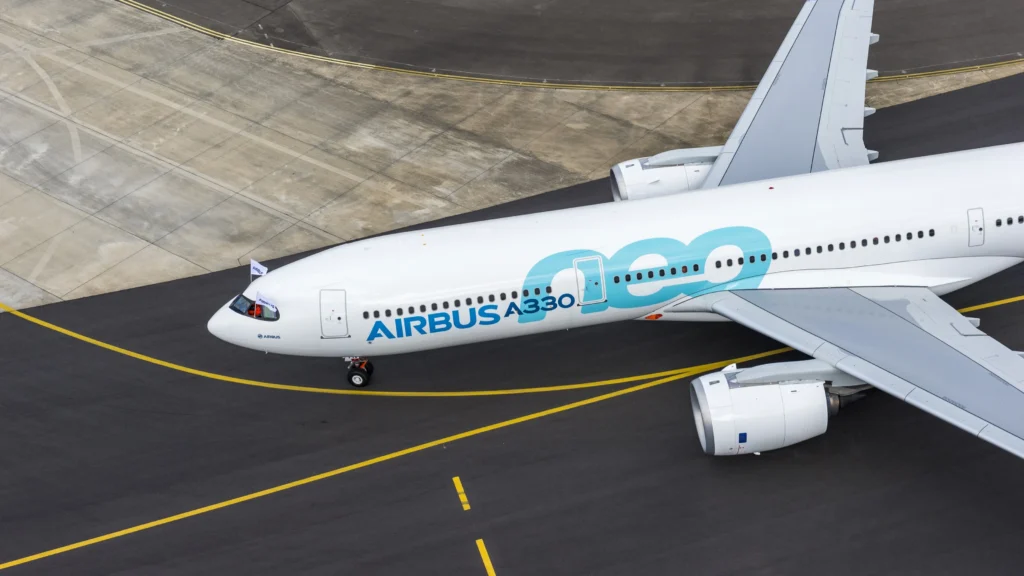
DOHA- Qatar Airways (QR) has retired its remaining Airbus A330 passenger aircraft as prolonged disruption to Gulf aviation and sharply higher jet fuel prices change the economics of operating older wide-body jets. Reuters reported that the airline has now fully retired its A330 passenger fleet, ending the type’s role in its passenger operations.
The decision follows a period in which airlines kept older aircraft in service longer than expected because of strong post-pandemic travel demand and delays in receiving newer aircraft. Rising fuel costs have now increased the pressure to remove less efficient aircraft from active fleets.
Qatar Airways had leased four Airbus A330 wide-body aircraft from Oman Air in 2025 and had planned to operate them through 2026. However, the aircraft did not enter passenger service, according to people familiar with the matter cited by Reuters.
One of those A330s was acquired earlier in 2026 by RwandAir. Qatar Airways has longstanding ties with the Rwandan carrier, including a codeshare relationship, creating an opportunity for the two airlines to cooperate on pilot deployment.
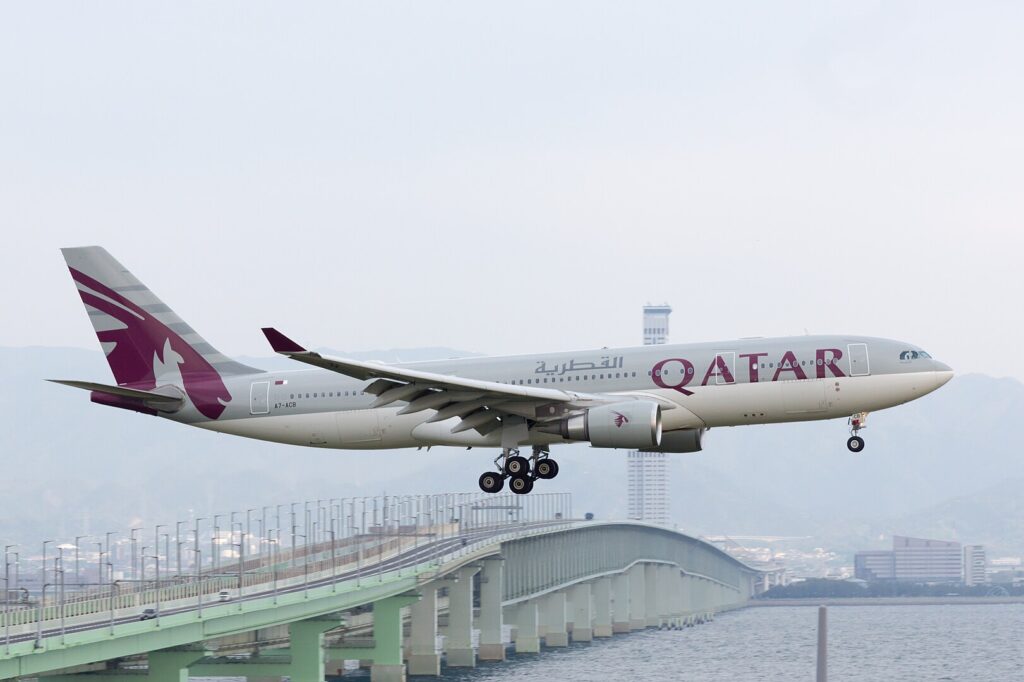
Qatar Airways Retires Last A330
The prolonged Iran conflict has affected airline operations across the Middle East, particularly major aviation hubs such as Doha and Dubai. Higher fuel prices have added another cost pressure for carriers operating aircraft with comparatively higher fuel consumption.
For Qatar Airways, retiring older A330 aircraft reduces exposure to those operating costs. Analysts cited by Reuters said parking older aircraft can be more economical than flying them when fuel prices are elevated.
Several A330 aircraft previously leased by Qatar Airways remain parked in locations including Teruel, Spain, and Doha, according to flight-tracking data reviewed by Reuters. Two A330s parked in Doha and leased from aircraft lessor Jetran are scheduled to be returned to the lessor in October.
Gulf Aviation Capacity Has Declined
The A330 retirement comes while Qatar Airways is operating below its previous capacity levels. Cirium Ascend data reviewed by Reuters showed that the airline’s seven-day average available seat kilometres were 10% lower in September than a year earlier. Emirates recorded a similar 10% decline, while global industry capacity was broadly flat.
Qatar Airways was also operating about 12% fewer flights year over year and using about 4% fewer aircraft, according to Cirium Ascend. The data indicates that the airline has reduced capacity while regional operating conditions remain disrupted.
Global Airbus A330-200 and A330-300 operations were down about 12% from September 2025, based on seven-day averages calculated by Cirium Ascend. The decline reflects broader pressure on older wide-body aircraft as fuel costs rise and newer aircraft become available.
Qatar Airways Moves A330 Pilots to RwandAir
Qatar Airways is offering more than a dozen staff members voluntary short-term secondments with RwandAir. The group includes A330-trained pilots, some of whom had not flown commercially since the start of the war, according to people familiar with the matter.
Qatar Airways said the secondment program gives pilots valuable flying opportunities while supporting the operational requirements of both airlines. The airline did not specify how long individual secondments would last.
RwandAir operates from Kigali as its hub and has Airbus A330 aircraft in its fleet. The airline also has a codeshare relationship with Qatar Airways, providing an established framework for cooperation between the two carriers.
Fleet Renewal Becomes a Central Priority
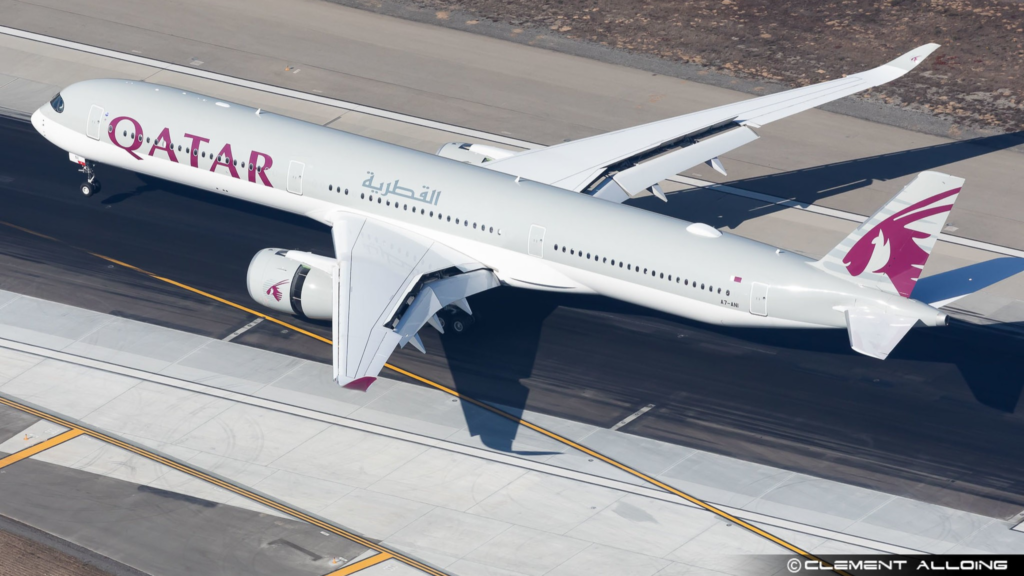
Qatar Airways continues to receive newer aircraft despite the temporary reduction in capacity. The airline said it expects to receive 138 new aircraft over the next five years and plans to recruit pilots for the newer aircraft as growth resumes.
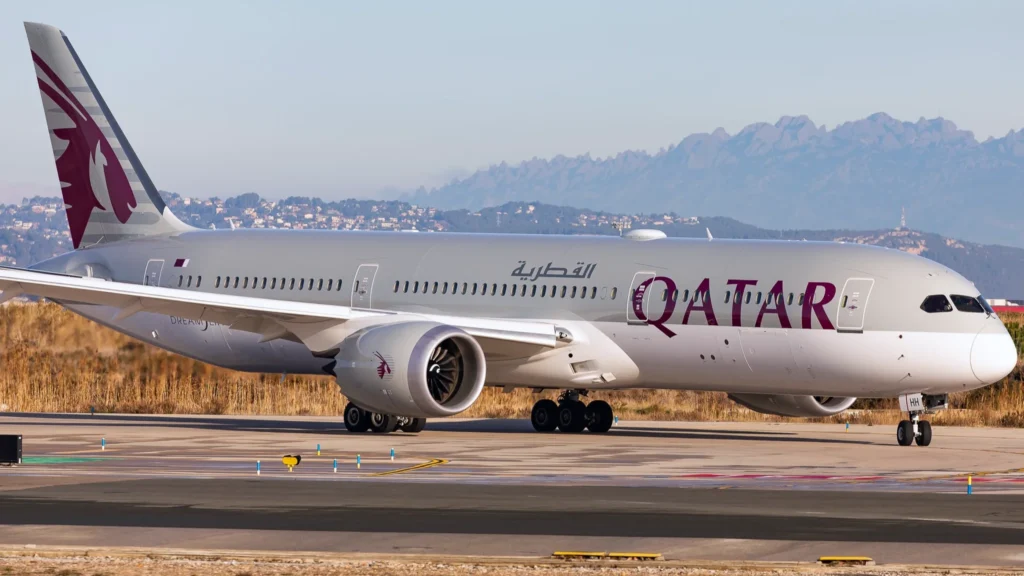
Between September 2026 and the end of 2027, Qatar Airways plans six aircraft exits and 19 new aircraft deliveries. The carrier also has 410 aircraft on order from Airbus and Boeing to support longer-term expansion through the 2030s.
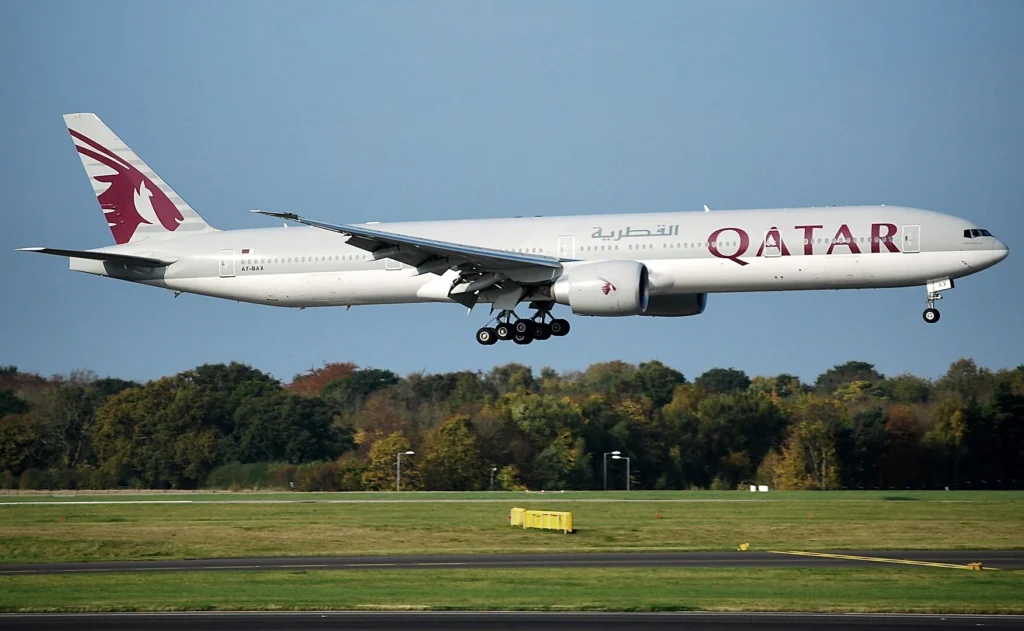
The airline operates a mixed Airbus and Boeing fleet. Company data cited by Reuters showed 239 passenger aircraft and 30 freighters, with A330s representing about 7% of the passenger fleet in March 2026.
The retirement therefore represents a relatively small part of the overall fleet but marks a significant step in the transition away from older wide-body aircraft.
What the A330 Retirement Means for Qatar Airways
The retirement reflects a shift in fleet economics rather than a permanent change to Qatar Airways’ long-term growth strategy. The airline continues to plan aircraft deliveries and expects capacity and network growth to resume as regional disruption eases.
For pilots previously qualified on the A330, secondments to RwandAir provide a way to maintain commercial flying activity while Qatar Airways transitions toward newer aircraft. For Qatar Airways, the arrangement also allows the airline to retain trained personnel while managing a temporary mismatch between available pilots and active aircraft.
The A330 retirement also illustrates how fuel prices, aircraft availability, regional airspace restrictions and post-pandemic fleet planning can influence airline decisions. Older aircraft that remained commercially useful during the post-COVID recovery can become less attractive when operating costs rise, and newer aircraft enter service.
Qatar Airways Fleet Strategy Through 2027
Qatar Airways has stated that it regularly reviews its fleet and retires older aircraft as newer, more efficient aircraft are delivered. The airline’s planned deliveries and aircraft exits indicate that fleet renewal will continue alongside its longer-term expansion program.
The current capacity reduction is taking place against that longer-term strategy. Qatar Airways continues to operate one of the major global connecting hubs from Doha while adjusting aircraft deployment to changing regional conditions.
The retirement of the final A330 passenger aircraft closes one chapter of Qatar Airways’ fleet history while its future fleet increasingly shifts toward newer Airbus and Boeing wide-body aircraft.
Stay tuned with us. Further, follow us on social media for the latest updates.
Join us on Telegram Group for the Latest Aviation Updates. Subsequently, follow us on Google News