The Middle East and Africa continue to play an important role in global air travel, connecting major cities across Europe, Asia, Africa and beyond. Several airports in the region have developed into major international transfer points, supported by large network carriers, extensive long-haul operations, and strategically important geographic locations.
According to the OAG Megahubs 2026 ranking, Dubai International Airport is the most connected airport in the Middle East and Africa. It is followed by Johannesburg O.R. Tambo, Riyadh King Khalid, Doha Hamad and Addis Ababa Bole. Five airports from the region also appear among the global Top 50 international Megahubs.
Top 10 Megahubs in the Middle East and Africa in 2026
The 2026 ranking is based on OAG’s connectivity index, which measures potential connections between inbound and outbound international flights within a six-hour window against the number of destinations served. The analysis uses the busiest day for global aviation, 2 August 2026, with destinations considered across the September 2025 to August 2026 period.
1. Dubai International Airport
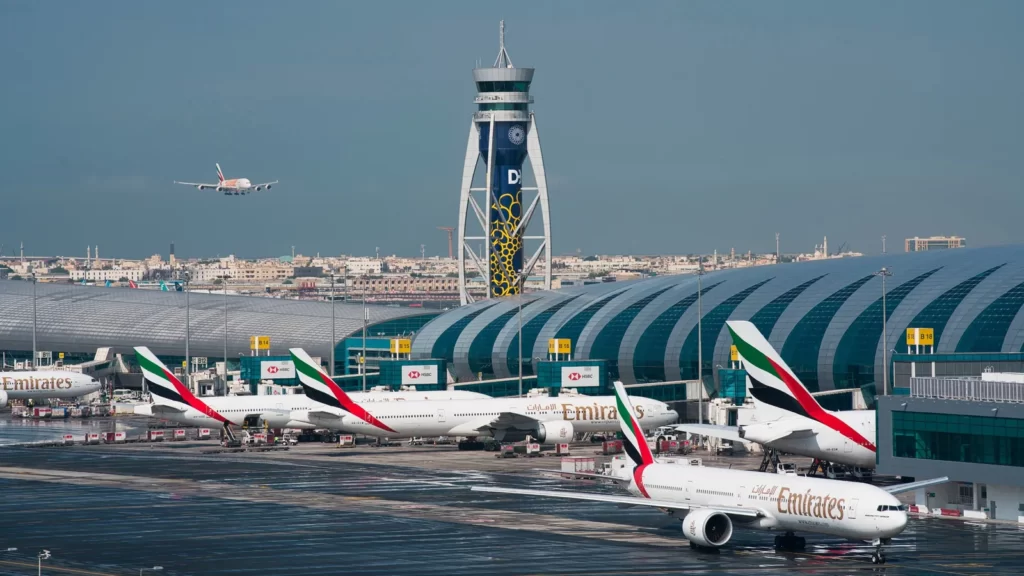
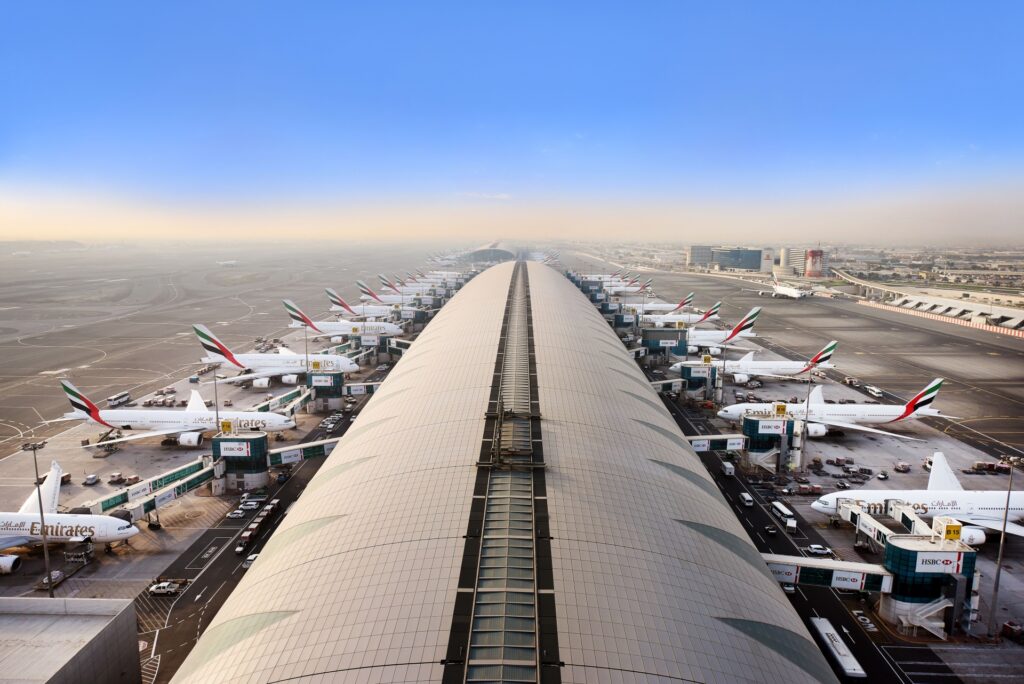
Dubai International Airport remains the leading Megahub in the Middle East and Africa in 2026. It ranks 31st globally, making it comfortably the highest-placed airport from the region in the worldwide list.
Dubai’s position reflects its role as a major connecting point between Europe, Asia, Africa and the Middle East. Its location allows passengers to connect between a wide range of international markets, while the airport’s large-scale operations provide a substantial number of potential connections.
Emirates is the dominant carrier at Dubai International, operating 41% of flights. Despite changes in Middle Eastern aviation capacity during the year, Dubai remains one of the region’s most important international gateways. OAG notes that scheduled capacity across the Middle East was 5.7% below August 2025 levels, with the disruption affecting connectivity patterns at airports including Dubai and Doha.

2. Johannesburg O.R. Tambo International Airport
Johannesburg O.R. Tambo International Airport is the second most connected Megahub in the Middle East and Africa and the leading airport in Africa in the 2026 regional ranking.
Johannesburg’s position is particularly important because the airport serves as a major gateway for connections across the African continent. Its extensive international network also gives travellers connecting through South Africa access to destinations outside Africa.
The airport ranks 40th globally in OAG’s 2026 Megahubs ranking. Airlink is identified as its dominant carrier, accounting for 35% of flights. This gives Johannesburg a strong position within the African aviation network and makes it an important transfer point for regional and international passengers.

3. Riyadh King Khalid International Airport
Riyadh King Khalid International Airport ranks third in the Middle East and Africa and 43rd globally in OAG’s 2026 Megahubs ranking.
The Saudi capital has become an increasingly important international aviation centre, supported by its position as the country’s main political and business hub. The airport provides connections between Saudi Arabia and a broad selection of international destinations, while also supporting onward travel across the Middle East and other regions.
Saudi Arabian Airlines is the dominant carrier at Riyadh, accounting for 38% of flights. Riyadh also appears in OAG’s Top 25 Low-Cost Megahubs, ranking 12th in that separate category, with FLYNAS identified as its dominant low-cost carrier.

4. Doha Hamad International Airport
Doha Hamad International Airport takes fourth place among the Middle East and Africa’s leading Megahubs in 2026. Globally, it ranks 46th.
Doha’s location has helped it develop into a major connecting point between markets in Europe, Asia, Africa and the Middle East. The airport’s network is closely linked to the international reach of Qatar Airways, which has built Doha into one of the region’s most recognisable transfer hubs.
Qatar Airways operates 78% of flights at the airport, giving it one of the highest dominant-carrier shares among the region’s leading Megahubs. Doha’s connectivity has also been affected by the wider disruption in the Middle East during 2026, according to OAG.

5. Addis Ababa Bole International Airport
Addis Ababa Bole International Airport is fifth in the Middle East and Africa ranking and 50th globally. It is also one of the most concentrated airline hubs in the entire OAG Megahubs ranking.
Ethiopian Airlines operates an extraordinary 94% of flights at Addis Ababa, the highest dominant-carrier share in the region. OAG also highlights Ethiopian Airlines’ 94% share as the highest among the airports included in its global Top 50.
Addis Ababa’s importance comes from its role as a major connecting point for travel across Africa. Ethiopian Airlines’ extensive network has helped the airport develop into a significant international hub, particularly for passengers travelling between African destinations and markets elsewhere in the world.
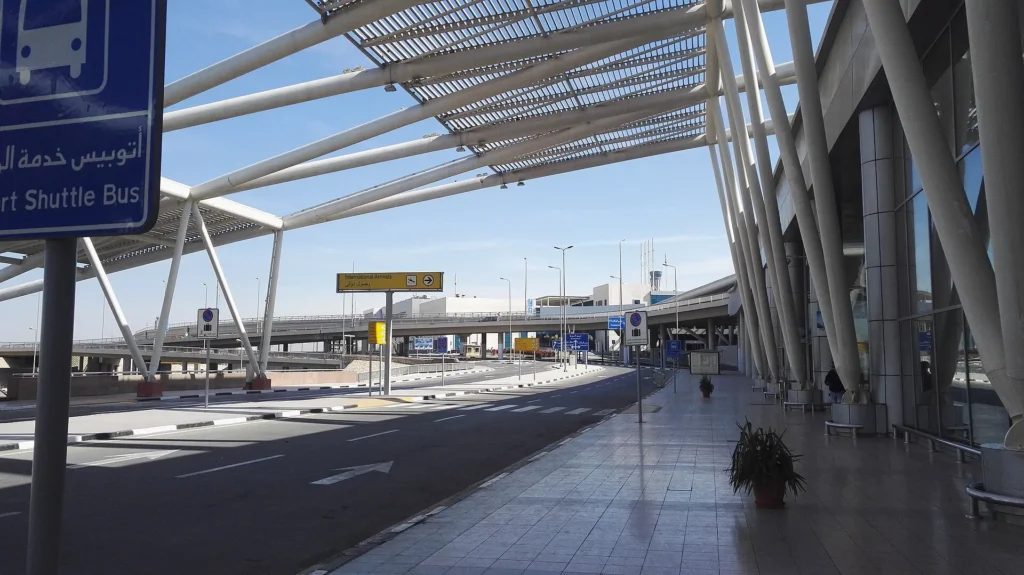
6. Cairo International Airport
Cairo International Airport ranks sixth among the best-connected Megahubs in the Middle East and Africa in 2026.
As the main international gateway to Egypt’s capital, Cairo plays an important role in connecting North Africa with the Middle East, Europe and other international markets. Its location gives it particular importance for passengers travelling between different parts of Africa and the wider region.
Egyptair is the dominant carrier at Cairo, operating 38% of flights. Although Cairo sits outside the global Top 50, its sixth-place regional ranking demonstrates the airport’s continuing importance within the Middle Eastern and African aviation network.
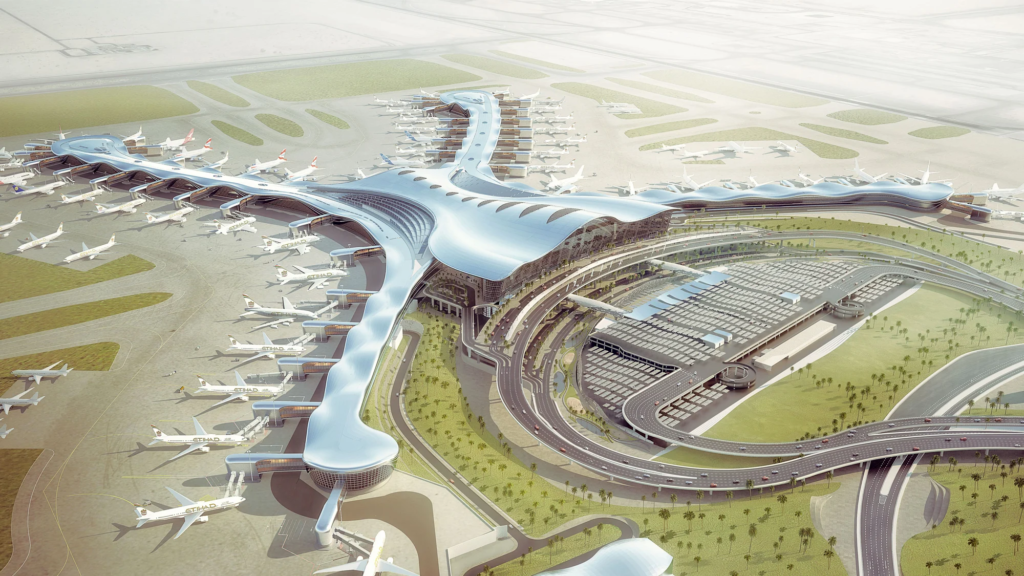
7. Abu Dhabi Zayed International Airport
Abu Dhabi Zayed International Airport ranks seventh in the region and 73rd globally in the OAG Megahubs 2026 ranking.
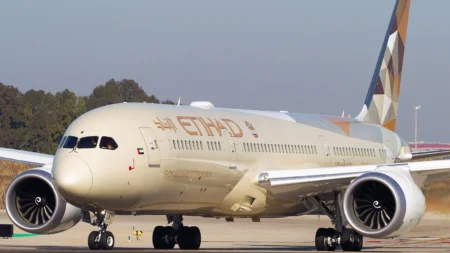
The airport is the main international gateway for Abu Dhabi and has developed a significant long-haul network. Its connectivity is closely associated with Etihad Airways, which operates a large share of flights and provides connections between the UAE capital and international destinations.
Etihad Airways accounts for 66% of flights at Abu Dhabi, making the airport one of the more concentrated hubs in the regional Top 10. The airport’s position also reflects the importance of the United Arab Emirates as a major aviation market, with both Abu Dhabi and Dubai appearing in the regional ranking.

8. Jeddah King Abdulaziz International Airport
Jeddah King Abdulaziz International Airport takes eighth place in the Middle East and Africa Megahubs ranking and ranks 78th globally.
Jeddah is an important gateway for Saudi Arabia and has a particularly significant role in international passenger traffic because of the city’s proximity to Makkah and Madinah. The airport therefore serves a wide range of travellers arriving in the Kingdom from across the Middle East, Asia, Africa and other parts of the world.
Saudi Arabian Airlines is the dominant carrier at Jeddah, accounting for 36% of flights. Along with Riyadh, Jeddah gives Saudi Arabia two airports within the regional Top 10, highlighting the country’s growing importance within the wider Middle Eastern aviation network.
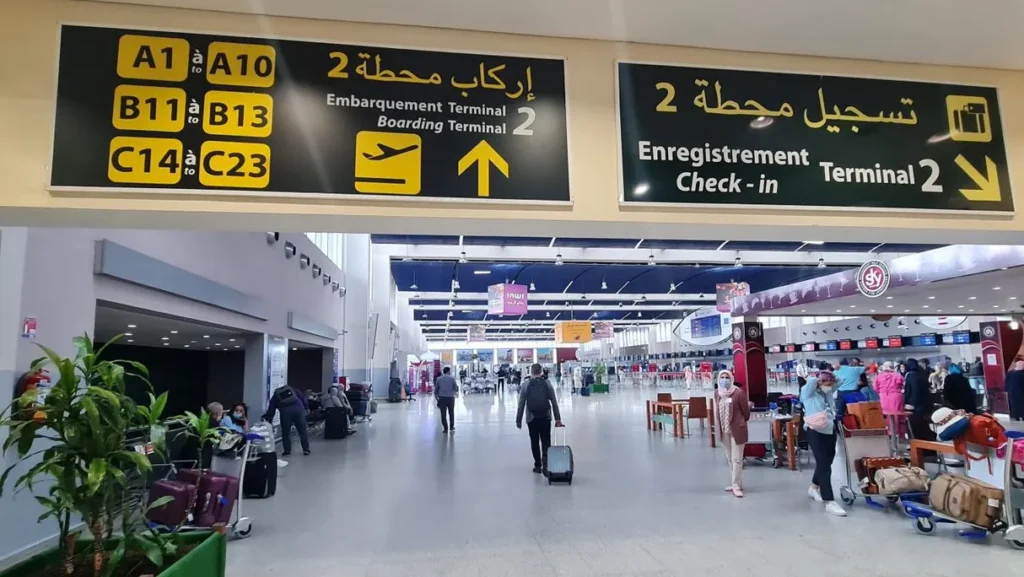
9. Casablanca Mohammed V Airport
Casablanca Mohammed V Airport ranks ninth among the best Megahubs in the Middle East and Africa in 2026.
As Morocco’s principal international airport, Casablanca provides an important link between North Africa and Europe while also supporting connections to destinations across Africa and other international markets. Its position makes it particularly relevant for passengers travelling between Morocco, Europe and sub-Saharan Africa.
Royal Air Maroc is the dominant carrier at Casablanca, operating 73% of flights. That gives the airline a substantial presence at the airport and makes Casablanca one of the more concentrated hubs in the regional Top 10.
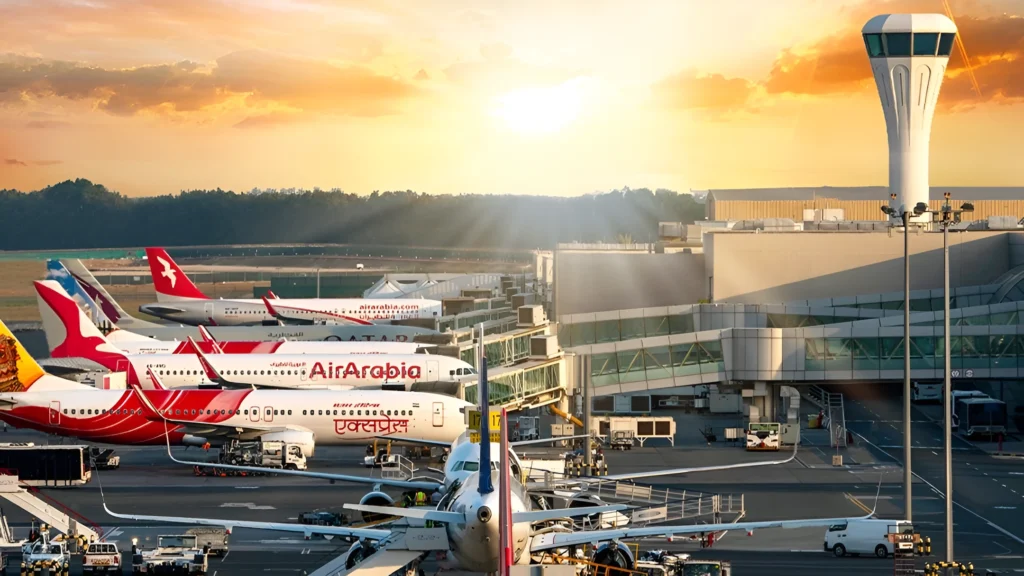
10. Sharjah International Airport
Sharjah International Airport completes the Middle East and Africa Top 10 in OAG’s 2026 ranking.
Sharjah is the third airport from the United Arab Emirates to feature in the regional list, alongside Dubai and Abu Dhabi. Its presence demonstrates the UAE’s unusually strong concentration of major international aviation gateways within a relatively small geographic area.
Air Arabia is the dominant carrier at Sharjah, accounting for 74% of flights. The airport also has an important role in the low-cost aviation market, with Air Arabia’s strong presence supporting a broad network of regional and international services.
A Strong Mix Of Middle Eastern And African Hubs
The regional Top 10 shows a clear division between major Middle Eastern connecting centres and important African gateways. Dubai, Riyadh, Doha, Abu Dhabi, Jeddah and Sharjah represent the Middle Eastern side of the ranking, while Johannesburg, Addis Ababa, Cairo and Casablanca provide major African links.
The United Arab Emirates has three airports in the Top 10, more than any other country in the regional ranking. Saudi Arabia follows with two, while South Africa, Qatar, Ethiopia, Egypt and Morocco each have one.
There is also a noticeable difference in airline concentration. Ethiopian Airlines operates 94% of flights at Addis Ababa, while Qatar Airways operates 78% at Doha, Air Arabia has 74% at Sharjah and Royal Air Maroc has 73% at Casablanca. By comparison, Johannesburg has a much more distributed airline mix, with Airlink accounting for 35% of flights.

The Middle East’s Changing Connectivity
The 2026 results should also be viewed against the backdrop of disruption affecting Middle Eastern aviation. OAG specifically notes that scheduled capacity in the region was 5.7% lower in August 2026 than in August 2025, which affected the connectivity positions of several Middle Eastern airports.
Even with those changes, the region continues to contain several globally significant hubs. Dubai ranks 31st worldwide, Johannesburg 40th, Riyadh 43rd, Doha 46th and Addis Ababa 50th. Together, these five airports make up the Middle East and Africa’s representation in the global Top 50.
Bottom Line
Dubai International remains the leading Megahub in the Middle East and Africa in 2026, while Johannesburg is the region’s highest-ranked African airport. Riyadh, Doha and Addis Ababa complete the five regional airports that make the global top 50.
The wider ranking also shows how important airline concentration remains to many of the region’s hubs. From Ethiopian Airlines’ 94% share at Addis Ababa to Emirates’ 41% at Dubai, the leading airports have very different operating structures. Meanwhile, the presence of three UAE airports and two Saudi airports in the regional top 10 underlines the importance of these aviation markets to international connectivity.
FAQs
Dubai International Airport is the highest-ranked Megahub in the Middle East and Africa in OAG’s 2026 ranking. It is ranked 31st globally, with Emirates operating 41% of flights.
Johannesburg O.R. Tambo International Airport is the highest-ranked African airport in the regional list. It ranks second in Middle East and Africa and 40th globally.
Ethiopian Airlines has the highest dominant-carrier share among the regional Top 10, operating 94% of flights at Addis Ababa Bole International Airport.
Stay tuned with us. Further, follow us on social media for the latest updates.
Join us on Telegram Group for the Latest Aviation Updates. Subsequently, follow us on Google News