TOULOUSE— Airbus has flown its A350F freighter for the first time, marking a major milestone for the company’s effort to enter the modern large-freighter market.
The aircraft, MSN700 with registration F-WXLD, departed Toulouse-Blagnac Airport (TLS) at around 10:30 a.m. CET on September 29 and began a flight-test campaign expected to support certification in 2027.
The maiden flight moves the A350F from extensive ground testing into an approximately 400-hour flight-test programme.
Airbus plans to use two test aircraft before targeting the first customer deliveries in the second half of 2027, giving the manufacturer several months to validate the freighter’s unique aerodynamic and cargo-related systems.
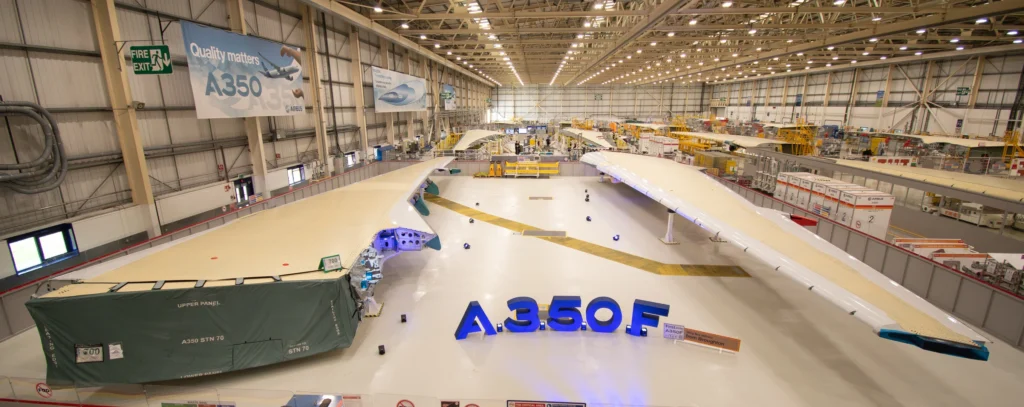
Airbus Starts Flight Testing of A350F
The first aircraft will concentrate on aerodynamic performance, handling qualities and autopilot functions as Airbus progressively expands its flight envelope.
A second aircraft, MSN701, will focus on systems testing, including air conditioning, fire and smoke systems and operations in hot and cold conditions.
Airbus has already completed extensive ground work, including ground vibration testing, cargo-door trials and high-speed rejected-takeoff tests.
The manufacturer also used simulator sessions to prepare crews for the first flight and validate the freighter’s flight-control systems before MSN700 took off.
Although the A350F shares its foundation with the passenger A350 family, Airbus must verify a separate aerodynamic model because of the freighter’s different configuration.
The aircraft combines the forward fuselage length of the A350-900 with the rear fuselage and wings of the A350-1000, while its cargo configuration changes its operating characteristics.
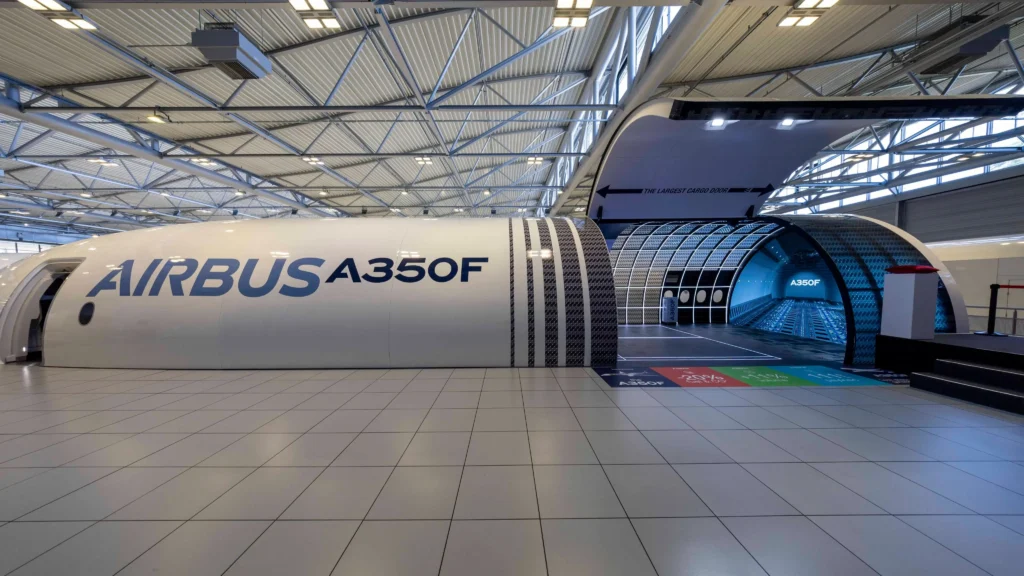
111-Tonne Cargo Capacity
The A350F is designed to carry up to 111 tonnes of cargo over distances of as much as 8,700 kilometres.
Its Rolls-Royce Trent XWB-97 engines and extensive use of advanced materials are intended to reduce fuel consumption and carbon emissions compared with previous-generation freighters.
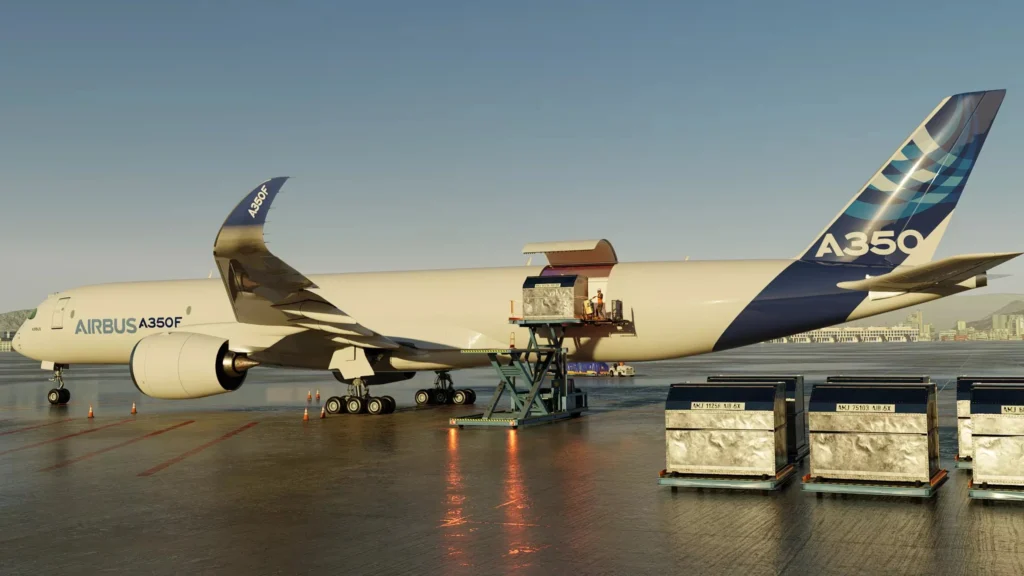
One of the aircraft’s defining features is its 4.3-metre-wide main-deck cargo door, which Airbus describes as the largest on a commercial freighter.
The electrically operated door allows the aircraft to handle standard pallets and containers as well as large loads such as aircraft engines.
Airbus says more than 70% of the A350F uses advanced materials, supporting the aircraft’s weight and efficiency targets.
The freighter is also designed to meet the ICAO 2027 CO₂ emissions standard and operate with up to 50% Sustainable Aviation Fuel at entry into service.
Airbus Targets Freighter Market
The A350F gives Airbus a purpose-built large freighter after the manufacturer previously relied heavily on passenger-to-freighter conversions and had limited commercial success with the A330-200F.
Boeing has traditionally held a strong position in the segment with aircraft such as the 777F and 747 freighter.
Airbus has built a substantial order book before the aircraft entered flight testing. The manufacturer had 101 orders from 14 customers at the end of March, while Air China Cargo later increased its commitment to 10 aircraft; Reuters reported 115 firm orders by September 29.
The maiden flight therefore begins more than a demonstration of the A350F’s capabilities.
Airbus must now complete its certification campaign, validate the aircraft’s performance and cargo systems, and prepare the freighter for commercial service targeted for the second half of 2027.
Stay tuned with us. Further, follow us on social media for the latest updates.
Join us on Telegram Group for the Latest Aviation Updates. Subsequently, follow us on Google News