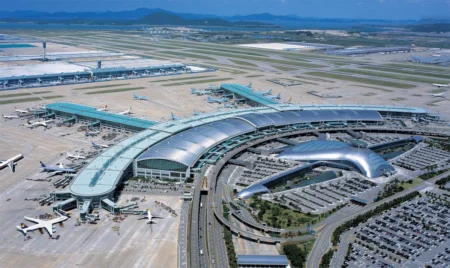
Accessibility has become one of the most important aspects of modern airport design. Today’s leading airports are expected to provide seamless travel experiences for passengers with reduced mobility (PRM), hidden disabilities, visual or hearing impairments, elderly travellers, and families requiring additional assistance.
10 Airports with the Best Accessible Facilities in the World
The Skytrax World Airport Awards 2026 recognise airports that deliver exceptional accessibility services through accessible terminal design, wheelchair assistance, dedicated parking, priority immigration facilities, assistance points, accessible washrooms, sensory support programmes, hidden disability initiatives, and efficient mobility services.
According to Skytrax, the award evaluates the entire journey from airport arrival to boarding and arrival processing.
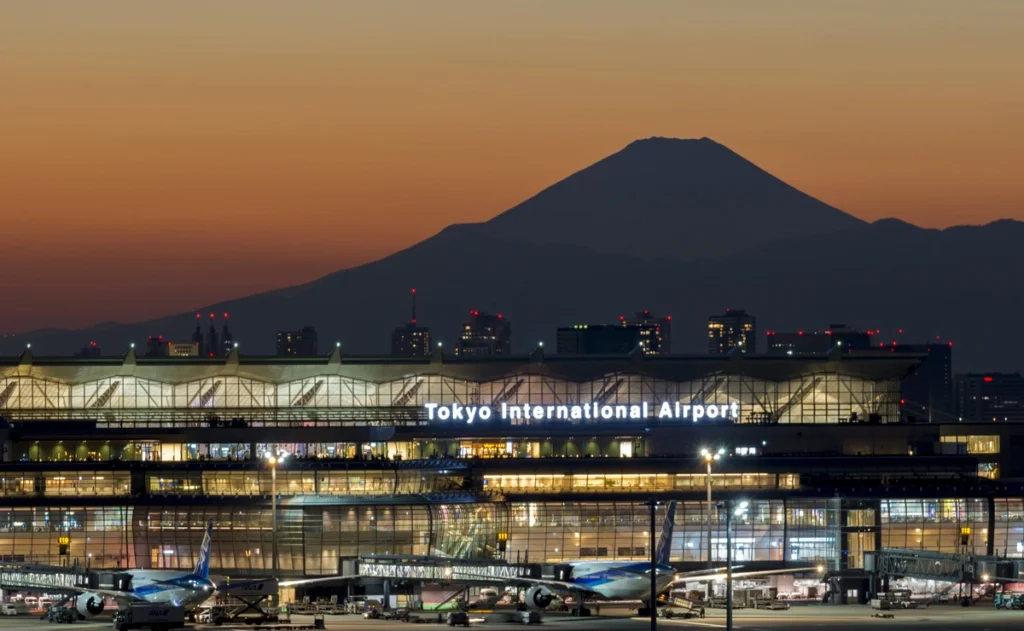
1. Tokyo Haneda Airport (Japan)
Tokyo Haneda Airport retains its position as the world’s best airport for PRM and accessible facilities in 2026. The airport’s accessibility programme is widely regarded as the global benchmark for inclusive air travel.
Passengers benefit from extensive wheelchair services, accessible washrooms, priority seating, tactile guidance systems, barrier-free terminal design, and dedicated assistance staff throughout the airport. Haneda’s layouts are designed to minimise travel distances while ensuring clear navigation for all passengers.
The airport also provides excellent support for travellers with hidden disabilities, ensuring that assistance is available without creating unnecessary stress or confusion.
Its combination of advanced infrastructure and Japanese hospitality makes Haneda the global leader in airport accessibility.
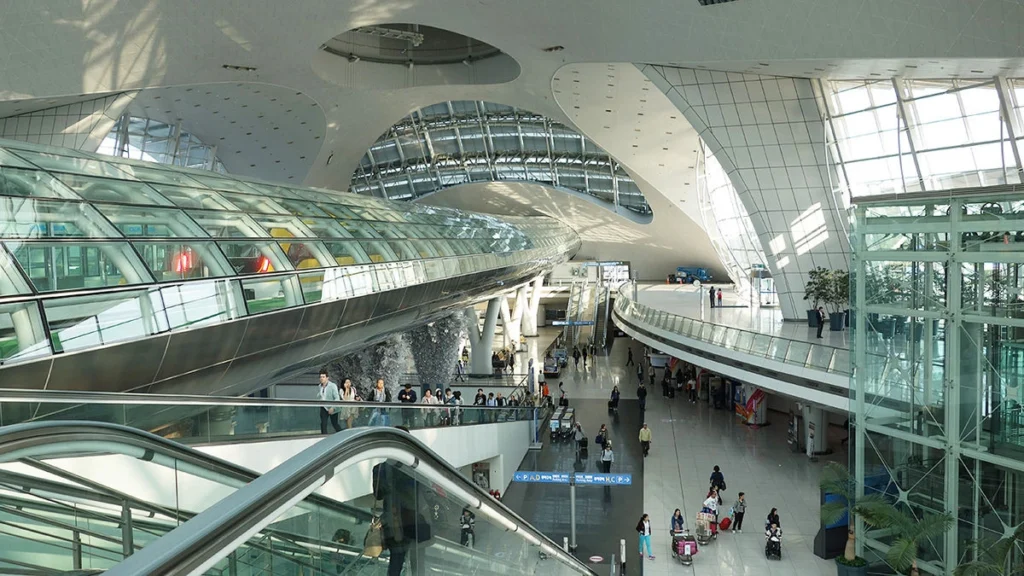
2. Seoul Incheon International Airport (South Korea)
Seoul Incheon ranks second worldwide and continues to set exceptionally high standards for accessible travel.
The airport offers comprehensive mobility assistance, accessible transportation links, priority processing areas, and modern facilities designed to accommodate passengers with varying needs. Staff receive extensive training in assisting passengers with disabilities and special requirements.
Incheon’s spacious terminals, excellent signage, and efficient passenger flow further enhance accessibility, allowing travellers to move comfortably through the airport.
As one of the world’s most passenger-friendly airports, Incheon continues to demonstrate how accessibility can be fully integrated into the airport experience.
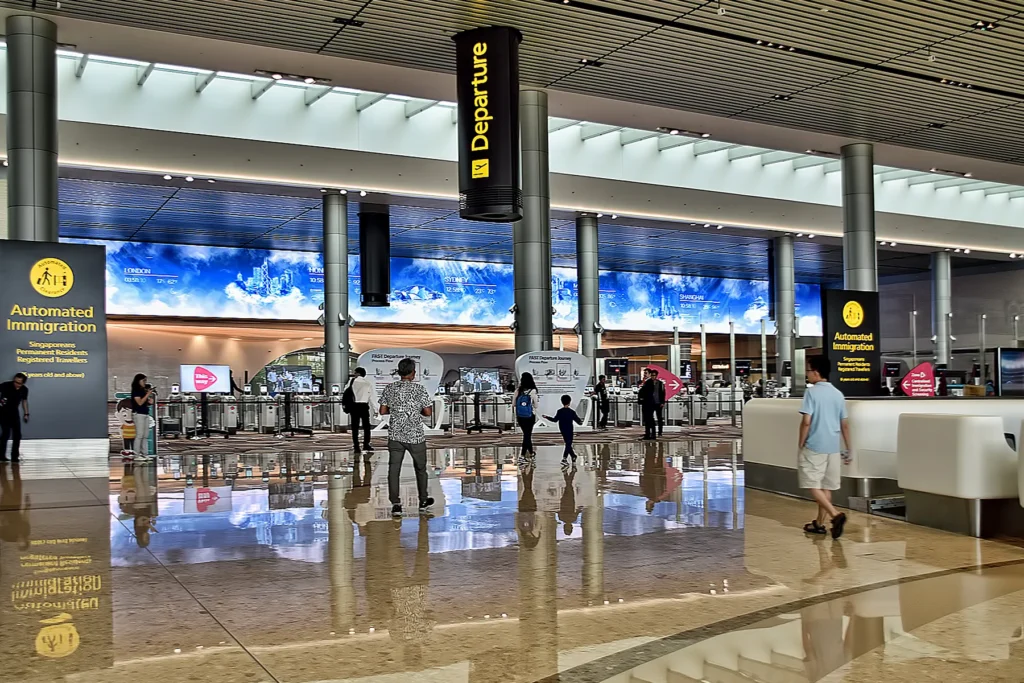
3. Singapore Changi Airport (Singapore)
Singapore Changi Airport secures third place thanks to its outstanding commitment to inclusive travel.
Accessibility features include step-free access throughout terminals, dedicated assistance counters, accessible transport connections, priority immigration facilities, wheelchair services, and well-designed washroom facilities. The airport’s intuitive layout also makes navigation easier for passengers with mobility or sensory challenges.
Changi’s focus on customer service ensures that passengers requiring additional support receive prompt and professional assistance.
The airport’s continued investment in accessibility has helped reinforce its reputation as one of the world’s most welcoming aviation hubs.
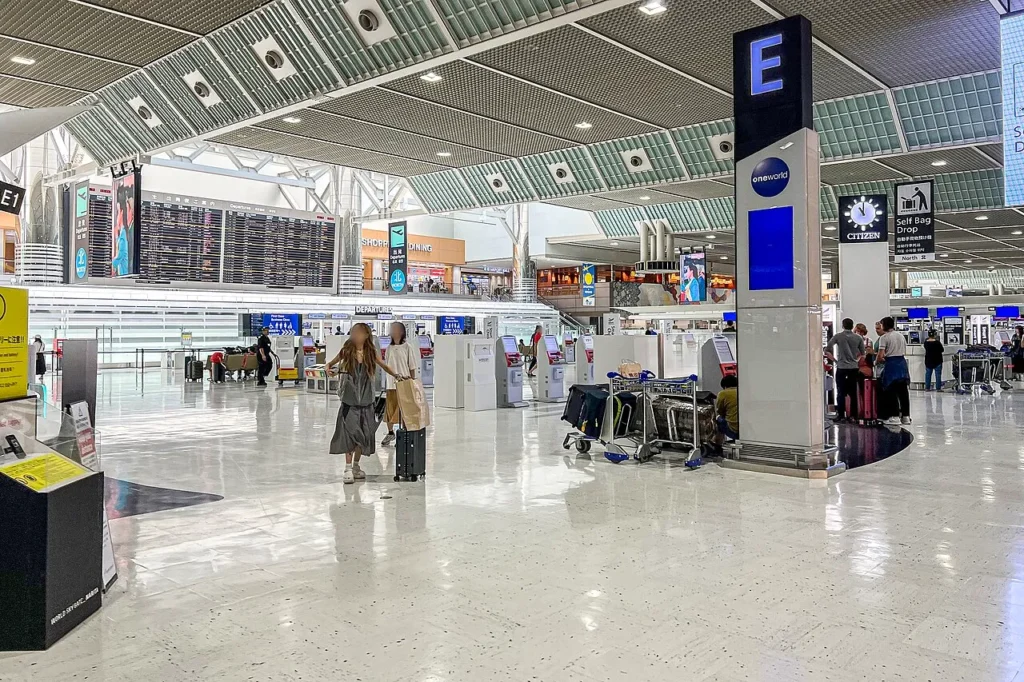
4. Tokyo Narita Airport (Japan)
Tokyo Narita Airport ranks fourth globally and continues Japan’s strong performance in accessibility.
The airport offers extensive mobility support services, accessible pathways, tactile guidance systems, priority seating areas, and well-equipped washroom facilities. Dedicated staff are available throughout the terminals to assist passengers with special requirements.
Narita’s accessibility strategy focuses on providing independence wherever possible while ensuring assistance is readily available when needed.
Passengers consistently praise the airport’s organisation, professionalism, and attention to detail.
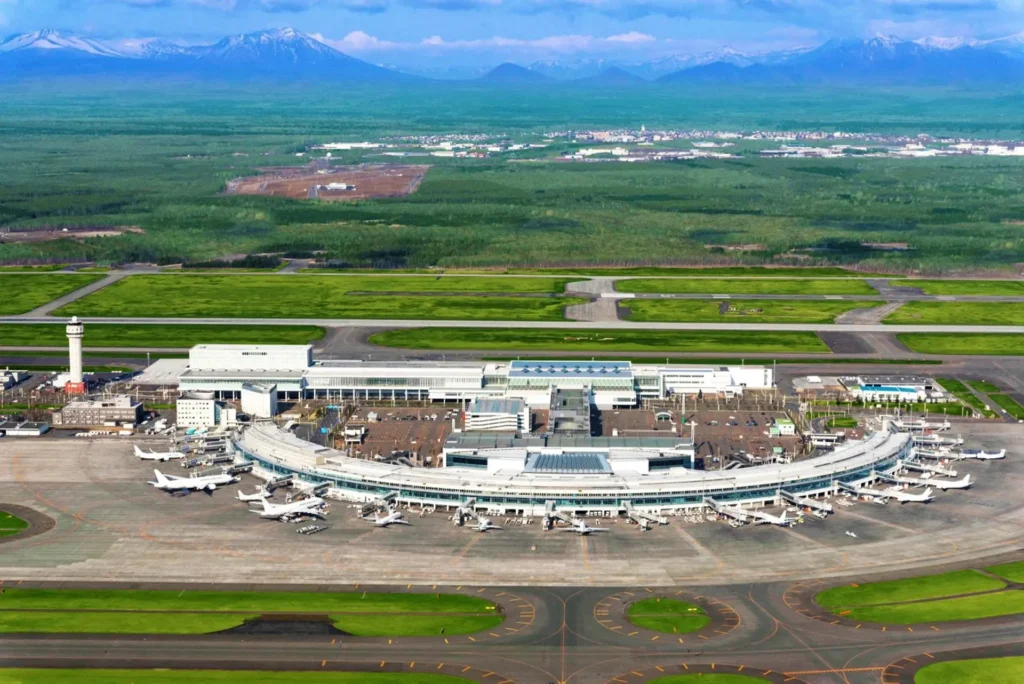
5. New Chitose Airport (Japan)
New Chitose Airport in Hokkaido secures fifth place thanks to its highly inclusive facilities and passenger-friendly design.
The airport provides accessible transportation links, wheelchair services, dedicated assistance points, accessible lifts, and spacious public areas that accommodate passengers with mobility challenges.
Clear signage, well-maintained facilities, and attentive staff further contribute to a comfortable travel experience.
New Chitose demonstrates that regional airports can deliver accessibility standards comparable to the world’s largest international hubs.
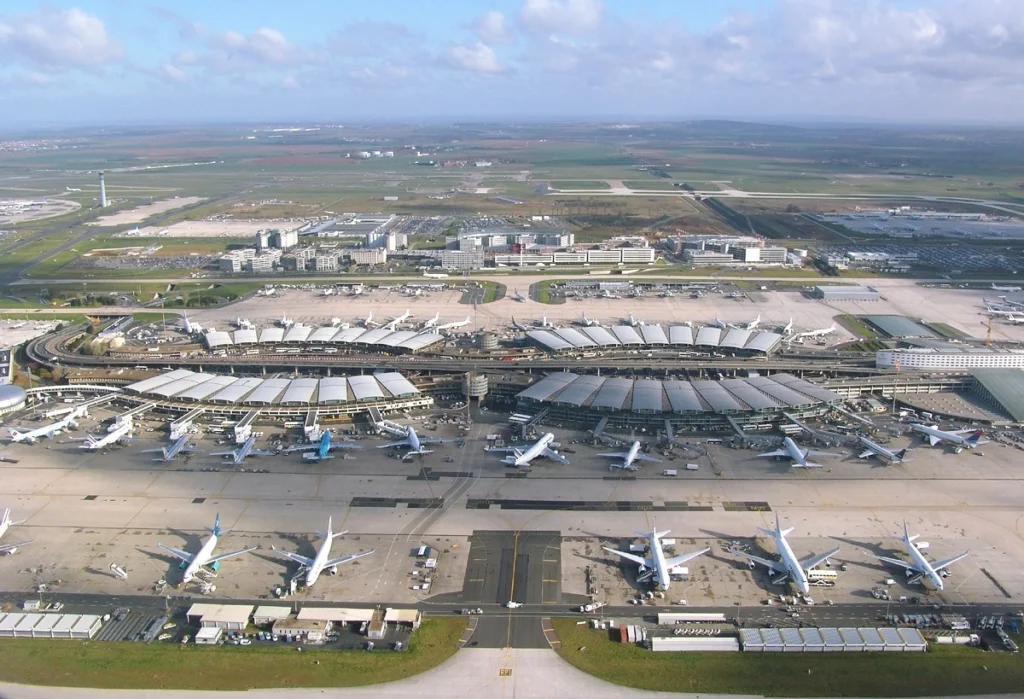
6. Paris Charles de Gaulle Airport (France)
Paris Charles de Gaulle Airport ranks sixth and is Europe’s highest-ranked airport in this category.
The airport has invested heavily in accessibility improvements, including dedicated assistance services, accessible check-in areas, priority immigration facilities, and extensive mobility support programmes.
Passengers benefit from modern terminal infrastructure designed to accommodate a wide range of accessibility requirements. Special assistance teams are available throughout the airport to provide personalised support.
As one of Europe’s busiest airports, maintaining such high accessibility standards is a significant achievement.
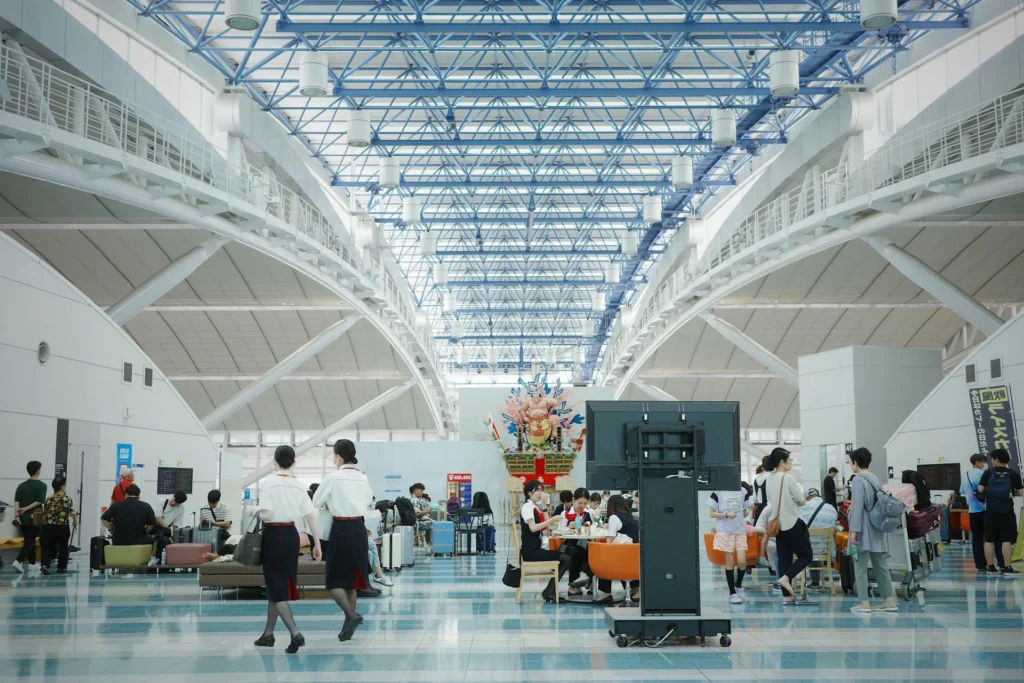
7. Fukuoka Airport (Japan)
Fukuoka Airport earns seventh place thanks to its efficient and passenger-focused approach to accessibility.
The airport combines modern facilities with excellent customer service, offering wheelchair assistance, accessible transport options, priority services, and well-designed passenger facilities.
Its compact layout also helps reduce walking distances, making the airport particularly convenient for passengers with reduced mobility.
Fukuoka’s strong performance highlights Japan’s broader commitment to accessible public infrastructure.
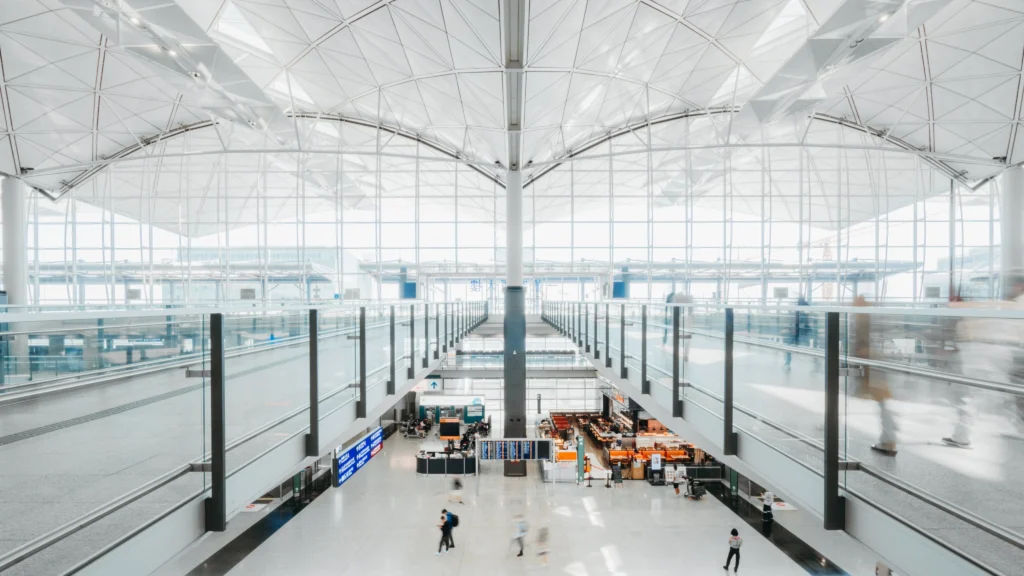
8. Hong Kong International Airport (Hong Kong)
Hong Kong International Airport ranks eighth globally and remains one of Asia’s most accessible airports.
Passengers have access to comprehensive assistance services, accessible transport systems, mobility equipment, and priority processing facilities. The airport’s modern design ensures smooth navigation while reducing barriers for travellers with disabilities.
Hong Kong’s extensive use of technology also helps improve accessibility by simplifying passenger journeys and reducing potential obstacles.
The airport’s combination of infrastructure and customer service continues to earn strong passenger feedback.
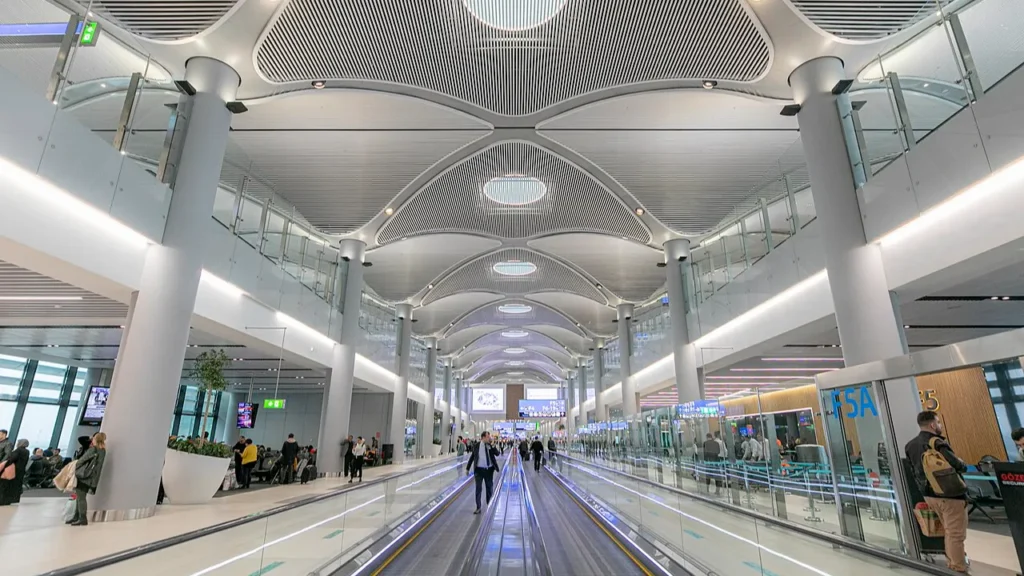
9. Istanbul Airport (Turkey)
Istanbul Airport secures ninth position and has rapidly established itself as one of the world’s leading airports for accessible travel.
The airport features accessible parking facilities, mobility support services, dedicated assistance points, priority processing areas, and barrier-free terminal design. Despite its enormous scale, passengers with reduced mobility can navigate the airport efficiently thanks to extensive support systems.
The airport’s modern infrastructure was designed with accessibility in mind from the outset, helping create an inclusive environment for all travellers.
Its strong performance reflects Turkey’s growing investment in world-class aviation infrastructure.
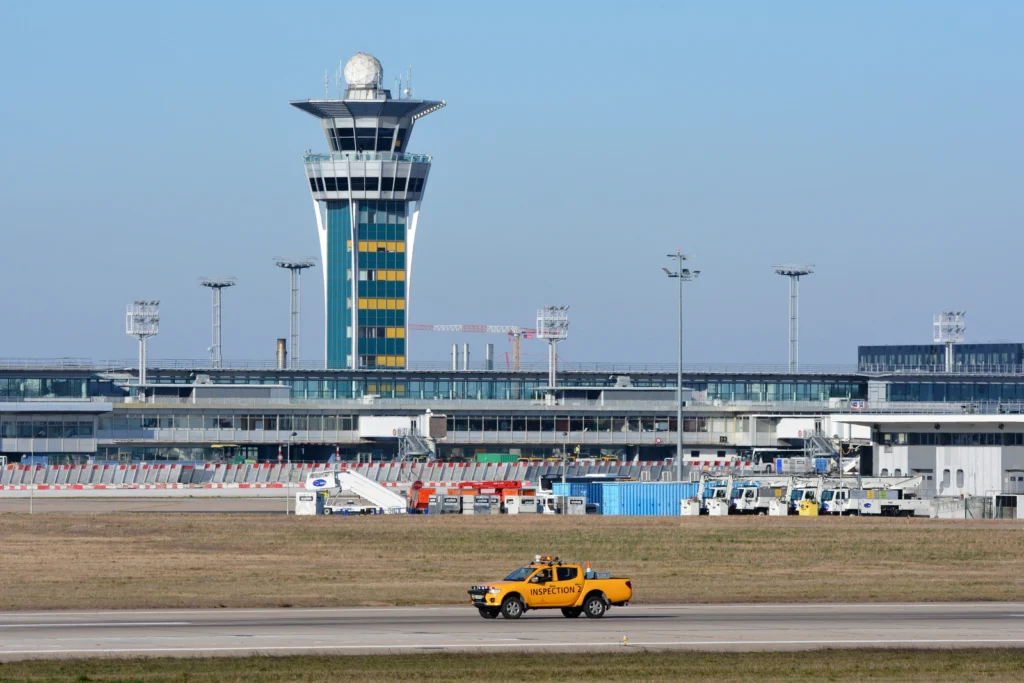
10. Paris Orly Airport (France)
Completing the top ten is Paris Orly Airport, which continues to improve its accessibility offerings year after year.
The airport provides comprehensive assistance services, accessible public transport links, priority passenger facilities, and modern infrastructure designed to accommodate travellers with varying needs.
Passengers benefit from dedicated support teams, accessible washrooms, and improved terminal layouts that make navigation easier and more comfortable.
Orly’s inclusion demonstrates France’s commitment to improving accessibility across its major airports.
What Makes an Airport Truly Accessible?
Skytrax evaluates a wide range of factors when assessing airport accessibility, including:
- Accessible drop-off and pick-up areas.
- Dedicated PRM parking facilities.
- Assistance points throughout terminals.
- Priority immigration and processing desks.
- Accessible washrooms and changing facilities.
- Wheelchair services.
- Tactile guidance systems.
- Priority seating areas.
- Hidden disability support programmes.
- Overall ease of movement throughout the airport.
These features help ensure that all passengers can travel safely, comfortably, and independently whenever possible.
Why Accessibility Matters
As global populations age and air travel becomes increasingly inclusive, accessibility has evolved from a specialist service into a core component of airport quality.
Modern travellers expect airports to provide equal access regardless of physical ability or support requirements. Airports that invest in accessibility not only improve passenger satisfaction but also enhance operational efficiency and strengthen their international reputation.
Many of the world’s leading airports now incorporate accessibility into every stage of terminal design, customer service training, and technology deployment.
The result is a more welcoming and inclusive travel experience for millions of passengers worldwide.
Bottom Line
These airports have demonstrated exceptional commitment to inclusive travel through accessible infrastructure, dedicated assistance services, innovative design, and customer-focused support systems. Together, they represent the global benchmark for airport accessibility in 2026.
FAQs
PRM stands for Passengers with Reduced Mobility and includes travellers who may require additional assistance due to physical, sensory, cognitive, or age-related needs.
Four Japanese airports feature in the top ten: Tokyo Haneda, Tokyo Narita, New Chitose, and Fukuoka.
Skytrax assesses assistance services, accessible facilities, priority processing, mobility support, washrooms, parking, hidden disability programmes, and overall ease of access throughout the airport journey.
Stay tuned with us. Further, follow us on social media for the latest updates.
Join us on Telegram Group for the Latest Aviation Updates. Subsequently, follow us on Google News