Few professions have changed the world quite like flying. From the fragile aircraft of the early 20th century to supersonic test planes and modern commercial jets, aviation has always depended on pilots willing to push the limits of what was considered possible.
Some became famous for extraordinary military records, others for breaking speed and altitude barriers, while several changed aviation simply by proving that a particular flight could be achieved. There are also pilots remembered not for setting records, but for the skill and judgement they showed when everything went wrong.
10 Greatest Pilots of All-Time
Choosing the greatest pilots in history is never going to be entirely objective. Different eras demanded very different skills, and comparing a First World War fighter pilot with a modern airline captain is hardly straightforward. Still, the following ten aviators stand out for the influence, courage, technical ability, and achievements they brought to aviation.
1. Charles Lindbergh
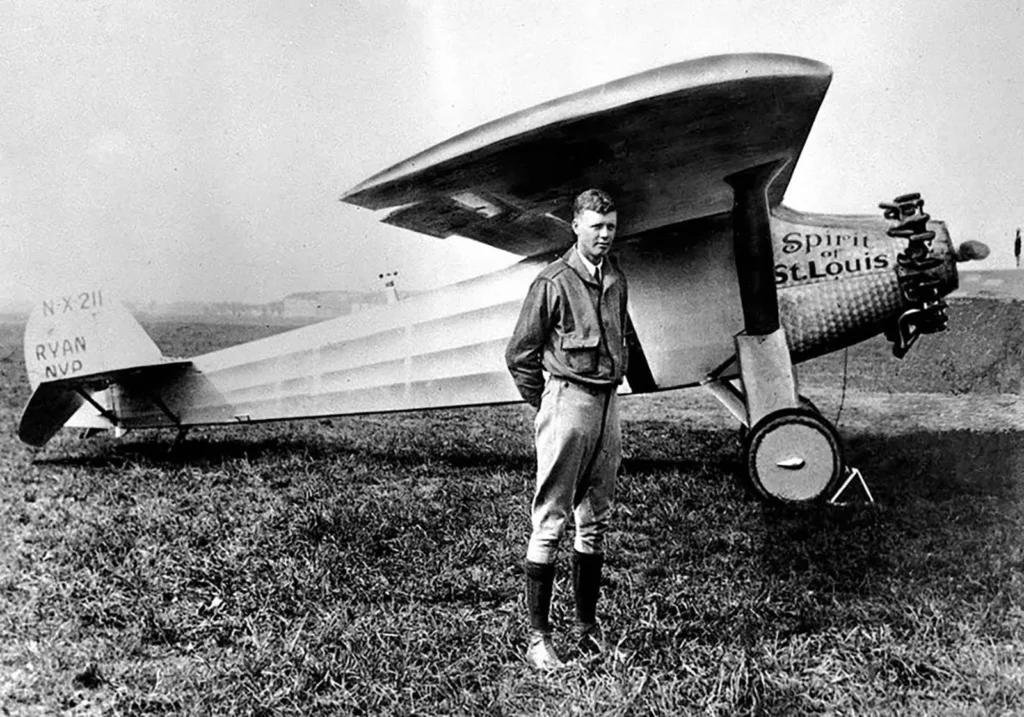
Charles Lindbergh occupies the top position for one extraordinary achievement that captured the world’s imagination: becoming the first person to complete a solo, non-stop flight across the Atlantic.
On 20 May 1927, Lindbergh departed from Long Island in his specially built Ryan NYP aircraft, the Spirit of St. Louis. His destination was Paris, and the flight covered roughly 3,600 miles across the Atlantic. He eventually landed at Le Bourget Field after approximately 33 and a half hours in the air.
The flight was not simply a personal accomplishment. At a time when aviation was still in its infancy, crossing the Atlantic alone demonstrated just how far aircraft technology and pilot skill had progressed.
Lindbergh had entered the challenge partly because of the Orteig Prize, a $25,000 reward offered for the first successful non-stop flight between New York and Paris. What followed was much bigger than winning a competition.
His arrival in France turned him into an international celebrity almost overnight and made him one of the defining figures of aviation’s early years.
2. Amelia Earhart
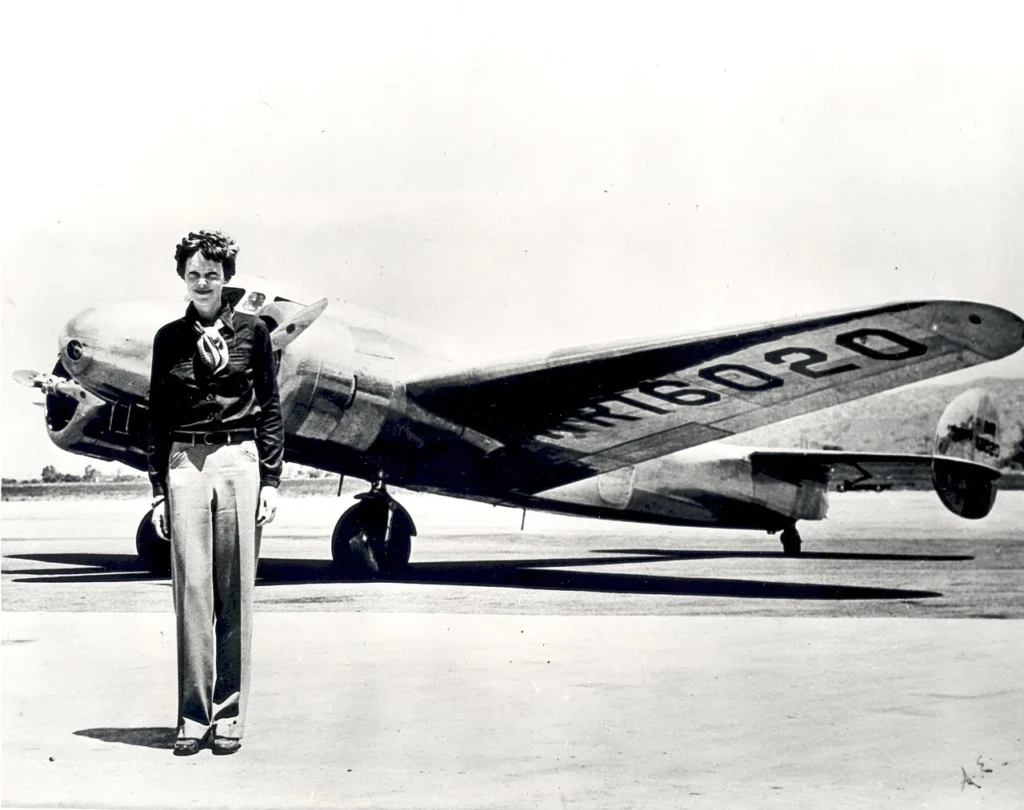
Amelia Earhart became one of the most recognisable names in aviation and remains an enduring symbol of female achievement in a male-dominated era.
Her place in aviation history was secured in 1928 when she became the first woman to fly across the Atlantic, travelling aboard the Fokker F.VIIb/3m Friendship with pilot Wilmer Stultz and co-pilot and mechanic Louis E. Gordon.
The flight from Newfoundland to Wales took just under 21 hours. Although Stultz handled the actual flying because of difficult weather conditions, the achievement propelled Earhart into the international spotlight.
She later became a highly accomplished pilot in her own right and continued pursuing aviation records and long-distance flights.
Her most famous and ultimately tragic adventure came in 1937, when she attempted to fly around the world in a Lockheed Electra. Earhart disappeared near Howland Island in the Pacific and was never found.
The mystery surrounding her disappearance has only strengthened her legendary status. More importantly, her career helped challenge the idea that aviation was an exclusively male pursuit.
3. The Wright Brothers — Wilbur and Orville
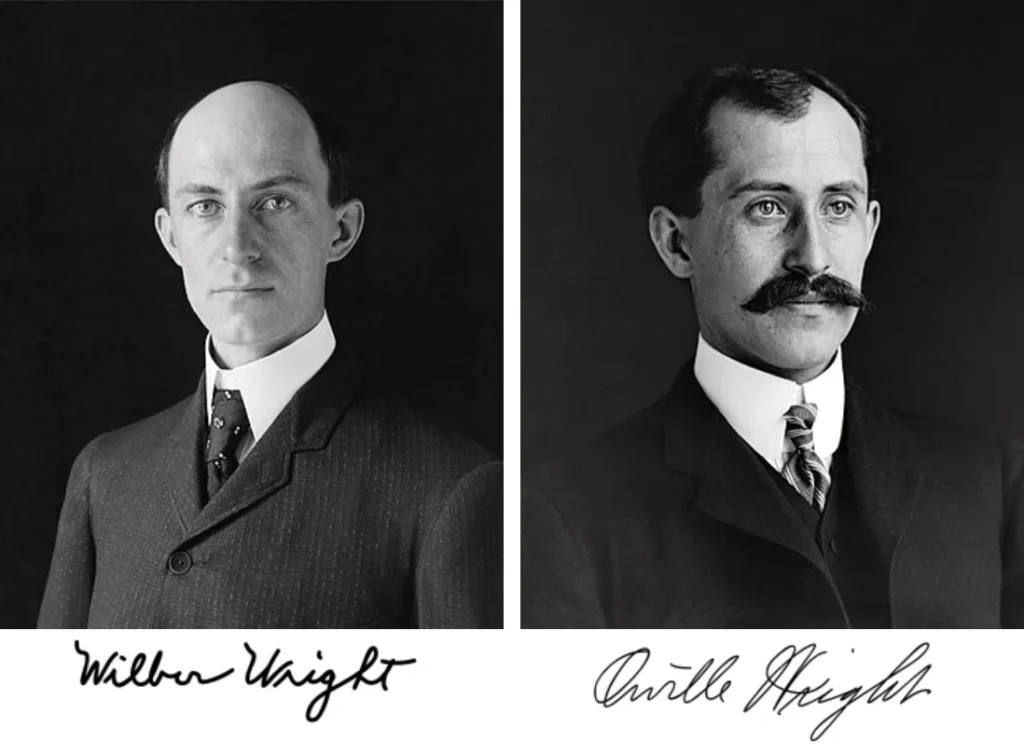
It is almost impossible to discuss the history of aviation without mentioning Wilbur and Orville Wright.
The brothers were not simply pilots. They were inventors, engineers, experimenters and bicycle manufacturers who devoted years to solving the problems that had prevented sustained powered flight.
On 17 December 1903, at Kitty Hawk, North Carolina, they successfully flew the Wright Flyer, a powered, heavier-than-air aircraft controlled by a pilot.
The flight itself lasted only a short time by today’s standards. Yet its significance was enormous.
The Wright brothers had demonstrated that controlled, powered flight was possible. Their experiments also showed the importance of aircraft control, which became one of the foundations of practical aviation.
Their work effectively opened the modern aviation era.
While countless engineers and pilots would improve aircraft over the decades that followed, Wilbur and Orville Wright deserve their place among the greatest aviators because they helped make the entire profession possible.
4. James “Jimmy” Doolittle
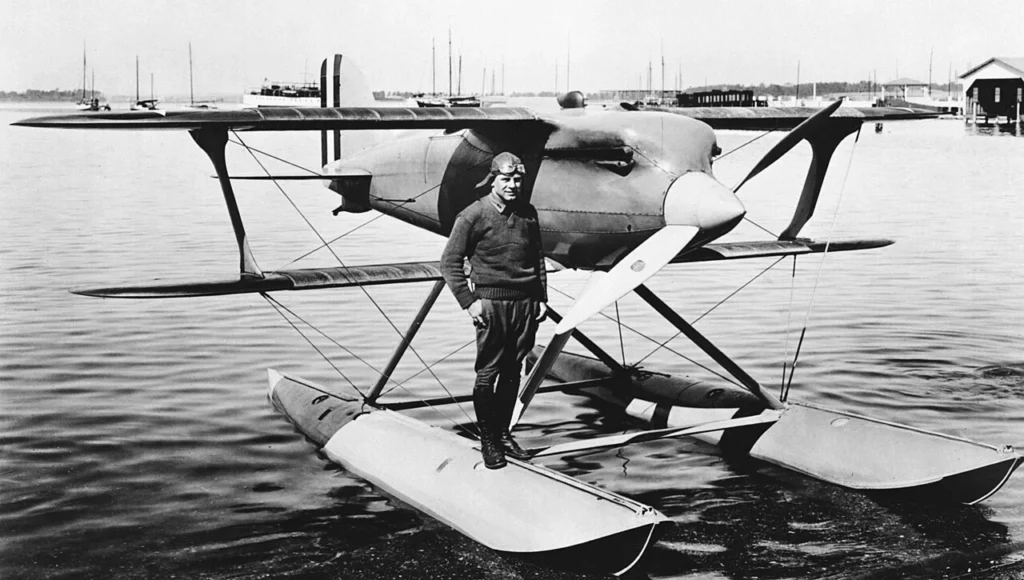
James “Jimmy” Doolittle combined exceptional flying ability with engineering knowledge and military leadership.
His aviation career began during the First World War era, and he became known for his technical understanding as well as his abilities in the cockpit. One of his notable achievements came in 1929, when he demonstrated the practical potential of instrument flying, completing a flight relying on instruments rather than visual references.
His reputation became even greater during the Second World War.
Doolittle is most closely associated with the famous 1942 raid on Japan following the attack on Pearl Harbor. He led a group of 16 American B-25 bombers launched from the aircraft carrier USS Hornet in an extremely ambitious mission against targets in Japan.
The mission presented enormous risks. The aircraft had to travel a long distance and many of the crews were eventually forced to abandon their aircraft after reaching China because of fuel limitations.
The raid had a major psychological impact and made Doolittle an American wartime hero.
His career demonstrates that great pilots are not necessarily defined solely by the number of flights or victories they achieve. Sometimes leadership, innovation and the ability to accomplish the seemingly impossible matter just as much.
5. Manfred von Richthofen — The Red Baron
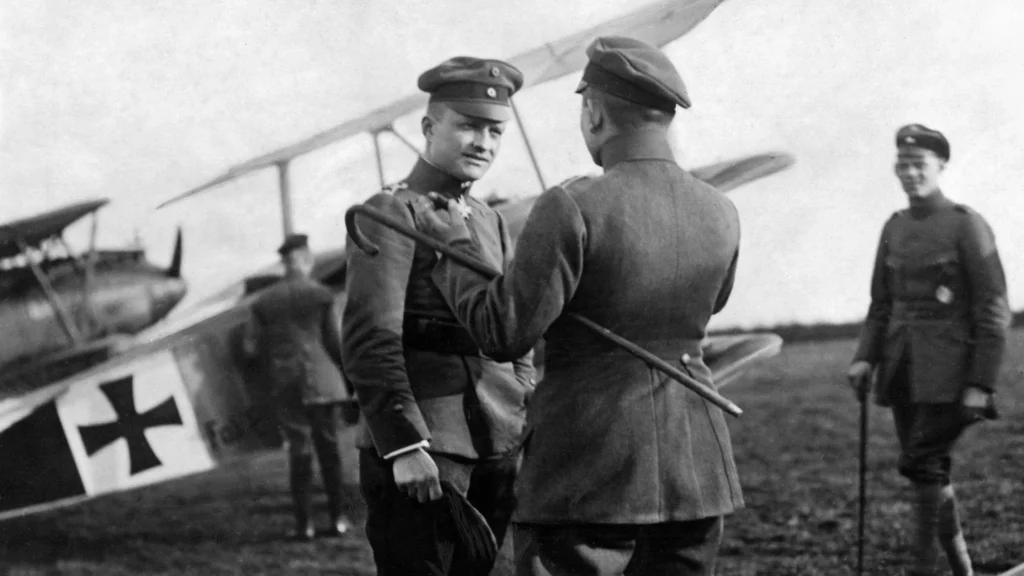
Few military pilots have become as famous as Manfred von Richthofen.
Better known as the Red Baron, the German fighter pilot became the most celebrated flying ace of the First World War. He was credited with 80 aerial victories, a record that made him a legendary figure in military aviation.
Richthofen developed a reputation for tactical skill and effectiveness in aerial combat. His distinctive red aircraft further contributed to his fearsome public image.
The environment in which he flew was radically different from modern aviation. Fighter aircraft were relatively primitive, pilots had limited protection and aerial combat required exceptional judgement and nerve.
Richthofen was eventually killed in combat in 1918. Even after his death, his name remained deeply embedded in aviation history.
His career represents the earliest period of fighter aviation, when pilots were effectively writing the rules of aerial warfare while flying aircraft that were still developing rapidly.
6. Chuck Yeager
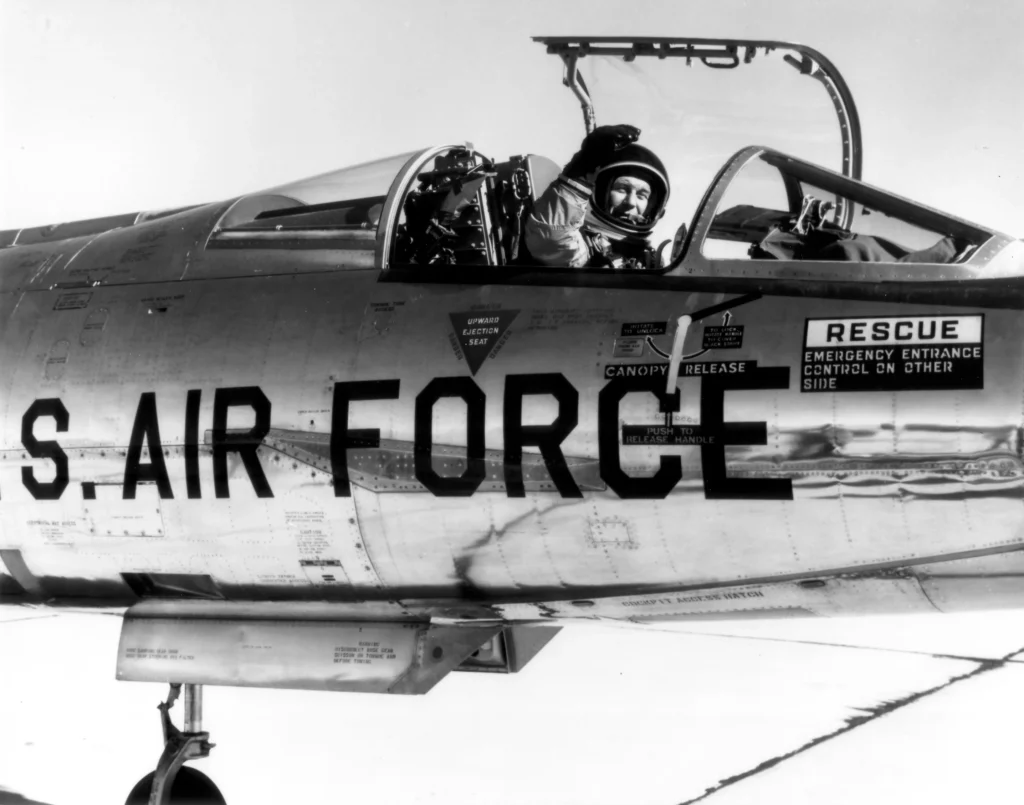
Chuck Yeager belongs among the greatest pilots ever because he accomplished something that had previously been considered one of aviation’s great barriers.
On 14 October 1947, Yeager became the first pilot to officially fly faster than the speed of sound in level flight.
He achieved the feat in the Bell X-1, a rocket-powered experimental aircraft. The aircraft reached approximately Mach 1.07, demonstrating that controlled supersonic flight was possible.
Yeager’s background made him particularly suited to the role. He had served as a fighter pilot during the Second World War and subsequently became a test pilot.
Test flying required an unusual combination of technical understanding, discipline and the ability to remain calm while operating experimental machines at the edge of their capabilities.
His career did not end with the sound barrier. He continued serving in the United States Air Force, eventually reaching the rank of brigadier general before retiring from military service in 1975.
Yeager became a symbol of the test-pilot profession and one of the most respected aviators of the 20th century.
7. Erich Hartmann
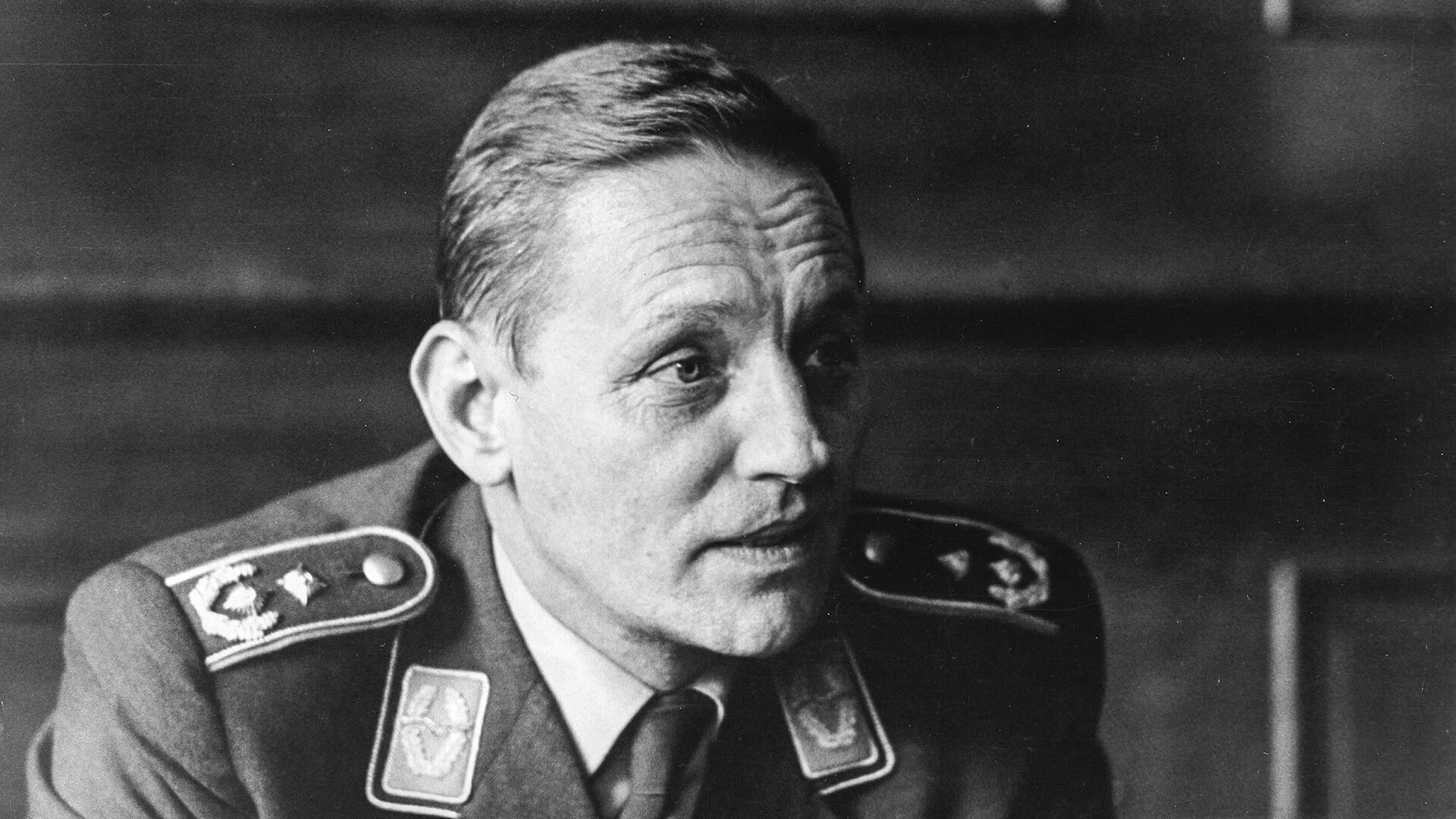
Erich Hartmann holds one of the most remarkable combat records in military aviation history.
The German fighter pilot flew approximately 1,400 combat missions during the Second World War and was officially credited with 352 aerial victories.
His record was extraordinary not simply because of the number of victories, but also because Hartmann was not shot down by enemy aircraft during his combat career.
His flying career took place under extremely dangerous conditions, when fighter pilots faced intense aerial combat and aircraft technology was advancing at extraordinary speed.
Hartmann’s wartime career ended with Germany’s defeat, after which he spent years as a prisoner of war in the Soviet Union.
Following his release, he returned to aviation and eventually commanded West Germany’s first jet fighter unit.
His career remains controversial because of the circumstances of the war in which he fought, but from a purely historical aviation perspective, his combat record remains one of the most remarkable ever achieved by a fighter pilot.
8. Louis Bleriot
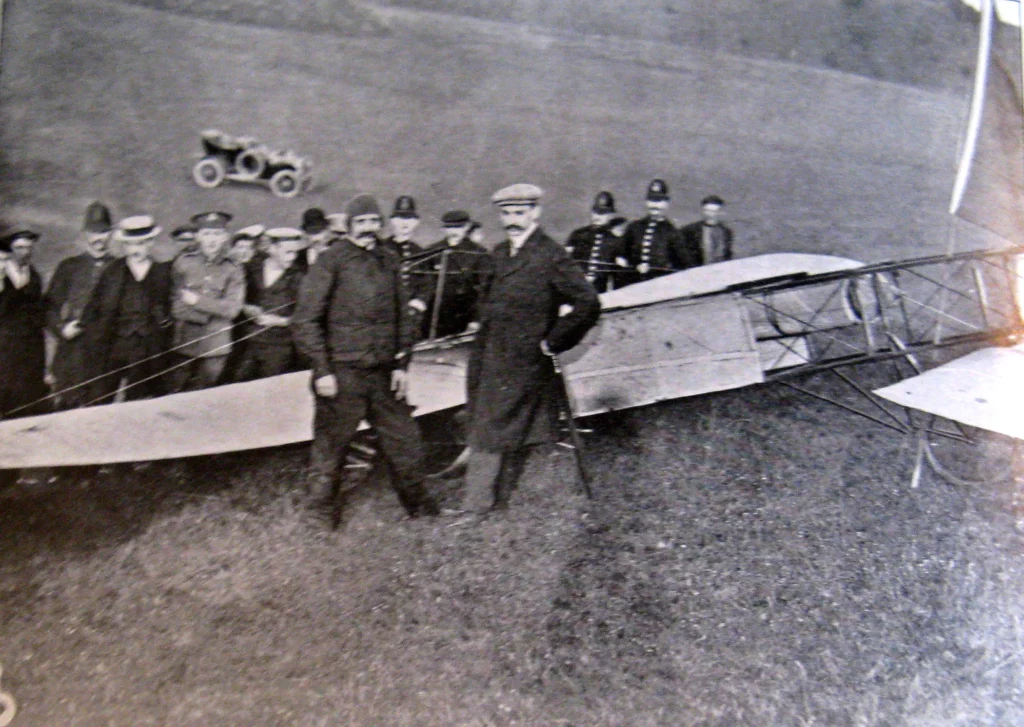
Louis Bleriot was one of the pioneers who helped demonstrate that early aircraft could be used for ambitious long-distance flights.
A French engineer and entrepreneur, Blériot used money from his business interests to finance experiments with aircraft design and aviation.
His most famous achievement came on 25 July 1909, when he became the first person to fly an aircraft across the English Channel.
He made the journey in a Bleriot XI, a small monoplane powered by a 25-horsepower engine.
By today’s standards, the aircraft was extremely basic. Yet crossing the Channel represented a major challenge at the time. The flight demonstrated that aircraft could travel beyond short demonstration flights and cross significant bodies of water.
Bleriot’s achievement also helped raise public confidence in aviation and showed the commercial potential of aircraft manufacturing.
His legacy therefore extends beyond his own flying. He was also an innovator who helped push the developing aviation industry forward.
9. Florence “Pancho” Barnes
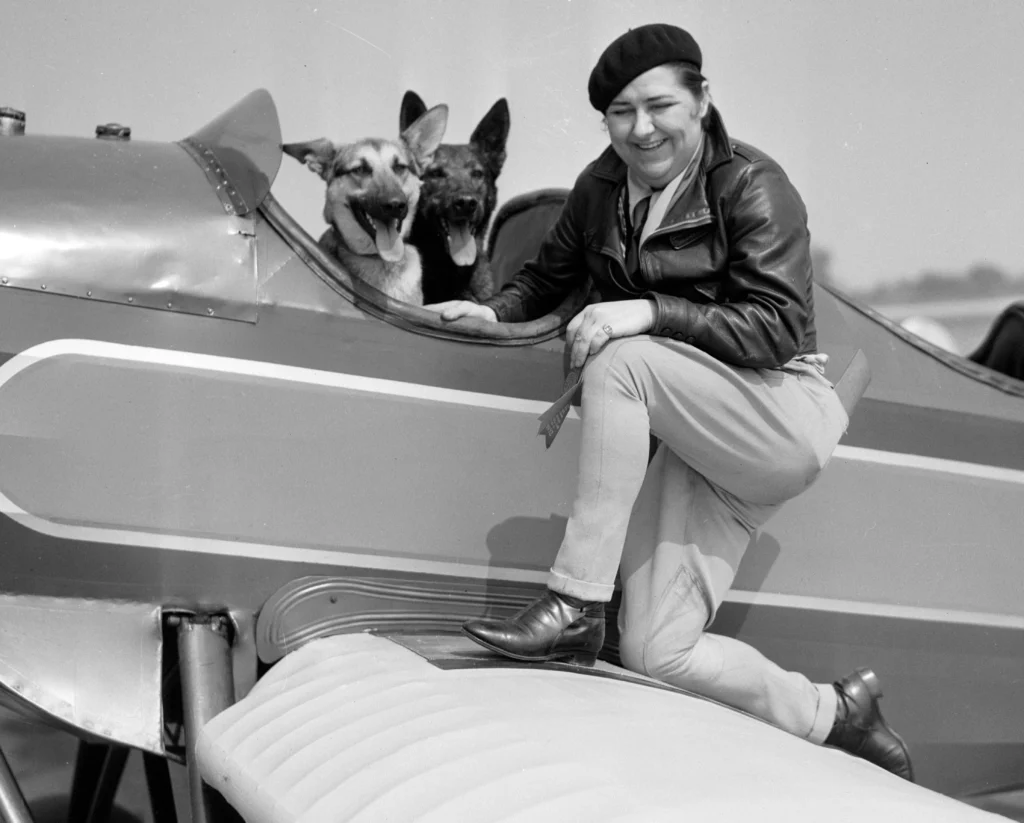
Florence “Pancho” Barnes brought a very different story to aviation history.
An adventurous aviator and pioneering stunt pilot, Barnes began flying during the 1920s after purchasing a Travel Air biplane. Remarkably, she reportedly received only a small amount of flight instruction before completing her first solo.
Barnes went on to compete in air races, including the Women’s Air Derby in 1929. The race stretched from Santa Monica to Cleveland and attracted several prominent female aviators of the era.
Although Barnes had to withdraw from that year’s event following a runway collision, she returned to competitive flying the following year.
In 1930, she established a women’s world speed record of approximately 196 mph, surpassing Amelia Earhart’s previous mark.
Barnes later moved into the film industry and became the first woman to work as a stunt pilot for motion pictures. Her flying was featured in the Howard Hughes film Hell’s Angels.
Her career makes her an important figure not only in aviation but also in the history of women breaking into professions that were overwhelmingly dominated by men.
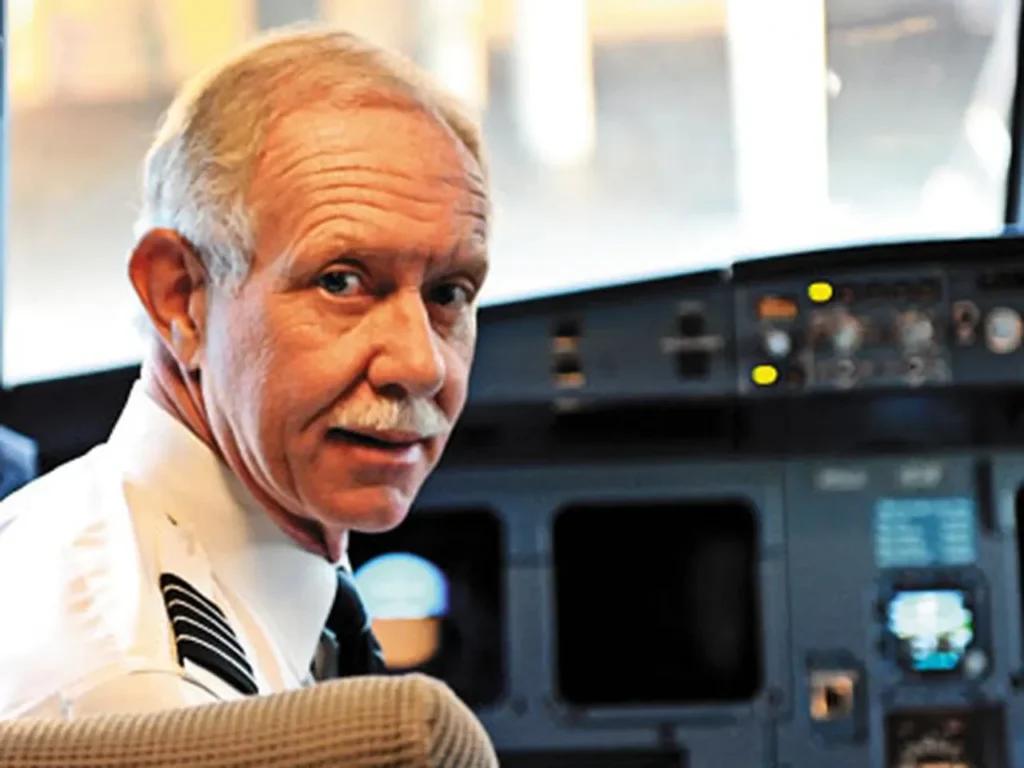
10. Chesley “Sully” Sullenberger
Chesley “Sully” Sullenberger represents the modern era of aviation and demonstrates that exceptional piloting is not always about speed records, military victories or pioneering firsts.
Before becoming a commercial airline pilot, Sullenberger served as a fighter pilot in the United States Air Force. He later joined Pacific Southwest Airlines and developed extensive experience in commercial aviation, while also becoming involved in aviation safety.
His most famous moment came on 15 January 2009.
US Airways Flight 1549 had just departed New York when a flock of Canada geese struck the Airbus A320, causing both engines to lose power. With the aircraft unable to return safely to the airport, Sullenberger and his crew were faced with an extremely difficult decision.
The aircraft was landed on the Hudson River in what became known as the “Miracle on the Hudson”.
All 155 people aboard survived. Sullenberger was also the last person to leave the aircraft after ensuring that passengers had escaped.
The incident became a defining example of how training, judgement, communication and calm decision-making can save lives during an aviation emergency.
What Makes These Pilots Great?
The ten pilots on this list achieved very different things, making direct comparisons difficult.
Lindbergh and Blériot were pioneers who demonstrated that aircraft could accomplish flights previously considered extraordinary. The Wright brothers created the foundations of controlled powered flight. Earhart helped open aviation to a new generation of women.
Doolittle combined flying with engineering and military leadership, while Yeager pushed aviation beyond the sound barrier. Richthofen and Hartmann became famous for extraordinary combat records, although their legacies are inseparable from the wars in which they fought.
Barnes demonstrated the versatility and courage of early female aviators, while Sullenberger showed how modern airline pilots can use training and judgement to deal with an extreme emergency.
Their aircraft, missions and eras could hardly be more different. What connects them is the ability to perform under circumstances where ordinary flying skills were not enough.
The Evolution of the Pilot
Looking at these ten aviators also reveals just how dramatically the profession has changed.
The Wright brothers were experimenting with basic powered aircraft at the beginning of the 20th century. Blériot was flying a machine with a tiny engine across the English Channel only a few years later.
By the First World War, aircraft had become weapons, creating a new generation of fighter pilots such as Richthofen. The Second World War accelerated aircraft development even further, producing pilots such as Hartmann and Doolittle.
After the war, aviation entered the jet age. Yeager’s supersonic achievement represented another huge technological leap.
Today, commercial pilots operate sophisticated aircraft using advanced navigation, automation and communication systems. Yet Sullenberger’s story proves that technology has not eliminated the need for human judgement.
Bottom Line
The 10 greatest pilots throughout history represent more than a collection of famous names. Together, they tell the story of aviation itself.
There are certainly other pilots who could make a list like this. Aviation has produced thousands of extraordinary aviators across more than a century. But these ten stand out because their careers were about more than simply flying an aircraft.
They helped define what aviation could become.
FAQs
Charles Lindbergh is widely regarded as one of the greatest pilots in aviation history, particularly because of his pioneering solo, non-stop transatlantic flight in 1927. His achievement demonstrated the potential of long-distance aviation and made him an international aviation icon.
Chuck Yeager became the first pilot to officially fly faster than the speed of sound in level flight. He achieved the milestone on 14 October 1947 while flying the Bell X-1, reaching approximately Mach 1.07.
Chesley “Sully” Sullenberger became famous for successfully landing US Airways Flight 1549 on the Hudson River in January 2009 after both engines lost power following a bird strike. All 155 people aboard survived the emergency landing.
Stay tuned with us. Further, follow us on social media for the latest updates.
Join us on Telegram Group for the Latest Aviation Updates. Subsequently, follow us on Google News