Working remotely has made it possible to build a career without necessarily being tied to one city or even one country. For digital nomads, however, choosing a destination involves much more than finding somewhere attractive with good weather. Reliable internet, affordable living costs, visa options, taxation, safety, and the general quality of life can all have a major impact on how practical a country is as a long-term base.
The 2026 Rumavi Global Relocation Index takes these factors into account when assessing destinations around the world. The index covers 192 countries and adjusts its criteria for different groups, including remote workers. For digital nomads, factors such as digital infrastructure, cost of living, treatment of overseas income and the ability to legally stay and work remotely become particularly important.
Top 10 Best Countries for Digital Nomads in 2026
Malaysia takes the top position in the 2026 ranking, followed by Portugal and Thailand. Georgia, Taiwan, Estonia, the UAE, Spain, Croatia and Lithuania complete the top 10. The list includes a mixture of Asian, European and Middle Eastern destinations, giving remote workers very different options depending on the type of lifestyle they want.
1. Malaysia
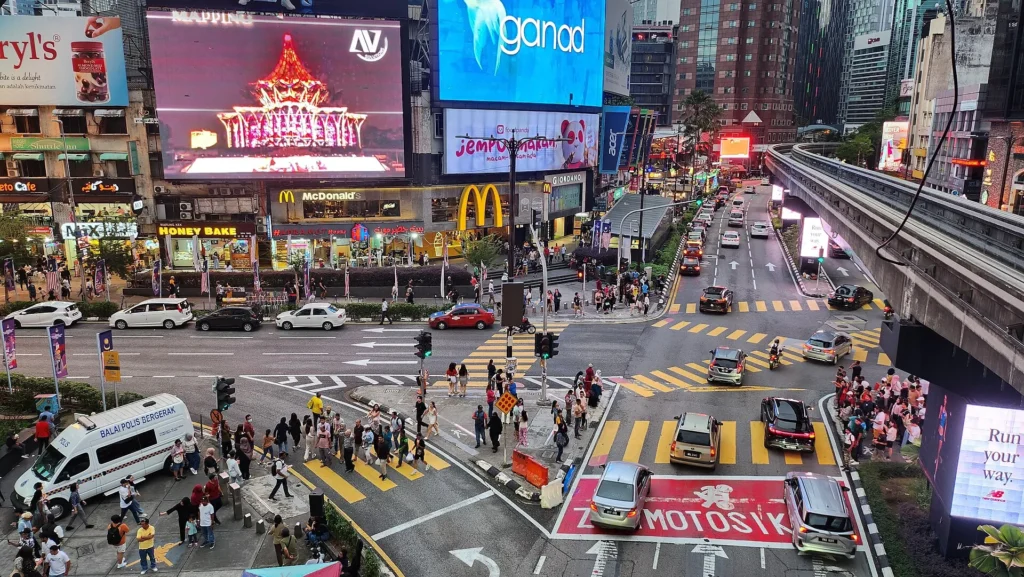
Malaysia takes the number one position in the 2026 ranking, offering digital nomads a combination of relatively affordable living, strong infrastructure, warm weather and a dedicated route for remote workers.
One of the country’s biggest advantages is its digital infrastructure. Malaysia scored 80 out of 100 for digital infrastructure in the 2026 index, making reliable connectivity one of its strongest features. For someone working online, that can be just as important as accommodation or attractions, particularly when work involves regular video calls, cloud-based systems and large file transfers.
Malaysia also operates the DE Rantau programme, which provides eligible remote workers with a legal route to stay in the country for up to a year. The country’s tropical climate, extensive food culture and relatively manageable cost of living add to its appeal.
Kuala Lumpur is an obvious base for many nomads, with modern shopping centres, cafes, coworking spaces and an international population. Beyond the capital, Malaysia offers beaches, islands, rainforests and smaller cities for those who want a quieter lifestyle.
The country does have some limitations. Its business-opportunity score in the index was only 39 out of 100, so entrepreneurs whose priority is access to a major startup ecosystem may find other destinations more suitable.
2. Portugal
Portugal ranks second and remains one of Europe’s most established destinations for people looking to combine remote work with a change of lifestyle.
The country has developed a particularly strong reputation among digital nomads because of its dedicated Digital Nomad Visa. This gives eligible remote workers a formal immigration route rather than requiring them to rely on short tourist stays.
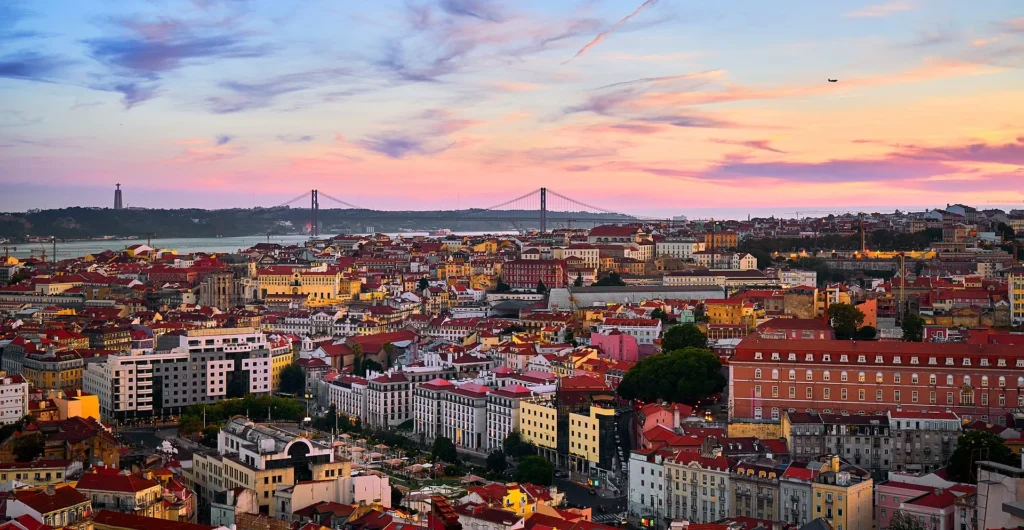
Lisbon remains one of the biggest centres for the country’s digital nomad community, offering a mixture of historic neighbourhoods, modern coworking spaces, restaurants and international connections. Porto provides a somewhat smaller-city alternative, while the Algarve attracts people looking for a warmer coastal lifestyle.
Portugal also benefits from its position within Europe. Remote workers who want to establish themselves in an EU country can combine a relatively relaxed lifestyle with access to a wider European travel network.
The popularity of Portugal does mean that some of its best-known locations are no longer particularly inexpensive compared with other destinations on this list. Nevertheless, its combination of established remote-work infrastructure, climate, lifestyle and visa options continues to make it a major destination for location-independent workers.
3. Thailand
Thailand takes third place and remains one of Asia’s best-known destinations for digital nomads.
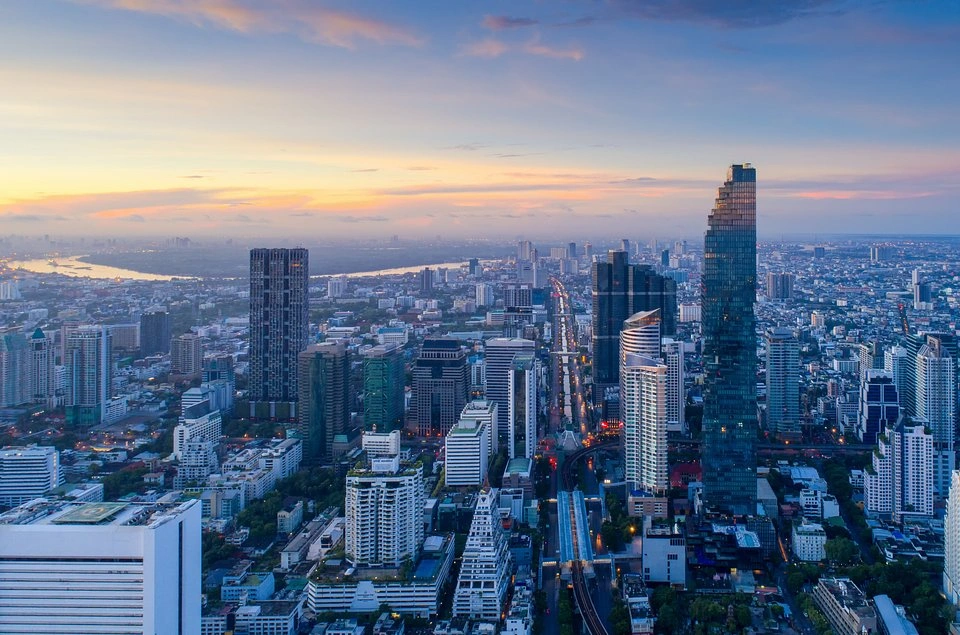
The country offers a combination that is difficult for remote workers to ignore: warm weather, relatively affordable day-to-day costs, excellent food, established tourist infrastructure and a large international community. Bangkok provides the biggest-city experience, while Chiang Mai has long been associated with digital nomad culture.
Thailand’s visa options have also become more relevant for remote workers. The Destination Thailand Visa allows eligible individuals to stay in the country for extended periods, with the programme designed to accommodate digital nomads and remote workers.
Outside Bangkok and Chiang Mai, nomads can choose destinations such as Phuket, Pattaya, Koh Samui and other islands, depending on whether they prioritise nightlife, beaches, nature or a slower pace.
Thailand’s affordability is another major attraction. Although prices vary significantly between Bangkok, tourist hotspots and smaller cities, many everyday expenses can remain comparatively manageable for people earning salaries from overseas.
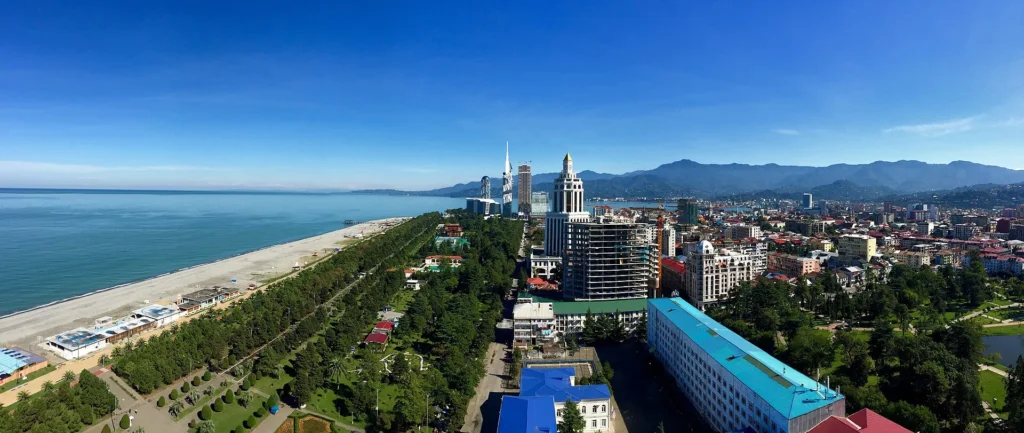
4. Georgia
Georgia has become a notable destination for digital nomads despite being considerably smaller than many of the countries above it.
Its biggest advantage is flexibility. Citizens of dozens of nationalities can enter Georgia visa-free for up to a year, making it possible for many remote workers to spend a substantial period in the country without going through the kind of lengthy immigration process required elsewhere.
Tbilisi is the main base for international remote workers. The capital combines historic architecture and a growing cafe culture with coworking spaces, restaurants and a relatively compact urban environment.
The country is also known for its comparatively affordable lifestyle, particularly when measured against many Western European destinations. Outside Tbilisi, places such as Batumi offer a completely different experience, with the Black Sea coast providing an alternative for those who prefer a seaside base.
Georgia’s position also makes it geographically interesting for travellers who want to explore the Caucasus and surrounding regions while maintaining a relatively low-cost base.

5. Taiwan
Taiwan rounds out the top five, standing out for its combination of technology, healthcare, infrastructure and urban convenience.
For digital nomads, reliable connectivity is particularly important, and Taiwan has developed a strong reputation for fast internet and technologically advanced cities. Taipei is the country’s main international hub and offers an extensive selection of cafes, restaurants, public transport and modern amenities.
The country’s healthcare system is another attraction for long-term visitors who place importance on access to quality medical services. Taiwan also provides a strong contrast between densely developed cities and mountainous landscapes, coastal areas and traditional towns.
Food is another major part of the experience. Taipei’s night markets, restaurants and cafes give remote workers plenty of options outside working hours, while the city’s efficient transport system makes it relatively easy to explore without relying on a car.
For someone who values technology and urban convenience more than an ultra-low cost of living, Taiwan offers a very different proposition from destinations such as Malaysia or Thailand.
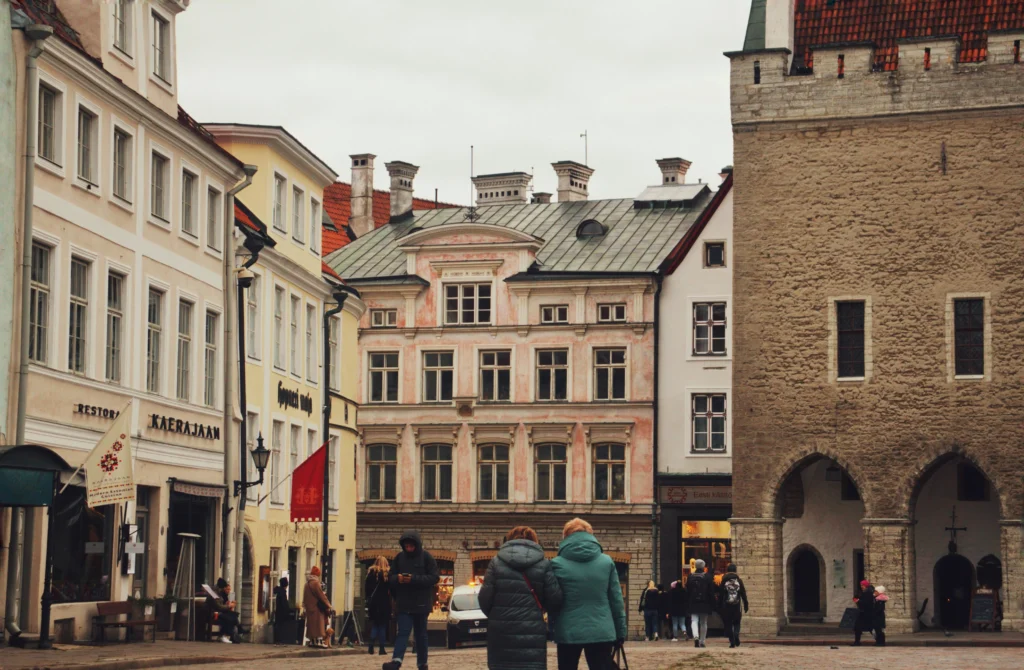
6. Estonia
Estonia ranks sixth and provides one of the most digitally focused environments in Europe.
The Baltic country has built a reputation for digital government and online services, making it a natural fit for people whose professional lives already exist largely online. Tallinn, the capital, combines a compact historic centre with a modern technology sector and a growing international community.
Estonia also operates a Digital Nomad Visa, allowing eligible remote workers to legally stay in the country while working for employers or clients outside Estonia. The visa provides a formal option for people who want to spend an extended period in the country rather than relying on ordinary tourist entry.
The country is also attractive for entrepreneurs and technology professionals because of its strong digital ecosystem. Its smaller size means it does not offer the same scale of nightlife or international-city variety as Bangkok, Lisbon or Taipei, but that can be an advantage for people looking for a quieter European base.
Tallinn’s historic architecture, access to nature and relatively straightforward digital services further strengthen Estonia’s appeal.
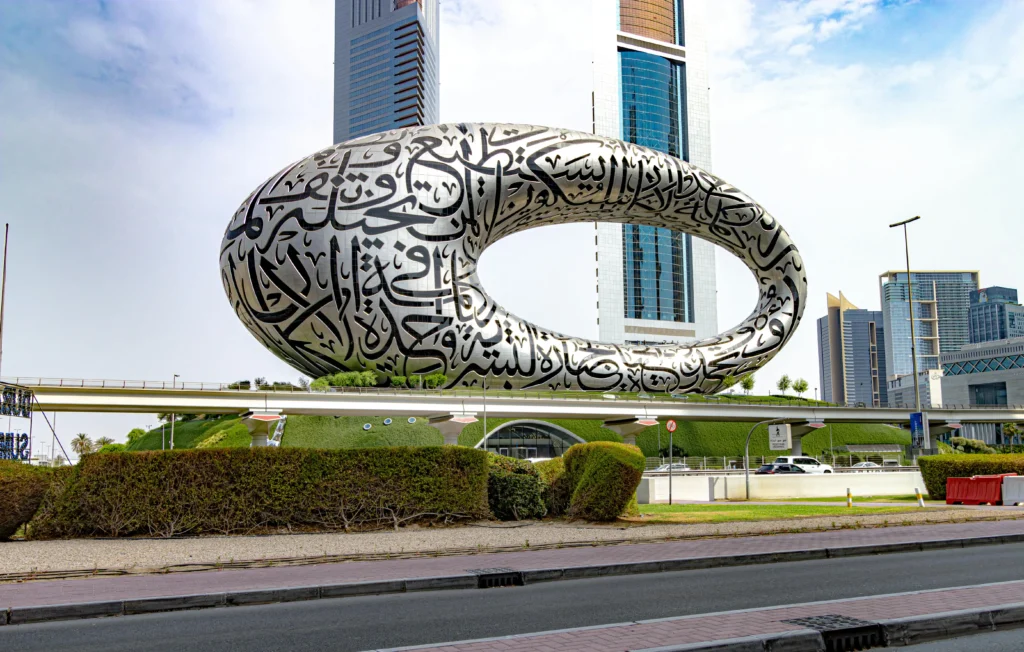
7. United Arab Emirates
The United Arab Emirates takes seventh place and provides one of the most modern options in the 2026 top 10.
Dubai is the country’s biggest magnet for digital nomads and international professionals. Its combination of modern infrastructure, extensive air connections, luxury accommodation, coworking facilities and international business activity has helped establish it as a major remote-work destination.
The UAE also offers a remote-work residence route for eligible professionals, providing a formal way for qualifying remote workers to live in the country while remaining employed by an overseas organisation. Current guidance lists a minimum monthly income requirement of US$3,500 for the UAE’s remote-work route.
Abu Dhabi provides another option for people who want a more business-oriented environment, while Dubai is particularly well known for its international social scene and extensive selection of restaurants, cafes and entertainment.
The UAE is considerably more expensive than several Asian destinations on this list, particularly in Dubai. As a result, its appeal is strongest for remote workers whose income allows them to take advantage of the country’s infrastructure and international business environment.

8. Spain
Spain ranks eighth and offers digital nomads the opportunity to combine a formal remote-work route with the lifestyle of one of Europe’s most diverse countries.
The country’s Digital Nomad Visa provides a legal residence option for qualifying remote workers, while eligible applicants can potentially receive residence for several years depending on the route they use. Current 2026 guidance puts the main applicant’s income requirement at around €2,849 per month.
Madrid and Barcelona provide large international-city environments, with extensive coworking facilities, restaurants, cultural attractions and transport connections. Smaller cities and coastal areas offer alternatives for people who want a slower pace.
Spain’s regional diversity is one of its biggest advantages. A remote worker can choose between Mediterranean beaches, major cities, mountain areas and smaller historic communities without leaving the country.
The cost of living also varies considerably. Madrid and Barcelona can be significantly more expensive than smaller cities, meaning digital nomads have plenty of scope to choose a location based on their budget and preferred lifestyle.
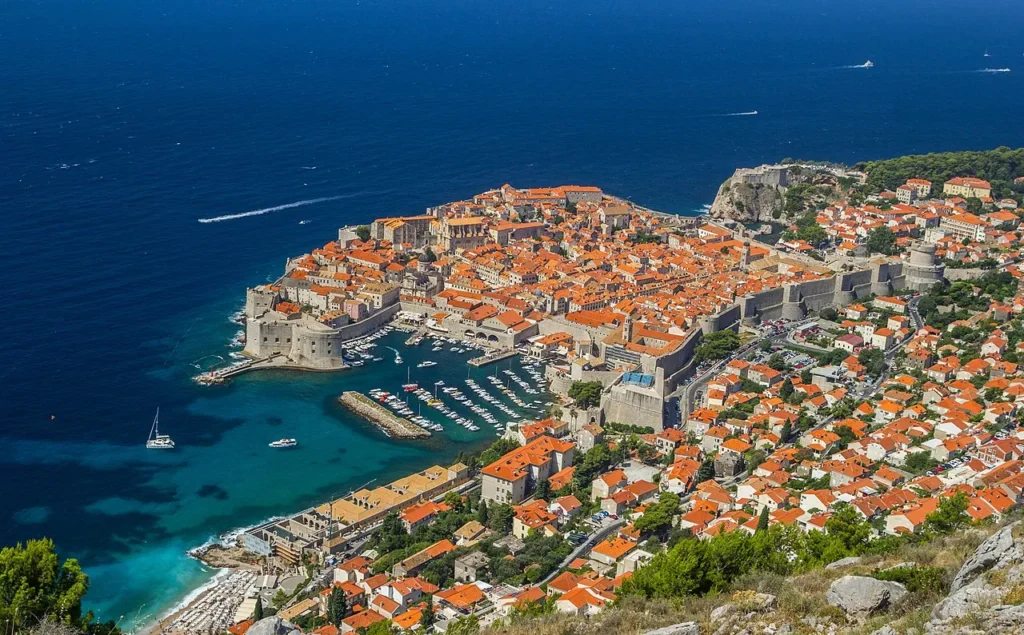
9. Croatia
Croatia takes ninth place and offers digital nomads a combination of Mediterranean scenery, historic cities and a dedicated remote-work residence programme.
The country’s Digital Nomad Residence route allows eligible remote workers to stay for an extended period while working for employers or businesses outside Croatia. Current 2026 figures put the minimum monthly income requirement at approximately €3,622.50, although immigration requirements can change and applicants should check the latest official rules before applying.
Zagreb provides the largest urban environment, while Split, Dubrovnik and destinations along the Adriatic coast offer a very different lifestyle. The Croatian islands provide yet another option for people who want to combine remote work with access to beaches and outdoor activities.
Croatia’s appeal is particularly strong during the warmer months, when its coastal towns become major tourism destinations. Those who prefer a quieter experience may find that the shoulder seasons offer a better balance between weather, visitor numbers and everyday life.
10. Lithuania
Lithuania completes the top 10, giving the Baltic region two representatives alongside Estonia.
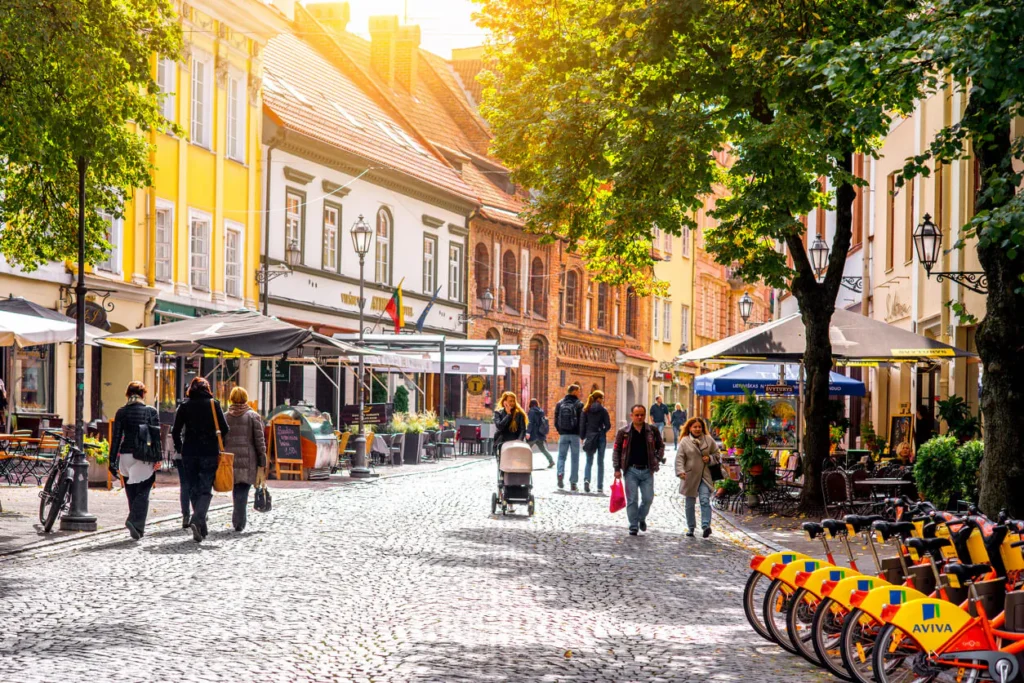
Vilnius is the main destination for international remote workers, offering a relatively compact capital city with historic architecture, cafes, restaurants, green spaces and a growing technology sector. The country’s smaller scale can make it appealing to people who prefer a less hectic environment than Europe’s biggest capitals.
Lithuania also benefits from being part of the European Union, giving eligible residents access to the wider European travel network. Its technology and startup ecosystem adds another dimension for freelancers, entrepreneurs and people working in digital industries.
Compared with many of Western Europe’s major capitals, Lithuania can also offer a more manageable cost base. That makes it particularly relevant for remote workers who want European infrastructure without necessarily paying the prices associated with cities such as London, Paris or Amsterdam.
The combination of digital development, EU connectivity, urban convenience and relatively compact city living puts Lithuania at the end of the 2026 top 10.
What Makes A Country Good For Digital Nomads?
The 2026 ranking shows that digital nomads do not all want the same thing. Malaysia and Thailand provide warm climates and relatively affordable lifestyles, while Portugal and Spain appeal to people looking for established European remote-work destinations.
Other countries stand out for different reasons. Estonia and Taiwan have particularly strong digital infrastructure and technology credentials, while Georgia provides unusual flexibility for long stays. The UAE is more closely associated with international business and modern infrastructure, whereas Croatia offers a Mediterranean lifestyle and Lithuania provides a smaller European base.
Visa access is particularly important because working remotely from another country is not automatically permitted simply because a person can enter as a tourist. Dedicated remote-work routes can provide greater legal clarity, although the exact requirements differ substantially between countries.
Cost is another major consideration. A destination can be affordable for accommodation and food but still have relatively demanding income requirements for its visa. Digital nomads therefore need to look at the entire package rather than judging a country solely on everyday prices.
Bottom Line
The Top 10 Best Countries for Digital Nomads in 2026 cover a remarkably broad range of lifestyles. Malaysia leads the ranking with strong digital infrastructure, tropical weather, relatively manageable costs and its DE Rantau remote-work programme. Portugal and Thailand follow with established remote-work communities and formal visa options.
Georgia and Taiwan provide very different alternatives, with Georgia standing out for long visa-free stays for eligible nationalities and Taiwan for its technology, healthcare and connectivity. Estonia adds a highly digital European environment, while the UAE focuses heavily on modern infrastructure and international business.
Spain and Croatia provide established European remote-work routes alongside varied lifestyles, while Lithuania rounds out the list with a compact Baltic setting and growing digital economy. For anyone considering a move in 2026, the key is to match the country’s visa rules, cost of living, tax position, internet infrastructure and lifestyle with their own working arrangements.
FAQs
Malaysia ranks first in the 2026 Rumavi Global Relocation Index’s digital nomad category. Its strong digital infrastructure, DE Rantau remote-work programme, tropical climate and relatively affordable cost of living contribute to its position.
There is no single visa that suits every digital nomad. Portugal, Spain, Estonia, Croatia, Malaysia and the UAE all have formal remote-work or digital nomad routes, while Georgia offers extended visa-free stays for eligible nationalities. The appropriate option depends on nationality, income, intended length of stay and tax circumstances.
Malaysia, Thailand and Georgia are generally positioned as more affordable options than Western European destinations such as Portugal and Spain or higher-cost locations such as the UAE. Actual costs vary considerably by city, accommodation type and lifestyle, so digital nomads should compare their expected monthly expenses before choosing a base.
Stay tuned with us. Further, follow us on social media for the latest updates.
Join us on Telegram Group for the Latest Aviation Updates. Subsequently, follow us on Google News