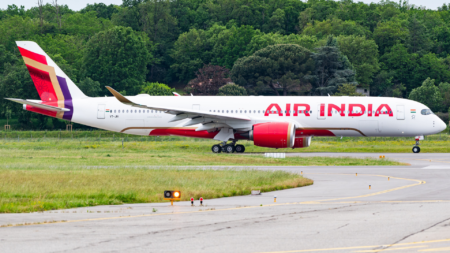
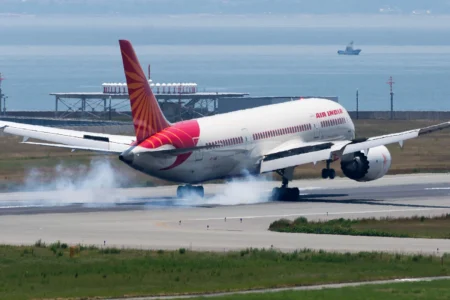
DELHI- Tata Group-owned Air India (AI) may keep its international network focused on major hubs as weak route economics challenge services from non-metro Indian cities.
The suspension of Amritsar–London Gatwick could accelerate a wider review of long-haul capacity, including Ahmedabad–London Gatwick and Amritsar–Birmingham.
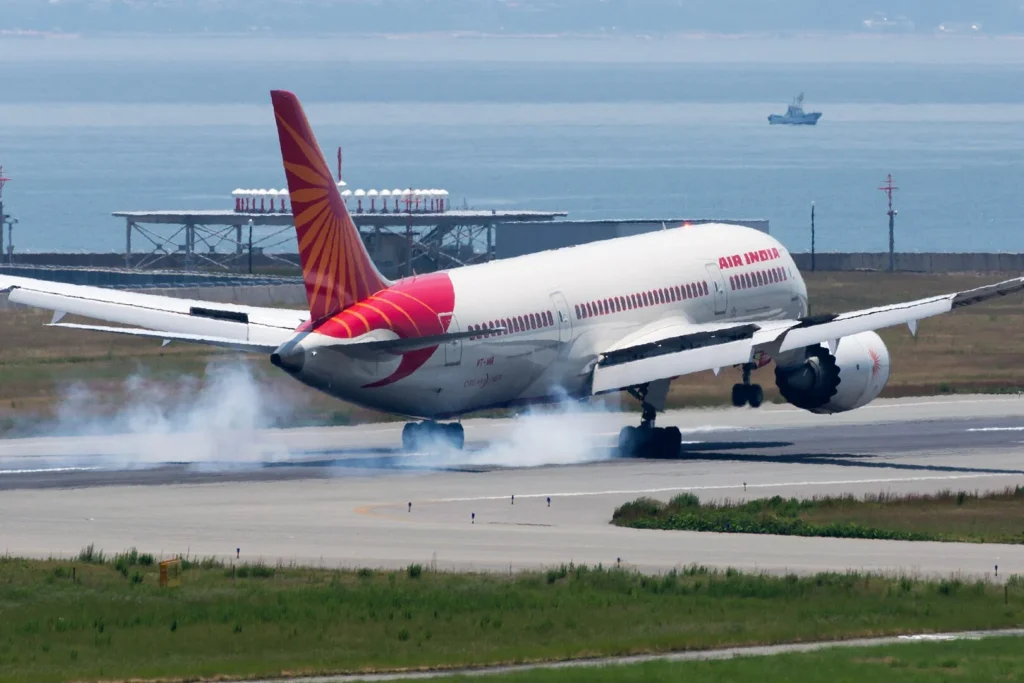
Air India Faces Pressure on Non-Metro Long-Haul Routes
An airline commercial analyst associated with a major Middle Eastern carrier said Air India’s suspension of the Amritsar–London Gatwick route was driven by a combination of commercial and operational pressures.
The route already generated relatively low yields, limiting its ability to absorb rising operating costs. The closure of Pakistani airspace to Indian carriers added nearly 2.5 hours to the journey, increasing fuel consumption and other operating expenses.
The West Asia crisis also placed additional pressure on jet fuel prices. Higher fuel costs further weakened the economics of a route that was already operating under difficult commercial conditions.
Together, lower yields, longer flight times and higher fuel costs created a challenging environment for Air India. These factors made the suspension of the Amritsar–Gatwick service increasingly difficult to avoid.
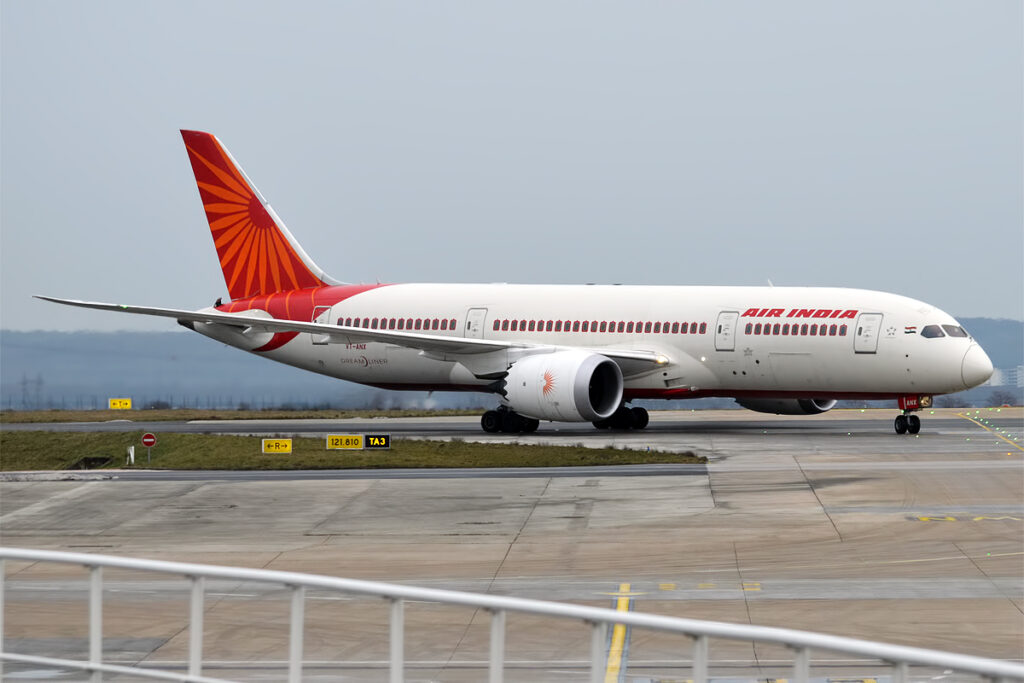
Gatwick Service Unlikely to Return Soon
The analyst does not expect Air India to resume Amritsar–London Gatwick in the near future and believes the suspension could potentially last for several years.
A change in external conditions alone may not be enough to bring the route back. Air India would also need to see a significant improvement in the underlying economics before redeploying long-haul aircraft from its larger hubs.
Long-haul aircraft remain strategically important to Air India as the carrier develops Delhi and Mumbai into stronger international gateways. Deploying those aircraft on lower-yield point-to-point routes therefore carries a significant opportunity cost.
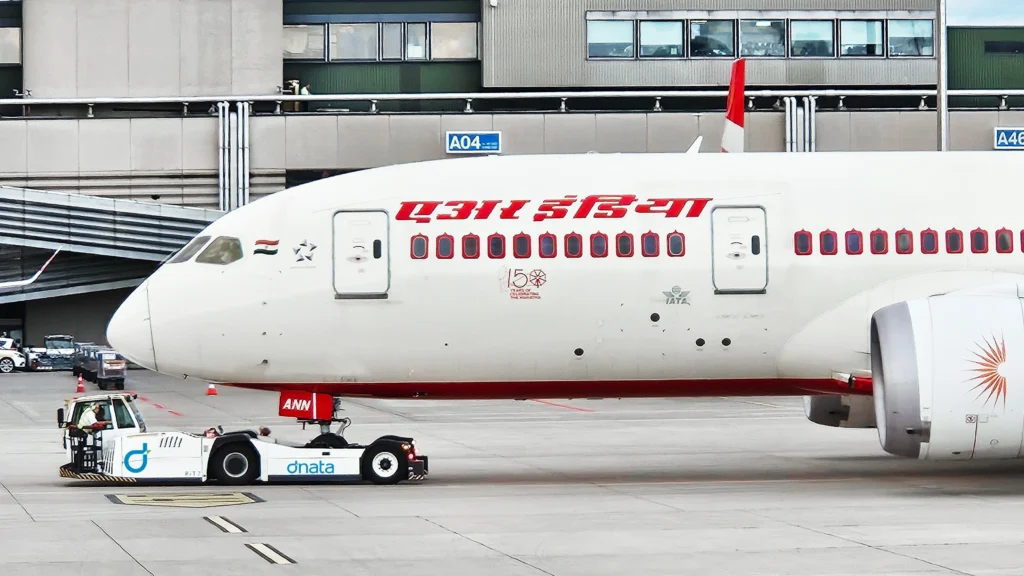
Non-Metro International Network Becomes Smaller
Following the Amritsar–Gatwick suspension, Air India’s international network from India’s non-metro cities is effectively reduced to two routes: Amritsar–Birmingham and Ahmedabad–London Gatwick.
The reduced network could prompt Air India to reassess whether each remaining service delivers enough commercial and strategic value to justify its aircraft allocation.
Such a review would form part of a broader effort to concentrate international flying around the airline’s largest hubs while improving aircraft utilisation and connecting traffic.
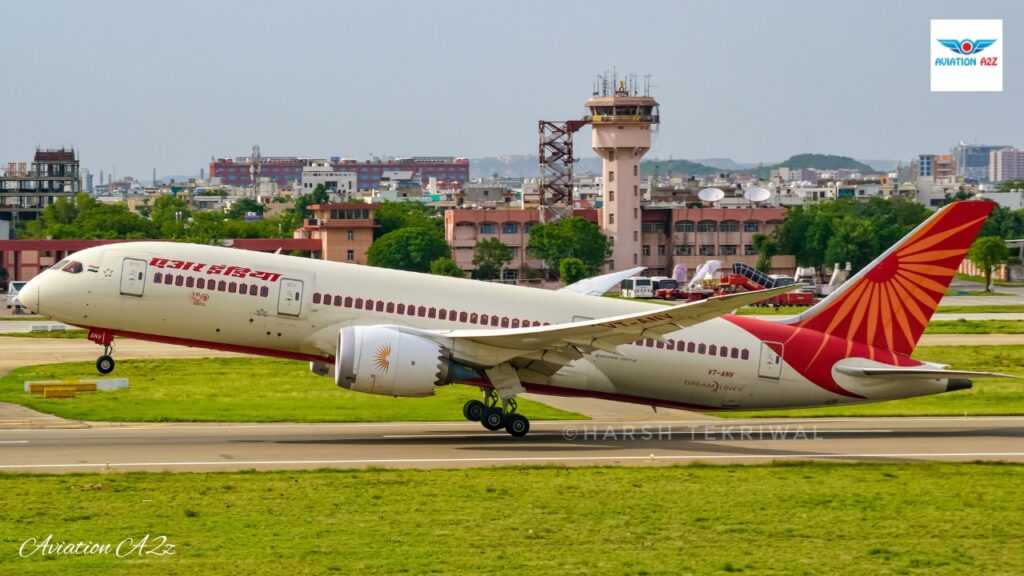
Ahmedabad–Gatwick Faces Network Efficiency Questions
Ahmedabad–London Gatwick presents a different challenge because Air India already maintains a much larger operation at London Heathrow.
Operating flights to both Gatwick and Heathrow gives Air India access to separate airports serving the same metropolitan market. However, the strategy can also increase operational complexity and reduce the simplicity of the airline’s London network.
The commercial case for retaining Ahmedabad–Gatwick therefore depends heavily on its standalone performance. If the route does not generate sufficient returns, Air India could benefit from consolidating more London operations around Heathrow.
A more concentrated London network could also make it easier to manage aircraft, crew, schedules and connecting traffic across the airline’s international operation.
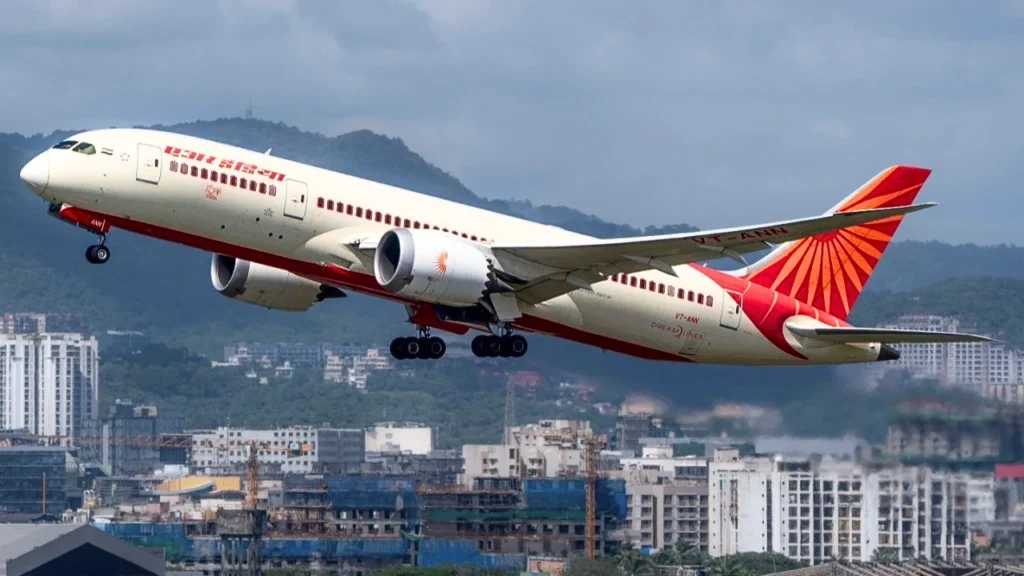
Amritsar–Birmingham Has Stronger Demand
Amritsar–Birmingham presents a stronger underlying market case. The route benefits from substantial demand and comparatively sustainable yields, giving it a more solid commercial foundation than a weaker point-to-point market.
However, the key issue is not simply whether the route can remain profitable. Air India must also consider the opportunity cost of using a long-haul aircraft on the service.
An aircraft operating Amritsar–Birmingham could potentially produce greater strategic value on another route if additional capacity strengthens a major hub or improves connectivity across a wider network.
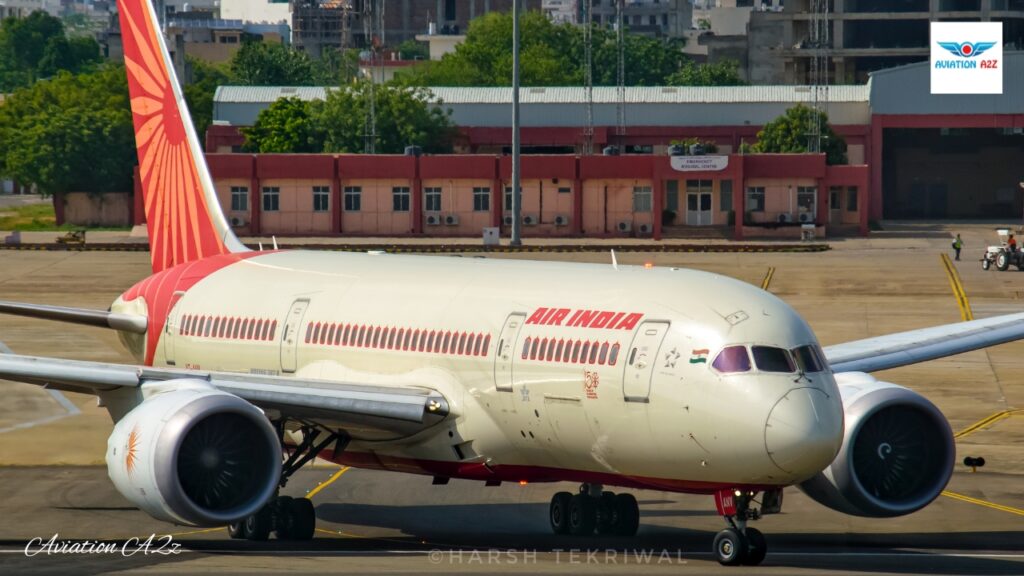
Air India Could Redirect Capacity to Mumbai
Air India could consider shifting some long-haul capacity toward Delhi and Mumbai as it strengthens its hub strategy.
Australia represents one potential market for such a move. Restoring Mumbai–Melbourne or Mumbai–Sydney could expand Air India’s Australian network while creating stronger connectivity between western India and Australia through Mumbai.
Additional frequencies from Mumbai could also improve schedule flexibility and strengthen connecting opportunities for passengers travelling between India and Australia.
The potential redeployment would depend on aircraft availability, route economics and broader network priorities. However, the strategy would allow Air India to assess long-haul capacity based on total network value rather than individual route performance alone.
Hub Strategy Could Shape Future Route Decisions
Air India’s future network decisions are likely to depend increasingly on how each aircraft contributes to the wider system.
Ahmedabad–Gatwick and Amritsar–Birmingham may both remain commercially viable to different degrees, but profitability alone does not determine whether a route deserves scarce long-haul capacity.
The more important question is whether an aircraft can generate higher returns and greater strategic value elsewhere in the network. For Air India, this could mean prioritising Delhi and Mumbai, where additional long-haul frequencies can support connectivity and strengthen the carrier’s international hub structure.
The suspension of Amritsar–Gatwick therefore highlights a broader network strategy issue for Air India. As the airline rebuilds its international operation, it may increasingly favour routes that combine strong demand, sustainable yields and wider connectivity benefits.
Stay tuned with us. Further, follow us on social media for the latest updates.
Join us on Telegram Group for the Latest Aviation Updates. Subsequently, follow us on Google News