BERLIN- Germany is examining whether to join the Global Combat Air Programme (GCAP) after opening exploratory discussions with the United Kingdom over participation in the sixth-generation fighter project.
The talks come only months after Berlin abandoned the Future Combat Air System (FCAS), the Franco-German-Spanish programme that was intended to produce Europe’s next-generation combat aircraft.
The discussions put Germany in an unusual position as it considers joining the fighter programme that once competed with its own FCAS effort.
The United Kingdom has approached Berlin about potential cooperation, including Germany’s military requirements and the industrial workshare it could receive, while Germany continues to assess whether GCAP offers a better route than creating a new partnership with Sweden and Spain.

Germany Explores GCAP
The German defence ministry has confirmed that preliminary discussions have taken place on the fundamental requirements and substance of GCAP. However, Berlin has not indicated that it has received a formal offer for a specific participation status within the programme.
The talks followed an approach by the UK’s national armaments director, who is responsible for defence procurement.
Internal German government documents reviewed by Politico reportedly show that London wants to examine possible German participation, including how the programme could accommodate Germany’s operational requirements and defence industry.
The timing is significant because Germany and France ended the fighter component of FCAS in June 2026 after years of disagreements between Airbus and Dassault Aviation.
The dispute centred heavily on industrial responsibilities, design authority and the distribution of work between the participating companies.
The collapse left Germany searching for a way to preserve its ambitions for a sixth-generation combat aircraft without restarting the lengthy negotiations that had undermined FCAS. GCAP therefore offers Berlin an opportunity to enter an established programme rather than build another project from the ground up.
GCAP is being developed by the UK, Italy and Japan, with the three countries targeting a next-generation combat aircraft around 2035. Its industrial structure is already more advanced than a prospective new German-led programme, with Edgewing serving as the joint industrial entity responsible for designing and developing the aircraft.
The programme brings together BAE Systems, Leonardo and Mitsubishi Heavy Industries as the principal national industrial partners. The governments also established the GCAP International Government Organisation to manage the programme on behalf of the three partner nations.
Workshare Remains Key in the GCAP Program
Germany’s potential entry, however, would not simply involve purchasing a place in an existing fighter programme.
Berlin would have to determine whether GCAP could provide sufficient industrial participation for German companies and whether its requirements could be incorporated without disrupting the programme.
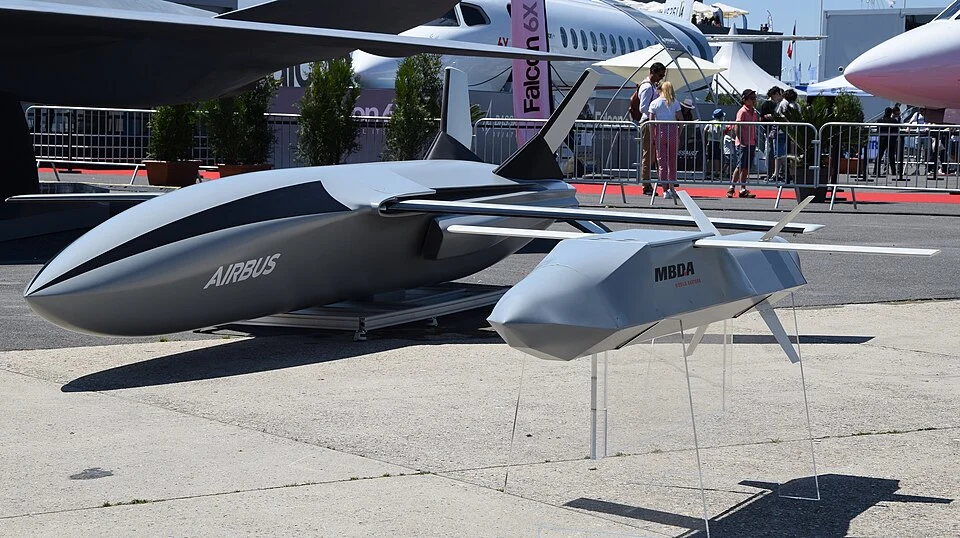
That issue carries particular weight because industrial workshare was one of the central disputes that ultimately brought FCAS to an end. Airbus had repeatedly pushed for a substantial role for German industry, while Dassault sought greater authority over the fighter’s design and development.
Germany is therefore likely to scrutinise the structure of GCAP before making any commitment.
The existing partners have already divided responsibilities and established the programme’s industrial framework, meaning a German entry could require adjustments to production, development responsibilities and intellectual-property arrangements.
Airbus has already signalled that it wants any future sixth-generation fighter partnership to provide Germany with meaningful leadership and industrial influence.
Airbus Defence and Space chief Michael Schoellhorn previously indicated that the company was prepared to work with Britain, Italy and Japan if German industry could secure a significant share of the programme.
The German government is also considering how well GCAP’s operational concept matches its own military requirements. Japan, Britain and Italy have different geographic and strategic priorities, while Germany would need an aircraft suited primarily to continental European operations.
Those differences could become important because GCAP is not simply being designed as a conventional replacement for an existing fighter.
The programme is intended to form part of a broader combat-air system involving advanced sensors, connectivity and other platforms, including uncrewed systems.
GCAP has nevertheless continued to advance despite the possibility of additional partners. In April 2026, the GCAP Agency awarded Edgewing its first joint international contract, worth £686 million, for design and engineering activities.
The programme has also continued developing its integrated sensing and communications architecture.
The UK government has made clear that GCAP is, in principle, open to additional partners, but any expansion must preserve programme delivery. Britain has also stated that decisions on new participants would have to be taken jointly with Italy and Japan.
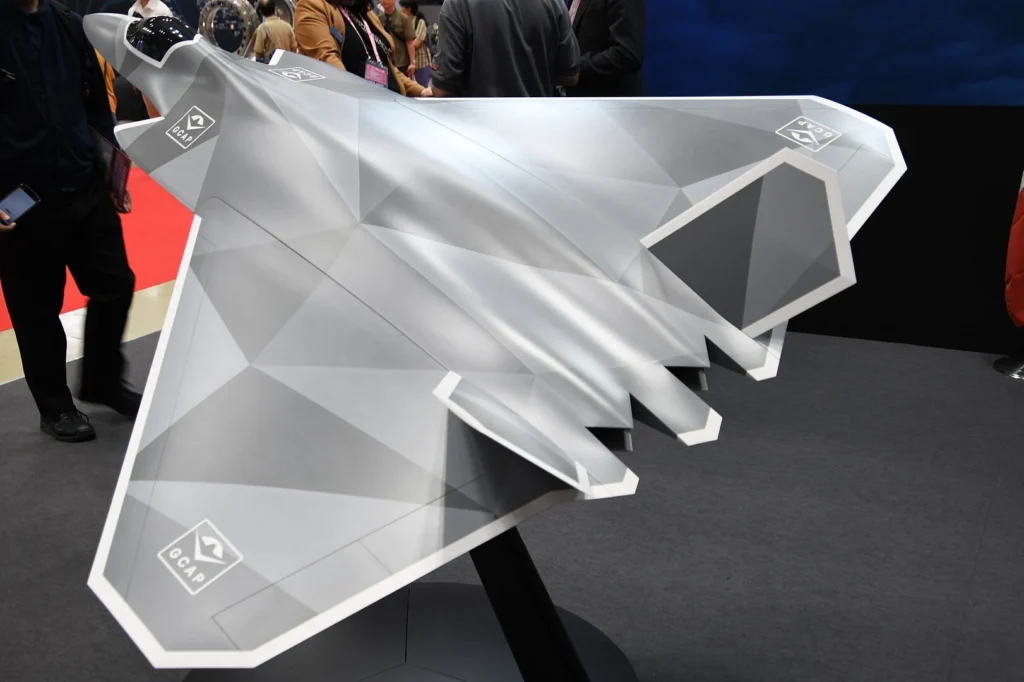
Germany Might Eye Sweden Spain Partnership
Germany consequently faces a choice between entering a mature international programme and creating a new partnership in which it could have greater influence from the beginning.
An internal German assessment reportedly identified cooperation with Sweden and Spain as another possible route. Such a partnership could allow the three countries to establish requirements together rather than modifying an existing programme designed around Britain, Italy and Japan.
Sweden brings Saab’s experience in developing and integrating advanced combat aircraft, while Spain already has experience in European fighter programmes through its involvement in FCAS. Airbus has also shown interest in closer cooperation with Saab as it considers alternatives following the FCAS breakdown.
The GCAP option nevertheless has an important advantage: time. The programme already has government structures, industrial partners and development work underway, while Germany would have to establish those foundations almost from scratch with Sweden and Spain.
Japan could become particularly important to Berlin’s decision because Germany’s entry would require the agreement of all three existing GCAP governments.
Tokyo has previously been cautious about expanding the programme because additional partners could complicate negotiations and threaten the development schedule.
Leonardo CEO Lorenzo Mariani has also warned that adding another country could affect the programme’s 2035 target, Eurasian Times flagged.
For Germany, that creates a difficult balance between securing access to an established sixth-generation fighter and ensuring that its participation does not leave its industry with a limited role.
The political relationship with Britain could present another complication. German assessments have reportedly expressed reservations about BAE Systems based on earlier experience during the Eurofighter programme, raising concerns about whether Germany could participate on an equal footing.
For now, Germany has not committed to GCAP or to a new programme with Sweden and Spain.
Stay tuned with us. Further, follow us on social media for the latest updates.
Join us on Telegram Group for the Latest Aviation Updates. Subsequently, follow us on Google News