Relocating to a new country is about far more than securing a job or finding accommodation. For most expatriates, feeling welcomed by the local community plays an equally important role in determining whether a new city truly feels like home.
A welcoming city offers more than modern infrastructure—it provides safety, inclusivity, cultural openness, excellent public services, opportunities to build friendships, and a lifestyle that helps newcomers quickly settle into everyday life.
According to William Russell’s 2026 Expat City analysis, several global cities stand out for creating exceptionally positive environments for international residents. These destinations combine economic opportunities with multicultural communities, efficient public transport, high-quality healthcare, and strong social support systems, making adjustment to a new country significantly easier.
Most Welcoming Cities in the World for Expats in 2026
Whether attracting skilled professionals, entrepreneurs, students, or digital nomads, these cities have built reputations as some of the world’s most expat-friendly destinations. Here are the Top 10 Most Welcoming Cities in the World for Expats in 2026.
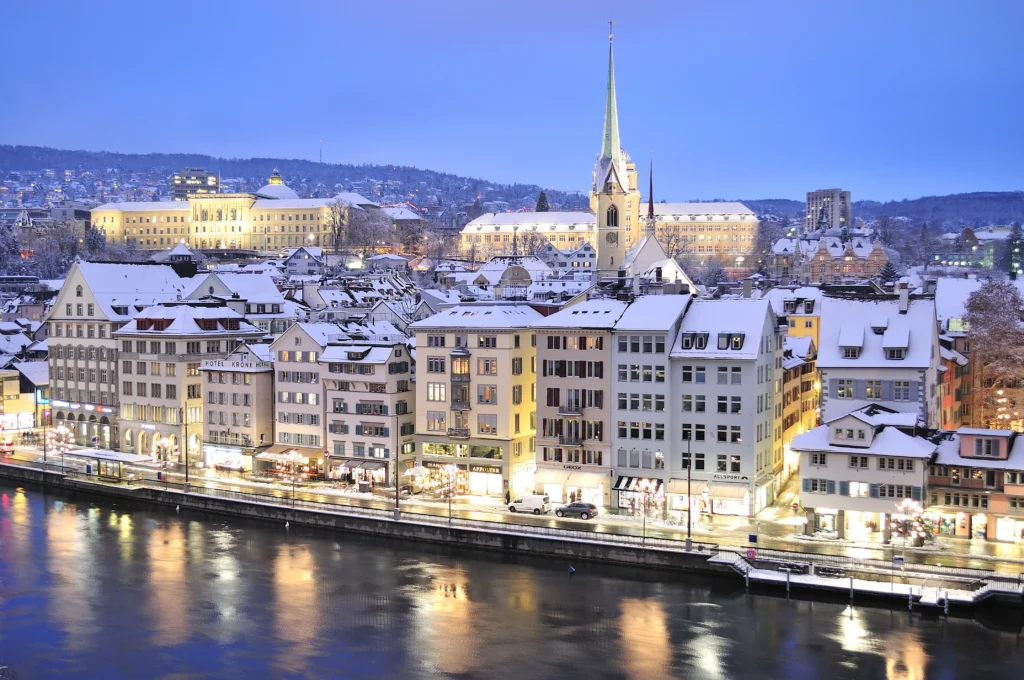
1. Zurich, Switzerland
Zurich takes the top spot as the world’s most welcoming city for expats in 2026. Although Switzerland has a reputation for precision and professionalism, newcomers often discover a city that values diversity, stability, and exceptional quality of life.
Home to hundreds of multinational companies, Zurich attracts professionals from every continent, creating a highly international environment where English is widely used in business and many everyday situations.
Expats benefit from excellent healthcare, outstanding public transport, low crime rates, and some of the highest average salaries in Europe.
Neighbourhoods are exceptionally clean and well maintained, while parks, lakeside promenades, and nearby Alpine scenery provide countless opportunities for relaxation. The city’s efficient administration also simplifies many aspects of settling in, from opening bank accounts to obtaining residence permits.
Although living costs are among the highest in the world, many expatriates feel the exceptional quality of services and work-life balance justify the expense. Zurich continues to set the global benchmark for welcoming international professionals.
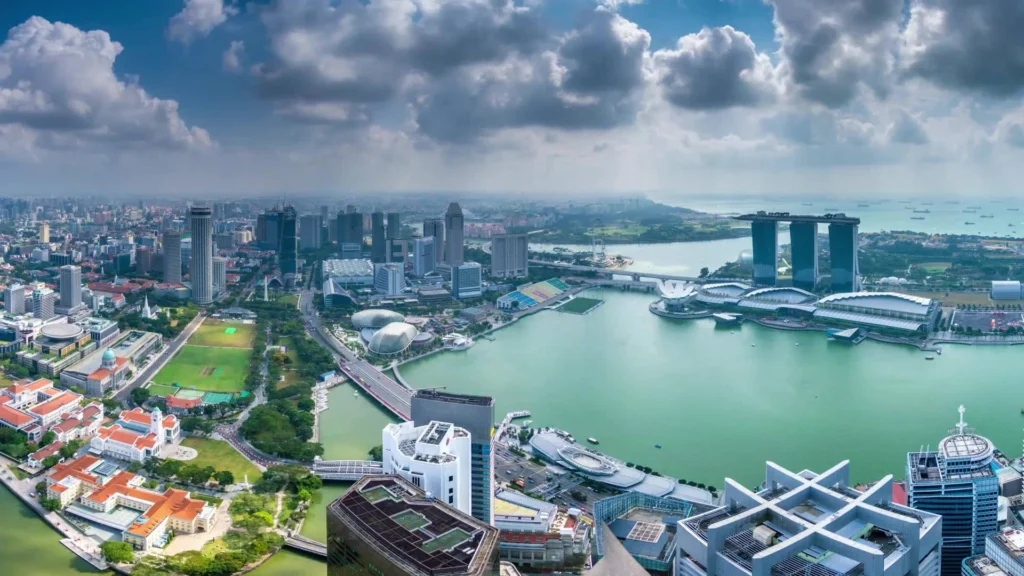
2. Singapore
Singapore ranks second thanks to its multicultural society, world-class infrastructure, and remarkably easy transition for international residents.
People from Chinese, Malay, Indian, and Western backgrounds have lived together for generations, creating one of the world’s most culturally diverse cities. English serves as one of the country’s official languages, making communication straightforward for many expats.
The city-state offers outstanding healthcare, one of the world’s safest urban environments, efficient public transport, and highly organised public services. Modern residential developments, international schools, and excellent connectivity further enhance daily life.
Singapore’s strong economy also provides abundant career opportunities across finance, aviation, technology, logistics, biotechnology, and engineering. Although housing can be expensive, many expatriates value the city’s stability, cleanliness, and exceptional standard of living.
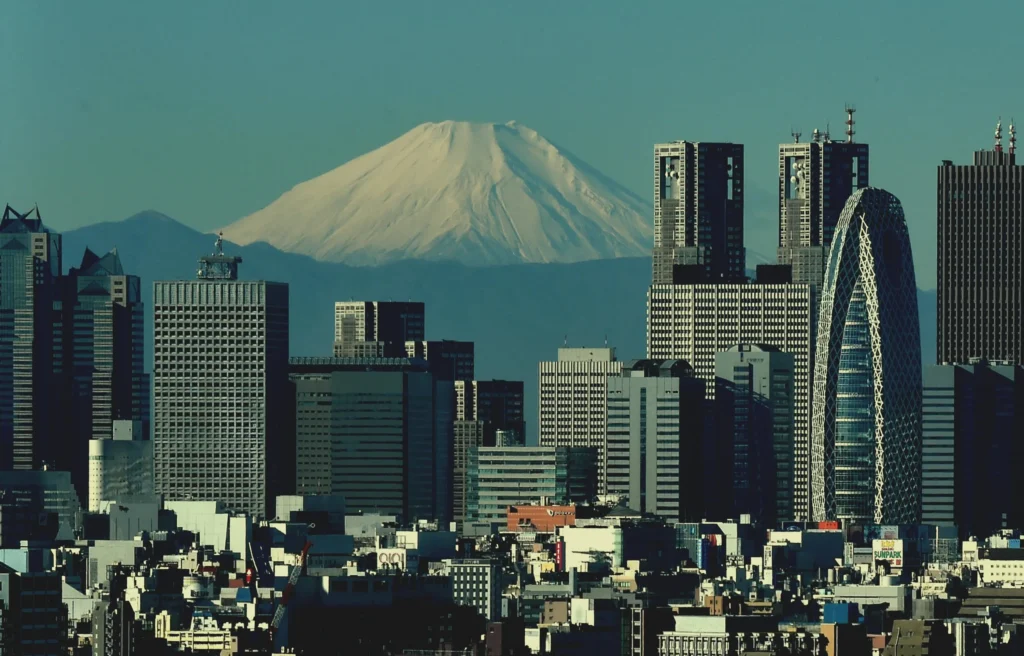
3. Tokyo, Japan
Tokyo earns third place by combining traditional Japanese hospitality with one of the world’s most advanced metropolitan environments.
Despite its enormous population, Tokyo remains remarkably organised, safe, and efficient. The city’s rail network is among the finest globally, while neighbourhoods maintain high cleanliness standards and excellent public services.
Japanese culture places great importance on respect, courtesy, and consideration for others, creating an environment where visitors and new residents often feel welcomed despite language differences. International communities continue growing, particularly in districts popular with foreign professionals.
Expats enjoy exceptional healthcare, countless cultural attractions, outstanding restaurants, and year-round festivals. Increasing internationalisation has also led to more multilingual services and support networks that help newcomers settle more comfortably.
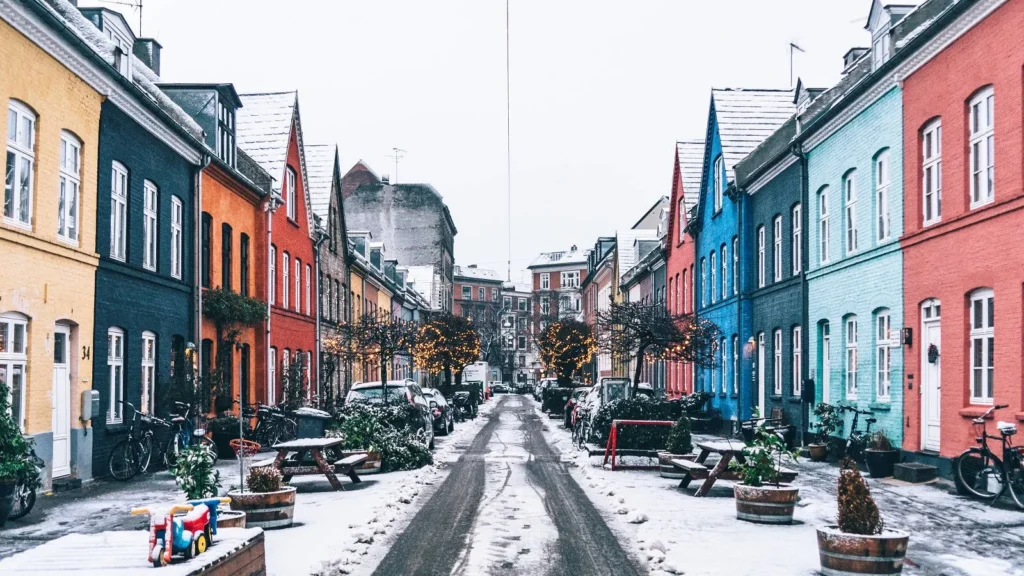
4. Copenhagen, Denmark
Copenhagen continues to strengthen its reputation as one of Europe’s happiest and most welcoming capitals.
The Danish concept of hygge—emphasising comfort, wellbeing, and social connection—extends naturally into everyday community life. Residents value equality, work-life balance, and environmental sustainability, creating an attractive lifestyle for expatriates.
Cycling infrastructure, excellent public transport, universal healthcare, and extensive green spaces contribute to consistently high quality-of-life rankings. English is spoken fluently by much of the population, reducing barriers for newly arrived professionals.
Although living expenses are relatively high, expats frequently highlight Copenhagen’s friendly atmosphere, progressive values, and relaxed pace of life as reasons they choose to remain long-term.
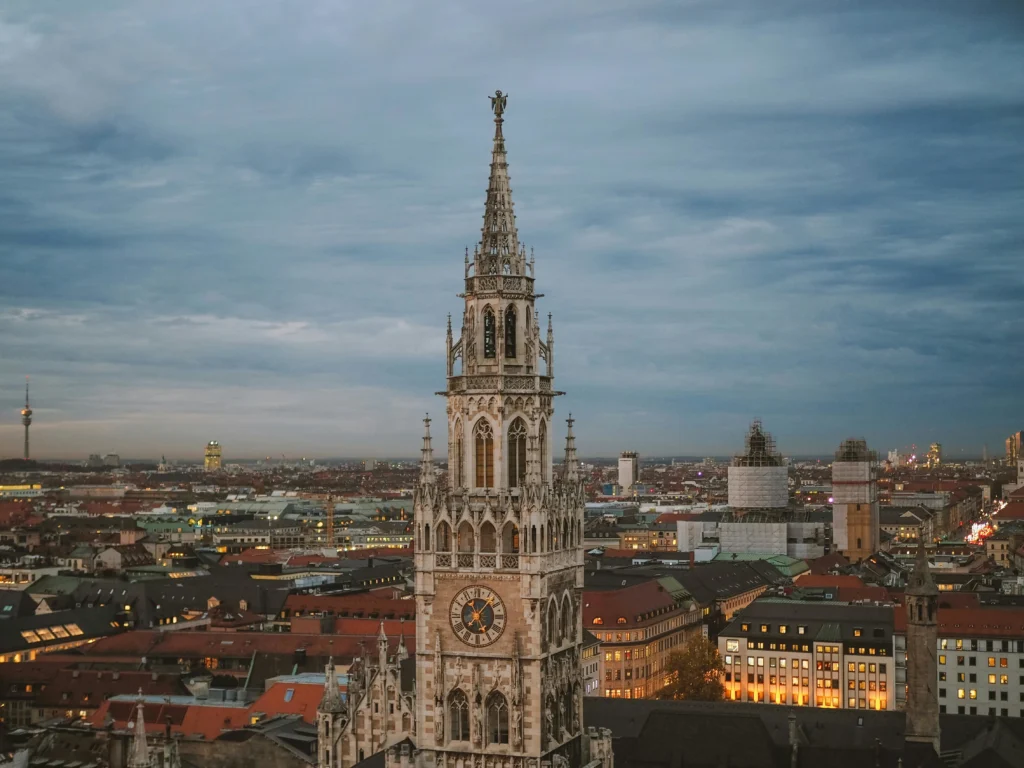
5. Munich, Germany
Munich ranks fifth through its impressive combination of economic strength, cultural heritage, and outstanding living standards.
As Germany’s technology and engineering powerhouse, the city attracts professionals working in automotive manufacturing, aerospace, finance, biotechnology, and information technology. Numerous multinational companies contribute to its highly international workforce.
Munich offers clean neighbourhoods, excellent healthcare, reliable public transport, and exceptionally low crime rates. Beautiful parks, nearby Alpine landscapes, historic architecture, and world-famous festivals such as Oktoberfest create an engaging social environment for residents.
The city’s welcoming international community, combined with Germany’s strong social infrastructure, makes adapting to life in Munich relatively straightforward for newcomers.
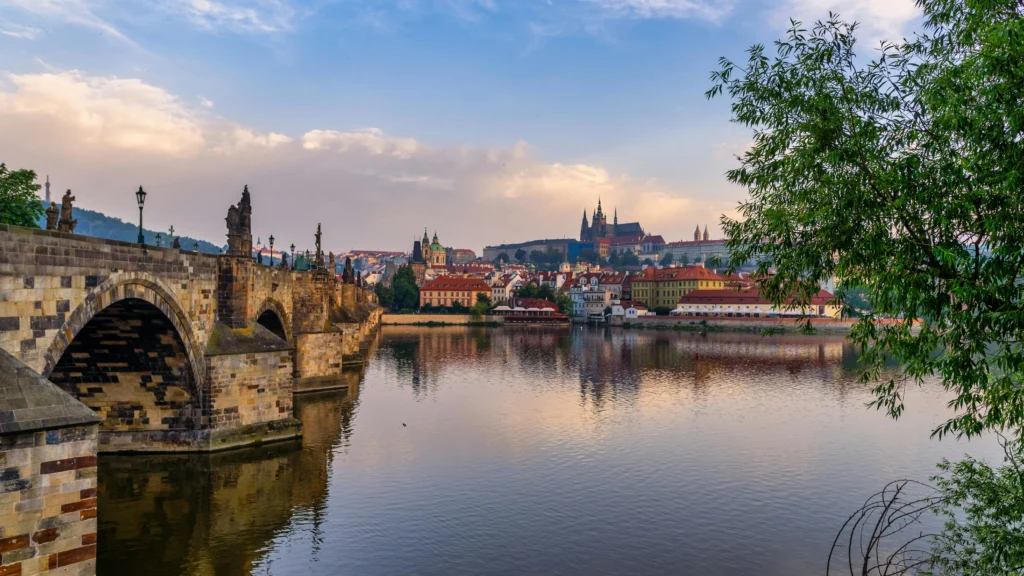
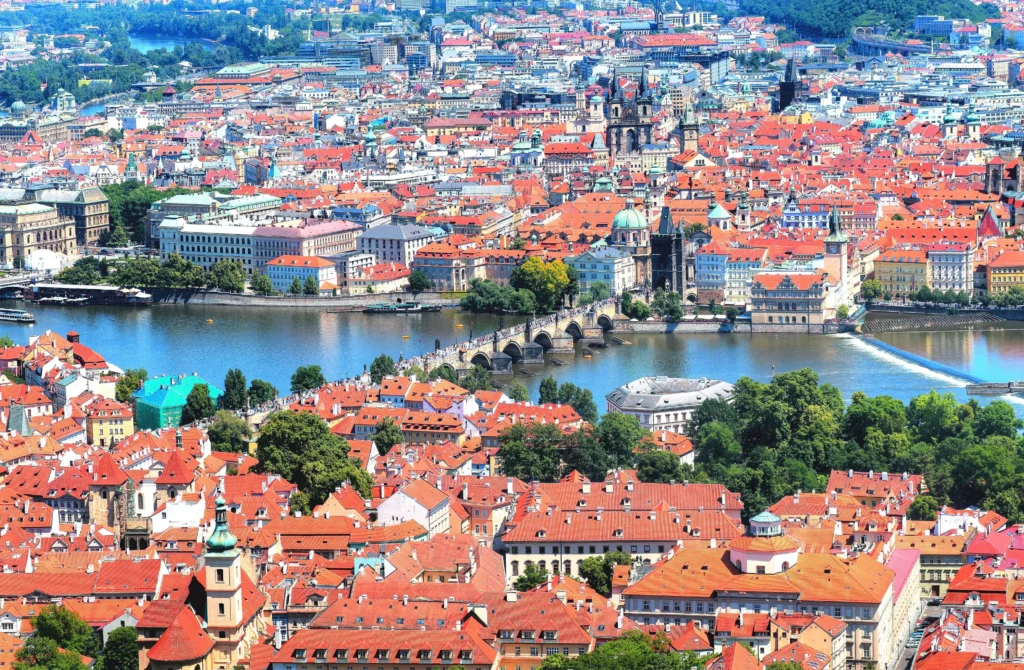
6. Prague, Czechia
Prague has become one of Europe’s fastest-growing destinations for expatriates seeking affordability, culture, and an excellent quality of life.
The Czech capital combines medieval architecture with modern business opportunities while maintaining significantly lower living costs than many Western European cities. This affordability attracts remote workers, entrepreneurs, students, and multinational professionals alike.
The city offers efficient public transport, excellent healthcare, reliable internet infrastructure, and an expanding international business sector. English is increasingly common, particularly among younger residents and within professional environments.
Prague’s vibrant café culture, lively arts scene, historic landmarks, and welcoming expat community help newcomers integrate quickly while enjoying one of Europe’s most beautiful capitals.

7. Dubai, United Arab Emirates
Dubai continues attracting expatriates from around the globe and ranks seventh among the world’s most welcoming cities.
With expatriates making up the majority of the population, Dubai has developed into one of the world’s most international urban centres. Residents from over 200 nationalities contribute to an exceptionally multicultural society where diversity is celebrated.
The city offers tax-free salaries for many professionals, luxurious residential developments, outstanding healthcare, excellent infrastructure, and one of the world’s busiest international aviation hubs. English is widely spoken across business, education, retail, and government services.
Modern entertainment, year-round sunshine, family-friendly communities, and expanding public transport continue making Dubai one of the easiest cities for foreigners to call home.
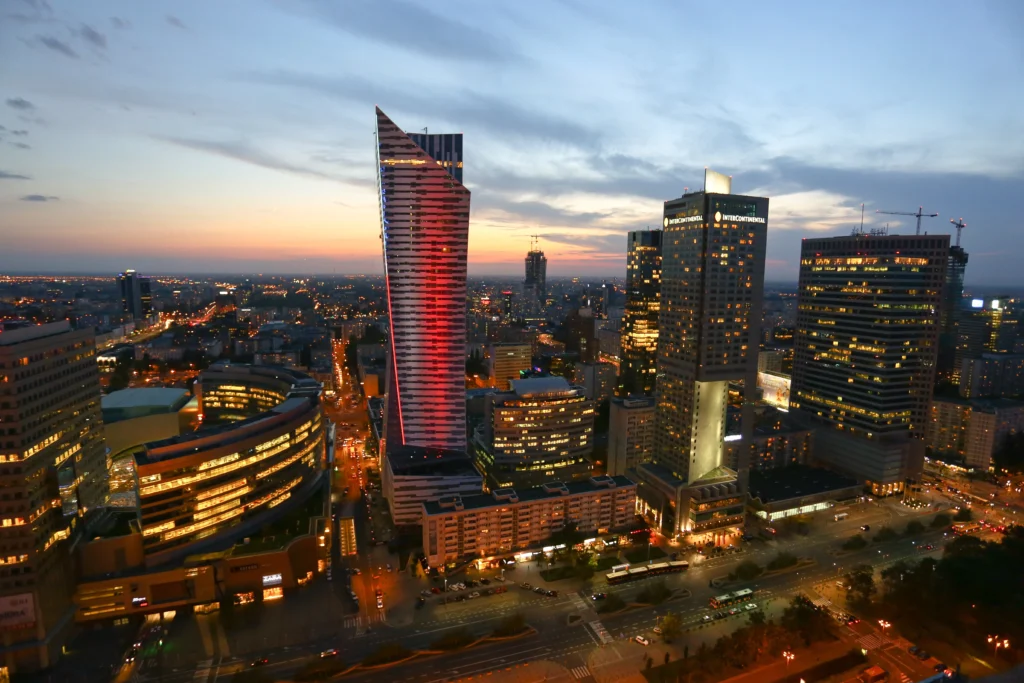
8. Warsaw, Poland
Warsaw secures eighth place thanks to its rapidly growing economy and increasingly international outlook.
Over the past decade, Poland’s capital has attracted significant foreign investment across finance, technology, manufacturing, and shared service industries. This economic growth has created abundant employment opportunities for skilled international professionals.
Warsaw combines relatively affordable living costs with modern infrastructure, efficient public transport, expanding cultural attractions, and improving healthcare services. Historic districts coexist alongside contemporary business centres, creating a city that successfully blends tradition with innovation.
Growing international schools, English-speaking workplaces, and active expatriate communities help newcomers establish social networks and adapt quickly to Polish life.
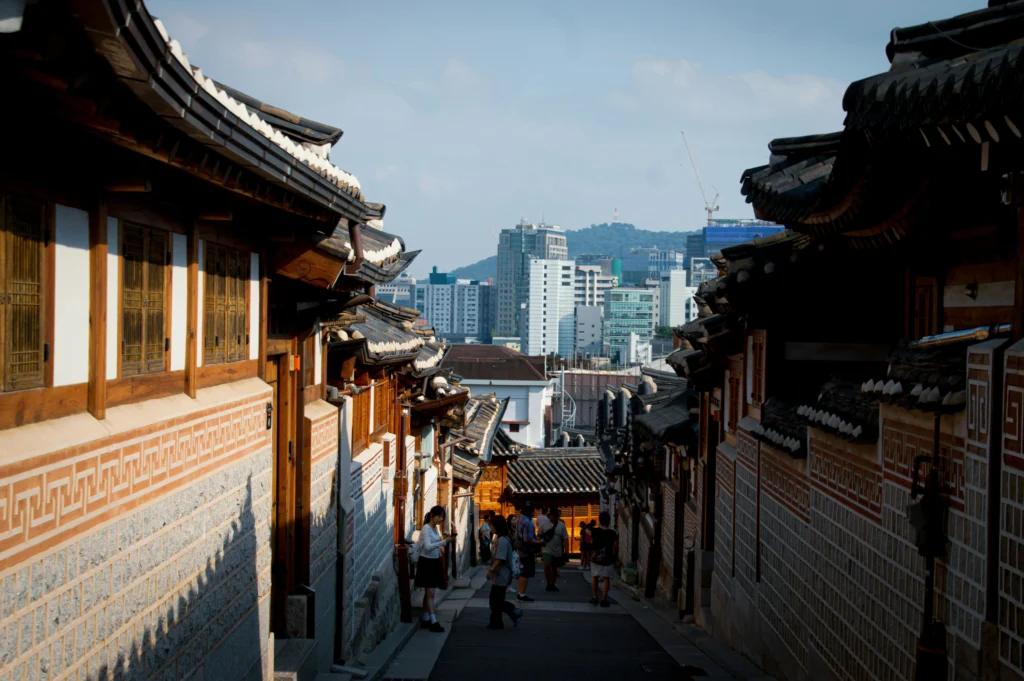
9. Seoul, South Korea
Seoul earns ninth place by offering a fascinating balance between cutting-edge innovation and deep cultural traditions.
South Korea’s capital provides one of Asia’s most technologically advanced urban environments, with ultra-fast internet, highly efficient public transport, outstanding healthcare, and extensive public safety measures. These strengths significantly improve everyday life for expatriates.
The city’s thriving technology sector, entertainment industry, education system, and multinational businesses continue attracting professionals from around the world. International neighbourhoods offer diverse restaurants, cultural events, and networking opportunities that ease the transition for newcomers.
Although adapting to the Korean language and workplace culture can require time, many expatriates find Seoul exceptionally rewarding both professionally and personally.
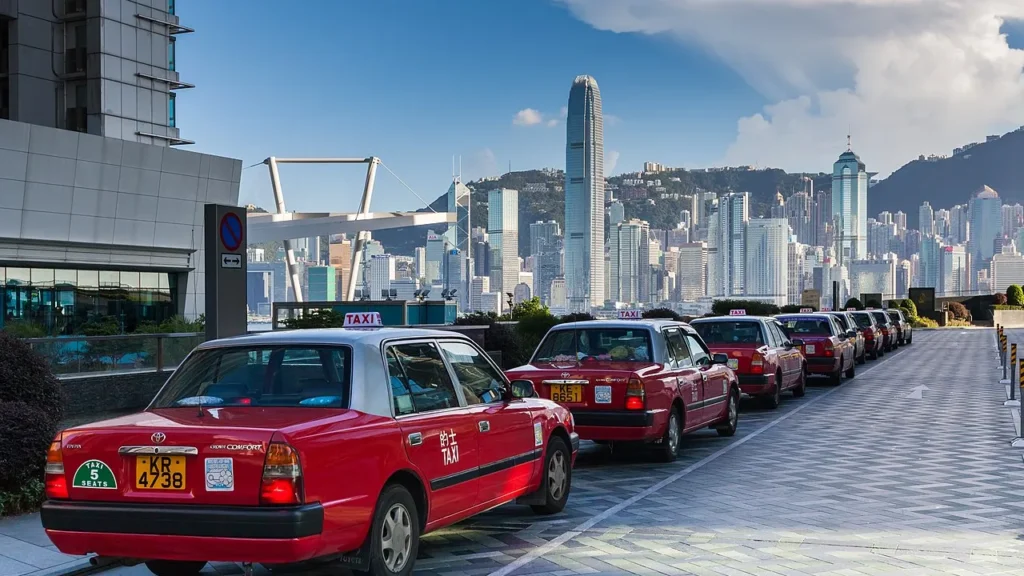
10. Hong Kong
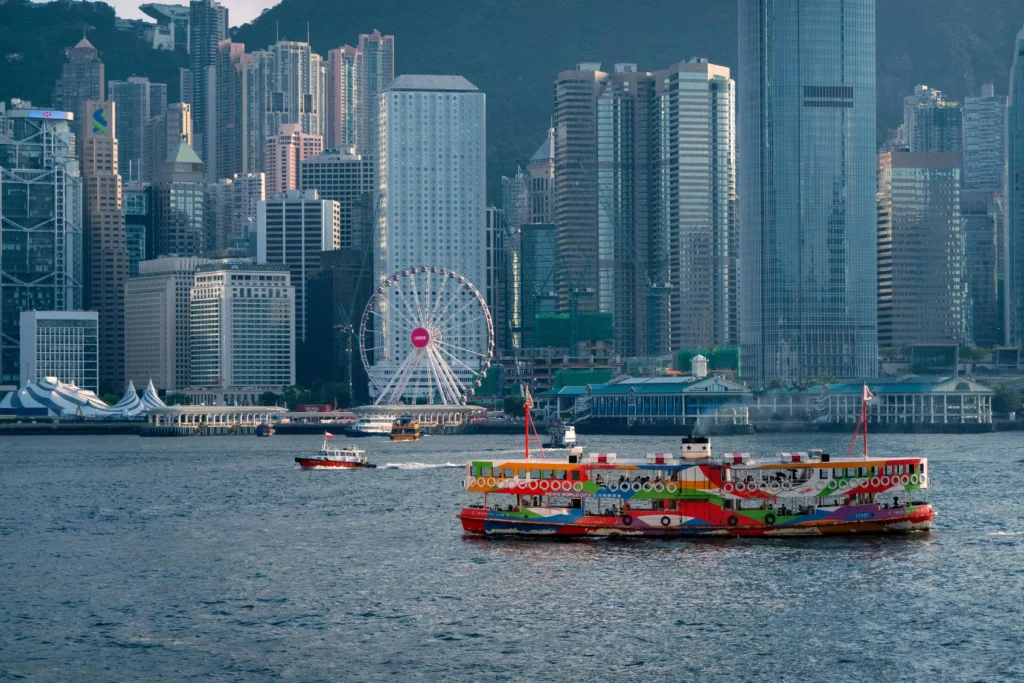
Hong Kong completes the top ten as one of Asia’s most internationally connected cities.
For decades, the city has served as a gateway between East and West, attracting professionals working in finance, trade, logistics, aviation, and legal services. English remains widely used alongside Cantonese, simplifying communication for many international residents.
Hong Kong’s efficient transport network, outstanding healthcare, low crime rates, and dynamic business environment continue making it attractive despite its high living costs. The city’s compact layout provides easy access to urban attractions, hiking trails, beaches, and country parks.
Its cosmopolitan culture, international schools, and diverse expatriate communities help newcomers quickly establish professional and personal connections.
What Makes a City Welcoming for Expats?
The highest-ranked cities share several characteristics that consistently improve the expatriate experience:
- Safe neighbourhoods with low crime rates.
- Inclusive multicultural communities.
- Excellent healthcare systems.
- Reliable and affordable public transport.
- Strong employment opportunities.
- Efficient government and administrative services.
- High-quality education and international schools.
- Widespread use of English or multilingual services.
- Active expatriate communities and networking opportunities.
- Excellent work-life balance and recreational facilities.
Together, these factors create environments where international residents can integrate more quickly and enjoy long-term success.
Emerging Trends for Expats in 2026
- Greater international diversity – Leading cities continue attracting talent from around the world, creating increasingly multicultural communities where newcomers feel accepted regardless of nationality.
- Flexible working lifestyles – Remote and hybrid work arrangements have enabled many professionals to prioritise lifestyle, safety, and wellbeing when choosing where to live overseas.
- Investment in quality of life – Cities are expanding green spaces, improving public transport, enhancing healthcare, and developing smarter infrastructure to attract skilled international workers.
- Stronger community engagement – Local governments and private organisations increasingly organise networking events, language programmes, and cultural activities that help expatriates integrate into their new homes.
Why These Cities Continue to Attract Expats
Beyond employment opportunities, today’s expatriates increasingly seek destinations offering long-term stability, personal wellbeing, and social inclusion.
The cities featured in this ranking successfully combine economic strength with welcoming communities, allowing newcomers to build fulfilling careers while enjoying rewarding lifestyles.
Whether through excellent public services, multicultural environments, efficient infrastructure, or friendly local populations, these destinations demonstrate that feeling at home abroad depends on far more than financial opportunities alone.
Bottom Line
The Top 10 Most Welcoming Cities in the World for Expats in 2026, according to William Russell, showcase destinations where international residents can thrive both professionally and personally.
Each city offers its own unique combination of career opportunities, cultural richness, and welcoming communities, making them among the best destinations for expatriates looking to build a successful and enjoyable life abroad.
Most Welcoming for Expats in 2026 FAQs
Zurich, Switzerland, ranks first thanks to its exceptional quality of life, international workforce, outstanding public services, and safe living environment.
Asian cities such as Singapore, Tokyo, Seoul, Hong Kong, and Dubai offer excellent infrastructure, strong economies, high safety standards, and increasingly international communities that appeal to expatriates.
Feeling accepted within the local community helps reduce relocation stress, improves mental wellbeing, strengthens career satisfaction, and encourages long-term settlement in a new country.
Stay tuned with us. Further, follow us on social media for the latest updates.
Join us on Telegram Group for the Latest Aviation Updates. Subsequently, follow us on Google News