AMUR— A Russian Tu-95 strategic bomber crashed during a training flight near the village of Krasnoyarovo in the Far Eastern Amur region on September 29, killing six of the seven crew members aboard.
Russia’s Defence Ministry said the aircraft went down in an uninhabited area and was not carrying ammunition, while the surviving crew member was injured and taken to hospital.
The aircraft was identified as a Tu-95 strategic bomber operating from Ukrainka Air Base, a major Russian long-range aviation facility in the region.
Ukrainka Air Base is located near Belogorsk and supports Russia’s strategic bomber force, while the crash site was reported roughly 30 kilometers from the base.
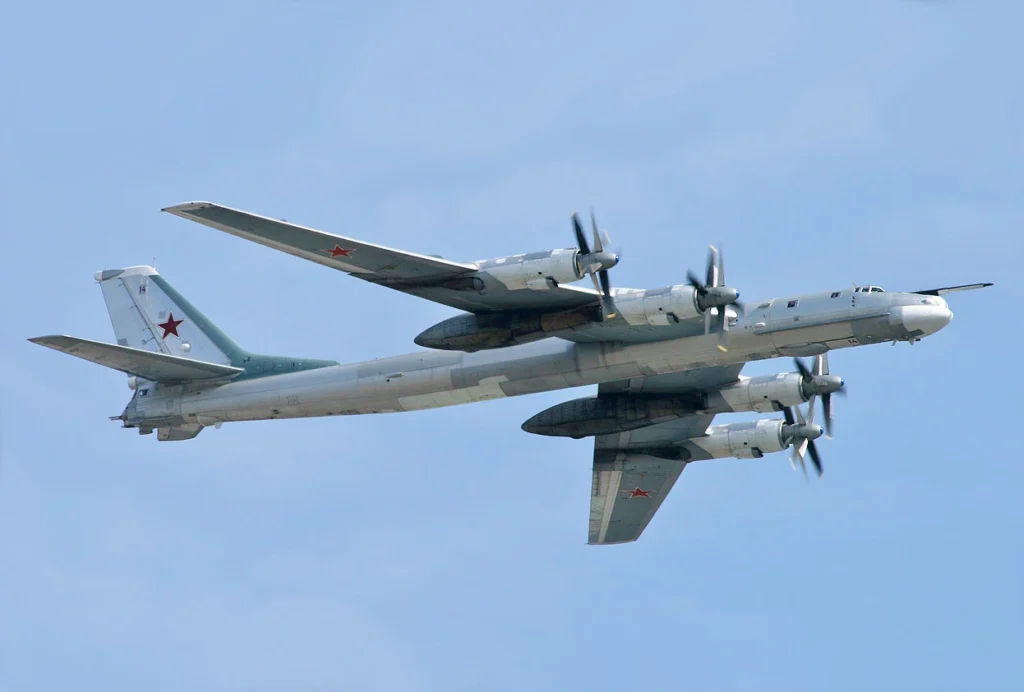
Russian Tu-95 Crash Details
The bomber crashed shortly after departure while conducting a training mission. Russian authorities said the flight was unarmed, removing any immediate concern over weapons being involved in the accident.
The Russian Defence Ministry initially described the cause as under investigation, while preliminary reports from Russian sources pointed to a possible technical failure.
Some reports specifically mentioned engine problems, but investigators had not publicly established a final cause when the initial reports emerged.
Aerospace Forces investigators were sent to the crash site, and Russian authorities opened a criminal investigation into the circumstances surrounding the accident.
The aircraft came down away from populated areas, and regional officials said the crew attempted to keep the bomber away from residential buildings.
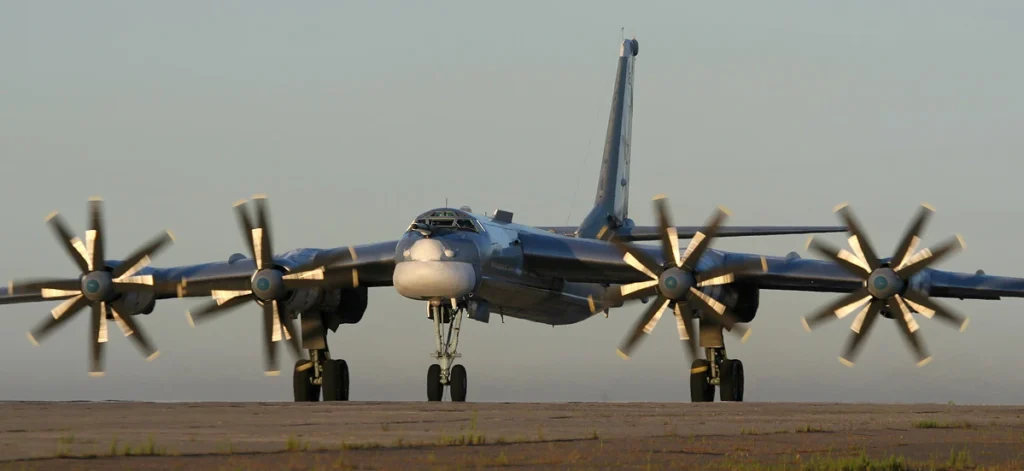
Strategic Role of the Tu-95
The Tu-95 is a four-engine turboprop strategic bomber developed during the Soviet era. First flown in 1952 and entering service in the 1950s, the aircraft remains a major component of Russia’s long-range aviation fleet.
Although the Tu-95 is capable of carrying nuclear weapons, Russia has also used modernized Tu-95MS aircraft to launch conventional cruise missiles.
The type has therefore remained closely associated with Russia’s long-range strike operations during the war in Ukraine.
The aircraft is also notable because it remains the only turboprop-powered strategic bomber in operational military service.
Its continued use reflects the longevity of Soviet-era strategic aviation designs, despite the introduction of newer Russian bomber variants.
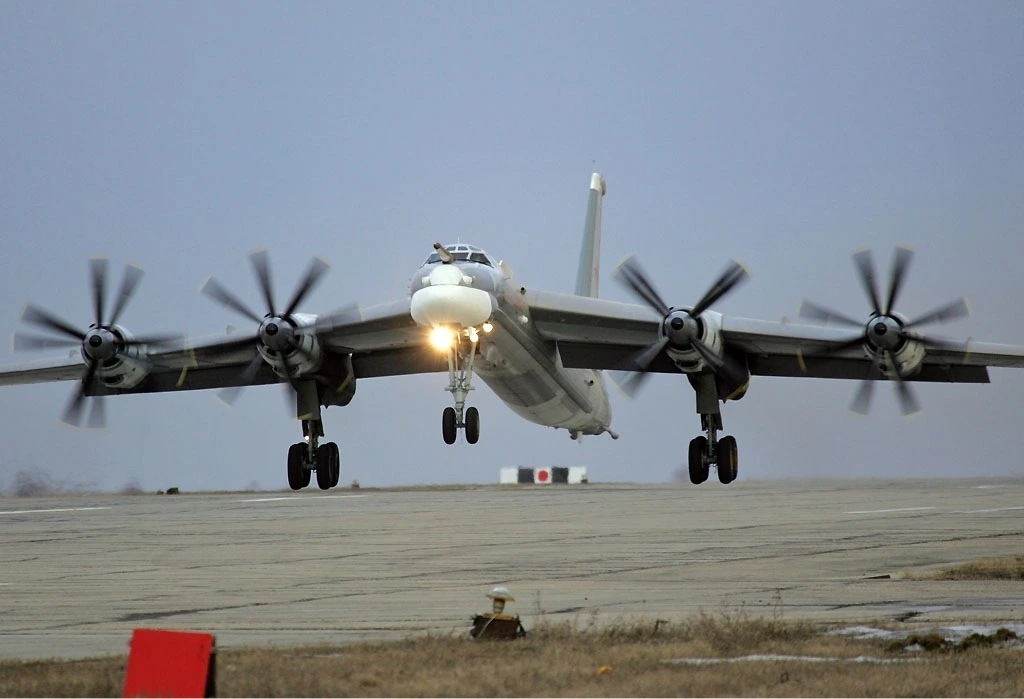
Crash Site of the Tu-95 was Ukrainka Air Base
The crash is particularly significant because Ukrainka is one of Russia’s principal strategic aviation bases in the Far East.
The base was also involved in the wider strategic-bomber picture following Ukraine’s June 2025 Operation Spiderweb, although the scale of losses and subsequent aircraft movements have been reported differently by Russian, Ukrainian, and Western sources.
Ukraine said its June 2025 operation struck more than 40 Russian aircraft across several airfields.
However, U.S. officials cited by Reuters later assessed that around 20 aircraft were hit, with about 10 destroyed, illustrating the uncertainty surrounding the final damage figures, EuroNews flagged.
The Tu-95 remains a difficult aircraft to replace because production of the original Soviet design ended decades ago.
The loss of another bomber therefore adds a significant event to the recent history of Russia’s ageing strategic aviation fleet, while the investigation into the Amur crash continues.
Stay tuned with us. Further, follow us on social media for the latest updates.
Join us on Telegram Group for the Latest Aviation Updates. Subsequently, follow us on Google News