TOULOUSE— Qantas Airways (QF) is preparing for a new era of ultra long haul travel as it moves toward daily non stop flights between Sydney (SYD) and London (LHR) from October 2027.
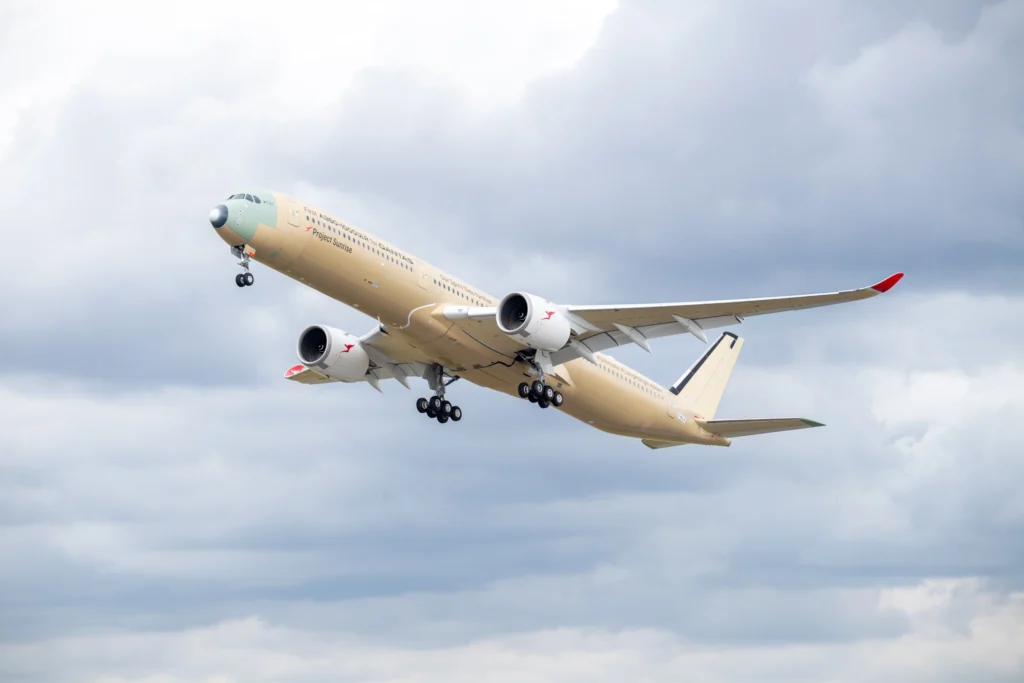
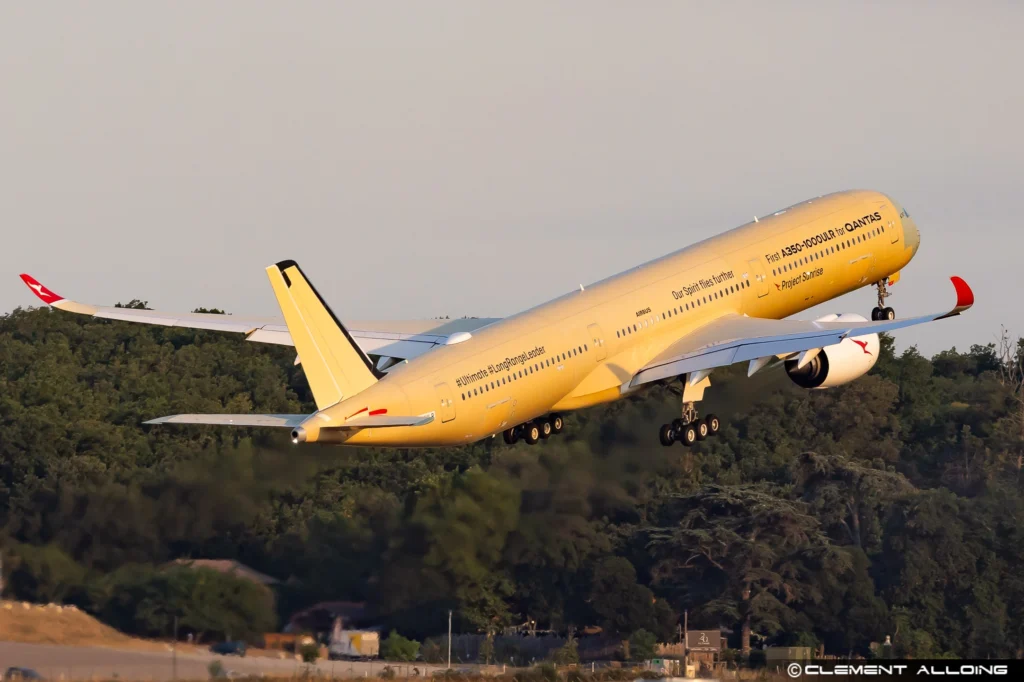
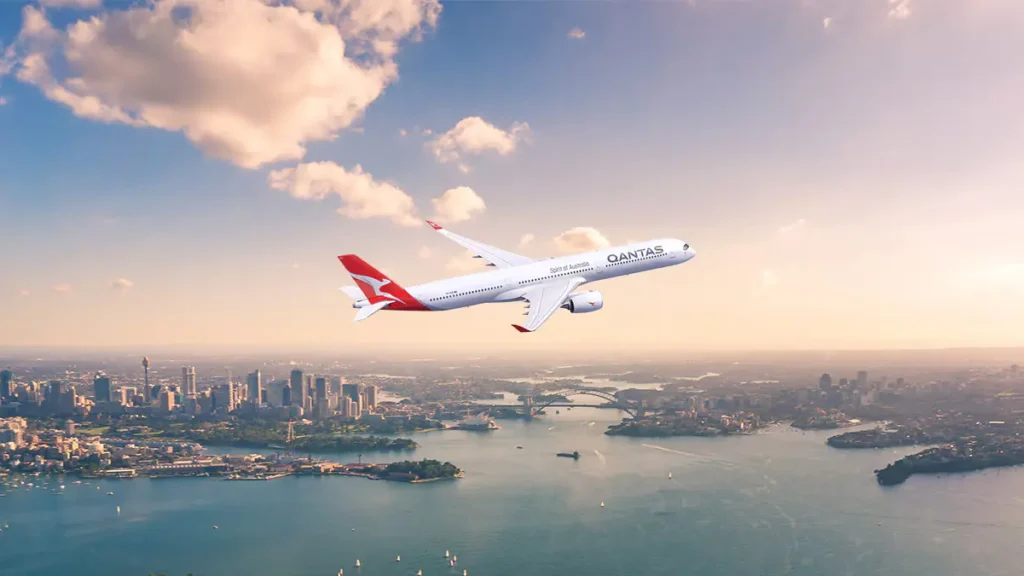
The Project Sunrise programme will use specially configured Airbus A350 1000ULR aircraft designed to remain airborne for up to 22 hours.
During a recent visit to the Airbus facility in Toulouse (TLS), Qantas Group CEO Vanessa Hudson and Qantas International CEO Cam Wallace outlined how the airline plans to make the record length journey commercially viable.
Their comments covered first class demand, ticket pricing, economy comfort, future routes and the expansion of Qantas premium airport facilities.
Qantas Project Sunrise Strategy Takes Shape
Qantas sees Project Sunrise as more than a single route. The airline has ordered 12 A350 1000ULRs, each carrying 238 passengers across four cabins, allowing the aircraft to operate ultra long haul services while maintaining a relatively spacious cabin.
The aircraft includes six First Class suites, 52 Business suites, 40 Premium Economy seats and 140 Economy seats.
Qantas believes the four cabin arrangement provides enough flexibility to move the aircraft across its international network rather than restricting it to only the longest routes.
Hudson said the smaller A350 cabin gives Qantas greater flexibility to offer First Class from several Australian cities.
Wallace added that the six suite configuration reflects renewed demand for premium travel, although the airline will carefully select routes because First Class remains costly to operate.
Fares And Economy Strategy Explained
The Sydney-London service is expected to command a premium because passengers will avoid a traditional stopover while travelling for around 19 to 22 hours. Qantas is still assessing fares and its pricing strategy with partners, including Emirates, before tickets go on sale in February 2027.
Economy remains a major part of the strategy despite the extreme flight duration.
Qantas has worked with the University of Sydney’s Charles Perkins Centre to study passenger wellbeing, including seating, lighting, meal timing, movement and changes in passenger mood during long flights.
The A350 will also feature a dedicated Wellbeing Zone between Premium Economy and Economy. The space will provide movement guidance, hydration facilities and refreshments, while more than 70 percent of the aircraft seats will offer at least 33 inches of pitch.
Future Routes And Lounges Plans Revealed
Qantas expects demand to determine where its Project Sunrise aircraft eventually operate. Sydney New York has already been confirmed as the next Project Sunrise route, while other possibilities could emerge if demand supports additional ultra long haul services.
Hudson said the airline wants the aircraft to remain flexible rather than creating a fixed network. Qantas also expects its international fleet to grow as more A350 1000s and Boeing 787s enter service and older A330s and A380s eventually leave the fleet, Business Traveller reported.
The airline is also preparing its London First Lounge for the new era of long haul travel. Qantas plans to improve food and menus, add more showers and expand its intimate premium dining experience before Project Sunrise begins.
The first Qantas A350 1000ULR recently completed a roughly 19-hour test flight from Toulouse to Melbourne, marking another major step toward commercial operations.
With aircraft testing, crew training, and cabin trials continuing, Qantas is positioning Project Sunrise as a long term strategy for connecting Australia with major global destinations without stops.
Stay tuned with us. Further, follow us on social media for the latest updates.
Join us on Telegram Group for the Latest Aviation Updates. Subsequently, follow us on Google News